

Why are Tank Tops Not Allowed in School? Explained
Why Are Tank Tops Not Allowed In School
Every student has asked questions about school dress codes at some point. One rule that often sparks debate is the ban on tank tops. For many, this piece of clothing seems harmless—especially in hot weather. But in schools around the world, tank tops are usually on the list of forbidden items. Why is this such a common rule? The answer is not as simple as it looks. There are many reasons, from safety and equality to tradition and practicality.
This article will explore the real reasons tank tops are not allowed in school. You will learn about the history of dress codes, the specific concerns schools have, and the effects on students. We will look at different viewpoints, real-life examples, and even the arguments for changing these rules. By the end, you will understand why this rule exists—and whether it really makes sense today.
The History Of School Dress Codes
School dress codes have been around for a long time. The main goal has always been to create a place where students can learn without distractions. In the past, schools often had strict uniforms. These rules were clear: everyone wore the same thing, and there was little room for personal style.
Over time, many schools moved away from uniforms and started using dress codes instead. Dress codes are rules about what students can and cannot wear. They are less strict than uniforms, but they still control clothing choices. The main purpose is to keep the school safe, respectful, and focused on learning.
Dress codes often change with society. When fashion changes, dress codes update to fit new styles. For example, as casual clothes became popular, schools had to decide what was okay. This is where rules about tank tops, short skirts, and ripped jeans began.
Why Schools Create Dress Codes
Dress codes are not just about clothing. They are about the kind of environment a school wants to create. There are several reasons schools make these rules:
- Safety: Some clothes can be dangerous. Loose clothes, for example, can cause accidents in labs or workshops.
- Focus: Schools want students to focus on learning, not on what everyone is wearing.
- Equality: Dress codes try to reduce pressure on students to wear expensive or trendy clothes.
- Respect: Some clothes are seen as disrespectful in a school setting.
- Cultural norms: Dress codes often reflect local values and beliefs.
But when it comes to tank tops, the reasons are more specific and sometimes controversial.

Credit: sites.psu.edu
The Main Reasons Tank Tops Are Banned
1. Distraction Concerns
One of the most common reasons schools ban tank tops is the idea of distraction. Some teachers and parents believe that tank tops can attract too much attention, especially if they show a lot of skin. This is seen as a distraction, not just for boys, but for all students.
The idea is that if students are focused on what someone is wearing, they are not focused on learning. Schools want to avoid any clothing that might cause this problem. That is why they often have rules about sleeve length, necklines, and even how loose or tight clothes can be.
2. Modesty And Social Expectations
In many cultures, modesty is an important value. Modesty means not showing too much of your body. Schools often reflect these values in their dress codes. Tank tops, which usually show the shoulders and sometimes the chest or back, are often seen as too revealing.
Some people believe that wearing modest clothes helps create a respectful environment. They think that tank tops go against this idea, especially in schools with students of different ages.
3. Preventing Peer Pressure And Social Competition
Fashion can be competitive. Students often feel pressure to wear the newest or most stylish clothes. When some students wear tank tops or other trendy items, others may feel left out or want to copy them.
Dress codes are supposed to make things more equal. By banning certain items like tank tops, schools try to reduce pressure to look a certain way. This can help students focus on what really matters—learning and being themselves.
4. Safety And Practical Reasons
Sometimes, the reason is simple: safety. Tank tops do not cover much skin. In science labs, gyms, or workshops, exposed skin can be dangerous. Chemicals can splash, equipment can cause injuries, and sports can lead to scrapes or burns.
By requiring clothes that cover the shoulders and arms, schools try to protect students from these risks. This is especially important in classes that use sharp tools, chemicals, or heavy equipment.
5. Uniformity And School Image
Schools care about their image. They want to look professional and serious. Allowing tank tops might not fit this image. Administrators worry that if students wear very casual clothes, the school will look less serious.
Uniformity also helps with discipline. When students all follow the same rules, it is easier to keep order. Banning tank tops is one way schools try to make sure everyone follows the same standards.
6. Legal And Policy Issues
Some schools are required by law or district policy to have dress codes. These policies sometimes include rules about tank tops. If the rule is written at a high level, individual schools must follow it, even if the community disagrees.
There have been legal challenges to some dress codes, especially if they seem unfair to certain groups. But in most cases, courts let schools make these rules as long as they are reasonable.
How Dress Codes Define Tank Tops
Not all tank tops are the same. Some are loose and casual, while others are tight or have thin straps. Dress codes often have to define exactly what is allowed.
Common rules include:
- Straps must be a certain width (often two or three fingers wide)
- No spaghetti straps (very thin straps)
- No low-cut necklines
- No exposed midriff (stomach)
- Shoulders must be covered
These details can vary from one school to another. Some schools allow sleeveless tops if they cover the shoulders, while others ban all sleeveless shirts.
Here is a comparison of common dress code rules regarding tank tops:
| Rule | Strict Dress Code | Moderate Dress Code | Lenient Dress Code |
|---|---|---|---|
| Strap Width | At least 3 fingers | 2 fingers or more | No rule |
| Shoulders Covered | Required | Not always required | Not required |
| Midriff Coverage | Must be covered | Usually must be covered | No rule |
Credit: www.hphsnyc.org
Real-world Examples And Stories
Many students have stories about being sent home or getting detention for wearing a tank top. These stories often make the news, especially when the rules seem unfair or embarrassing.
For example, a student might be pulled out of class and asked to change clothes. Sometimes, the school gives the student a large T-shirt to wear for the rest of the day. These actions can make students feel uncomfortable or singled out.
Some schools have even had protests or petitions to change the dress code. Students argue that the rules are outdated or unfair, especially for girls. In some places, these protests have led to changes in the rules.
The Impact On Students
Banning tank tops can have both positive and negative effects on students.
Positive Effects
- Less peer pressure: If everyone has to follow the same rules, students may feel less pressure to look a certain way.
- Fewer distractions: Some students do feel more focused when everyone dresses similarly.
- Safety: Covering more skin does protect against some injuries in classes like science or gym.
Negative Effects
- Loss of self-expression: Clothes are a way for students to show their personality. Dress codes can limit this.
- Embarrassment: Being called out for breaking the dress code can be humiliating.
- Gender bias: Some students feel that rules about tank tops are aimed more at girls than boys. This can feel unfair and cause resentment.
Gender And Dress Codes
One of the biggest debates about tank top bans is gender bias. Many students and parents argue that these rules are not fair. For example, boys’ tank tops (like basketball jerseys) might be allowed, while girls’ tank tops are not.
Some students feel that rules about modesty are used more strictly for girls. This can send the message that girls are responsible for other people’s behavior. Many experts believe that dress codes should be clear and fair for everyone.
Here is a comparison of how dress codes can affect boys and girls:
| Clothing Item | Boys | Girls |
|---|---|---|
| Tank Top | Sometimes allowed (sports) | Often banned |
| Shorts | Usually allowed | Length restrictions common |
| Shoulder Coverage | Less strict rules | More strict rules |
Arguments For Allowing Tank Tops
Not everyone agrees with tank top bans. Some students, parents, and even teachers believe these rules are old-fashioned. They argue that tank tops are common, comfortable, and do not harm anyone.
Reasons people give for allowing tank tops include:
- Comfort: Schools can be hot, especially in summer. Tank tops help students stay cool.
- Normal fashion: Tank tops are normal outside of school. Banning them can seem out of touch with modern life.
- Self-expression: Clothes are a way for students to show who they are.
- Fairness: If tank tops are allowed for one gender (like boys in sports), they should be allowed for all.
Some schools have changed their rules and found that nothing bad happened. Students wore tank tops, and learning continued as usual.
Cultural Differences In Dress Codes
Dress codes are not the same everywhere. In some countries, tank tops are common and accepted in schools. In others, they are always banned. These rules often reflect local culture, religion, and climate.
For example, in some warm countries, sleeveless tops are normal because of the heat. In others, modest dress is required for religious reasons, so tank tops are not allowed.
Here is a look at how dress codes about tank tops vary in different places:
| Country/Region | Tank Top Policy | Main Reason |
|---|---|---|
| United States | Usually banned | Modesty, distraction |
| Europe (varies) | Sometimes allowed | Climate, culture |
| Middle East | Almost always banned | Religious rules |
| Australia | Often allowed | Hot weather |
What Students Can Do If They Disagree
If students believe that tank top bans are unfair, there are steps they can take. It is important to follow school rules, but students also have a right to express their opinions.
Some options include:
- Talk to teachers: Explain why you think the rule should change.
- Start a petition: If enough students agree, you can ask the school to reconsider.
- Join the school council: Many schools have student councils that help decide rules.
- Follow the rules while working for change: Breaking the dress code can lead to punishment. It is often better to work within the system.
One non-obvious insight: Dress code changes are more likely if students show that they understand the reasons behind the rules and offer solutions (like agreeing to some limits on tank tops rather than a total ban).
Common Myths About Tank Tops In Schools
Many ideas about tank tops are based on myths, not facts. Here are a few:
- Myth: Tank tops always cause trouble.
- Reality: Many schools allow tank tops with few problems.
- Myth: Only girls wear tank tops.
- Reality: Many sports uniforms for boys are sleeveless.
- Myth: Tank tops are always revealing.
- Reality: Some tank tops cover as much as a T-shirt.
Understanding these myths helps students and schools have better conversations about dress codes.
The Role Of Parents And Teachers
Parents and teachers play a big role in dress code rules. Some parents support bans on tank tops because they want their children to learn about modesty and respect. Others think the rules are too strict.
Teachers must enforce the rules, even if they do not agree with them. This can be hard, especially if students feel embarrassed or upset.
One practical tip: If you are a parent or teacher, talk openly with students about why the rules exist. Listen to their opinions. This helps everyone feel respected, even if the rules do not change.
Credit: www.cotterschools.org
Are Dress Codes Effective?
This is a big question. Do dress codes really help schools? Research shows mixed results. Some studies say that strict dress codes do not lead to better grades or fewer problems. Others find that students feel more comfortable when everyone follows the same rules.
A useful insight: Dress codes work best when they are clear, fair, and made with input from students and parents. Rules that are too strict or unfair often lead to problems and resentment.
For those interested in more research, you can read this article on school dress codes from Wikipedia.
Alternatives To Banning Tank Tops
Some schools are trying new approaches instead of banning certain clothes. These include:
- Teaching about respect: Schools can teach students why certain clothes might be better in some situations.
- Flexible dress codes: Some schools allow tank tops but set limits on how revealing they can be.
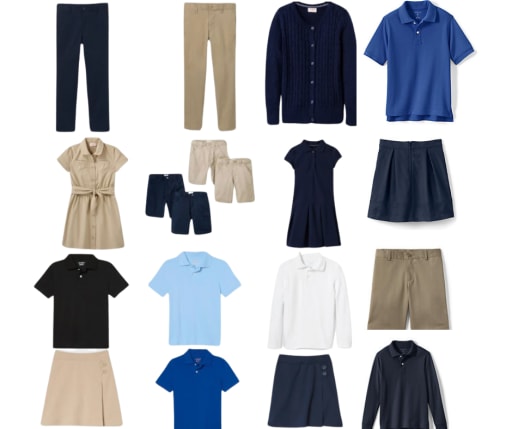
- Uniforms: A few schools go back to uniforms to avoid all dress code debates.
A smart idea is to focus on behavior, not just clothing. If a student is respectful and focused, what they wear may matter less.
Frequently Asked Questions
Why Are Tank Tops Seen As Distracting In Schools?
Tank tops can show more skin than other tops, which some people think is distracting for students and teachers. The concern is that students will pay more attention to clothes than to learning. However, what is considered distracting can depend on local culture and personal beliefs.
Are Tank Top Bans More Common For Girls Than Boys?
Yes, in many schools, rules about tank tops are stricter for girls. Boys may be allowed to wear sleeveless shirts for sports, while girls cannot wear similar tops in regular classes. This difference leads to debates about fairness and gender bias.
What Should I Do If I Think My School’s Dress Code Is Unfair?
If you believe the rules are unfair, talk with teachers or school leaders. You can gather support from other students or start a petition. Always follow the rules while you work for change, as breaking them can lead to punishment and less chance of being heard.
Do All Schools Ban Tank Tops?
No, some schools allow tank tops, especially in hot climates or less strict areas. Rules can vary widely, even within the same country or district. Always check your school’s specific dress code.
Are There Alternatives To Banning Tank Tops?
Yes, some schools allow tank tops with some limits, like requiring wider straps or higher necklines. Others teach students about respect and let them decide what is appropriate. A few schools use uniforms to avoid the debate altogether.
School dress codes, including the ban on tank tops, are about much more than just clothing. They reflect safety, equality, tradition, and the values of the community. While the rules can seem strict or even unfair to some, they are usually made with good intentions.
Still, as society changes, so do opinions about what is appropriate. By understanding the reasons behind these rules and working together, students, parents, and schools can find solutions that balance comfort, respect, and the need to learn. Whether you agree with tank top bans or not, knowing the full story helps everyone make better choices.
