

Why are Rash Guards So Expensive: Unveiling the True Value
Have you ever wondered why rash guards come with such a high price tag? If you’ve shopped for one, you might have felt the sticker shock and asked yourself, “Is it really worth it?” The truth is, rash guards aren’t just simple shirts.
They’re designed with special materials and features that protect your skin, enhance your comfort, and last much longer than regular clothing. You’ll discover the real reasons behind their cost and why investing in a quality rash guard could save you money and trouble down the line.
Keep reading to find out what makes these garments so valuable—and why you shouldn’t settle for less.
Materials Behind Rash Guards
The materials behind rash guards affect their price the most. These fabrics must protect skin and last long. Rash guards need to be soft yet tough. This balance requires special textiles and careful design.
Choosing the right fabric makes rash guards expensive but effective. Let’s explore what goes into these materials.
High-quality Fabrics
Rash guards use fabrics like nylon, polyester, and spandex. These materials stretch well and dry quickly. High-quality fabrics resist wear from sun and saltwater. Cheaper fabrics lose shape and color fast. Good fabrics keep rash guards looking and feeling new longer.
Durability And Comfort
Rash guards must handle rough use without tearing. Durable fabrics prevent rips and holes during sports. Comfort is also key. Soft materials reduce skin irritation and chafing. This comfort allows athletes to wear rash guards all day.
Specialized Textile Technology
Many rash guards use advanced textile tech. Some fabrics block harmful UV rays. Others wick sweat away from the skin. These features improve performance and protection. This technology raises the cost but adds real value.

Credit: swimzip.com
Design And Construction
Rash guards stand out because of their careful design and strong construction. These features make them last longer and feel better during use. Each part of the rash guard is made with attention to detail. This adds to the overall cost.
Seamless Stitching Techniques
Seamless stitching means fewer seams and no rough edges. This reduces skin irritation during sports or water activities. The process needs special machines and skilled workers. It takes more time to produce each rash guard. This careful work increases the price but improves comfort and durability.
Fit And Flexibility
Rash guards must fit snugly but allow full movement. Designers use stretchy materials to achieve this balance. The fabric adjusts to body shape without feeling tight. This fit helps protect skin and improves performance. Creating a perfect fit requires testing and quality fabric, adding to the cost.
Uv Protection Features
Many rash guards include built-in UV protection. This shields skin from harmful sun rays. Special fabrics block UV light effectively and last through many washes. Producing UV-protective material costs more than regular fabric. This feature adds value, especially for outdoor sports and beach activities.
Brand Reputation And Marketing
Brand reputation and marketing play a big role in the price of rash guards. Well-known brands spend a lot to keep their image strong. They want customers to trust their quality and style. This trust allows brands to charge more for their products.
Premium Brand Influence
Top brands build a strong name over years. Their rash guards are seen as high quality and stylish. People pay extra to wear items from these brands. The brand name adds value beyond the material used.
Sponsorships And Athlete Endorsements
Famous athletes often wear rash guards from top brands. Brands pay these athletes to show their products. This boosts the brand’s image and trust. Sponsorship deals add to the cost of the rash guard.
Marketing Costs Impact
Marketing includes ads, events, and social media campaigns. These efforts cost a lot of money. Brands add these costs to the product price. Marketing helps reach more buyers but raises prices too.

Credit: veymax.com
Production And Labor Costs
Production and labor costs play a big role in why rash guards can be expensive. These garments require careful work and quality materials. The process involves more than just sewing fabric. Ethical choices and skilled hands add to the price. Each step ensures comfort, durability, and safety.
Ethical Manufacturing Practices
Ethical manufacturing means fair wages and good work conditions. Factories follow strict rules to protect workers. This raises costs but supports human rights. Brands that care about ethics pay more to keep workers safe and respected. Ethical factories avoid cheap labor and poor environments.
Skilled Labor Requirements
Making rash guards needs skilled workers. They handle special fabrics that stretch and dry fast. Cutting and sewing require precision and care. Mistakes can ruin the fabric or fit. Skilled labor costs more but ensures high quality. This skill keeps rash guards comfortable and strong.
Small Batch Production
Many rash guards are made in small batches. This means fewer pieces are produced at once. Small batches allow better quality control and design variety. Large factories make big runs to save money, but small batches cost more. Small production helps brands stay flexible and reduce waste.
Performance Benefits
Rash guards are not just stylish gear. They offer many performance benefits that justify their price. These benefits improve your experience in sports and outdoor activities.
Enhanced Athletic Performance
Rash guards fit tightly to support your muscles. This compression helps reduce muscle fatigue and soreness. The fabric moves with your body, allowing full range of motion. It also wicks away sweat quickly, keeping you dry and comfortable. These features help you perform better and longer.
Skin Protection And Health
Rash guards protect your skin from sunburn and harmful UV rays. They block most UV rays, reducing the risk of skin damage. The fabric also shields you from scrapes, cuts, and rashes. This protection is important for water sports and outdoor activities. Your skin stays safer, so you avoid pain and infections.
Longevity And Cost Efficiency
High-quality rash guards last longer than regular shirts. They resist stretching, fading, and wear over time. The durable material holds up against chlorine, saltwater, and sun exposure. This means you do not need to replace them often. Spending more upfront saves money in the long run.
Consumer Perceptions And Trends
Consumer views and trends play a big role in the price of rash guards. People want products that look good and fit their lifestyle. This creates a demand for styles that are both functional and fashionable. Rash guards are no longer just sportswear. They have become a part of everyday style for many buyers. This shift affects how much companies charge for them.
Fashion And Style Influence
Rash guards now come in many colors and designs. Buyers want to match their gear with their personality. Brands invest in unique prints and stylish cuts. This raises production costs. The focus on style makes rash guards more than just protective gear. They become a fashion statement. Higher demand for trendy options pushes prices up.
Demand In Niche Markets
Rash guards serve different sports and activities. Surfers, divers, and martial artists each need special features. Brands create targeted products for these groups. Smaller production runs for niche markets increase costs. Buyers are willing to pay more for gear that fits their needs well. This specialized focus also adds to the overall price.
Impact Of Social Media
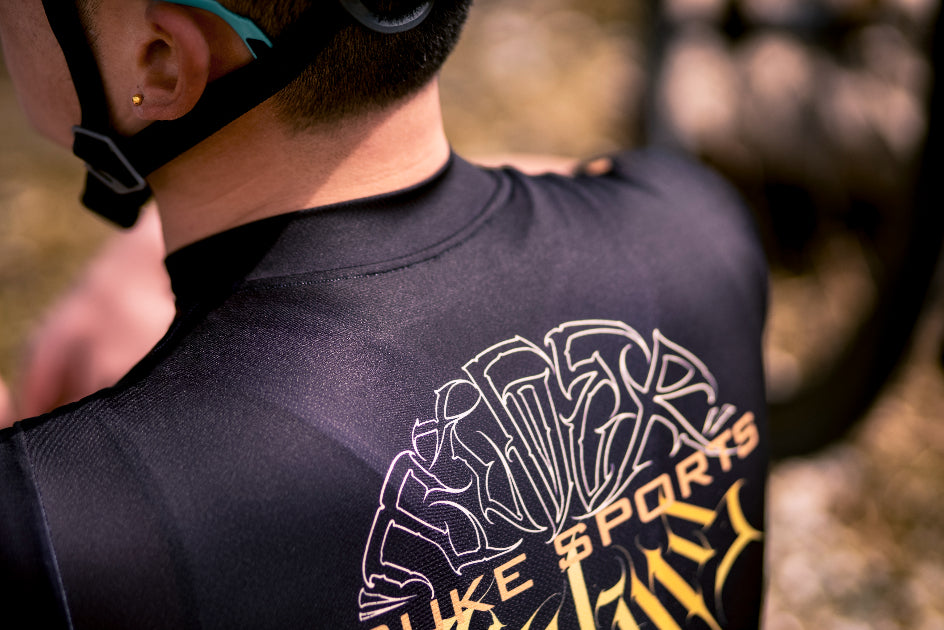
Social media shows rash guards worn by athletes and influencers. This exposure raises interest and demand. People want to buy what they see online. Brands use social media to showcase new styles and tech. Constant trends push companies to update designs often. This cycle drives prices higher due to ongoing innovation and marketing.
Credit: www.souke-sports.com
Frequently Asked Questions
Why Do Rash Guards Cost More Than Regular Shirts?
Rash guards use specialized, durable materials that resist UV rays and abrasions. Their design enhances comfort and performance, raising production costs compared to regular shirts.
What Materials Make Rash Guards Expensive?
High-quality rash guards often feature polyester, spandex, and nylon blends. These fabrics ensure stretch, durability, quick-drying, and UV protection, which increases their price.
How Does Uv Protection Affect Rash Guard Prices?
Rash guards with UPF ratings block harmful UV rays. This technology requires advanced materials and testing, contributing to the higher cost of these garments.
Are Branded Rash Guards Pricier Than Generic Ones?
Yes, branded rash guards often include better design, quality control, and warranty. These factors add value, making them more expensive than generic alternatives.
Conclusion
Rash guards cost more because of their strong, special materials. They protect your skin and last a long time. Good stitching and design add to the price. These clothes must handle sun, water, and rough use. Paying more means you get better comfort and safety.
Cheaper ones might wear out fast or hurt your skin. Choosing quality helps you enjoy sports without problems. Quality rash guards are an investment in your health and fun. It’s worth spending a bit more for real protection.
