

How to Avoid Shin Guard Rash: Proven Tips for Ultimate Comfort
If you play sports like soccer or hockey, you know how important shin guards are. But nothing spoils the game faster than dealing with painful, itchy rash from those guards.
You don’t have to suffer through discomfort every time you gear up. Imagine staying focused on the game without constantly worrying about skin irritation. You’ll discover simple and effective ways to protect your skin and keep shin guard rash far away.
Keep reading to find out how to stay comfortable and enjoy every minute on the field.
Causes Of Shin Guard Rash
Shin guard rash is a common problem for many athletes. It causes discomfort and can stop you from playing your best. Understanding what causes this rash helps you avoid it. Several factors contribute to skin irritation under shin guards.
Common Irritants And Friction
Rash often forms due to constant rubbing between the skin and the shin guard. This friction damages the skin’s surface. Dirt and bacteria trapped in this area make irritation worse. Small movements during sports can increase the rubbing effect. This leads to redness, itching, and sometimes blisters.
Material And Fit Issues
Shin guards made from rough or stiff materials can irritate the skin. Poorly fitting guards move around, causing more friction. Guards that are too tight squeeze the skin and reduce airflow. Loose guards slide and rub repeatedly. Both tight and loose fits increase the risk of rash.
Sweat And Moisture Impact
Sweat collects inside shin guards during exercise. Moisture softens the skin, making it more fragile. Wet skin is easier to damage from rubbing. Damp conditions also promote bacteria and fungus growth. These microbes can cause infections and worsen rash symptoms.

Credit: storelli.com
Choosing The Right Shin Guards
Choosing the right shin guards plays a big role in avoiding shin guard rash. The right pair protects your skin and feels comfortable during play. Picking shin guards with the right materials, size, and ventilation helps keep skin safe from irritation. Comfort matters as much as protection. Below are key points to consider when selecting shin guards.
Materials That Minimize Irritation
Soft, breathable materials reduce skin irritation. Look for shin guards with foam padding and smooth fabric lining. Avoid rough, stiff materials that rub harshly on your skin. Some guards use hypoallergenic fabrics. These help prevent allergies and rashes. Lightweight materials also reduce sweat buildup, lowering rash risk.
Proper Sizing And Fit Tips
Shin guards must fit snugly but not too tight. Too loose guards move and cause friction. Too tight guards squeeze and irritate skin. Measure your shin length before buying. Choose guards that cover from just below the knee to above the ankle. Adjustable straps help secure the fit without pressure. Try them on with your socks for best fit.
Ventilation Features To Consider
Good airflow prevents sweat and heat buildup. Look for guards with ventilation holes or mesh panels. These features keep skin dry and cool. Dry skin is less likely to develop rashes. Some guards have moisture-wicking liners that pull sweat away. Proper ventilation improves comfort during long play sessions.
Preparing Your Skin
Preparing your skin before wearing shin guards helps prevent rash and irritation. Clean, smooth skin reduces friction and keeps the area comfortable. Taking small steps can protect your skin and improve your playing experience.
Cleansing And Moisturizing
Start by washing your legs with mild soap and warm water. This removes sweat, dirt, and oils that cause irritation. After cleaning, apply a gentle moisturizer to keep your skin soft. Moisturized skin is less likely to rub raw under shin guards.
Using Protective Barriers
Apply a thin layer of protective cream or ointment on your shins. Products like petroleum jelly or anti-chafing balms create a smooth surface. These barriers reduce friction between skin and shin guards, lowering the chance of rash.
Managing Hair And Skin Texture
Trim leg hair to prevent pulling and irritation under shin guards. Avoid shaving right before playing to stop razor burn. Smooth skin feels better and lets shin guards fit without causing pain.
Credit: storelli.com
Wearing Shin Guards Correctly
Wearing shin guards correctly helps prevent rash and discomfort. It ensures better protection and comfort during play. Proper fitting and adjustment reduce skin irritation caused by friction and sweat. Follow these tips to wear your shin guards the right way.
Proper Placement Techniques
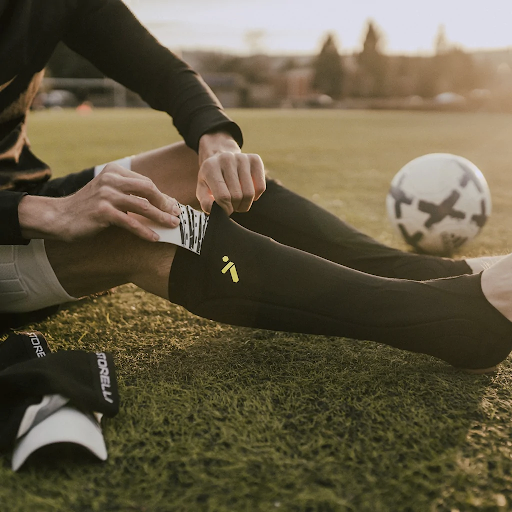
Place the shin guard in the center of your shin. It should cover the area from just above the ankle to below the knee. Make sure the guard lies flat against your skin. Avoid leaving gaps between the guard and your leg. This prevents rubbing and skin irritation.
Securing Straps Without Over-tightening
Fasten the straps so the shin guard stays in place. Tighten them enough to stop the guard from moving. Do not pull the straps too tight. Over-tightening cuts off circulation and causes discomfort. The straps should feel snug but gentle on your skin.
Adjusting During Play
Check your shin guards during breaks in play. Shift or loosen straps if you feel pressure or rubbing. Small adjustments keep you comfortable and prevent rash. Keep your skin dry by wiping sweat away. Adjusting often helps maintain protection and comfort.
Post-use Care For Skin And Gear
Taking care of your skin and shin guards after use is very important. Proper care helps prevent rashes and keeps your gear in good shape. Clean and dry your equipment. Help your skin heal and stay healthy. Know when to replace old shin guards for the best protection.
Cleaning And Drying Shin Guards
Remove dirt and sweat from your shin guards after every use. Use mild soap and warm water to clean them. Avoid harsh chemicals that can damage the material. Rinse well to remove all soap. Let them air dry completely before storing. Avoid direct sunlight or heat sources. Proper drying stops bacteria and mold growth.
Skin Recovery Tips
Wash your skin gently with mild soap and water. Pat dry with a soft towel. Apply a soothing lotion or aloe vera to calm irritation. Avoid tight clothing that rubs on your skin. Let your skin breathe to help healing. Use cold compresses if you feel itching or redness. Rest your skin before the next practice or game.
When To Replace Shin Guards
Check your shin guards regularly for cracks or worn padding. Replace them if they lose their shape or protection. Old shin guards can cause more irritation and injuries. New guards fit better and offer better comfort. Keep your skin safe by using good quality gear. Don’t wait until damage becomes visible.
Credit: matguardusa.com
Additional Comfort Enhancements
Shin guard rash can make sports uncomfortable and painful. Adding extra comfort can help protect your skin and improve your experience. Small changes can reduce irritation and keep you focused on the game.
Using Compression Sleeves Or Socks
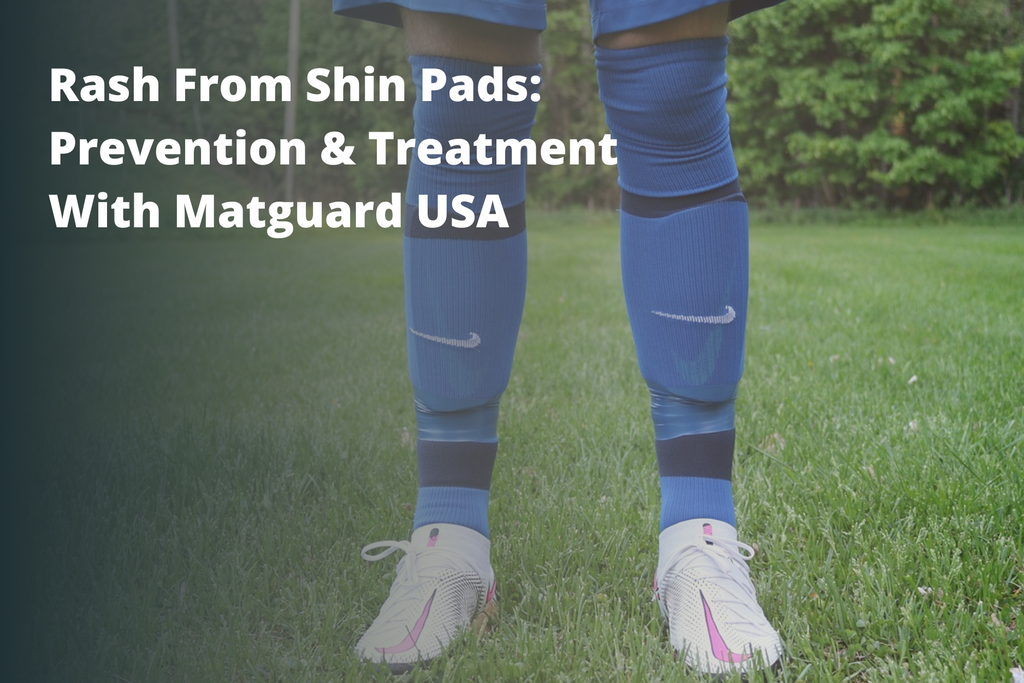
Compression sleeves or socks create a smooth layer between skin and shin guards. They reduce friction and help keep guards in place. These sleeves also improve blood flow, which eases swelling and discomfort.
Applying Anti-chafing Products
Anti-chafing creams or balms reduce skin rubbing. Applying them before wearing shin guards stops irritation early. These products form a protective barrier, making movement smoother and rash less likely.
Custom Padding Options
Adding extra padding can give more comfort and protection. Soft foam or gel pads fit inside or around shin guards. Custom padding helps absorb shocks and reduces pressure on sensitive skin.
Frequently Asked Questions
What Causes Shin Guard Rash During Sports?
Shin guard rash occurs from friction between the guard and skin. Sweat and tight-fitting guards worsen irritation. Prolonged use without proper hygiene also contributes to rash development.
How Can I Prevent Shin Guard Rash Effectively?
Wear moisture-wicking socks and keep your shin guards clean. Use guard sleeves or pads for extra cushioning. Ensure guards fit well to reduce friction and take breaks to air your skin.
Are There Specific Fabrics That Reduce Shin Guard Rash?
Yes, breathable and moisture-wicking fabrics help reduce sweat and irritation. Materials like polyester blends and bamboo fibers improve airflow. Avoid cotton socks as they retain moisture and cause chafing.
How Often Should I Clean My Shin Guards?
Clean your shin guards after every use to prevent bacteria buildup. Use mild soap and water, then air dry completely. Regular cleaning reduces odor and skin infections.
Conclusion
Wearing shin guards should protect, not hurt. Keep your skin clean and dry. Choose guards that fit well and feel comfortable. Use soft sleeves or pads under the guards. Change or wash gear often to stop bacteria. Taking care of your skin helps avoid rash and pain.
Play hard, stay safe, and enjoy your game without discomfort. Simple steps make a big difference in preventing shin guard rash.
