

Who What Wear Business Casual: Chic Office Outfits for 2024
Who What Wear Business Casual
Finding the right business casual style can feel confusing. Many people ask themselves, “What do I wear to work? ” or “How do I look professional but comfortable? ” The answer is not always simple. Offices and industries have different rules.
Trends shift. But business casual remains a popular way to dress for work. It balances professionalism with comfort and style. You don’t need to wear a full suit, but jeans and sneakers may not work either.
This guide will help you understand the business casual dress code, what pieces to choose, and how to build outfits. You’ll learn the best materials, colors, and combinations. We’ll cover common mistakes, practical advice, and give clear examples. Whether you are starting a new job, updating your wardrobe, or just want to look sharp, you’ll find everything you need to master business casual.
What Does Business Casual Mean?
Business casual is a mix of formal and informal clothing. It’s less strict than traditional business wear (like a suit and tie), but it’s more polished than casual clothes (like t-shirts and shorts). The goal is to look professional, comfortable, and approachable.
Key Elements Of Business Casual
- Collared shirts: Polo shirts, button-downs, or blouses
- Slacks or chinos: Not jeans or sweatpants
- Closed-toe shoes: Loafers, flats, low heels
- Blazers or cardigans: Optional but add polish
- Neutral colors: Black, gray, navy, beige
Business casual can be different from company to company. For example, tech startups may be more relaxed, while law firms expect a sharper look. Always check your company’s guidelines.
Common Misconceptions
Many people think business casual means “wear whatever you want.” This is not true. While the rules are softer, there are still standards. For example, graphic t-shirts, ripped jeans, and flip-flops are usually not allowed. Another mistake is confusing business casual with smart casual. Smart casual is often a step less formal.
Essential Business Casual Pieces
You don’t need a huge wardrobe to dress business casual. Start with basic items that you can mix and match.
Tops
- Button-down shirts: White, light blue, or subtle patterns
- Blouses: For women, choose simple styles without too much decoration
- Polo shirts: Good for warmer days, but avoid bold logos
- Sweaters: Fine knits in neutral colors
Bottoms
- Chinos: A top choice for men and women
- Dress pants: Black, navy, or gray
- Midi skirts: For women, knee-length or longer
- Khakis: Comfortable and versatile
Shoes
- Loafers: Easy to wear and classic
- Oxfords: More formal but still comfortable
- Flats: For women, choose closed-toe styles
- Low heels: No more than 2-3 inches
Layers
- Blazers: Instantly elevate any outfit
- Cardigans: Softer than blazers, good for casual offices
- Light jackets: Neutral colors work best
Accessories
- Belts: Match with shoes for a clean look
- Watches: Simple styles preferred
- Scarves: Add color without being flashy
- Bags: Structured, medium-sized, in classic colors
Business Casual Vs. Other Dress Codes
Business casual is just one type of dress code. Knowing the differences helps you dress correctly for any occasion.
| Dress Code | Allowed Clothing | Not Allowed |
|---|---|---|
| Business Formal | Suits, ties, dress shoes | Jeans, sneakers, polo shirts |
| Business Casual | Collared shirts, chinos, loafers | T-shirts, ripped jeans, sandals |
| Smart Casual | Blazers, nice jeans, dressy sneakers | Shorts, flip-flops, hoodies |
| Casual | T-shirts, jeans, sneakers | Suits, ties, dress shoes |
Business casual is in the middle. It’s more relaxed than formal, but not as loose as casual.
Choosing Materials And Fabrics
The fabric you choose affects your comfort and appearance. Some materials look more professional. Others wrinkle easily or look messy.
Best Fabrics For Business Casual
- Cotton: Breathable and easy to care for
- Wool blends: Good for colder months
- Polyester: Less wrinkles, but sometimes less comfortable
- Rayon: Soft and smooth, good for blouses
- Linen: Light and airy, but wrinkles easily
Avoid materials like denim (unless your workplace allows), spandex, or shiny synthetics. These can look too casual or unprofessional.
Colors And Patterns
Business casual is usually about simple colors and patterns. Bright colors or loud prints can be distracting.
Safe Color Choices
- Navy
- Black
- Gray
- White
- Beige
- Soft pastels
Patterns like thin stripes or small checks are fine. Avoid bold prints, large logos, or neon colors.
How To Add Personality
You can express yourself with accessories. For example, a patterned scarf, a colored belt, or a stylish watch. Just keep it understated.
Building Business Casual Outfits
Mixing and matching is the key. Here are some outfit ideas:
Outfit Ideas For Men
- Light blue button-down, navy chinos, brown loafers
- White polo shirt, beige dress pants, black belt
- Gray sweater over collared shirt, black slacks, oxford shoes
- Navy blazer, white shirt, gray pants, leather shoes
Outfit Ideas For Women
- White blouse, black midi skirt, low heels
- Light sweater, navy chinos, flats
- Patterned scarf, beige dress pants, soft pink blouse
- Black cardigan, gray slacks, loafers
You can adjust these outfits for seasons. For example, in summer, choose lighter fabrics. In winter, add layers.
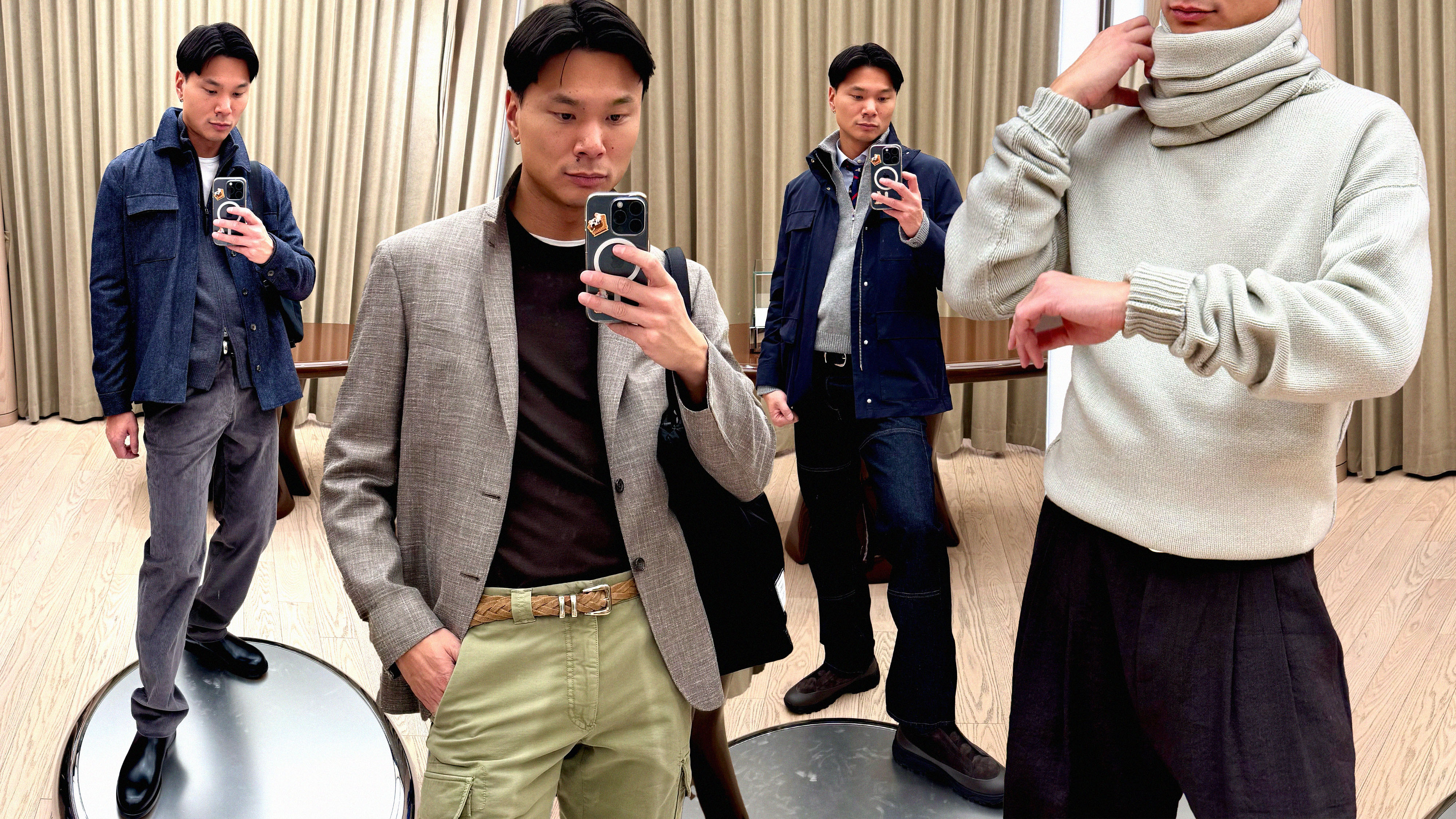
Credit: www.whowhatwear.com
Business Casual For Different Industries
Not all industries see business casual the same way. Some places are more relaxed. Others expect a sharper look.
Tech Industry
Many tech companies allow jeans and t-shirts, but only if they are clean and simple. A blazer over a t-shirt is common. Sneakers are often okay.
Finance And Law
These fields are more traditional. Stick with dress pants, collared shirts, and polished shoes. Avoid jeans and sneakers.
Creative Industries
People working in design, marketing, or media can show more personality. Patterns, colors, and unique accessories are more acceptable.
Healthcare And Education
Comfort matters, but you should still look professional. Choose wrinkle-free fabrics and easy-to-move styles.
Business Casual For Remote Work
Working from home has changed office style. Many people now wear comfortable clothes, but video calls still require a professional look.
- Wear a collared shirt or blouse for video meetings
- Avoid pajamas, tank tops, or gym wear
- Choose simple backgrounds and good lighting
Even at home, dressing business casual helps you feel more focused and confident.
Common Mistakes And How To Avoid Them
Business casual is flexible, but there are still pitfalls. Here are mistakes people often make:
- Wearing wrinkled clothes: Always iron or steam your outfit.
- Choosing too casual shoes: Avoid sneakers unless your office allows.
- Ignoring fit: Clothes that are too tight or baggy look unprofessional.
- Over-accessorizing: Keep jewelry and accessories simple.
- Mixing formal and casual in the wrong way: For example, a suit jacket with ripped jeans does not work.
A non-obvious mistake is forgetting about grooming. Even with the right clothes, messy hair or dirty nails can ruin your look.
Business Casual On A Budget
You don’t need expensive brands to dress well. There are smart ways to build a business casual wardrobe without spending too much.
Practical Tips
- Buy neutral colors: They match easily and look clean.
- Choose mix-and-match pieces: For example, a navy blazer works with many pants.
- Look for quality fabrics: Spend a bit more for better materials that last longer.
- Shop sales and outlet stores: Many brands offer good deals.
A second insight: Focus on shoes and pants first. These are noticed more than shirts, and quality matters.
Business Casual For All Body Types
Everyone can look good in business casual. The key is to pick the right fit and style.
Tips For Men
- If you are tall, choose longer shirts and jackets
- If you are shorter, avoid oversized clothes
- For larger builds, try structured blazers and darker colors
Tips For Women
- For curvy figures, wrap dresses or belted shirts flatter the waist
- For petite sizes, avoid long skirts and bulky layers
- For athletic shapes, soft fabrics add balance
Don’t be afraid to tailor your clothes. Small changes, like shortening sleeves, can make a big difference.
Business Casual For Different Seasons
Your business casual wardrobe should adapt to weather.
Spring And Summer
- Choose light fabrics like cotton or linen
- Wear short-sleeved shirts or polos
- Avoid heavy jackets
Fall And Winter
- Add layers: Sweaters, cardigans, blazers
- Choose wool blends for warmth
- Wear darker colors
A useful tip: Keep a spare blazer or cardigan at work for sudden changes in temperature.
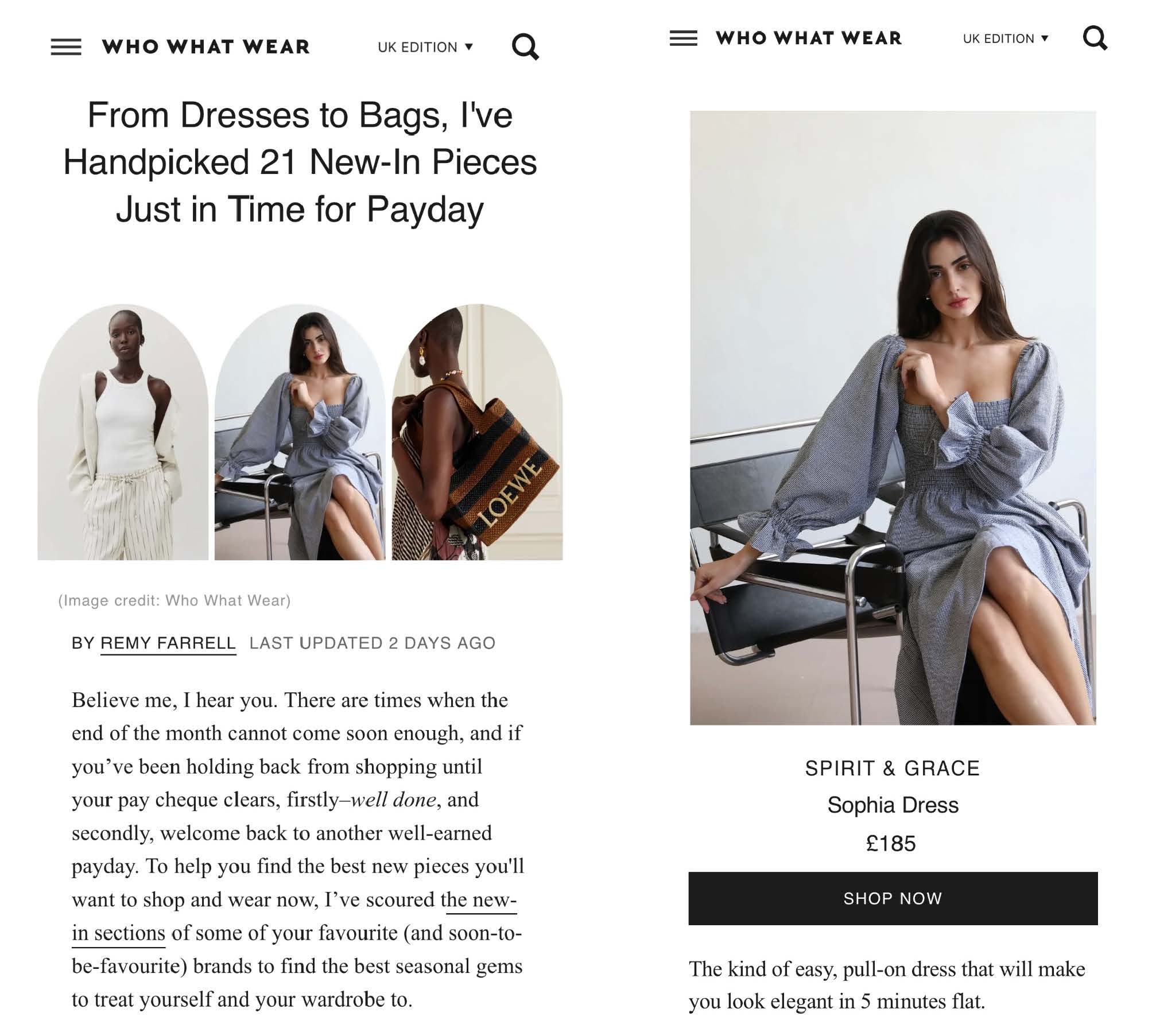
Credit: www.spiritandgrace.co.uk
Comparing Business Casual Brands
Some brands are better for business casual than others. Here’s a comparison of popular options.
| Brand | Price Range | Quality | Style Variety |
|---|---|---|---|
| Banana Republic | $$ | High | Classic, modern |
| Uniqlo | $ | Medium | Simple, minimal |
| J.Crew | $$ | Medium-High | Trendy, classic |
| H&M | $ | Medium | Modern, affordable |
Banana Republic is known for higher quality and classic styles. Uniqlo offers affordable basics. J. Crew mixes trendy and classic looks. H&M is popular for budget-friendly modern styles.
Business Casual For Plus Size
Many brands now offer plus-size options. Fit and comfort are important, but style matters too.
- Look for stretch fabrics that move with you
- Avoid clothes that are too tight or too loose
- Choose vertical lines or patterns to elongate your shape
A smart tip: Layering with open cardigans or blazers can create a slimming effect.
Business Casual For Tall And Petite
Height can affect how business casual clothes fit. Brands often offer special sizes.
For Tall People
- Look for longer inseams and sleeves
- Avoid cropped pants or jackets
For Petite People
- Choose shorter lengths and sleeves
- Avoid oversized styles
Some brands offer “tall” and “petite” sections. These pieces save time and give a better fit.
Business Casual: Gender Neutral Options
More workplaces are open to gender-neutral styles. You can mix and match pieces that work for any gender.
- Collared shirts and polos
- Chinos and dress pants
- Blazers and cardigans
- Simple accessories
Gender-neutral clothing is about comfort and self-expression. Always focus on fit and neatness.
How To Transition From Business Casual To Formal
Sometimes you need to shift from business casual to formal for meetings or events.
- Add a blazer or suit jacket
- Swap loafers for dress shoes
- Wear a tie or scarf
A blazer and polished shoes can make almost any outfit formal enough for special occasions.
Business Casual For Job Interviews
Many people wonder what to wear to interviews. Business casual is safe for most companies.
- Choose neutral colors
- Avoid bold patterns
- Make sure clothes are clean and pressed
First impressions matter. It’s better to be slightly overdressed than too casual.
Business Casual For Travel
Business trips require comfort and style.
- Choose wrinkle-free fabrics
- Pack neutral pieces that mix easily
- Bring a spare shirt in case of spills
A practical insight: Shoes are heavy. Wear your main pair during travel to save space.
Caring For Business Casual Clothes
Good care extends the life of your wardrobe.
- Wash clothes with care: Cold water for most items
- Avoid high heat when drying
- Iron or steam shirts and pants
- Store shoes away from moisture
A non-obvious tip: Use cedar shoe inserts to keep shoes fresh and in shape.
Credit: www.ebay.com
Business Casual: Sustainability And Ethics
Many people now care about sustainable fashion. Choose brands that use eco-friendly fabrics or fair labor.
- Look for organic cotton or recycled materials
- Research brands before buying
For more, see Green America.
Business Casual For Special Events
Work events, dinners, or presentations may need a slightly different look.
- Upgrade with a statement accessory
- Wear a dressy blouse or shirt
- Choose polished shoes
A tip: Keep a dressier piece (like a blazer) at work for last-minute events.
How To Build A Capsule Wardrobe
A capsule wardrobe is a small set of clothes that mix well together.
| Item | Quantity | Color |
|---|---|---|
| Button-down shirts | 3 | White, blue, gray |
| Chinos | 2 | Navy, beige |
| Blazer | 1 | Black |
| Dress shoes | 1 | Brown |
| Cardigan | 1 | Gray |
This small group of items gives you many outfit options.
Business Casual For Different Age Groups
Young professionals and older workers may prefer different styles.
Young Professionals
- Try slim-fit pants and modern shirts
- Add personality with accessories
Mid-career And Senior Professionals
- Choose classic cuts and quality materials
- Stick with neutral colors
Age doesn’t limit business casual, but comfort and professionalism should always guide your choices.
How To Stay Comfortable All Day
Being comfortable helps you focus and do your job well.
- Choose breathable fabrics
- Wear shoes that fit well
- Adjust layers for changing temperatures
If you spend time sitting, avoid tight waistbands. For standing, pick shoes with good support.
Adapting Business Casual For Disabilities
Clothes should fit your needs. Adaptive clothing is now more available.
- Look for magnetic closures instead of buttons
- Choose elastic waistbands
- Avoid heavy layers if mobility is limited
A second insight: Brands like Tommy Hilfiger and Target offer adaptive collections.
The Role Of Grooming And Hygiene
Clothing alone isn’t enough. Grooming and hygiene matter.
- Keep hair neat and clean
- Trim nails and avoid strong perfumes
- Use deodorant
A clean look shows respect and professionalism.
Frequently Asked Questions
What Is The Most Important Business Casual Item?
The button-down shirt is key. It’s versatile and works for many industries. You can wear it alone or under a blazer or sweater.
Can I Wear Jeans For Business Casual?
Usually, jeans are not allowed. Some offices accept dark, clean jeans with no rips. Always check your company policy first.
Are Sneakers Okay For Business Casual?
Most workplaces prefer loafers or dress shoes. Sneakers may be allowed in creative or tech industries, but only if they are clean and simple.
How Can I Make Business Casual Outfits Look More Stylish?
Add accessories like a scarf, belt, or watch. Choose modern cuts, mix textures, and layer smartly. Small details make a big difference.
What If My Office Has No Dress Code?
If there’s no official rule, aim for polished, comfortable clothes. Collared shirts, chinos, and closed-toe shoes are safe choices. Always avoid anything too casual.
Business casual is about balance. It lets you look professional without feeling stiff. With the right pieces, smart choices, and a bit of personality, you can build a wardrobe that works for any office, age, or body type. Use these tips to find your style and feel confident every day.
