

Smart Casual Women vs Formal: Style Guide for Every Occasion
Smart Casual Women Vs Formal
Choosing what to wear can feel confusing, especially when you’re not sure about the difference between smart casual and formal for women. These two dress codes affect everything from work meetings to special events. If you’re worried about looking out of place or missing an opportunity to shine, learning the details of each style can help you feel confident and comfortable.
Smart casual and formal outfits are not only about style—they send signals about professionalism, personality, and respect. This guide explains how each dress code works, where to wear them, what pieces to choose, and how to avoid common mistakes. You’ll get practical tips, real examples, and insights that many beginners miss.
By the end, you’ll know exactly how to dress for any occasion, whether it’s a relaxed office day or a high-profile event.
Defining Smart Casual And Formal For Women
Understanding these two dress codes starts with clear definitions. Smart casual and formal are often confused, but their rules and expectations are quite different.
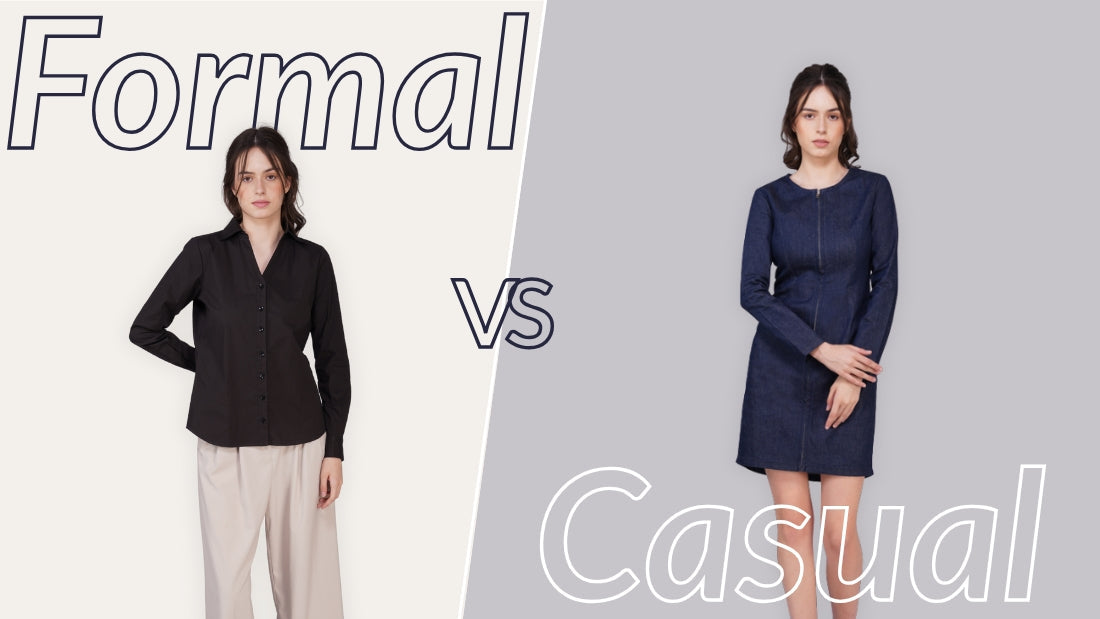
Smart casual is a flexible style combining neat, polished pieces with relaxed elements. It’s less strict than business attire but more dressed up than everyday casual. You can mix tailored clothing with softer fabrics and playful accessories.
Formal means strict, elegant, and classic. Outfits must look polished, structured, and refined. Formal wear is reserved for business, evening events, or ceremonies. There is little room for creative or relaxed touches—every piece should fit perfectly and look flawless.
Let’s break down what each dress code means for women:
- Smart casual: Think of tailored pants, blouses, midi skirts, sweaters, and simple dresses. Shoes can be flats, loafers, or low heels. Accessories are understated but stylish.
- Formal: Outfits involve tailored suits, long evening gowns, cocktail dresses, structured blazers, and classic pumps. Jewelry and accessories are elegant and often minimal.
The difference isn’t just in the clothes themselves, but in the attitude. Smart casual offers more freedom, while formal demands discipline and attention to detail.
Where Each Dress Code Is Worn
Knowing where to wear smart casual or formal is essential. Here are common situations for each style:
Smart Casual Settings
- Office environments with relaxed dress codes
- Networking events
- Casual business lunches
- Conferences and seminars
- Dinner with friends at upscale restaurants
- Daytime parties
Formal Settings
- Corporate meetings or interviews
- Award ceremonies
- Weddings, galas, and banquets
- Concerts or operas
- High-profile business events
- Court appearances
Some workplaces shift between these styles depending on the day or event. Understanding the situation helps you make the right choice. For example, an important meeting may require formal, while daily office work allows smart casual.
Credit: www.feathernweave.com.au
Key Elements Of Smart Casual For Women
Smart casual can seem vague, but there are clear guidelines to follow. The goal is to look polished without being stiff.
Common Smart Casual Pieces
- Tailored trousers or dark jeans (no rips or distress)
- Simple blouses or knit tops
- Midi skirts or knee-length dresses
- Blazers (optional, softer fabrics preferred)
- Loafers, ballet flats, or low-heeled pumps
- Minimal jewelry (stud earrings, slim bracelets)
- Neutral handbags or crossbody bags
Smart Casual Color Palette
Choose neutral or soft tones: navy, beige, gray, white, blush, olive, or pastel shades. Patterns are allowed but should be subtle. Avoid loud prints or neon colors.
Styling Tips For Smart Casual
- Layer a blazer over a plain t-shirt and dark jeans for instant polish.
- Swap sneakers for loafers or ballet flats.
- Use a silk scarf or delicate necklace for a touch of elegance.
- Keep makeup natural and fresh.
One non-obvious insight: Smart casual is about blending comfort with refinement. It’s not simply “casual plus a blazer”—each piece should look intentional. For example, a sweater paired with tailored pants looks much smarter than jeans and a hoodie.
Key Elements Of Formal Wear For Women
Formal dress codes require structure and elegance. Every detail matters.
Typical Formal Pieces
- Tailored suit or pantsuit with matching blazer
- Cocktail dresses (knee-length or midi)
- Evening gowns (floor-length)
- Dress shirts or silk blouses
- Classic pumps or closed-toe heels
- Structured handbags (clutch or tote)
- Elegant jewelry (pearls, diamonds, gold)
- Sheer hosiery (optional, but often expected)
Formal Color Palette
Choose rich and classic colors: black, navy, charcoal, white, burgundy, emerald, or metallics. Patterns are rare—solids are safer.
Styling Tips For Formal
- Ensure every piece fits perfectly. Alterations make a big difference.
- Choose high-quality fabrics: Silk, satin, wool, or crepe.
- Keep accessories minimal but luxurious.
- Hair should be neat, styled, or pulled back.
- Makeup can be bold (red lips, smokey eyes) but must look professional.
Non-obvious insight: Formal doesn’t mean uncomfortable. You can choose breathable fabrics or low heels, as long as the outfit looks structured and refined. Many women skip hosiery, but in some cultures or industries, it’s still expected.
Comparing Smart Casual And Formal: Major Differences
Smart casual and formal overlap in some ways, but the differences are clear when you look closely. Here’s a quick side-by-side comparison:
| Aspect | Smart Casual | Formal |
|---|---|---|
| Fit | Relaxed, comfortable | Structured, tailored |
| Fabrics | Cotton, knit, denim | Silk, wool, satin |
| Accessories | Minimal, playful | Elegant, classic |
| Color palette | Neutrals, soft tones | Rich, deep colors |
| Occasions | Daytime, casual events | Evening, formal events |
| Shoes | Flats, loafers | Pumps, heels |
How To Build A Smart Casual Wardrobe
If you want to dress smart casual, start with versatile basics. Here’s how:
Essential Smart Casual Items
- Tailored pants (black, navy, beige)
- Dark, straight-leg jeans
- Simple midi skirts
- Crisp white blouse
- Soft knit sweater
- Blazer in neutral color
- Loafers or ballet flats
Practical Steps
- Invest in quality basics that mix well.
- Choose pieces that fit your body type.
- Add layers like blazers or cardigans for extra polish.
- Limit accessories to one or two per outfit.
- Use scarves, belts, or jewelry to add personality.
Many beginners miss this: Smart casual is NOT about wearing casual clothes in a neat way. It’s about starting with smart pieces and adding casual touches. For example, a silk blouse with dark jeans feels smart casual, but a t-shirt with tailored pants might not.

Credit: www.youtube.com
How To Build A Formal Wardrobe
Formal wardrobes demand careful planning. You need fewer items, but each must be perfect.
Essential Formal Items
- Tailored suit or pantsuit
- Classic cocktail dress
- Floor-length evening gown (for special events)
- Silk blouse
- Closed-toe pumps
- Structured clutch
- Simple pearl or diamond jewelry
Practical Steps
- Get each item tailored for your body.
- Invest in quality fabrics.
- Choose timeless colors (black, navy, white).
- Keep accessories understated and elegant.
- Store formal wear properly—use garment bags and hangers.
A common mistake: Buying flashy statement pieces for formal events. Stick to classic styles that work for many occasions. Another tip: Don’t overlook the importance of undergarments. Proper support keeps formal outfits looking flawless.
Smart Casual And Formal: Mistakes To Avoid
Even experienced dressers make mistakes. Here are the most common, and how to avoid them:
Smart Casual Mistakes
- Wearing sneakers or sandals (unless the event is very relaxed)
- Choosing overly casual fabrics (like sweatshirts or leggings)
- Over-accessorizing (too much jewelry looks messy)
- Ignoring fit—baggy or tight clothes ruin the look
Formal Mistakes
- Choosing loud prints or neon colors
- Wearing casual shoes (flats, sandals, or sneakers)
- Using oversized handbags or backpacks
- Skipping proper grooming (hair, makeup)
One insight: When in doubt, it’s better to dress slightly more formal than underdressed. Smart casual can shift toward formal by adding a blazer or heels, but formal cannot shift toward casual.
Smart Casual And Formal For Different Body Types
Women worry about finding clothes that flatter their shape. Here’s how each dress code adapts:
Smart Casual
- Petite: Choose cropped pants, fitted blazers, and shorter skirts. Avoid oversized pieces.
- Plus-size: Go for structured blouses, A-line skirts, and stretchy fabrics. Avoid clingy or overly loose items.
- Tall: Midi dresses, wide-leg pants, and long cardigans look great.
Formal
- Petite: Tailored suits, sheath dresses, and small-scale accessories.
- Plus-size: Empire-waist gowns, wrap dresses, and supportive undergarments.
- Tall: Floor-length gowns, structured jackets, and bold jewelry.
Non-obvious tip: The right fit matters more than the dress code. Alterations can make even affordable clothes look custom-made. Many women overlook tailoring, but it’s the easiest way to improve your look.
The Role Of Accessories In Smart Casual And Formal
Accessories change the mood of an outfit. Here’s how to use them in each dress code:
Smart Casual Accessories
- Stud earrings, slim bracelets, delicate necklaces
- Neutral handbags or crossbody bags
- Simple belts
- Silk scarves
Formal Accessories
- Pearl earrings, diamond studs, gold bracelets
- Structured clutches
- Elegant watches
- Statement necklaces (for evening events)
Don’t mix accessories between dress codes. For example, a casual tote bag doesn’t belong with a formal suit. Smart casual allows more playful touches, while formal demands classic pieces.
Smart Casual And Formal: Shoes And Bags
Choosing the right shoes and bags is essential. Here’s a quick comparison:
| Dress Code | Recommended Shoes | Recommended Bags |
|---|---|---|
| Smart Casual | Loafers, ballet flats, low heels | Neutral handbags, crossbody bags |
| Formal | Classic pumps, closed-toe heels | Structured clutch, elegant tote |
Avoid using sports shoes or oversized bags for either dress code. Choose items that match the outfit’s mood.
Real-life Examples: Smart Casual Vs Formal Outfits
Seeing real outfits helps you understand the difference.
Smart Casual Example
- Navy tailored pants, white blouse, blush cardigan, loafers, slim silver bracelet, crossbody bag.
This outfit works for a relaxed office day or networking lunch.
Formal Example
- Black tailored pantsuit, silk blouse, closed-toe pumps, pearl earrings, structured clutch.
Perfect for a job interview, board meeting, or evening event.
Another smart casual example: A midi dress in soft blue, beige blazer, ballet flats, delicate necklace, neutral tote. It’s polished but not stiff.
A formal example: Floor-length navy gown, diamond studs, metallic clutch, classic pumps. Suitable for a gala or wedding.
Non-obvious insight: You can transition from smart casual to formal by swapping accessories and shoes. For example, changing flats to heels and adding elegant jewelry can upgrade an outfit instantly.
Smart Casual And Formal: Regional And Cultural Differences
Dress codes change depending on location and culture. What’s smart casual in one city may be considered formal elsewhere.
- In some countries, smart casual includes denim. In others, jeans are never allowed.
- Formal may require hats or gloves in certain cultures.
- Business settings in major cities often expect formal, while smaller towns accept smart casual.
Tip: Always check the event or company guidelines. If unsure, ask someone who knows the culture.
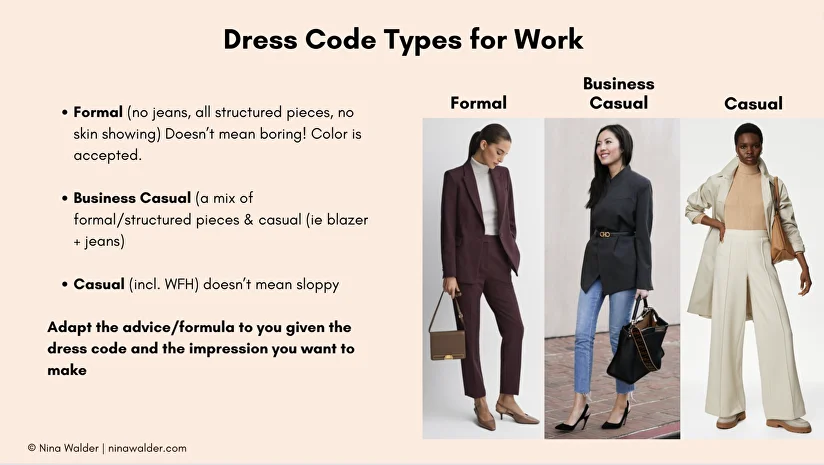
Smart Casual And Formal: Dress Codes In The Workplace
Workplaces set their own rules. Here’s how smart casual and formal fit in:
Smart Casual Workplaces
- Tech companies
- Creative agencies
- Startups
- Education and nonprofits
These workplaces value comfort and personality. You can mix colors and accessories.
Formal Workplaces
- Finance and banking
- Law firms
- Government offices
- Corporate boardrooms
Formal is expected in these environments. Stick to classic suits, dresses, and minimal accessories.
One common mistake: Assuming all offices allow smart casual. Some industries require formal even for daily work.
Credit: ninawalder.com
Smart Casual And Formal: Impact On Career And Confidence
Dress codes affect how people see you. Dressing correctly can boost your confidence and open opportunities.
- Formal outfits signal professionalism, reliability, and respect.
- Smart casual shows creativity, flexibility, and approachability.
Studies show that dressing well improves performance and self-esteem. According to a report by the Harvard Business Review, people who dress formally are often seen as leaders and decision-makers.
Tip: Match your outfit to the event’s goals. If you want to impress, choose formal. If you want to build relationships, smart casual can help.
Smart Casual And Formal: Sustainability And Modern Trends
Fashion is changing. Many women now want sustainable, ethical clothing. Both smart casual and formal can fit into this trend.
- Choose brands that use eco-friendly fabrics.
- Buy fewer, high-quality pieces instead of fast fashion.
- Tailor old clothes to create new looks.
Modern smart casual allows recycled materials and relaxed fits. Formal wear is getting more comfortable, with stretchy fabrics and practical designs.
One insight: You don’t need a huge wardrobe to dress well. Five to eight smart casual pieces and three to four formal outfits are enough for most women.
Smart Casual And Formal: Cost And Investment
Cost is a big factor. Here’s how to balance quality and budget:
Smart Casual
- Buy basics from mid-range brands.
- Invest in a few high-quality items.
- Use accessories to refresh outfits.
Formal
- Spend more on suits, dresses, and shoes.
- Tailoring is worth the investment.
- Rent or borrow for special events.
Avoid buying cheap formal wear—it often looks unprofessional. Save on smart casual by mixing and matching.
Smart Casual And Formal: Data And Statistics
Fashion surveys show smart casual is more popular in cities, while formal is preferred for important events.
- 65% of women in major cities choose smart casual for daily work.
- 85% say formal dress codes help them feel more confident at interviews.
- 40% report owning at least one tailored suit for formal occasions.
Formal events happen less often, but the impact is bigger. Smart casual is used for routine days, but formal is saved for milestones.
Smart Casual And Formal: Quick Decision Guide
If you’re unsure which dress code to choose, follow this simple guide:
- Check the event or workplace rules.
- Consider the time of day (daytime favors smart casual, evening leans formal).
- Think about your role—speakers or leaders should dress formal.
- Prepare to upgrade a smart casual outfit with a blazer or heels if needed.
This guide helps you avoid common mistakes and always look appropriate.
Frequently Asked Questions
What Is The Biggest Difference Between Smart Casual And Formal For Women?
The biggest difference is the level of structure and polish. Smart casual allows relaxed fits and playful accessories, while formal requires tailored, elegant pieces and minimal accessories. Formal is stricter and reserved for important events.
Can I Wear Jeans In Smart Casual?
Yes, you can wear dark, tailored jeans in smart casual, but avoid rips, distress, or overly casual styles. Pair jeans with a blouse, blazer, or neat shoes to keep the look polished.
What Shoes Are Best For Formal Events?
The best shoes for formal events are classic pumps or closed-toe heels in neutral colors. Avoid flats, sandals, or sneakers. For evening events, metallic or patent leather pumps add elegance.
How Can I Transition An Outfit From Smart Casual To Formal?
To transition, swap casual shoes for heels, add a structured blazer, and use elegant jewelry like pearls or diamonds. Choose a classic clutch instead of a casual bag. Hair and makeup should also look more polished.
Are There Sustainable Options For Smart Casual And Formal?
Yes, many brands now offer eco-friendly and ethical pieces for both smart casual and formal. Look for recycled fabrics, organic cotton, and brands that support fair labor. You can tailor or reuse old clothes for new outfits. For more information, visit Sustainable Fashion.
Smart casual and formal dress codes are more than just fashion—they affect your confidence, career, and how others see you. Learning the difference helps you make smart choices and always look your best. Whether you’re dressing for work, an event, or everyday life, you now have the tools to shine.
