

Which Shoes for Business Casual: Top Picks for Effortless Style
Finding the right shoes for business casual outfits can be confusing. The rules are not as strict as formal dress codes, but you still need to look professional and stylish. Shoes play a big role in how people see you at work.
They can make your outfit look polished, relaxed, or even messy. If you pick the wrong shoes, your whole look can feel off. This guide will help you understand which shoes work best for business casual, why they matter, and how to choose the right pair for your workplace and personal style.
Many people think business casual means wearing anything except sneakers or sandals. But there’s more to it. You must balance comfort, professionalism, and style. Some shoes are perfect for business casual, while others can ruin your outfit. This article gives you clear advice, practical examples, and data to help you make smart choices.
You’ll learn the main types of shoes, how to match them with clothes, and mistakes to avoid. By the end, you’ll feel confident picking the right shoes every day.
What Does Business Casual Mean For Shoes?
Business casual is a dress code used in many offices. It’s less formal than traditional business wear, but you still need to look neat and professional. Shoes are a big part of this. They should be clean, well-maintained, and suitable for work.
Business casual shoes should:
- Look polished but not too formal
- Be comfortable for a full day at work
- Match your outfit and office environment
Some workplaces are stricter, while others are more relaxed. Always check your company’s policy. If you’re unsure, it’s better to dress up a little than dress down.
Shoes That Fit Business Casual
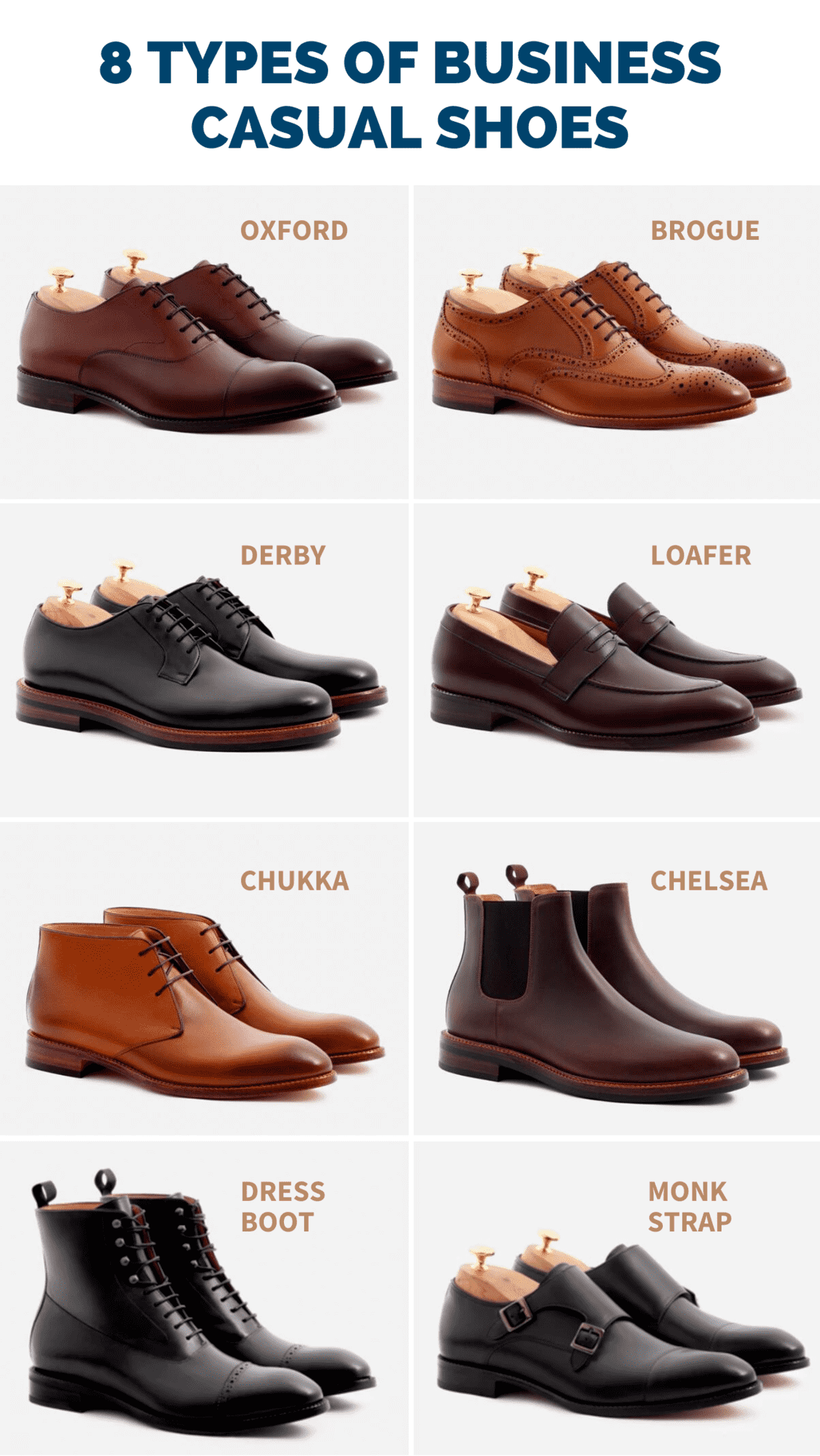
Most business casual shoes fall into these categories:
- Loafers
- Oxfords and Derbies
- Brogues
- Monk straps
- Chelsea boots
- Chukka boots
- Dress sneakers (only in relaxed offices)
- Ballet flats (for women)
- Block heels (for women)
- Mules (for women)
Each type offers a different look and level of formality.
Shoes To Avoid
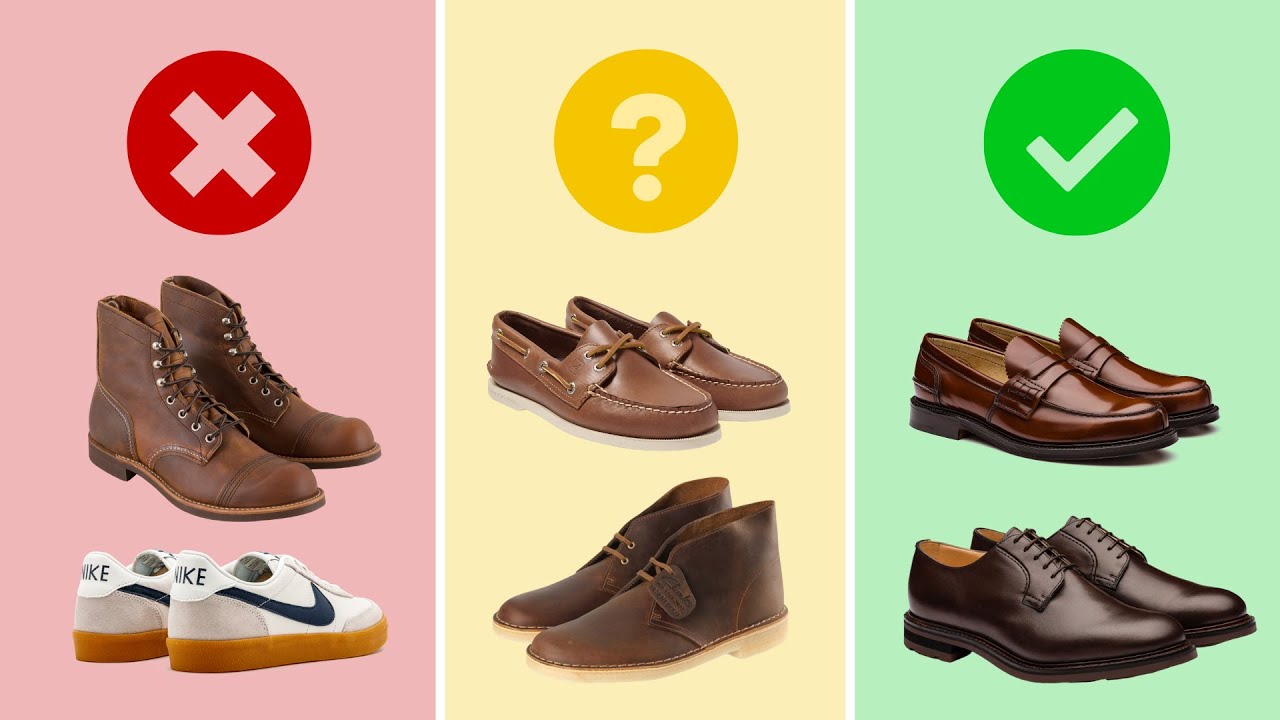
Some shoes never fit business casual:
- Flip-flops and sandals
- Athletic sneakers
- Hiking boots
- Old or dirty shoes
- Shoes with flashy colors or logos
Even if your office is relaxed, these options can make you look unprofessional.
Key Types Of Business Casual Shoes
Choosing the right shoe depends on your style, office culture, and comfort needs. Here’s a closer look at the main types and what makes them suitable.
Loafers
Loafers are slip-on shoes without laces. They’re popular because they are easy to wear and look smart. Loafers work with slacks, chinos, and even dress jeans. There are several styles:
- Penny loafers: Classic and simple, great for most offices.
- Bit loafers: Have a metal detail, a bit more stylish.
- Tassel loafers: Add a touch of personality.
Loafers are ideal for men and women who want a mix of comfort and style.
Oxfords And Derbies
These are lace-up shoes. Oxfords have closed lacing, making them slightly more formal. Derbies have open lacing, which is a bit more relaxed.
Oxfords and Derbies are perfect for important meetings or days you need to look sharp. They pair well with dress pants and blazers.
Brogues
Brogues are shoes with decorative holes along the edges. They’re stylish but still professional. You can find brogues in both Oxford and Derby styles.
Brogues add texture and interest to your outfit. They’re good for creative offices or when you want to stand out a little.
Monk Straps
These shoes use a buckle instead of laces. Monk straps look modern and smart. Single monk straps are simpler, while double straps are more eye-catching.
Monk straps are great for people who want something different from traditional lace-ups but still need to look polished.
Chelsea Boots
Chelsea boots are ankle boots with elastic sides. They’re easy to slip on and off. Chelsea boots look sleek and work with dress pants, chinos, and even skirts.
They’re popular in cooler months but can be worn year-round.
Chukka Boots
Chukka boots are simple, lace-up ankle boots. They’re less formal than Chelsea boots but still professional. Chukkas pair well with business casual pants and can handle rainy or cold days.
Dress Sneakers
Some offices allow dress sneakers. These are low-profile, leather or suede sneakers with minimal logos or decorations. They’re comfortable and modern but only work in relaxed environments.
Ballet Flats
For women, ballet flats are a classic choice. They’re comfortable, professional, and work with many outfits, including slacks, skirts, and dresses.
Block Heels
Block heels are shoes with a thick, sturdy heel. They’re easier to walk in than stilettos and look professional. Block heels suit most business casual outfits.
Mules
Mules are backless shoes. They’re stylish and easy to wear. Choose a closed-toe mule for a more professional look.
Comparing Popular Shoe Types
To help you choose, here’s a comparison of the most common business casual shoes:
| Shoe Type | Formality Level | Comfort | Best For |
|---|---|---|---|
| Loafers | Medium | High | Everyday office |
| Oxfords | High | Medium | Formal meetings |
| Brogues | Medium | Medium | Creative offices |
| Monk Straps | Medium | Medium | Stylish professionals |
| Chelsea Boots | Medium | High | Cooler months |
| Dress Sneakers | Low | High | Relaxed offices |
| Ballet Flats | Medium | High | Women’s daily wear |
| Block Heels | Medium | Medium | Women’s meetings |
| Mules | Low-Medium | High | Women’s stylish offices |
How To Choose The Right Business Casual Shoes
Picking the best shoes depends on a few key factors. If you follow these steps, you’ll avoid common mistakes and feel confident in your choices.
1. Know Your Office Culture
Some offices are more traditional, while others are relaxed. Look at what your coworkers wear. If most people wear Oxfords and loafers, dress sneakers may not fit in. If people wear jeans with dress shoes, you can be more flexible.
2. Match Your Shoes To Your Outfit
Your shoes should match the rest of your look. If you wear dress pants, choose loafers, Oxfords, or brogues. For chinos or smart jeans, Chelsea boots or dress sneakers can work.
Women can pair ballet flats or block heels with slacks or skirts. Mules work with modern outfits, but avoid open-toe styles for formal days.
3. Focus On Comfort
You spend many hours on your feet at work. Pick shoes with good support and cushioning. Avoid shoes that pinch or rub. If you walk a lot, choose soft leather or padded soles.
4. Choose The Right Color
Classic colors work best:
- Black: Always professional, matches most outfits.
- Brown: Warm and versatile, especially with earth tones.
- Navy: Modern, pairs well with gray or blue clothes.
- Tan: Good for summer or lighter outfits.
Avoid bright colors or flashy patterns unless your office is very creative.
5. Keep Shoes Clean And Maintained
Even the best shoes look bad if they’re dirty or worn out. Clean your shoes regularly. Replace laces and polish leather. If soles are worn, get them repaired.
How Shoes Affect Your Business Casual Style
Shoes can change your whole look. A pair of polished loafers makes a casual outfit look smarter. Dress sneakers can make business clothes feel more relaxed. Boots can add strength and confidence.
Data: Shoes And Professional Perception
A survey by CareerBuilder found that 36% of employers notice shoes first when judging a person’s professionalism. Dirty or worn shoes can make people think you don’t care about details. Well-chosen shoes help you look reliable and confident.
Another study showed that workers who dress well, including shoes, are more likely to get promoted. Shoes are not just about comfort—they’re about showing respect for your workplace.
Business Casual Shoes For Different Seasons
Your shoe choice changes with the weather. Here’s how to adapt:
Warm Weather
- Loafers (without socks)
- Ballet flats
- Dress sneakers
- Light-colored brogues
- Mules
Choose breathable materials like leather or canvas.
Cold Weather
- Chelsea boots
- Chukka boots
- Block heels (with tights)
- Monk straps (with thicker socks)
Pick shoes with good grip and warmth.
Common Mistakes When Choosing Business Casual Shoes
Even experienced professionals make mistakes. Here are some to avoid:
- Wearing athletic sneakers or sandals
- Choosing shoes with flashy logos or colors
- Pairing casual shoes with formal clothes (and vice versa)
- Ignoring shoe maintenance
- Forgetting about comfort
A less obvious mistake is buying shoes that look good but don’t match your office’s culture. Another is picking trendy shoes that quickly go out of style.
Men’s Business Casual Shoe Recommendations
Men have many options. Here are practical picks for different needs:
- Loafers: Perfect for daily wear. Try black or brown leather.
- Oxfords/Derbies: For important meetings or interviews.
- Brogues: Add interest to simple outfits.
- Monk straps: Show style and confidence.
- Chelsea boots: Good for winter or rainy days.
- Dress sneakers: Only for relaxed offices.
Choose shoes that fit well. If you’re unsure, classic styles in neutral colors are safest.
Men’s Shoe Comparison: Comfort Vs. Style
Here’s a quick look at comfort and style scores for popular men’s business casual shoes:
| Shoe Type | Comfort Score (1-10) | Style Score (1-10) |
|---|---|---|
| Loafers | 8 | 8 |
| Oxfords | 7 | 9 |
| Brogues | 7 | 8 |
| Monk Straps | 6 | 9 |
| Chelsea Boots | 8 | 8 |
| Dress Sneakers | 9 | 7 |
Women’s Business Casual Shoe Recommendations
Women have a wider range of styles. Here are solid options:
- Ballet flats: Comfortable and classic
- Block heels: Good for meetings or presentations
- Mules: Modern, best with closed-toe styles
- Loafers: Stylish and practical
- Chelsea boots: Perfect for fall and winter
Pick shoes that support your feet and match your outfit. If you walk a lot, avoid high heels and choose flats or block heels.
Women’s Shoe Comparison: Versatility Vs. Comfort
Here’s a table comparing versatility and comfort for women’s business casual shoes:
| Shoe Type | Versatility Score (1-10) | Comfort Score (1-10) |
|---|---|---|
| Ballet Flats | 9 | 9 |
| Block Heels | 8 | 7 |
| Mules | 7 | 8 |
| Loafers | 8 | 9 |
| Chelsea Boots | 7 | 8 |
Color And Material Choices For Business Casual Shoes
Material and color matter as much as style. Here’s what works best:
Materials
- Leather: Durable, professional, easy to clean
- Suede: Softer, stylish, needs more care
- Canvas: Good for relaxed offices and summer
- Patent: Shiny, formal, best for special occasions
Leather is safest for most workplaces.
Colors
Stick to classic shades:
- Black: Always fits
- Brown/tan: Versatile
- Navy/gray: Modern
- Burgundy: Adds subtle style
Avoid neon or very light colors unless your office is creative.
How To Match Shoes With Business Casual Outfits
Matching shoes to your clothes can be tricky. Here are practical tips:
- If you wear dark pants, pick black or dark brown shoes.
- With light pants, tan or light brown shoes work.
- For skirts and dresses, flats, block heels, or Chelsea boots are ideal.
- Avoid mixing very formal shoes with casual clothes.
A less obvious tip: match your belt to your shoes, especially for men. This creates a unified look.
Practical Examples Of Business Casual Shoe Pairings
Here are real-world outfit ideas:
- Men: Navy chinos, white shirt, brown loafers
- Men: Gray slacks, blazer, black Oxfords
- Women: Black dress pants, cream blouse, burgundy block heels
- Women: Midi skirt, fitted sweater, tan ballet flats
- Men: Dark jeans, polo shirt, Chelsea boots
- Women: Slim pants, button-up shirt, navy loafers
The right shoes complete each outfit and make you look professional.
Credit: www.themodestman.com
Business Casual Shoes For Different Industries
Some industries have unique rules. Here’s how to adapt:
- Finance and law: Stick to Oxfords, loafers, block heels, and ballet flats
- Tech: Dress sneakers, loafers, Chelsea boots, mules
- Creative industries: Brogues, monk straps, colorful flats, stylish boots
If you change jobs, check the culture before buying new shoes.
Buying Tips And Mistakes To Avoid
When shopping for business casual shoes:
- Try shoes on at the end of the day (your feet are largest then)
- Walk around the store to test comfort
- Check for quality stitching and materials
- Avoid shoes that feel tight or rub
Mistakes:
- Buying shoes online without checking fit
- Ignoring return policies
- Focusing only on style, not comfort
A surprising tip: check the heel and sole height. Too high or too flat can cause pain. Look for shoes with a slight heel or arch support.

Credit: www.menshealth.com
Business Casual Shoe Care
Taking care of your shoes extends their life and keeps you looking sharp.
- Clean shoes regularly with proper products
- Store them in a cool, dry place
- Use shoe trees for leather shoes to keep their shape
- Rotate pairs to avoid wearing out one too quickly
If shoes get wet, dry them slowly. Fast drying can ruin the material.
Sustainable And Ethical Shoe Choices
Many people now care about sustainability. Look for brands that use eco-friendly materials or ethical labor practices. Avoid cheap shoes that wear out fast—invest in quality pairs.
Some companies offer recycling programs or use recycled materials. This is better for the environment and shows you care about more than just style.
If you want to learn more, visit Good On You for ethical brand ratings.
Credit: www.youtube.com
Frequently Asked Questions
What Shoes Are Never Business Casual?
Flip-flops, athletic sneakers, hiking boots, and any shoes with flashy logos or bright colors are never business casual. Always choose shoes that look clean, professional, and match your outfit.
Can I Wear Sneakers In A Business Casual Office?
Only wear dress sneakers in relaxed workplaces. They should be leather or suede, low-profile, and without large logos. Avoid athletic sneakers.
Are Open-toe Shoes Ok For Business Casual?
Open-toe shoes are usually not allowed unless your office is very relaxed. Closed-toe shoes look more professional and are safer for most environments.
How Do I Know If My Shoes Are Too Casual?
Check the material, color, and style. If your shoes look like something you’d wear to the gym or beach, they’re too casual. Shoes should be clean, polished, and simple.
How Many Pairs Of Business Casual Shoes Should I Own?
It’s best to own at least two pairs. This lets you rotate and avoid wearing out one too quickly. Having a mix of loafers, boots, and flats gives you flexibility for different outfits and seasons.
Finding the right business casual shoes is about balancing style, comfort, and professionalism. With the tips and examples in this guide, you can make smart choices that fit your workplace and personal style. Remember, shoes are not just the finishing touch—they’re a key part of how you present yourself at work.
Choose wisely and keep your shoes in good shape, and you’ll always look your best.
