

Which Dress Code is Business Casual? Your Ultimate Guide
Which Dress Code Is Business Casual
Business casual is one of the most common dress codes in modern workplaces, but it’s also one of the most confusing. Many employees, job seekers, and managers wonder: What does business casual really mean? How does it differ from formal business attire or smart casual? What should you wear to make a good impression while staying comfortable and appropriate?
In this article, you’ll find clear answers and practical guidance about business casual. We’ll look at its main elements, show examples for men and women, discuss how it changes across industries, and help you avoid common mistakes. You’ll also see real-world comparisons and tips for choosing the right outfit.
If you want to dress professionally without feeling overdressed, this guide will help you understand and master business casual.
What Is Business Casual?
Business casual is a dress code that blends professional and relaxed clothing. It’s less formal than traditional business attire but more polished than casual wear. The goal is to look neat, comfortable, and ready for work without wearing a suit and tie every day.
Most workplaces use business casual to create a flexible, approachable atmosphere. Employees can express their personality and stay comfortable, but still look professional and respectful. Business casual is popular in offices, tech companies, creative agencies, and many customer-facing roles.
Key Elements Of Business Casual
- Professional appearance: Clean, well-fitted, and modest clothing.
- Comfort: Clothes should be easy to move in and not too tight.
- No formal suit or tie: Usually, jackets and ties are optional.
- Avoiding extremes: Not too casual (like gym wear or shorts), and not too formal (like tuxedos).
Business Casual Vs Other Dress Codes
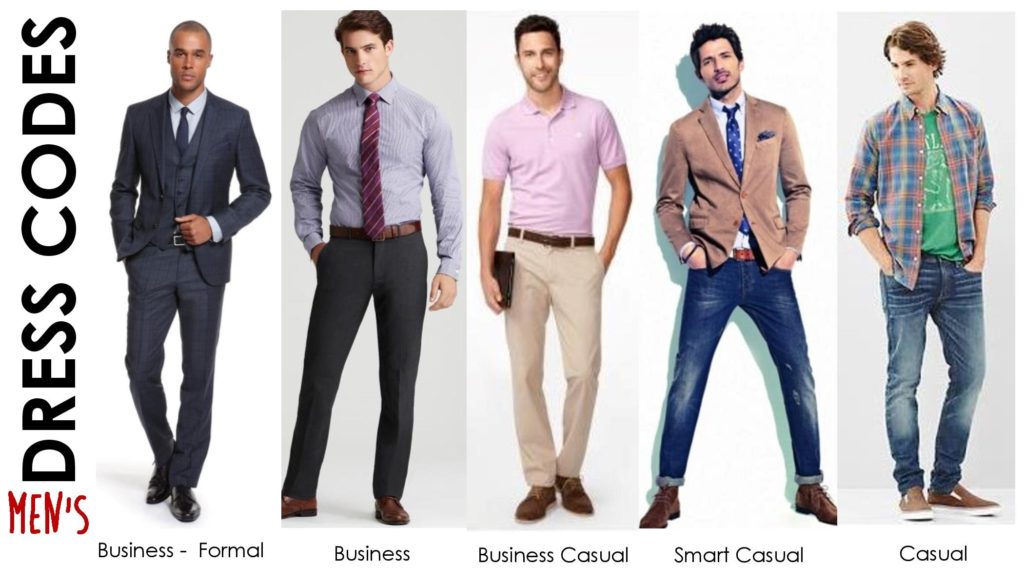
To better understand business casual, let’s compare it with other common dress codes:
| Dress Code | Main Features | Typical Clothing |
|---|---|---|
| Formal Business | Very professional, strict rules | Suit, tie, dress shirt, dress shoes |
| Business Casual | Professional but relaxed | Dress pants, collared shirt, blouse, skirt |
| Smart Casual | Stylish, less formal than business casual | Dark jeans, trendy tops, blazer |
| Casual | Comfortable, no dress code | T-shirts, jeans, sneakers |
Business casual sits between formal business and smart casual. It’s not as strict as formal business, but not as loose as smart casual or everyday casual.
The Core Components Of Business Casual
Business casual usually includes several basic pieces. Each item should look clean and professional, and fit the workplace culture.
For Men
- Dress pants (slacks or chinos)
- Collared shirts (button-down or polo)
- Sweaters or cardigans (optional)
- Blazer (optional, not required)
- Dress shoes or loafers
- Belts (leather, simple style)
For Women
- Dress pants or skirts
- Blouse or collared shirt
- Sweaters, cardigans, or blazers
- Closed-toe shoes (flats, loafers, low heels)
- Simple accessories
Let’s see a breakdown of what’s usually accepted and what’s avoided:
| Accepted | Not Accepted |
|---|---|
| Ironed dress pants | Ripped jeans, shorts |
| Collared shirts | T-shirts with logos |
| Blouses, sweaters | Tank tops, crop tops |
| Simple dresses, skirts | Mini skirts, flashy patterns |
| Closed-toe shoes | Flip-flops, sneakers (unless allowed) |
Most companies allow some flexibility, but the main goal is to avoid extremes. If you’re not sure, it’s safer to choose classic, well-fitted clothes.
Why Business Casual Matters
Business casual is more than just clothes. It sends a message about your attitude and respect for the workplace. Dressing correctly can help you:
- Build trust: Clients and coworkers see you as reliable.
- Feel confident: You’re prepared for meetings and tasks.
- Blend in: You fit the company’s culture and rules.
Some studies show that dress codes affect productivity and teamwork. For example, a survey by Gallup found that 55% of employees feel more comfortable and focused in business casual environments. Companies also use business casual to attract new talent and make the office feel welcoming.
Business Casual For Men
Business casual for men is simple, but choosing the right pieces makes a big difference. Here’s a practical guide to building a business casual wardrobe.
Dress Pants
The foundation is dress pants. Choose slacks or chinos in neutral colors like navy, gray, or beige. Avoid jeans unless your company allows them. Pants should fit well—not too loose, not too tight.
Shirts
Collared shirts are essential. Button-down shirts (long or short sleeves) look professional. Polo shirts are sometimes allowed, but avoid loud colors or patterns. Tuck in your shirt for a neat look.
Sweaters And Blazers
Sweaters and cardigans add warmth and style. Choose simple colors and avoid flashy designs. Blazers are optional, but they can help for meetings or presentations.
Shoes
Wear dress shoes, loafers, or simple leather shoes. Sneakers are usually not allowed unless the policy is very relaxed. Socks should match the pants or shoes.
Accessories
Keep accessories minimal. A leather belt, watch, and simple tie (if required) are fine. Avoid hats or caps in the office.
Example Outfit
- Navy chinos
- Light blue button-down shirt
- Brown leather belt and loafers
- Gray sweater (optional)
This look is comfortable, stylish, and fits most business casual offices.
Business Casual For Women
Women have more choices, but the main idea is still to look polished and comfortable. Here’s what works best.
Dress Pants And Skirts
Choose dress pants or skirts in neutral tones. Skirts should reach at least the knee. Avoid mini skirts, leggings, or very tight pants.
Tops
Blouses, collared shirts, and simple sweaters are perfect. Patterns are fine if they’re subtle. Avoid low-cut tops, spaghetti straps, or flashy prints.
Dresses
Simple dresses are allowed, but they should not be too short or revealing. Classic cuts and moderate colors work best.
Shoes
Closed-toe shoes are safest. Flats, loafers, and low heels are popular. Avoid sandals, flip-flops, or high heels over three inches.
Accessories
Use simple jewelry and bags. Scarves can add style, but keep them subtle. Makeup should be natural.
Example Outfit
- Black dress pants
- White blouse
- Gray cardigan
- Black flats
- Small silver earrings
This outfit fits most offices and shows respect for the dress code.
Business Casual In Different Industries
Business casual can change depending on your industry. Some companies are strict, while others are relaxed. Let’s compare a few examples:
| Industry | Common Business Casual | Special Notes |
|---|---|---|
| Finance | Dark dress pants, collared shirt, blazer | More formal; avoid jeans |
| Tech | Chinos, polo shirt, sneakers | Often relaxed, jeans allowed |
| Education | Dress pants, blouse, sweater | Comfort is important |
| Retail | Simple dress, flats | Must look approachable |
Some companies have their own rules. Always check your company handbook or ask HR if you’re not sure.
How To Build A Business Casual Wardrobe
Building a business casual wardrobe doesn’t have to be expensive or stressful. Here’s a practical approach:
- Start with basics: Buy a few pairs of dress pants and simple shirts.
- Choose neutral colors: Navy, black, gray, white, and beige match easily.
- Add layers: Sweaters, cardigans, and blazers for colder days.
- Pick comfortable shoes: Flats, loafers, or low heels.
- Keep accessories simple: One watch, belt, or necklace.
With these basics, you can mix and match for different days. Over time, add more pieces as your budget allows.
Smart Shopping Tips
- Look for wrinkle-free fabrics to save time.
- Buy clothes that can be washed easily.
- Check thrift stores or sales for deals.
- Avoid trendy items that go out of style quickly.
A well-planned wardrobe makes mornings easier and helps you always look professional.
Common Mistakes In Business Casual
Even experienced professionals make mistakes with business casual. Here are some errors to avoid:
- Too casual: Wearing gym clothes, shorts, or flip-flops.
- Too formal: Wearing a full suit when not required.
- Poor fit: Baggy or tight clothes look sloppy.
- Over-accessorizing: Flashy jewelry or hats distract from your look.
- Ignoring company culture: Not checking the dress code before choosing clothes.
One insight many beginners miss: Cleanliness matters more than brand. Even expensive clothes can look bad if they’re wrinkled or dirty. Always check your outfit for stains or damage before leaving home.

Credit: www.youtube.com
Business Casual For Different Occasions
Business casual changes for special events. Here’s how to adapt:
Interviews
Dress slightly more formal for interviews. Men can wear a blazer, and women can choose a dress or skirt with a blouse. Avoid jeans or sneakers.
Presentations
If you’re speaking in front of clients or managers, add a blazer or tie. Looking more polished shows respect.
Company Parties
Casual Fridays or office parties may allow jeans or sneakers. Ask your manager if you’re unsure.
Travel
When traveling for work, choose comfortable clothes that fit the business casual style. Wrinkle-free pants and layers help.
Business Casual For Remote Work
With more remote jobs, business casual is changing. Many companies don’t require strict dress codes at home. However, for video calls or virtual meetings, you should still look professional.
Tips for remote business casual:
- Wear a clean shirt or blouse.
- Avoid pajamas or tank tops.
- Use natural lighting and a tidy background.
- Dress from waist up if only your top is visible.
Professional appearance helps you feel focused and respected, even online.
Business Casual For Plus Size And Different Body Types
Finding business casual clothes for different body types can be challenging. Here are some practical ideas:
- Choose clothes with stretch fabrics for comfort.
- Look for brands with inclusive sizing.
- Use layers to balance proportions.
- Avoid very tight or loose items.
- Try different styles to find what feels best.
Many stores now offer plus-size and petite options. Comfort and confidence are most important.
Business Casual In Hot And Cold Weather
Weather affects your clothing choices. Here’s how to adjust:
Hot Weather
- Wear lightweight fabrics (cotton, linen).
- Choose short sleeves or sleeveless blouses (if allowed).
- Avoid heavy layers.
- Stick to closed-toe shoes.
Cold Weather
- Layer with sweaters or cardigans.
- Use scarves and jackets.
- Choose thicker fabrics (wool, blends).
- Wear boots if allowed.
Always check your company policy for seasonal changes.
Business Casual Around The World
Business casual is common in the US, Canada, UK, and Australia, but rules vary worldwide. In some cultures, business casual is more formal. For example, in Japan, men may always wear a jacket. In Europe, dark colors and polished shoes are standard.
If you work with international teams, ask about local customs. Respecting cultural differences shows professionalism.
Business Casual For Younger Workers
Young professionals sometimes struggle with business casual. Here’s how to avoid common pitfalls:
- Don’t rely on trendy items or jeans.
- Choose classic pieces that fit well.
- Ask senior coworkers for advice.
- Observe what others wear and match the tone.
A simple, neat outfit is always safer than a risky fashion choice.
How To Check Your Company’s Business Casual Policy
Every company is different. Here’s how to confirm the dress code:
- Read the employee handbook.
- Ask HR or your manager.
- Observe what coworkers wear.
- Look for official emails or memos.
If you’re unsure, dress slightly more formal until you learn the rules.
Data: How Employees Feel About Business Casual
Surveys show most workers prefer business casual. According to a recent poll by LinkedIn, 61% of employees feel more comfortable and productive in business casual settings. Only 14% want formal business attire every day.
Reasons for preference:
- Comfort: Easier to focus on work.
- Personal expression: Allows more style.
- Cost savings: Less need for expensive suits.
Companies with flexible dress codes often see higher morale and teamwork.

Credit: www.hockerty.com
Business Casual Vs Smart Casual: A Closer Look
Many people confuse business casual with smart casual. Here’s a simple comparison:
| Feature | Business Casual | Smart Casual |
|---|---|---|
| Pants | Dress pants or chinos | Dark jeans or tailored pants |
| Shirts | Collared shirts, blouses | Stylish tops, trendy shirts |
| Shoes | Dress shoes, loafers | Sneakers (if clean), boots |
| Accessories | Minimal, classic | Fashion-forward, statement pieces |
Smart casual is more modern and stylish, while business casual is safer and more traditional. Always check which is required before dressing.
Tips For Making Your Business Casual Stand Out
You don’t have to look boring in business casual. Here’s how to add personality:
- Choose a colorful accessory (tie, scarf, necklace).
- Use subtle patterns (checks, stripes).
- Wear a stylish belt or watch.
- Pick shoes with a hint of color.
- Layer with a cardigan or blazer.
Small touches make your outfit unique but still professional.
Real-world Examples
Let’s look at some business casual outfits for different roles:
- Accountant: Gray dress pants, white button-down, black loafers.
- Designer: Navy chinos, patterned blouse, brown flats.
- Teacher: Black skirt, pastel sweater, simple necklace.
- Salesperson: Beige slacks, blue collared shirt, brown belt.
Each outfit fits the business casual dress code but shows personality.
The Importance Of Grooming In Business Casual
Clothes are only part of business casual. Grooming matters too:
- Hair should be neat and clean.
- Nails must be trimmed and tidy.
- Avoid strong perfumes or colognes.
- Keep makeup natural.
Good grooming supports your professional image.
Business Casual For Tall And Short People
Height affects how clothes fit. Here are some specific tips:
Tall People
- Look for longer shirts and pants.
- Avoid very short jackets.
- Use belts to break up long lines.
Short People
- Choose fitted clothes, not baggy.
- Use vertical lines (pinstripes) to add height.
- Avoid oversized accessories.
Many brands now offer tall and petite sizes for better fit.
How To Transition From Business Casual To Formal
Sometimes you need to switch from business casual to formal. Here’s how:
- Add a blazer or jacket.
- Use a tie or scarf.
- Change to formal dress shoes.
- Swap a blouse for a crisp dress shirt.
Keep a spare jacket or tie at work for surprise meetings.
Credit: gardner-webb.edu
The Future Of Business Casual
Business casual is evolving. As workplaces become more flexible, dress codes will continue to change. Remote work, creative roles, and new industries allow more freedom. Still, looking professional and respectful will always be important.
One non-obvious insight: Technology is changing how we dress. Smart fabrics, wrinkle-free materials, and online shopping make business casual easier than ever.
Frequently Asked Questions
What Is Considered Business Casual For Men?
Business casual for men includes dress pants, collared shirts, sweaters, and dress shoes. Blazers and ties are optional. Avoid jeans, shorts, and sneakers unless your company allows them.
Can Women Wear Jeans In Business Casual?
Some companies allow dark, plain jeans for women as part of business casual. Always check your company policy. If not sure, choose dress pants or a skirt.
Are Sneakers Business Casual?
Usually, sneakers are not business casual. However, some tech and creative companies allow clean, simple sneakers. Confirm with your manager or HR before wearing them.
What Colors Are Best For Business Casual?
Neutral colors like navy, black, gray, white, and beige are safest. You can add a hint of color with accessories, but avoid loud or flashy shades.
How Do I Know If My Outfit Is Business Casual?
Ask yourself: Is it neat, professional, and comfortable? Does it avoid extremes like shorts, flip-flops, or suits? If yes, your outfit is likely business casual. When in doubt, dress slightly more formal.
Business casual is about balancing professionalism and comfort. By understanding the guidelines and using your own style, you can look confident and ready for any workplace. For more detailed dress code information, you can visit Wikipedia. With these tips, you’ll never have to wonder what business casual means again.
