

How Much Does a Business Casual Outfit Cost in 2024?
Choosing the right business casual outfit is a challenge for many people. You want to look professional, feel comfortable, and stay within your budget. But how much should you expect to spend on business casual clothing? Prices can vary depending on where you shop, which items you select, and how you mix and match.
This guide helps you understand the real costs, shows you what matters when shopping, and gives practical advice for building a business casual wardrobe that fits your needs—whether you’re starting fresh or updating your closet.
What Is Business Casual?
Business casual is a dress code that blends professionalism with comfort. It’s less formal than traditional business wear, but more polished than casual clothes. Most workplaces want employees to look neat and approachable, but not overdressed.
Typical business casual items include:
- Collared shirts (button-ups or polos)
- Blouses
- Slacks or chinos
- Knee-length skirts
- Dress shoes (loafers, flats, low heels)
- Sweaters or cardigans
In many offices, the business casual dress code allows a bit of personal style. For example, a patterned blouse or a colorful sweater can brighten your outfit without looking unprofessional. Men might wear polos instead of button-up shirts, while women can wear tailored pants or a simple dress. But there are boundaries: avoid items like ripped jeans, shorts, graphic T-shirts, sneakers, or sandals. The goal is to look tidy and ready for work, but not stiff or formal.
Some companies give guidelines or show examples of acceptable business casual outfits. If your workplace is strict, stick to more classic pieces. If the culture is relaxed, you have more freedom to add colors or patterns. When in doubt, choose safe options: neutral colors, clean lines, and modest fits.
Key Pieces In A Business Casual Outfit
Building a business casual outfit means combining several items. Here’s what most people need:
- Shirt or blouse
- Pants or skirt
- Shoes
- Sweater or blazer (optional, but often useful)
- Accessories (belt, watch, bag)
Each piece can vary in cost. Some items are more expensive than others, but smart choices help you balance price and quality.
For men, a button-up shirt or polo and a pair of chinos is a standard combination. For women, a blouse and knee-length skirt or tailored pants is common. Both can add a sweater or blazer for extra polish. Accessories matter too: a simple leather belt, a watch, or a classic handbag can complete the look. Don’t forget socks and hosiery, which should match your outfit and look neat.
Some beginners forget about outer layers. A blazer or cardigan is not always required, but it can help when the office is cool or when you want to look more formal. Owning at least one neutral sweater or blazer gives you flexibility.

Credit: stylegirlfriend.com
Average Cost Breakdown
Prices for business casual clothing depend on where you shop: budget stores, mid-range retailers, or high-end brands. Here’s a look at typical price ranges in the US.
| Item | Budget ($) | Mid-range ($) | Premium ($) |
|---|---|---|---|
| Shirt/Blouse | 15–30 | 35–70 | 80–150 |
| Pants/Skirt | 20–40 | 45–90 | 100–200 |
| Shoes | 30–60 | 65–120 | 130–300 |
| Sweater/Blazer | 25–50 | 55–120 | 130–350 |
| Accessories | 10–25 | 30–60 | 70–200 |
If you buy one of each item, your total outfit cost might be:
- Budget: $100–205
- Mid-range: $230–460
- Premium: $410–1200+
Most people mix budget and mid-range items. The real cost depends on your choices and where you shop.
It’s important to note that prices also change based on fabric and brand. For example, a cotton shirt from a budget store may be $20, while the same shirt in linen or silk from a premium brand can cost $100 or more.
Shoes are often the largest single expense; leather loafers from a mid-range brand might last longer than two pairs of cheaper shoes. Accessories, though small, can add up—especially if you buy branded bags or jewelry.
You can also find deals by shopping during sales, using coupons, or buying last season’s items. Outlet stores and online marketplaces sometimes offer premium items at reduced prices. Beginners often overlook these options and pay more than necessary.
Budget Vs. Premium: What Do You Really Get?
Choosing between budget and premium business casual clothing involves more than price. Quality, fit, and style all play a role.
| Factor | Budget | Premium |
|---|---|---|
| Fabric | Basic cotton, synthetic blends | High-quality cotton, wool, silk |
| Durability | Lasts 6–12 months | Lasts 2–5 years |
| Fit | Standard sizes, limited tailoring | Tailored fit, more options |
| Style | Simple designs | Latest trends, unique details |
| Brand | Store brands, fast fashion | Designer labels |
Budget clothes are fine for beginners or anyone who needs to save money. Premium clothes offer better comfort and last longer, but cost much more. Most workers combine both, choosing budget shirts and mid-range shoes, for example.
Premium items often offer invisible benefits. For instance, a premium shirt may keep its shape after many washes, while a budget shirt loses its color or wrinkles easily. Shoes from premium brands are usually more comfortable and can last years with proper care.
Budget clothes are useful for quickly expanding your wardrobe, but you may need to replace them sooner.
One non-obvious insight: sometimes mid-range brands offer better value than premium brands. You get good fabric, better fit, and modern styles without paying designer prices. Also, you can upgrade cheaper clothes by tailoring them—making a $30 pair of pants look and fit like a $150 one.
Where To Shop For Business Casual
Your shopping location affects cost and quality. Here are common options:
Department Stores
Major chains like Macy’s and Nordstrom offer wide selections. Prices range from mid to premium, and you can find sales often. These stores let you try on clothes before buying, which helps with fit. Staff can answer questions about sizing and style.
Department stores usually carry both men’s and women’s options, making shopping convenient.
Fast Fashion Stores
Brands like H&M, Uniqlo, and Zara focus on affordable, trendy pieces. Quality can be lower, but prices are attractive for entry-level workers. These stores update styles often, so you can find current trends without spending much. However, clothes may not last as long.
If you need to refresh your wardrobe quickly, fast fashion is helpful.
Specialty Retailers
Stores like Banana Republic or J. Crew target business casual shoppers. Prices are mid-range, and styles are updated often. You’ll find classic pieces and some modern designs. Staff usually understand business casual needs and can help with sizing or recommendations.
Specialty retailers are a good choice if you want higher quality without paying designer prices.
Outlet Stores
Outlets provide past-season items at discounts. You might find premium brands at lower prices, though sizes and styles may be limited. Outlet shopping requires patience—sometimes you have to visit several stores to find what you need. But the savings can be substantial, especially for blazers and shoes.
Online Shopping
Websites like Amazon, ASOS, and Zappos offer convenience and variety. Comparison shopping is easier online, and reviews can help you choose. Many online shops have free returns, so you can try items at home. However, sizing can be tricky—check size charts and reviews before buying.
Some online stores sell bundles (shirt, pants, shoes) for a single price.
Thrift Stores
Secondhand shops and consignment stores are good for tight budgets. You can find business casual items for $5–$30, but selection varies. Thrift shopping is an art: look for gently used clothes, check for stains or damage, and try everything on. Many premium brands appear in thrift stores, letting you build a high-quality wardrobe for much less.
Some people use local tailor shops or alteration services to upgrade thrift store finds. For example, you might buy a $10 blazer and spend $20 on tailoring, ending up with a $200-quality look.
Real-life Example Outfits And Costs
Let’s look at typical business casual outfits and see how costs add up in real stores.
Example 1: Budget Outfit
- White button-up shirt: $18 (Target)
- Black chinos: $24 (Walmart)
- Brown loafers: $38 (Payless)
- Gray cardigan: $29 (H&M)
- Basic belt: $12 (Amazon)
Total cost: $121
This outfit is simple and reliable for most offices. It’s perfect for someone starting their first job or updating their wardrobe on a tight budget. The pieces are easy to mix with other colors or add a tie or scarf for variety.
Example 2: Mid-range Outfit
- Blue dress shirt: $50 (Banana Republic)
- Navy trousers: $70 (J.Crew)
- Leather loafers: $95 (Clarks)
- Wool blazer: $115 (Nordstrom)
- Leather belt: $38 (Nordstrom Rack)
Total cost: $368
This mid-range outfit looks polished and lasts longer. Each piece can be matched with other items in your wardrobe, giving you more options for the week. The wool blazer adds warmth and style, and leather shoes hold up through daily use.
Example 3: Premium Outfit
- Silk blouse: $120 (Theory)
- Tailored pants: $180 (Hugo Boss)
- Designer flats: $250 (Cole Haan)
- Cashmere sweater: $220 (Ralph Lauren)
- Branded bag: $350 (Michael Kors)
Total cost: $1120
Premium outfits are for those who want lasting quality and unique style. These items feel comfortable, often fit better, and make a strong impression. However, the high price means you should care for them carefully—using garment bags, shoe trees, and following cleaning instructions.
Non-obvious insight: Mixing one premium item (like shoes or a blazer) with budget basics gives a rich look without spending much. Many professionals use this strategy.
Essential Tips For Smart Shopping
Buying business casual clothing is more than picking prices. Here’s how to get the most value:
- Mix and match: Choose neutral colors and classic styles so you can wear items in many combinations.
- Quality over quantity: A few well-made pieces are better than many low-quality ones.
- Shop off-season: Buy sweaters in spring or shirts in fall when stores clear inventory.
- Check care labels: Some fabrics need dry cleaning, which adds cost. Look for machine-washable items.
- Fit matters: Even cheap clothes look good if they fit well. Visit a tailor if needed.
- Use coupons and sales: Wait for discounts at department stores or online.
- Try secondhand: Thrift shops and apps like Poshmark can offer bargains on premium brands.
Most beginners miss the importance of fit and care costs. Clothes that look good but are hard to clean will cost more in the long run. Also, tailoring simple pants or shirts can make budget items look expensive.
Another tip: Buy one or two statement pieces (like a bright scarf or patterned shirt) to add variety. Don’t buy too many “special” items—focus on basics first. If you travel for work, choose wrinkle-resistant fabrics to avoid ironing. Plan your shopping list and avoid impulse buys; this helps you stick to your budget and build a versatile wardrobe.
How Many Outfits Do You Need?
You don’t need a full closet to dress business casual every day. Start with a core wardrobe:
- 3–4 shirts/blouses
- 2–3 pairs of pants/skirts
- 2 pairs of shoes
- 1–2 sweaters or blazers
- 2–3 accessories
This lets you mix and match for a week. Over time, add new pieces as needed. Buying in bulk rarely saves money unless you get steep discounts.
If your job allows casual Fridays, you might need one extra relaxed outfit. If your office is cold or hot, adjust your wardrobe with seasonal items: lighter shirts for summer, thicker sweaters for winter. Some people add a second pair of shoes to rotate and extend their lifespan.
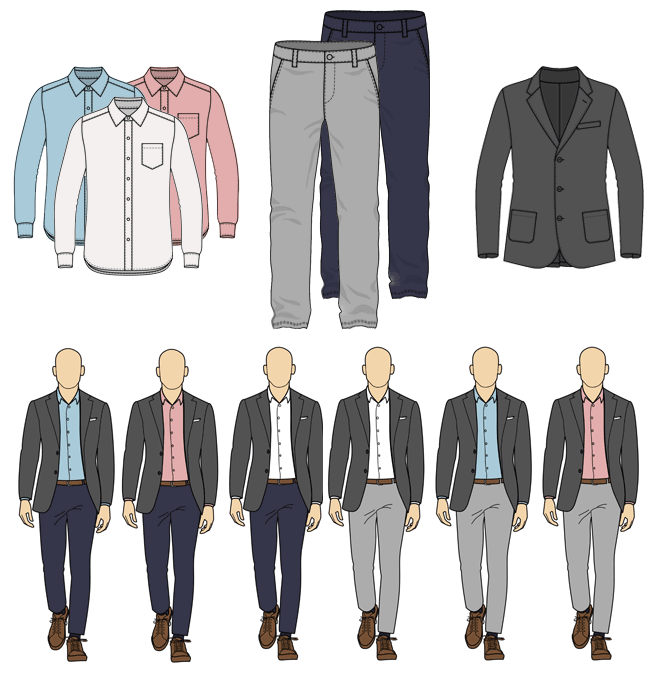
One smart strategy is to build around “anchor” pieces—like a navy pair of pants or a gray blazer—that match with almost everything. This helps create many combinations without buying more.
Cost Comparison: Building A Week’s Wardrobe
Let’s estimate the cost for one week’s worth of business casual clothing (using mid-range prices):
| Item | Quantity | Avg. Price ($) | Total ($) |
|---|---|---|---|
| Shirts/Blouses | 4 | 55 | 220 |
| Pants/Skirts | 3 | 70 | 210 |
| Shoes | 2 | 90 | 180 |
| Sweater/Blazer | 2 | 90 | 180 |
| Accessories | 3 | 40 | 120 |
Total cost for a week’s wardrobe: $910
This is an average estimate. You can lower this by mixing budget items or shopping secondhand.
Some people spend less by skipping accessories or buying only one pair of shoes. If you use the same belt or watch all week, you don’t need multiples. If you buy multi-packs of socks or shirts, cost per item drops.
However, avoid buying too many of the same style; variety keeps your wardrobe fresh.
Hidden Costs To Consider
Business casual clothing has costs beyond the price tag.
Alterations
Tailoring pants or shirts costs $10–$40 per item. Simple changes (like hemming) make clothes fit better and last longer. Most people overlook this, but a small investment in alterations can transform the look of your outfit. If you’re between sizes, tailoring is essential.
Cleaning
Dry cleaning can cost $5–$15 per item. If your clothes need frequent dry cleaning, yearly costs add up. Machine-washable fabrics save money and time. If you own wool or silk items, plan for extra cleaning expenses.
Replacements
Lower-cost items wear out faster. You may need to replace shirts or shoes every 6–12 months. Premium items last longer but cost more upfront. Keep track of wear and tear—shoes and belts often need replacing first.
Accessories
Bags, belts, watches, and jewelry can be expensive. Many people forget to include these in their clothing budget. For example, a decent leather bag can cost $60–$200. Don’t ignore small items; they affect your look and your budget.
Seasonal Changes
You may need extra sweaters or lighter shirts depending on weather. This adds cost each year. If you live in a climate with cold winters, plan for thicker fabrics and more layers. In warmer areas, buy breathable fabrics.
One overlooked cost: storage. Investing in hangers, garment bags, or shoe racks helps your clothes last longer, but costs extra.
Men’s Vs. Women’s Business Casual: Price Differences
Men and women have different needs for business casual outfits. Let’s look at the typical price gaps.
Shirts And Blouses
Men’s shirts usually cost less than women’s blouses, especially in premium brands. Women’s tops often include more design details. For example, a simple men’s shirt may be $40, but a similar women’s blouse can be $60–$80 due to fabric and style.
Pants And Skirts
Women’s pants and skirts can cost more, especially with tailoring. Men’s pants are usually simpler and easier to fit. Skirts often require lining or extra fabric, raising the price.
Shoes
Women’s business casual shoes often cost more, especially for premium brands. Men’s shoes are more likely to last longer, but women’s shoes may need replacing more often. Women also have more style options—flats, heels, loafers—which can lead to buying extra pairs.
Accessories
Women often use more accessories (scarves, jewelry, bags), which increases costs. Men’s accessories are usually limited to belts and watches. Some workplaces expect women to accessorize more, which adds hidden costs.
A non-obvious insight: women’s clothing sizes vary more between brands, so tailoring is often needed. This adds to total wardrobe costs.
How To Save Money Without Sacrificing Style
Building a business casual wardrobe on a budget is possible. Here are proven ways to save:
- Buy basics first: Start with plain shirts, neutral pants, and simple shoes.
- Choose multi-use items: Items that work for both office and casual settings are more valuable.
- Wait for sales: Retailers offer big discounts during holidays and end-of-season sales.
- Shop secondhand: Look for premium brands at thrift stores or online marketplaces.
- Tailor cheap clothes: A $15 alteration can make a $20 shirt look like a $100 one.
- Take care of your clothes: Following care instructions extends item life.
One overlooked tip is buying outfit bundles from some retailers. These bundles offer several items together at a lower total price.
Another tip: trade clothes with friends or family. If you’re the same size, swapping shirts or accessories can refresh your wardrobe at no cost.
Common Mistakes When Buying Business Casual Clothing
Many people waste money or end up with clothes they don’t wear. Here are mistakes to avoid:
- Buying trendy items that go out of style quickly
- Ignoring fit and buying clothes too loose or tight
- Overlooking care labels (dry clean only adds cost)
- Focusing only on price, not quality
- Forgetting to budget for shoes and accessories
- Not checking return policies (especially online)
A non-obvious mistake is buying too many similar items. Having five blue shirts and no variety makes your wardrobe less flexible.
Some beginners also buy clothes for “future use”—like buying a blazer for a future promotion. Instead, focus on what you need now, and update your wardrobe as your job changes.
Cost Over Time: Is Business Casual Cheaper Than Formal?
Business casual is often cheaper than formal business wear, but not always. Formal suits cost more upfront and need special care, but last longer. Business casual clothes are cheaper per item, but you may need more pieces for variety.
If you buy:
- One formal suit: $300–800
- Five business casual outfits: $500–1200
Business casual can cost less, but frequent replacement and care costs may add up. Many workers find business casual easier to maintain, but only if they invest in quality items.
One thing beginners miss: formal wear is “all or nothing”—you need the suit, shirt, tie, and shoes. Business casual lets you start with basics and add over time.

Credit: everydaysavvy.com
How Location Impacts Business Casual Costs
Where you live affects clothing prices. In large cities, costs are higher. Rural areas and small towns often have fewer stores and lower prices.
Online shopping can equalize prices, but delivery fees and return policies vary. Some regions have local brands with good quality at lower prices. Always compare options before buying.
If you travel for work, local prices may surprise you. For example, business casual in New York costs more than in Dallas. Some cities offer more thrift stores or outlets, helping you save.
Sustainable And Ethical Choices
Many shoppers now care about sustainable and ethical clothing. These items are often more expensive, but last longer and have less environmental impact.
Brands like Everlane and Patagonia offer business casual styles made with responsible materials. Prices are usually mid-range to premium, but the quality is high.
If you want to shop responsibly, look for:
- Natural fabrics (cotton, wool, linen)
- Fair labor practices
- Transparent pricing
You can learn more from Patagonia, a leader in ethical clothing.
Another tip: some thrift stores donate profits to charity, making secondhand shopping both budget-friendly and ethical.
Practical Tips For Maintaining Your Wardrobe
Once you buy business casual clothes, keeping them in good condition saves money.
- Wash clothes according to labels (cold water, gentle cycles)
- Air dry instead of using a dryer to avoid shrinking
- Store sweaters folded, not hung, to keep their shape
- Polish leather shoes and use shoe trees
- Rotate outfits to avoid wearing the same items out too quickly
Many beginners neglect shoe care and lose value quickly. Simple maintenance extends the life of shoes and keeps them looking sharp.
Iron shirts and pants regularly to keep them crisp. Hang blazers on sturdy hangers. Use garment bags for premium items. For sweaters, avoid stretching by folding them neatly.
Frequently Asked Questions
How Much Should I Spend On My First Business Casual Outfit?
For your first outfit, aim to spend $100–$200 if you shop at budget stores. This covers basic shirt, pants, shoes, and one accessory. Spending more is possible, but not necessary for entry-level jobs.
Can I Wear Jeans For Business Casual?
Some workplaces allow dark, clean jeans as part of business casual. Avoid ripped or faded jeans. When in doubt, choose slacks or chinos, which are always safe.
Is It Worth Buying Premium Brands?
Premium brands offer better fit and longer durability, but cost much more. If you need clothes to last several years or want unique styles, premium is a good choice. For most people, mixing budget and mid-range items gives best value.
How Can I Save Money On Business Casual Clothes?
Save money by shopping sales, buying secondhand, and choosing basic colors that match everything. Tailoring inexpensive clothes is another smart way to upgrade your look without spending much.
Do Accessories Count As Business Casual?
Yes, accessories like belts, watches, and bags are part of business casual. Choose simple, classic designs. Avoid flashy jewelry or oversized bags, as these may look too casual or unprofessional.
Credit: restartyourstyle.com
Final Thoughts
Business casual outfits can fit any budget, from $100 to over $1000. What matters most is choosing items that look good, feel comfortable, and last through many wears. Shop smart by mixing price levels, focusing on fit, and maintaining your clothes well.
Avoid common mistakes, and remember that a few well-chosen pieces make a bigger impact than a crowded closet. With clear choices and practical care, your business casual wardrobe becomes a valuable investment—for your career and your confidence.
