

When
When’s The Best Time To Workout
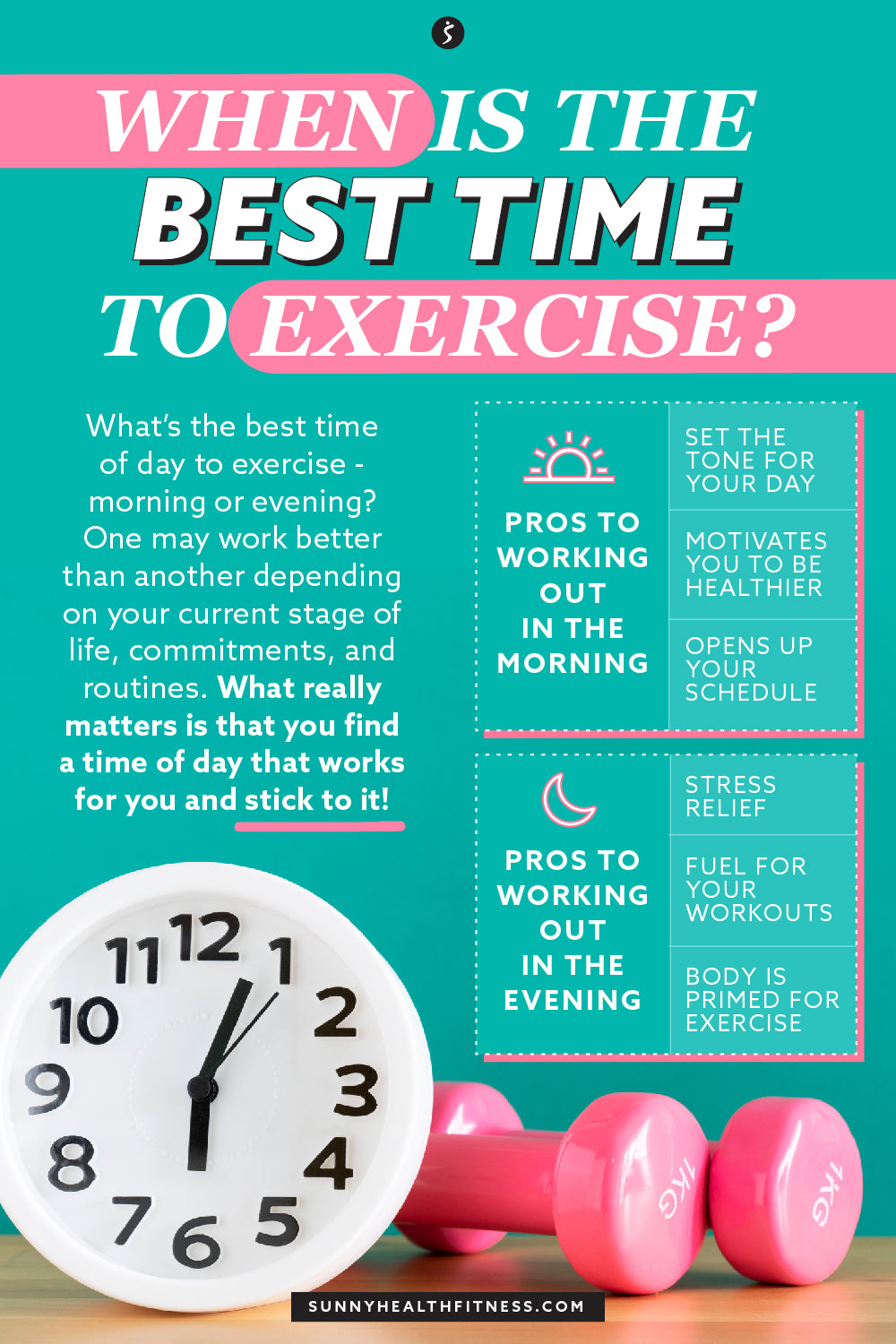
For many people, finding the right time to exercise can be confusing. Some say working out in the morning gives you energy, while others prefer sweating it out in the evening to relax. But is there really a “best” time to work out?
The truth is, the answer can be different for everyone. Your body, your goals, your schedule, and even your mood can affect when you should exercise.
In this article, you’ll find clear answers about the best times to work out and why timing matters. You’ll also get practical guidance, surprising facts, and answers to common questions. Whether you want to lose weight, build muscle, or just stay healthy, understanding workout timing can help you reach your goals faster and enjoy your fitness journey more.
Why Does Workout Timing Matter?
The time you choose to exercise is not just about convenience. It can change how your body reacts to training, the results you see, and even how you feel throughout the day.
One key factor is your circadian rhythm. This is your body’s natural clock that controls sleep, energy levels, and body temperature during the day. Your rhythm can make you feel more awake or sleepy at certain times. For example, most people have higher strength and energy levels in the late afternoon because body temperature is higher.
Another reason is your daily schedule. If you exercise when you are less busy or stressed, you are more likely to stick with your routine. Consistency is often more important than the exact time.
Some studies also suggest that hormones like testosterone and cortisol change during the day and can affect your workout results. Understanding these effects can help you pick the best time for your own goals.
Morning Workouts: Benefits And Challenges
Many fitness enthusiasts swear by early morning workouts. There are several reasons why mornings can be a great time to exercise.
Benefits Of Morning Workouts
1. Boosts Mood For The Day
Exercising releases endorphins, which are chemicals that make you feel good. Starting your day with a workout can help reduce stress and improve your mood for hours.
2. Better Consistency
Morning workouts are less likely to be interrupted by work, family, or unexpected events. When you exercise before your day gets busy, you are more likely to stick with your plan.
3. May Help With Weight Loss
Some research suggests that fasted cardio (working out before breakfast) can help your body burn more fat. However, the difference is not huge, and results depend on your overall diet and routine.
4. Improves Focus And Productivity
Physical activity increases blood flow to the brain, which can sharpen your focus and mental energy. Many people find they are more productive after a morning workout.
5. Creates A Healthy Routine
Starting your day with exercise can lead to healthier choices all day, such as eating better and drinking more water.
Challenges Of Morning Workouts
- Stiff Muscles: Your body is often stiffer after sleep, and your core temperature is lower. This can make you feel less flexible and strong in the morning.
- Harder to Wake Up: If you are not a morning person, it can be tough to get out of bed for a workout.
- Lower Performance: Some people find they do not perform as well in the morning, especially for strength or high-intensity workouts.
Morning Workout Tips
- Warm up longer to prevent injury.
- Prepare workout clothes and water the night before.
- Start with light exercises if you feel stiff.
Afternoon Workouts: A Peak Performance Window
Afternoon workouts are popular with many athletes and busy professionals. This time often brings a balance of energy and performance.
Benefits Of Afternoon Workouts
1. Higher Strength Levels
Most people have their highest body temperature in the afternoon. Muscles are warmer, which means better strength, power, and flexibility.
2. Improved Performance
Studies show that reaction time, coordination, and stamina are at their best in the late afternoon. This is a good time for sports, running, or strength training.
3. Reduced Risk Of Injury
Because your body is more “awake,” your muscles and joints are less stiff. This lowers the risk of strains or sprains.
4. Good Stress Relief
Working out after school or work is a great way to relieve stress and clear your mind before the evening.
Challenges Of Afternoon Workouts
- Busy Schedules: Work, meetings, or family duties can make it hard to exercise in the afternoon.
- Energy Dips: Some people feel sleepy or sluggish after lunch, making it harder to get motivated.
Afternoon Workout Tips
- Have a light snack an hour before exercising for energy.
- Schedule your workout like a meeting to make sure you don’t skip it.
- If you feel sleepy, do a short warm-up or stretch to wake up your body.
Evening Workouts: Unwind And Build Muscle
For many, the evening is the only free time for exercise. Evening workouts can be powerful, especially for building muscle and winding down after a long day.
Benefits Of Evening Workouts
1. High Strength And Power
Your body is still warm from daily activities, so muscles are ready for heavy lifts or intense cardio.
2. Stress Release
Exercise is a natural way to let go of stress and clear your mind before sleep.
3. Flexible Time
You may have fewer distractions and more time to focus on your workout in the evening.
4. Better Muscle Growth
Some research shows that evening workouts can boost protein synthesis, helping you build muscle.
Challenges Of Evening Workouts
- Possible Sleep Problems: High-intensity workouts too close to bedtime can make it hard to fall asleep.
- Motivation Drops: After a long day, it’s easier to skip your workout.
- Crowded Gyms: Fitness centers are often busiest in the evening.
Evening Workout Tips
- Aim to finish your workout at least 1-2 hours before bed.
- Use this time for strength training or activities that relax you.
- If you feel tired, start with a short walk or light exercise to get moving.
Comparing Workout Times: Performance, Fat Loss, And Health
Different workout times can have unique effects on your body. Let’s compare morning, afternoon, and evening exercise for various fitness goals.
| Goal | Morning | Afternoon | Evening |
|---|---|---|---|
| Weight Loss | Good (fasted cardio) | Very Good (high energy) | Good |
| Muscle Gain | Average | Excellent | Excellent |
| Stress Relief | Good | Very Good | Excellent |
| Consistency | Excellent | Good | Average |
| Injury Risk | Higher | Lower | Lower |
How Your Body Clock (chronotype) Affects Workout Time
Everyone has a unique body clock, known as a chronotype. Some people wake up full of energy, while others feel more alert in the evening. Your chronotype can have a big impact on when you perform best.
- Morning Types ("Larks"): Natural early risers. Often do best with morning workouts.
- Evening Types ("Owls"): Feel more awake in the afternoon or evening. Often perform better later in the day.
- Intermediate Types: Flexible, can adapt to different times.
If you force yourself to work out at a time that doesn’t fit your chronotype, you may feel tired or unmotivated. Listen to your body’s signals and adjust your workout time if needed.

Credit: www.jillianmichaels.com
Specific Fitness Goals And Best Workout Times
Your workout goal is a key factor in choosing the best time to exercise. Here’s how timing can affect different goals.
Weight Loss
Working out in the morning may help with fat burning, especially if you exercise before eating. However, the most important factor is total calories burned and sticking with your routine. If you burn more calories and stay consistent, you will lose weight, no matter the time.
Muscle Building
Muscle strength and power are usually highest in the late afternoon and evening. This is when body temperature, blood flow, and hormone levels (like testosterone) are at their peak. If muscle gain is your main goal, consider training later in the day.
Endurance And Cardio
Cardio performance often improves in the afternoon, when your heart and lungs are more efficient. But morning runs can also be energizing and help develop mental discipline.
Stress Relief And Mental Health
If you feel stressed or anxious after work, an evening workout can help you relax. If you want to start the day in a positive mood, a morning session works well.
Flexibility And Yoga
Muscles are less stiff later in the day, making afternoon or evening ideal for stretching, yoga, or pilates.
The Role Of Hormones And Body Temperature
Two main factors change throughout the day and affect your workouts:
- Hormones:
- Cortisol is highest in the morning and helps you wake up. It also supports fat burning.
- Testosterone increases in the afternoon/evening, helping with muscle growth.
- Body Temperature:
- It rises during the day and peaks in the late afternoon. Warmer muscles perform better and are less likely to get injured.
This is why high-intensity and strength workouts often feel easier later in the day.
Real-life Examples: How People Choose Their Workout Time
Let’s look at how different people might choose the best workout time based on their life:
- Busy Parent: Wakes up before the kids to exercise in peace. Morning is best for consistency.
- Office Worker: Uses lunch break for a quick workout. Afternoon is convenient and boosts energy for the rest of the day.
- Night Owl Student: Finds focus and motivation in the evening, after homework is done.
- Athlete: Schedules practice in the afternoon for peak performance.
Listening to your daily energy and responsibilities helps you find the right time to work out.
Social And Practical Factors
It’s not just biology that matters. Your social life, work, and family schedule also play a big role.
- Gym Crowds: Evenings are busiest at most gyms. Mornings are usually quieter.
- Weather: Outdoor workouts are safer in the morning or evening, especially in hot climates.
- Meal Timing: Eating too close to a workout can cause discomfort. Find a balance that works for you.
- Commute: If you travel for work, fitting in a workout before or after is often easier than during the day.
Credit: anniesdeli.com
Common Mistakes When Choosing Workout Time
Many people make simple mistakes when deciding when to exercise. Here are some to avoid:
- Copying Others: Just because a friend likes morning runs doesn’t mean it’s best for you.
- Ignoring Your Body: If you feel tired or weak at a certain time, try a different schedule.
- Not Planning Ahead: Without a set time, you may skip workouts more often.
- Overtraining: Exercising too hard when your body is not ready can lead to injury.
- Poor Nutrition Timing: Not eating enough before a workout can cause dizziness, while too much food can cause cramps.
Making The Right Choice For You
Here’s a simple way to pick the best workout time:
- Try Different Times: Spend one week exercising in the morning, one in the afternoon, and one in the evening. Note how you feel and perform.
- Track Your Progress: Keep a journal of your energy, mood, and results.
- Fit Your Schedule: Choose a time that you can stick with most days.
- Adjust as Needed: Life changes—so can your workout time.
Data And Research Insights
Studies offer useful information, but real life is always more complex. Some findings:
- People who exercise in the morning are more likely to stick with their routine.
- Performance (strength, endurance) is often better in the afternoon or early evening.
- Weight loss is similar at any time, as long as you burn enough calories.
Remember, consistency and enjoyment matter most.
Sample Weekly Workout Schedule By Time
Here are three sample schedules to help you plan. Each is based on a different time of day.
| Day | Morning | Afternoon | Evening |
|---|---|---|---|
| Monday | Cardio (run) | Strength training | Yoga |
| Tuesday | Bodyweight circuit | Cycling | Swimming |
| Wednesday | Stretch & core | HIIT | Pilates |
| Thursday | Rest/Walk | Strength training | Dance class |
| Friday | Cardio (bike) | Rowing | Martial arts |
| Saturday | Hiking | Rest/Walk | Strength training |
| Sunday | Rest | Rest | Rest |
Practical Tips For Sticking With Your Workout Time
Success with exercise is about more than picking the perfect time. Here are tips for making your routine last:
- Set Reminders: Use your phone or calendar to schedule workouts.
- Prepare Ahead: Lay out clothes and shoes the night before.
- Find a Workout Buddy: Exercising with a friend increases motivation.
- Mix It Up: Try different activities to stay interested.
- Listen to Your Body: If you need a rest, take it.
- Celebrate Wins: Reward yourself for sticking with your plan.
Non-obvious Insights Most Beginners Miss
1. Your Best Time Can Change
Many people think they must choose one workout time forever. In reality, your best time may change with seasons, job changes, or family needs. Stay flexible and adapt as life shifts.
2. Sleep Quality Matters More Than Timing
People often focus on workout time, but forget about rest. Poor sleep can reduce performance and increase injury risk, no matter when you exercise. If you stay up late, a morning workout might not be best for you.
3. Meal Timing Is Key
Beginners sometimes ignore food before and after exercise. Training on an empty stomach can hurt performance, while a heavy meal can cause cramps. Aim for a light snack (like a banana or yogurt) 30-60 minutes before your session if needed.
When "best Time" Doesn't Matter
Some situations make workout timing less important:
- If your goal is general health, any movement is better than none.
- If your schedule is unpredictable, fit in short sessions whenever you can.
- If you are just starting, focus on building the habit rather than perfect timing.
The “best” time is always the one you can stick with.
What Science Says About Workout Time
Many studies have looked at the effect of exercise timing. For example, a well-known summary on the topic is available at the Harvard Health Blog. The key point from experts: the time you can exercise regularly matters most. While there are small performance differences, they are not as important as building a lifelong habit.

Credit: bilyanagolf.ru
Frequently Asked Questions
What If I Can Only Work Out Late At Night?
It is possible to work out late, but try to finish at least one hour before bed. This helps your body cool down and makes it easier to fall asleep. If you notice sleep problems, try shifting your workout earlier.
Is It Safe To Exercise On An Empty Stomach In The Morning?
For light or moderate exercise, many people do fine without eating first. For intense workouts, a small snack can help prevent low energy or dizziness. Listen to your body and see what works best for you.
Will I Lose More Weight If I Work Out In The Morning?
Some studies suggest morning exercise, especially before breakfast, can burn more fat. However, total calories burned and your diet are more important. The best time is the one you can do regularly.
Can I Split My Workout Into Short Sessions During The Day?
Yes, splitting exercise into two or three shorter sessions still brings health benefits. For example, three 10-minute walks are as good as one 30-minute session for most people.
How Do I Stay Motivated To Work Out At My Chosen Time?
Set a routine, prepare your gear ahead, and reward yourself for progress. Find activities you enjoy and remind yourself of your goals. Having a workout partner can also help you stay on track.
Finding the best time to work out is a personal journey. There is no one-size-fits-all answer. The most important thing is to listen to your body, try different options, and stick with the routine that fits your life. With time, consistency, and a little experimentation, you’ll discover the workout schedule that helps you feel your best and reach your goals.
