

What is the Material of Gym Clothes: Ultimate Fabric Guide
What Is The Material Of Gym Clothes
Finding the right gym clothes can make a big difference in your workouts. If you ever felt too hot, too sweaty, or uncomfortable at the gym, your clothing might be the reason. The material of gym clothes affects how you move, how you feel, and even how you perform.
Understanding these fabrics is not just for fitness experts—everyone can benefit from knowing what makes great workout wear.
In this article, you’ll learn about the most common materials used in gym clothes, how each one works, and what makes them unique. You’ll discover the pros and cons of different fabrics, how to compare them, and which ones are best for different types of workouts.
Whether you’re new to exercise or you train every day, this guide will help you make better choices for your gym wardrobe.
Why Material Matters In Gym Clothes
Clothes are more than just a fashion statement at the gym. The fabric you choose can help you stay dry, cool, and comfortable, or it can lead to overheating, skin irritation, or even injury. Good gym wear supports your movement, manages sweat, and helps you avoid distractions.
Many people believe all gym clothes are the same. But the truth is, each material reacts differently to sweat, stretching, and washing. Some fabrics dry quickly; others trap moisture. Some are lightweight and soft; others are durable and strong. Understanding these differences is the first step in picking the right gym gear for your needs.
Main Types Of Materials Used In Gym Clothes
Modern gym wear uses a mix of natural and synthetic materials. Each type has its unique qualities. Let’s dive into the most popular fabrics and see how they perform.
1. Polyester
Polyester is one of the most widely used materials in gym clothes. It’s a synthetic fabric made from petroleum. Here’s why it’s popular:
- Moisture-wicking: It pulls sweat away from your skin, helping you stay dry.
- Quick-drying: You don’t stay wet for long, even in intense workouts.
- Lightweight and durable: Clothes made from polyester last through many workouts and washes.
- Wrinkle-resistant: Great if you travel or pack your gym bag often.
However, polyester can sometimes trap odors if not washed properly. It also may feel less soft compared to some natural fibers.
2. Nylon
Nylon is another synthetic material, known for its strength and flexibility. It’s often used in leggings, sports bras, and shorts.
- Stretchy and comfortable: Moves with your body and supports a wide range of motion.
- Moisture-wicking: Keeps sweat away, similar to polyester.
- Smooth texture: Feels soft against the skin.
- Resists mildew and shrinking: Maintains its shape after many washes.
One thing to note is that nylon can be less breathable compared to some other materials, especially if the fabric is thick.
3. Spandex (lycra Or Elastane)
Spandex, also called Lycra or Elastane, is not usually used alone. It’s blended with other fabrics to add stretch.
- High elasticity: Offers excellent stretch and recovery, perfect for compression wear and fitted gym clothes.
- Shape retention: Your clothes fit well, even after many uses.
- Freedom of movement: Ideal for yoga, pilates, or any activity needing flexibility.
Spandex holds heat, so it’s best in combination with more breathable materials.
4. Cotton
Cotton is a natural fiber. Many people love it for its soft feel and comfort.
- Breathable: Allows air to circulate, keeping you cool.
- Soft texture: Gentle on the skin, even for sensitive types.
- Affordable and easy to find: Widely available in stores.
However, cotton absorbs sweat and dries slowly. This can lead to heavy, wet clothes during intense workouts. It’s best for light exercise or casual wear rather than high-intensity sessions.
5. Bamboo
Bamboo fabric is becoming popular for eco-friendly gym wear.
- Natural moisture-wicking: Pulls sweat away but feels softer than polyester.
- Antibacterial properties: Reduces odors after exercise.
- Soft and gentle: Feels smooth on the skin.
- Eco-friendly: Bamboo grows quickly and needs less water than cotton.
Bamboo clothes may be more expensive and sometimes less durable than synthetics.
6. Wool (especially Merino Wool)
Merino wool is a special type of wool used in activewear.
- Temperature regulation: Keeps you warm in the cold and cool in the heat.
- Moisture management: Absorbs sweat but dries faster than cotton.
- Odor resistance: Naturally keeps smells away.
- Soft and not itchy: Unlike regular wool, Merino is gentle on the skin.
Wool gym clothes can be pricier, and care instructions are important to prevent shrinking.
7. Rayon (viscose)
Rayon is a semi-synthetic fiber made from wood pulp. It’s also called viscose.
- Soft and smooth: Offers a silk-like feel.
- Breathable: Helps air flow during workouts.
- Dries quickly: Good for sweat management.
However, rayon can lose strength when wet and may wrinkle easily. It’s often blended with stronger fibers for gym use.
8. Polypropylene
Polypropylene is a synthetic fiber sometimes found in base layers and performance wear.
- Water-repellent: Doesn’t absorb moisture, so sweat moves to the outer layers.
- Lightweight: Feels barely there.
- Good insulation: Keeps you warm without bulk.
It’s not as soft as cotton or bamboo, and it’s often used in combination with other fabrics.
9. Modal
Modal is a type of rayon made from beech trees.
- Very soft: Feels gentle and cool on the skin.
- Absorbs moisture: Manages sweat well.
- Keeps color: Resists fading, even with frequent washing.
Modal is often blended with cotton or synthetics to improve durability.
10. Tencel (lyocell)
Tencel, also known as lyocell, is a newer, sustainable fabric.
- Eco-friendly: Made from wood pulp in a closed-loop process.
- Moisture-wicking: Keeps you dry.
- Silky feel: Soft and smooth, suitable for sensitive skin.
- Odor control: Naturally reduces smells.
Tencel can be more expensive, but it’s a great choice for those who want both performance and sustainability.
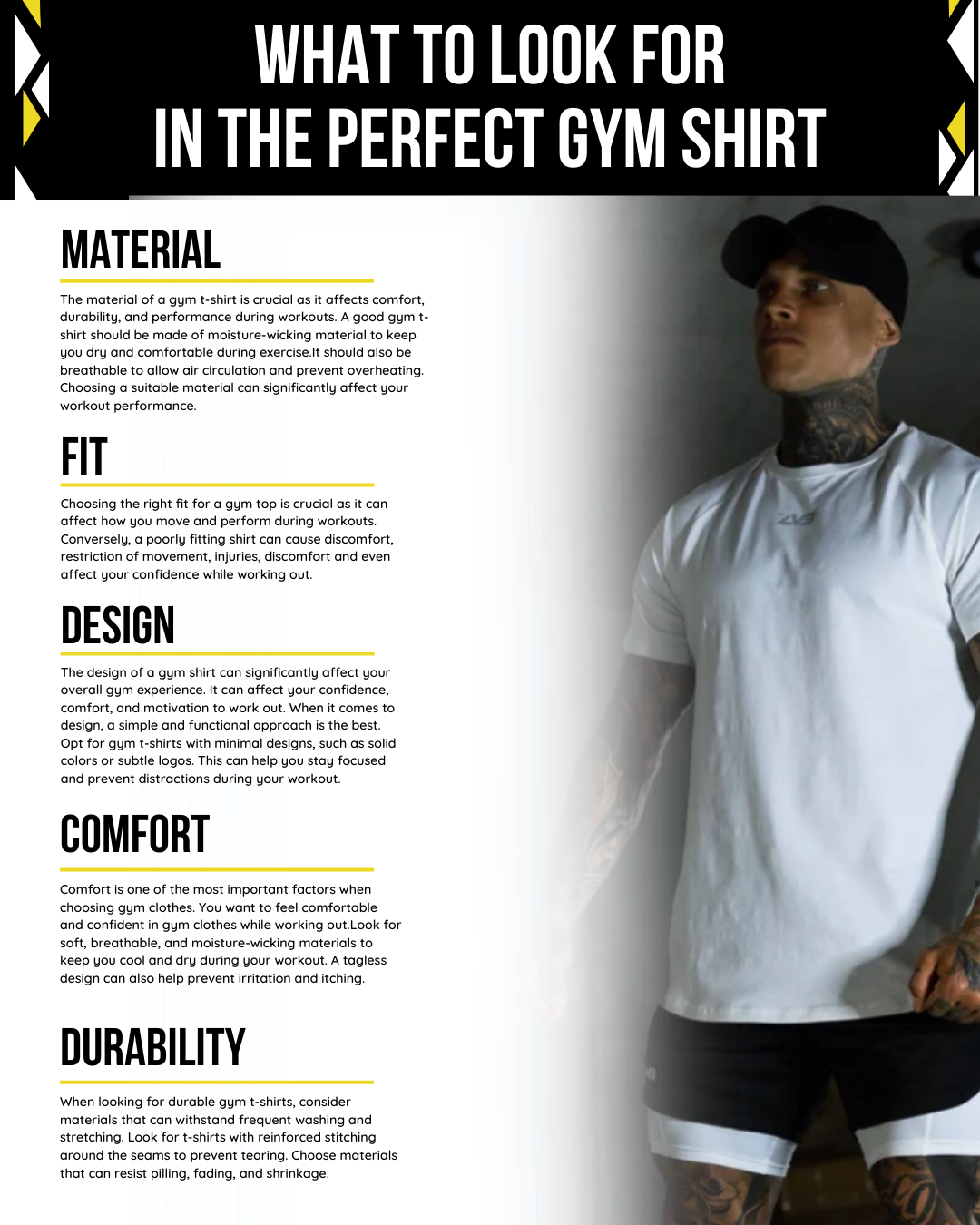
Credit: evaathletic.com.au
How Gym Clothes Materials Compare
Choosing the best material depends on what matters most to you: stretch, breathability, sweat control, softness, or sustainability. To help you compare, here’s a practical look at how these fabrics stack up on key features.
| Material | Moisture-wicking | Breathability | Stretch | Odor Resistance | Eco-friendly |
|---|---|---|---|---|---|
| Polyester | High | Moderate | Moderate | Low | No |
| Nylon | High | Moderate | High | Low | No |
| Spandex | Low | Low | Very High | Low | No |
| Cotton | Low | High | Low | Moderate | Yes |
| Bamboo | High | High | Moderate | High | Yes |
| Merino Wool | High | High | Moderate | Very High | Yes |
| Rayon | Moderate | High | Moderate | Low | No |
| Polypropylene | Very High | Moderate | Moderate | Low | No |
| Modal | High | High | Moderate | Moderate | Yes |
| Tencel | High | High | Moderate | High | Yes |
The Role Of Fabric Blends
Most gym clothes are not made from just one material. Brands often use fabric blends to combine the best qualities of different fibers. For example, a T-shirt might be 90% polyester and 10% spandex. This mix gives you both moisture management and stretch.
Common blends you’ll find:
- Polyester-Spandex: Offers sweat control and flexibility, common in leggings and fitted tops.
- Nylon-Spandex: Adds softness, stretch, and durability, great for yoga pants and sports bras.
- Cotton-Polyester: Balances comfort and moisture-wicking, often used in T-shirts and hoodies.
- Bamboo-Spandex: Combines eco-friendliness, softness, and stretch.
Blending can solve many problems. For example, adding spandex to cotton helps prevent sagging and improves movement. But blends can also make recycling harder, so eco-conscious buyers should look for single-fiber or recyclable options.
Credit: www.tuffwraps.com
How To Choose The Right Material For Your Workout
Not every workout needs the same kind of gym wear. Here’s how to match fabric to exercise:
For Cardio (running, Cycling)
Choose clothes that are lightweight, moisture-wicking, and quick-drying. Polyester, nylon, and blends with spandex are ideal. They keep sweat off your body and reduce chafing.
For Strength Training
You need stretchy clothes for squats, lunges, and lifting. Nylon-spandex or polyester-spandex blends give you flexibility and comfort. Avoid pure cotton, as it holds sweat and can feel heavy.
For Yoga And Pilates
Look for soft, breathable, and high-stretch fabrics. Modal, bamboo, and high-spandex blends support your movements and feel gentle against the skin.
For Outdoor Activities
If you exercise outside, temperature regulation matters. Merino wool is excellent in both hot and cold weather. Polypropylene is also good for base layers in cold conditions.
For Low-intensity Workouts
If you’re doing stretching or walking, comfort is key. Cotton blends, modal, and bamboo feel soft and cozy.
Common Mistakes When Choosing Gym Clothes Material
Even experienced gym-goers sometimes pick the wrong fabric. Here are mistakes to avoid:
1. Choosing 100% Cotton For Heavy Workouts
Cotton feels nice at first, but it absorbs sweat and stays wet. This can cause chafing and discomfort, especially in high-intensity sessions.
2. Ignoring Odor Control
Synthetic fabrics like polyester can trap smells. If odor is a problem, choose bamboo, Merino wool, or blends with odor-fighting technology.
3. Not Considering Stretch
If your workout involves stretching or fast movement, clothes without spandex may feel restrictive.
4. Buying Based On Looks Alone
Some gym wear looks stylish but uses poor-quality fabric. Always check the label for material content.
5. Forgetting About Skin Sensitivity
Some people react to chemicals in synthetic fabrics. If you have sensitive skin, try natural fibers like bamboo, modal, or Merino wool.

Credit: midwestworld.com
Sustainability In Gym Clothes Materials
The fitness industry is paying more attention to the environment. Many brands now use eco-friendly materials:
- Recycled Polyester: Made from plastic bottles, uses less energy and water.
- Bamboo and Tencel: These grow with less impact on the planet.
- Organic Cotton: Grown without harmful chemicals.
However, even sustainable materials need careful care to last longer and reduce waste. Look for certifications like OEKO-TEX or GOTS to ensure responsible sourcing.
How Material Affects Performance And Comfort
Your choice of gym clothes material does more than just cover your body. It affects:
- Temperature control: Breathable fabrics help keep you cool or warm as needed.
- Moisture management: The right material keeps sweat away, reducing chafing and discomfort.
- Freedom of movement: Stretchy fabrics prevent restriction during exercise.
- Skin health: Smooth, soft fabrics reduce irritation and rashes.
Two non-obvious insights:
- Seams and stitching matter too: Even the best fabric can feel uncomfortable if the seams are rough or in the wrong place. Flatlock seams reduce chafing, especially in tight-fitting gym wear.
- Color can impact performance: Dark colors absorb heat and may make you feel hotter during outdoor workouts. Light colors reflect heat and help you stay cooler.
Practical Tips For Caring For Gym Clothes
To get the most from your gym clothes, take care of the material:
- Wash in cold water: Hot water can damage synthetic fibers and cause shrinkage in natural ones.
- Skip fabric softeners: They can block the wicking ability of polyester and nylon.
- Dry naturally: High heat from dryers can break down stretch fibers like spandex.
- Wash soon after use: This prevents odor buildup and keeps fabrics fresh.
- Turn clothes inside out: This protects the outer layer and keeps colors bright.
If you follow these tips, your workout clothes will last longer and perform better.
Real-world Examples: How Top Brands Use Materials
Popular sportswear brands use advanced materials to improve performance. For example, Nike uses Dri-FIT (a polyester-based blend) for moisture management. Adidas features Climalite (another polyester blend) for sweat-wicking. Lululemon is known for Luon and Nulu, which are blends of nylon and Lycra, giving comfort and stretch.
Some brands use recycled polyester from ocean plastics, or Merino wool for odor resistance. Always check product tags or websites to see what materials are used.
Comparing Cost And Durability
Price is another important factor. Generally, synthetic blends are affordable and last a long time. Natural fibers like Merino wool and bamboo cost more but offer unique benefits. Here’s a simple comparison:
| Material | Average Cost | Durability | Care Difficulty |
|---|---|---|---|
| Polyester | Low | High | Easy |
| Nylon | Moderate | High | Easy |
| Spandex | Low | Moderate | Medium |
| Cotton | Low | Low | Easy |
| Bamboo | High | Moderate | Medium |
| Merino Wool | High | Moderate | Hard |
| Modal | Moderate | Moderate | Medium |
| Tencel | High | Moderate | Medium |
How Material Impacts Style And Fit
Besides performance, the fabric affects how your gym clothes look and fit.
- Polyester and nylon: Hold vibrant colors and sharp designs well.
- Cotton and modal: Offer a relaxed, casual look but can lose shape over time.
- Spandex blends: Provide a snug, body-hugging fit, popular for compression gear.
- Merino wool and bamboo: Give a natural, premium look and feel.
If you want fitted activewear, look for a higher percentage of spandex. For a looser style, cotton or modal blends work better.
The Future Of Gym Clothes Materials
Technology is changing how gym wear is made. Here are some trends to watch:
- Smart fabrics: Some gym clothes now track heart rate or adjust to your body temperature.
- Antibacterial finishes: Help prevent odor even in synthetic fabrics.
- Biodegradable fibers: Reduce long-term waste.
- Upcycled materials: Brands are turning waste into new gym gear.
These innovations aim to make workouts more comfortable, safe, and eco-friendly. For more on textile technology, check out this resource: Wikipedia: Technical textile.
Frequently Asked Questions
What Is The Best Fabric For Sweaty Workouts?
Polyester and nylon blends are best for sweaty sessions because they wick moisture away and dry quickly. For people who prefer natural fibers, Merino wool is also excellent at managing sweat and odor.
Is Cotton Good For Gym Clothes?
Cotton is soft and breathable but absorbs sweat and dries slowly. It’s fine for low-intensity or casual workouts, but not the best choice for intense exercise or sports.
Are Eco-friendly Gym Clothes Materials As Effective As Synthetics?
Yes, fabrics like bamboo, Tencel, and recycled polyester perform well and are often just as breathable and moisture-wicking as traditional synthetics. They may cost more, but they’re better for the environment.
How Can I Tell What Material My Gym Clothes Are Made From?
Check the care label inside your clothing. It lists the percentage of each fabric. You can also look for product information on brand websites.
How Do I Keep Gym Clothes From Smelling Bad?
Wash them soon after use, avoid fabric softener, and let them dry completely before storing. Choosing odor-resistant materials like Merino wool, bamboo, or fabrics with antibacterial finishes can also help.
---
Choosing the right material for your gym clothes can transform your workout experience. Now you know what each fabric offers, how they compare, and how to care for them. With this knowledge, you can pick gym wear that keeps you comfortable, confident, and ready to perform your best—every time you hit the gym.
