

What'S Gym Attire: Essential Tips for Workout Success
What’s Gym Attire: Your Complete Guide to What to Wear at the Gym
Stepping into a gym for the first time—or even after a break—can feel exciting but also a bit confusing. One big question many people have is, “What should I wear to the gym? ” Gym attire is more than just a fashion choice.
It affects your comfort, performance, confidence, and even safety during workouts. The right clothes help you move freely, manage sweat, and avoid injury. Yet, with so many options and advice, it’s easy to feel lost.
In this guide, you’ll find everything you need to know about gym attire. We’ll cover the basics, explore what works best for different activities, and explain how to select, care for, and style your workout clothes. Whether you’re a beginner or just want to refresh your gym wardrobe, you’ll find practical advice and helpful insights you might not have considered.
What Is Gym Attire?
Gym attire means the clothes and accessories you wear during workouts or exercise. This includes tops, bottoms, shoes, socks, and sometimes extra items like headbands or gloves. Good gym attire is designed to support movement, control sweat, and protect your body. Unlike regular clothes, gym attire is made from special fabrics and fits in a way that helps you perform better and feel comfortable during exercise.
Wearing the right attire is not about looking good for others. It’s about making sure your body is ready for the physical demands of your workout. Proper gym attire helps reduce the risk of injuries, keeps you cool or warm as needed, and may even boost your motivation.
For many, putting on gym clothes signals the mind that it’s time to get active.
Why Gym Attire Matters
It’s tempting to think you can wear anything for a workout, but the right gym attire has several benefits:
- Comfort: Exercise involves a lot of movement. The right fabric and fit prevent chafing and irritation.
- Performance: Clothes designed for fitness stretch, breathe, and wick away sweat, helping you move better and stay dry.
- Safety: Proper shoes and fitted clothes can help prevent slips, falls, or injuries.
- Confidence: Wearing suitable attire can make you feel more prepared and motivated.
- Hygiene: Gym attire is easier to wash and dries faster, reducing smells and bacteria.
Many beginners overlook how a simple change in clothing can improve their workout experience. For example, cotton t-shirts may feel comfortable at first but can quickly become heavy with sweat, making you feel sticky and uncomfortable. Choosing moisture-wicking fabrics keeps you feeling fresh and focused.
Credit: row.gymshark.com
Essential Components Of Gym Attire
Let’s break down the main items you’ll need for a typical workout:
Tops
The most common gym tops are t-shirts, tank tops, and long-sleeve shirts. The best gym tops are made from moisture-wicking materials like polyester, nylon, or blends. These fabrics pull sweat away from your skin and dry quickly.
- T-shirts: Good for most workouts. Look for lightweight, stretchy materials.
- Tank tops: Offer more freedom of movement, great for upper body workouts.
- Long-sleeve shirts: Useful for outdoor exercise or cooler gyms.
Avoid heavy cotton tops, as they absorb sweat and stay wet. For women, a supportive sports bra is often essential, providing comfort and reducing movement during exercise.
Bottoms
Your choice of bottoms depends on your activity and comfort:
- Shorts: Ideal for running, cardio, or hot gyms. Choose ones with a secure waistband and flexible fabric.
- Leggings/tights: Popular for yoga, pilates, and weight training. They offer full coverage and stretch easily.
- Track pants/joggers: Better for cooler weather or those who prefer more coverage.
Look for features like flat seams (to avoid chafing), breathability, and pockets if you need to carry small items.
Footwear
Footwear is often the most important part of gym attire. The wrong shoes can lead to discomfort or injury.
- Running shoes: Best for treadmill or cardio workouts. They provide shock absorption and flexibility.
- Training shoes: Designed for weightlifting, HIIT, or general gym use. They offer more stability.
- Specialty shoes: For activities like cycling or CrossFit, you might need specific shoes.
Choose shoes that fit well, support your arch, and match your workout style. Replace them regularly, as worn-out shoes lose their support.
Socks
A small detail, but the right socks make a difference. Choose moisture-wicking socks to keep feet dry and prevent blisters. For high-impact activities, padded or compression socks add extra support.
Accessories
Some accessories can enhance your workout:
- Headbands/sweatbands: Keep sweat out of your eyes.
- Workout gloves: Protect hands during weightlifting.
- Compression sleeves: Support muscles and help with recovery.
- Fitness trackers: Monitor your performance and progress.
Not every accessory is necessary, but they can make your workout more comfortable or effective.
How To Choose Gym Attire: Key Factors
Making the right choice depends on more than just looks. Here are the most important things to consider:
Fabric
Look for breathable, moisture-wicking materials. Avoid heavy cotton. Blends of polyester, nylon, or spandex are popular.
- Polyester: Lightweight, durable, dries quickly.
- Nylon: Soft, strong, good stretch.
- Spandex (Lycra): Very stretchy, used in leggings and compression wear.
Some brands offer antimicrobial fabrics to reduce odor. This can be useful if you sweat a lot or don’t wash clothes immediately.
Fit
Clothes should be snug but not tight. You want full range of motion without fabric getting in your way. Too-loose clothes can catch on equipment, while too-tight clothes may restrict movement or cause discomfort.
Tip: Try on different sizes and move around—squat, stretch, or jog in place—to test comfort.
Activity Type
What you wear should match your workout:
- For running: Lightweight tops and shorts, running shoes.
- For yoga: Stretchy leggings, fitted tops, bare feet or grip socks.
- For weightlifting: Supportive shoes, fitted tops, flexible pants.
- For group classes: Clothes that breathe and let you move freely.
Climate And Temperature
Dress for the environment. Layering is useful for outdoor workouts. In hot gyms, stick to minimal, breathable clothes. In cold conditions, add a lightweight jacket or long-sleeve layer.
Durability
Gym clothes get a lot of use and frequent washing. Look for reinforced seams, high-quality stitching, and colorfast fabrics.
Cost
You don’t need to buy the most expensive brands, but avoid very cheap clothes—they often wear out quickly or feel uncomfortable. Invest in a few good pieces you’ll wear often.
Style
While function is most important, style also matters. Wearing clothes you like can boost your confidence and motivation. Many brands offer a range of colors and patterns to match your personality.
Gym Attire For Different Activities
Each type of workout has unique demands. Here’s how to dress for some of the most popular activities:
Weight Training
- Fitted t-shirt or tank top (moisture-wicking)
- Shorts or leggings (no loose fabric)
- Supportive training shoes with a flat sole
- Optional: Gloves for grip, wrist wraps
Insight: Avoid baggy clothes, as they can get caught on weights or machines.
Cardio (running, Cycling, Hiit)
- Lightweight top
- Breathable shorts or leggings
- Running or training shoes
- Moisture-wicking socks
- Headband if you sweat a lot
Tip: For cycling, padded shorts can prevent discomfort.
Yoga And Pilates
- Stretchy, fitted leggings or shorts
- Comfortable, form-fitting tank top or t-shirt
- Bare feet or grip socks
Insight: Avoid clothes with zippers or buttons—they can be uncomfortable on the mat.
Group Fitness Classes (zumba, Dance, Aerobics)
- Breathable, colorful tops
- Flexible shorts, leggings, or capris
- Supportive shoes (cross-trainers)
- Sweatband or headband
Tip: Choose lively colors or patterns if they boost your energy.
Outdoor Workouts
- Layered tops (e.g., tank, t-shirt, light jacket)
- Weather-appropriate pants or shorts
- Sun hat or cap for sun protection
- Sunglasses with UV protection
Insight: Look for clothes with UPF (ultraviolet protection factor) if you spend a lot of time outdoors.
Common Gym Attire Mistakes To Avoid
Even experienced gym-goers make mistakes with their clothes. Here are some to watch for:
- Wearing regular cotton: Cotton absorbs sweat and stays wet, making you cold and uncomfortable.
- Choosing the wrong shoes: Running shoes are not good for weightlifting, and vice versa.
- Ignoring fit: Too-tight or too-loose clothes can affect your performance and safety.
- Forgetting about support: Women often skip a proper sports bra, leading to discomfort.
- Wearing jewelry: Necklaces or rings can snag on equipment and cause injury.
- Overdressing: Too many layers can lead to overheating.
- Not washing gym clothes properly: This can cause odor and skin problems.
- Wearing old, worn-out gear: Shoes and clothes lose their support over time.
Non-obvious tip: Some beginners wear dark colors to hide sweat marks, but lighter colors can actually feel cooler and dry faster.
Men’s Gym Attire: Key Points
Men’s gym attire focuses on support, breathability, and ease of movement. Here’s what most men need:
- Moisture-wicking t-shirts or tanks
- Gym shorts or athletic pants
- Supportive underwear (compression shorts or briefs)
- Training or running shoes
- Socks that prevent blisters
Example Outfit
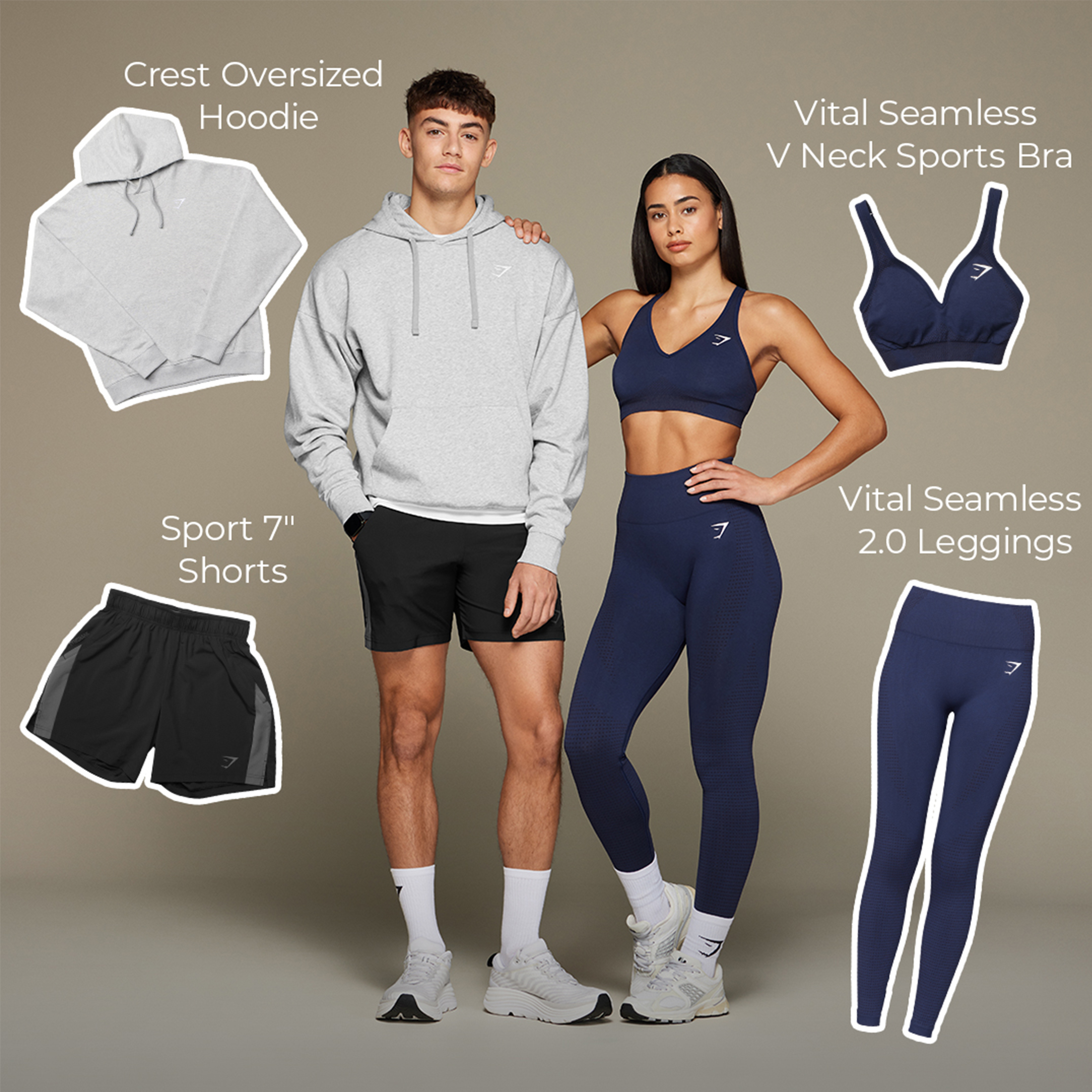
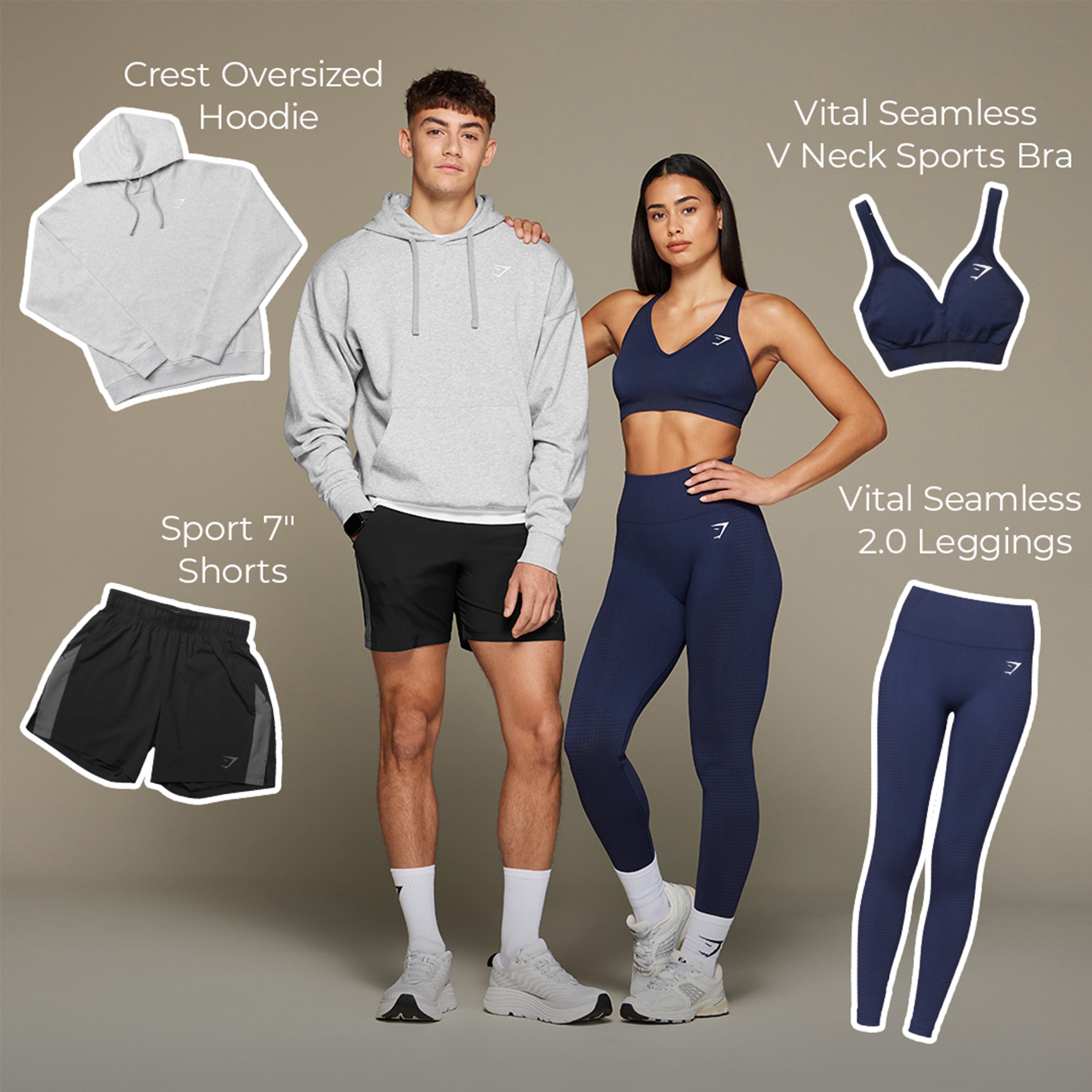
A common men’s gym outfit: polyester t-shirt, mesh shorts, compression underwear, running shoes, and moisture-wicking socks. For colder weather, add a lightweight hoodie or zip-up jacket.
Insight: Men often overlook the importance of underwear. Supportive, sweat-wicking underwear can prevent chafing and discomfort.
Women’s Gym Attire: Key Points
Women’s gym attire must balance comfort, support, and flexibility. Essentials include:
- Sports bra (high or medium support depending on activity)
- Moisture-wicking tops (t-shirts, tanks, or crop tops)
- Leggings, capris, or shorts (with a secure waistband)
- Training or running shoes
- Sweat-wicking socks
Example Outfit
A popular choice: high-impact sports bra, fitted tank top, high-waisted leggings, running shoes, and soft, breathable socks. For outdoor runs, a lightweight jacket is handy.
Insight: High-waisted leggings offer extra support and coverage, making them popular for many activities.
Kids And Teens: Gym Attire Tips
For children and teenagers, comfort and safety are most important. Choose:
- Breathable t-shirts
- Flexible shorts or leggings
- Well-fitted sneakers (avoid sandals or slip-ons)
- Socks that don’t slip
Avoid clothes with loose strings or decorations that can catch on equipment.
Special Considerations: Plus-size, Modest, And Adaptive Gym Attire
Plus-size Attire
Look for brands that offer extended sizes with the same performance features. High-waisted leggings and tops with extra length can add comfort.
Modest Attire
Many brands now offer long-sleeve tops, loose pants, and sports hijabs. Look for breathable fabrics and non-restrictive designs.
Adaptive Attire
For people with mobility challenges, seek out clothes with easy closures (like magnets or Velcro) and stretch panels.
Credit: www.gymshark.com
How To Care For Your Gym Attire
Proper care keeps your gym clothes fresh, durable, and comfortable.
- Wash clothes soon after wearing to prevent odor.
- Use cold water and mild detergent.
- Avoid fabric softeners (they can block moisture-wicking fibers).
- Air dry when possible—high heat can damage elastic fibers.
- Turn clothes inside out before washing to protect color and fabric.
Insight: If your gym clothes start to smell even after washing, try a vinegar rinse to remove bacteria and sweat buildup.
How To Build A Gym Wardrobe On A Budget
You don’t need to spend a lot to have good gym attire. Here’s how to build your wardrobe without breaking the bank:
- Start with basics: One or two tops, bottoms, and a pair of good shoes.
- Mix and match: Choose neutral colors that work together.
- Look for sales and outlet stores: You can find high-quality brands at lower prices.
- Invest in key pieces: Spend more on shoes and sports bras, save on t-shirts and shorts.
- Buy off-season: Get winter gear in summer and vice versa for discounts.
Tip: Higher-priced items often last longer, so consider cost per use rather than just upfront cost.
Credit: row.gymshark.com
Style And Self-expression In Gym Attire
Many people use gym clothes to express their personality. Bright colors, bold patterns, or unique accessories can make workouts feel more fun. Just remember, style should never come before comfort and safety.
Non-obvious tip: Wearing clothes you feel good in can actually improve your motivation and consistency at the gym.
Latest Trends In Gym Attire
The world of gym attire changes quickly. Here are some of the latest trends:
- Sustainable fabrics: More brands use recycled polyester, organic cotton, and eco-friendly dyes.
- Seamless designs: Clothes with fewer seams reduce chafing and irritation.
- Smart clothing: Some gym wear includes sensors to track movement or heart rate.
- Bold prints and colors: Bright, eye-catching designs are becoming popular.
- Multipurpose items: Clothes that work for both gym and street wear.
These trends show that gym attire is not only about function but also about innovation and self-expression.
Comparing Popular Gym Attire Fabrics
To help you choose, here’s a comparison of common fabrics used in gym attire.
| Fabric | Pros | Cons | Best For |
|---|---|---|---|
| Polyester | Lightweight, dries fast, durable | Can retain odor | Most gym activities |
| Nylon | Soft, stretchy, strong | Can pill with wear | Leggings, tops |
| Spandex | Very stretchy, keeps shape | Less breathable alone | Compression wear |
| Cotton | Soft, natural, inexpensive | Absorbs sweat, dries slowly | Light exercise, warm-ups |
| Bamboo | Eco-friendly, soft, breathable | Can be less durable | Yoga, low-impact workouts |
When To Replace Your Gym Attire
Gym clothes don’t last forever. Here are signs it’s time to replace them:
- Faded color or thin spots
- Loss of stretch
- Persistent odor
- Loose seams or holes
- Worn-out shoes (less cushioning or grip)
For most people, shoes need replacing every few hundred miles of running or after about six months of regular use. Clothes may last longer but should be replaced when they lose their shape or comfort.
How To Layer Gym Attire For Different Conditions
Layering helps you stay comfortable in changing weather or temperatures. Here’s a simple approach:
| Condition | Base Layer | Middle Layer | Outer Layer |
|---|---|---|---|
| Cold weather | Moisture-wicking top | Insulating fleece or long-sleeve | Windbreaker or light jacket |
| Rainy weather | Quick-dry t-shirt | None or thin long-sleeve | Water-resistant shell |
| Hot weather | Lightweight tank or tee | None | Optional: sun hat |
Tip: Always remove layers as you warm up to avoid overheating.
Gym Attire And Gym Etiquette
What you wear can affect how comfortable you and others feel in the gym. Here are some guidelines:
- Wear clean clothes every session.
- Avoid strong perfumes or colognes—sweat plus scent can be overpowering.
- Don’t leave sweaty clothes or towels on equipment.
- Respect dress codes (some gyms don’t allow certain items for safety or hygiene).
- Cover up as needed in shared spaces like lobbies or cafes.
Insight: Some gyms require closed-toe shoes and prohibit sandals for safety reasons.
Where To Buy Gym Attire
You can find gym attire at sporting goods stores, department stores, and online. Popular brands include Nike, Adidas, Under Armour, Lululemon, and many more. Online reviews and return policies make shopping easier, but always check size guides before buying.
For more on athletic clothing choices, visit the Wikipedia page on sportswear.
Frequently Asked Questions
What Is The Best Material For Gym Attire?
Moisture-wicking fabrics like polyester, nylon, and blends are best. They keep sweat away from your skin, dry quickly, and stay comfortable. Avoid cotton for high-sweat activities.
How Often Should I Wash My Gym Clothes?
Wash gym clothes after every use to remove sweat, bacteria, and odor. Letting them sit too long can cause smells to set in and damage the fabric.
Can I Wear Regular Clothes To The Gym?
You can, but it’s not recommended. Regular clothes may restrict movement, absorb sweat, and cause chafing. Gym attire is made to support your workout and keep you comfortable.
How Do I Know If My Gym Shoes Need Replacing?
Replace shoes when they lose cushioning, feel less supportive, or show visible wear on the sole. Worn-out shoes increase the risk of injury.
Are Expensive Gym Clothes Worth It?
Not always. Some high-priced items offer better durability and features, but many affordable brands work just as well. Focus on fit, fabric, and function over the brand name.
—
Wearing the right gym attire can transform your workout experience. It’s about feeling good, moving freely, and staying safe. Whether you’re just starting or looking to upgrade your wardrobe, use these tips to choose clothes that help you reach your fitness goals.
The most important thing is to pick attire that matches your activity, fits well, and makes you feel confident every time you step into the gym.
