

In Gym Clothes: Style Tips to Look Great While You Sweat
In Gym Clothes: The Complete Guide to Choosing, Wearing, and Caring
Walking into a gym, you quickly notice something: gym clothes are everywhere, but not all are the same. Some people look ready to run a marathon, while others seem uncomfortable after a few minutes of stretching. The right outfit can change your workout, boost your confidence, and even keep you safe. But with so many options, styles, and materials, how do you know what works best for you? This guide explains everything you need to know about gym clothes—why they matter, how to pick them, mistakes to avoid, and how to make the most of your workout wardrobe.
Why Gym Clothes Matter More Than You Think
You may think any T-shirt and shorts will do for the gym, but the right clothing does more than just cover your body. Proper gym clothes can:
- Improve performance by allowing free movement and helping your body breathe
- Reduce risk of injury with the right support and fit
- Control sweat and prevent chafing or skin irritation
- Boost confidence and motivation, making you more likely to stick to your fitness plan
It’s not about looking stylish (though that’s a bonus). Wearing the right gym clothes has a direct effect on your workout and results.
Main Types Of Gym Clothes
There’s no single “best” gym outfit. Your choices depend on your activity, comfort, and personal style. However, most gym wardrobes include these essentials:
1. Tops
- T-shirts: Choose moisture-wicking fabrics for cardio or weightlifting. Avoid heavy cotton, as it absorbs sweat and becomes uncomfortable.
- Tank tops: Great for hot environments or activities like yoga, as they allow your skin to breathe.
- Long-sleeve shirts: Useful for outdoor workouts or when you want extra coverage.
2. Bottoms
- Shorts: Popular for running and high-intensity workouts. Look for a good fit—too loose may cause chafing, too tight can limit movement.
- Leggings or tights: Favored for activities like yoga, Pilates, or weight training. They provide stretch, support, and coverage.
- Track pants or joggers: Best for warm-ups, cool-downs, or casual gym days.
3. Sports Bras
A must for women. A well-fitted sports bra offers support, reduces discomfort, and helps prevent long-term injury. High-impact sports need stronger support, while low-impact activities allow for lighter options.
4. Socks
Don’t underestimate socks. Moisture-wicking, cushioned socks prevent blisters and give extra comfort. Ankle or crew length is a personal choice.
5. Footwear
Different workouts need different shoes:
- Running shoes: Designed for forward motion and shock absorption.
- Cross-trainers: Versatile for gym machines, classes, and light weightlifting.
- Lifting shoes: Flat soles give stability for heavy lifts.
- Barefoot shoes: Some prefer minimal footwear for certain activities.
6. Accessories
- Headbands and wristbands: Keep sweat away from eyes and hands.
- Gloves: Good for weightlifting to protect hands.
- Compression sleeves: Help with blood flow and muscle recovery.
The Science Behind Gym Clothes: Materials And Technology
Today’s gym clothes are more than just fabric. They use advanced textile technology to improve your experience.
Moisture-wicking Fabrics
Sweat is a natural part of working out. Moisture-wicking materials like polyester and nylon pull sweat away from your skin, keeping you dry and cool. Cotton, while comfortable, tends to hold moisture, making it less ideal for intense workouts.
Breathability
Mesh panels or ventilation zones in clothing help air circulate. This reduces overheating and keeps you comfortable during long sessions.
Stretch And Flexibility
Many gym clothes use elastane (spandex or Lycra) for stretch. This allows for a full range of motion, important in activities that involve bending or twisting.
Compression
Compression wear is tight-fitting clothing that supports muscles, improves blood flow, and can reduce fatigue or soreness. It’s popular among runners and weightlifters.
Odor Control
Anti-microbial treatments in some gym clothes help control odor by stopping bacteria growth. This feature is especially useful for people who sweat more or need to wear the same clothes for longer periods.
How To Choose The Best Gym Clothes For You
Picking the right gym clothes depends on more than just looks. Here’s a step-by-step way to choose wisely:
- Consider Your Activity: Running, yoga, cycling, and weightlifting all have different needs. For example, running requires breathable, lightweight clothes, while yoga needs flexible, form-fitting pieces.
- Check the Fit: Clothes that are too tight can restrict movement and cause discomfort, while clothes that are too loose may get caught in equipment or rub your skin.
- Select the Right Fabric: Choose moisture-wicking, breathable fabrics for most workouts. If you are doing activities with less sweating, such as stretching or walking, cotton can be fine.
- Test for Movement: Try squatting, stretching, or lifting your arms in the fitting room. If the clothing limits your movement, try another size or style.
- Look for Smart Features: Hidden pockets, reflective strips, or mesh panels can make a difference. Think about when and where you work out.
- Prioritize Comfort Over Fashion: Style is great, but comfort and function should always come first.
- Buy for Your Climate: Colder regions might need long sleeves and thermal layers. Hot climates call for lightweight, breathable clothes.
- Budget Wisely: Expensive doesn’t always mean better. There are plenty of affordable brands that offer excellent performance.
Non-obvious Tips For Choosing
- Try Before You Buy: Some fabrics look great but feel scratchy or cause static. Always test for comfort.
- Mind the Seams: Flat seams are less likely to cause irritation during long workouts, which is a detail many beginners miss.
What Not To Wear In The Gym
You might see some clothing choices in the gym that make you wonder, “Is that really okay?” Here are some items to avoid:
- Denim: Too stiff, doesn’t breathe, and can cause chafing.
- Street shoes: Bring dirt, lack support, and can damage gym equipment.
- Jewelry: Rings, necklaces, or bracelets can get caught or cause injury.
- Baggy clothes: Can hide bad form and get caught on machines.
- Flip-flops or sandals: Unsafe and offer no support.
Wearing the wrong clothes is not just about looking out of place. It can affect your performance and safety.
Gym Clothes For Different Body Types
Everyone’s body is different, and gym clothes should help you feel comfortable and confident, not self-conscious.
For Curvier Bodies
- Look for high-waisted leggings for more support.
- Choose tops with a bit of stretch and coverage.
- Avoid overly tight elastic bands that dig into your skin.
For Slimmer Builds
- Layering can help add dimension.
- Compression wear can offer a snug fit without looking baggy.
For Tall Individuals
- Seek out brands with longer inseams and torso lengths.
- Avoid clothes that ride up when you move.
For Petite Frames
- Opt for cropped leggings or tops.
- Look for adjustable features like drawstrings.
Universal Tips
- Confidence matters most: The best gym clothes are the ones that make you feel good.
- Fit over size: Ignore the number on the tag if the item fits well and feels comfortable.
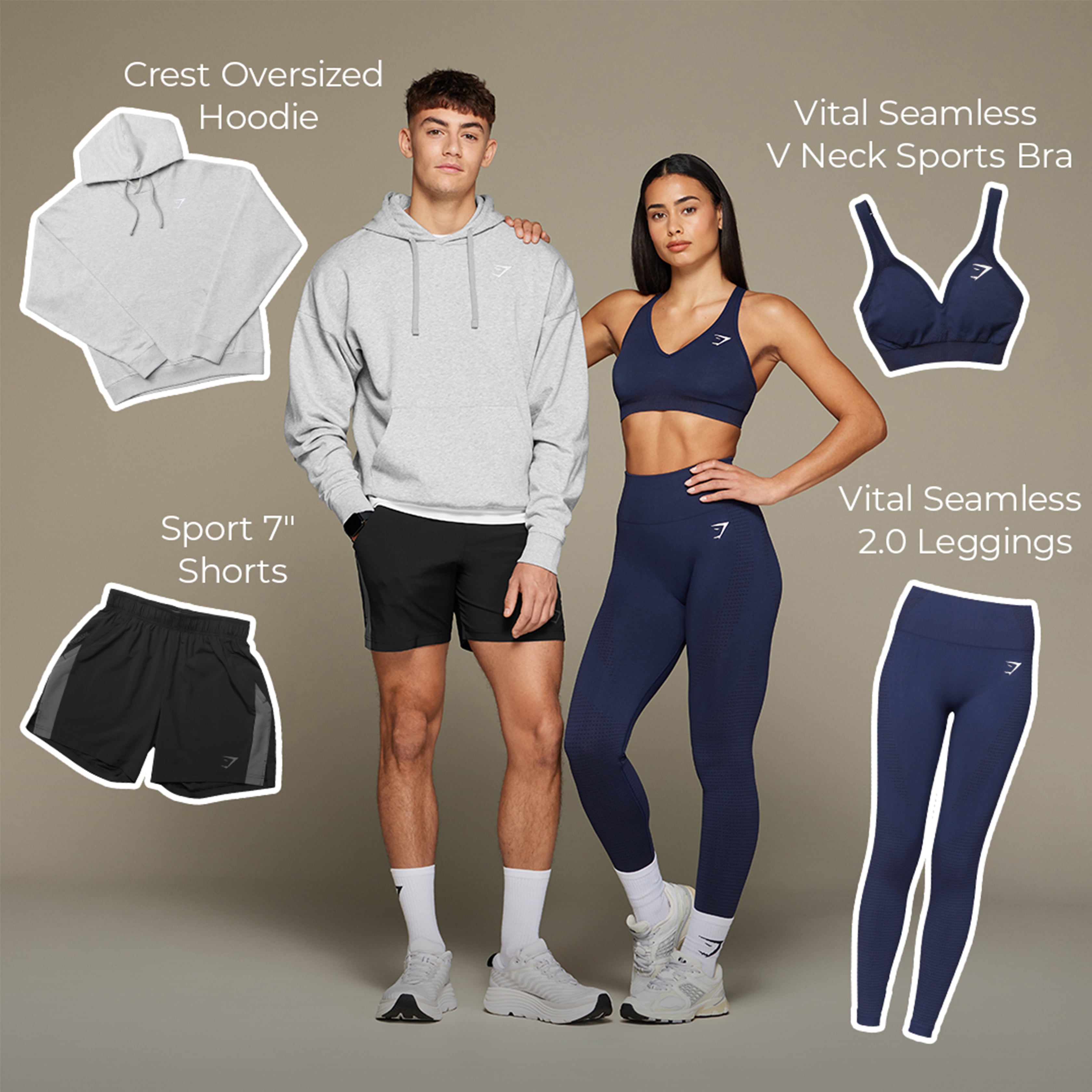
Credit: row.gymshark.com
Caring For Your Gym Clothes
Sweaty gym clothes can get smelly and lose shape quickly if not cared for properly. Here’s how to make them last:
Washing Tips
- Wash soon after wearing: Don’t let sweaty clothes sit too long. Sweat can break down fibers and cause odor.
- Use cold water: Hot water can damage elastic fibers and cause colors to fade.
- Turn inside out: Helps preserve color and allows detergent to clean sweat and bacteria better.
- Avoid fabric softener: It can coat technical fabrics, reducing their moisture-wicking properties.
- Air dry when possible: Heat from dryers can weaken spandex and cause shrinking.
Storage
- Store in a cool, dry place.
- Don’t leave gym clothes in a closed gym bag for long periods.
Removing Stubborn Odors
- Add white vinegar or baking soda to the wash for extra odor-fighting power.
- For tough smells, soak clothes in a solution of water and vinegar before washing.
The Impact Of Gym Clothes On Motivation And Confidence
Wearing gym clothes that you like and feel good in can actually increase your motivation to exercise. Research shows that “enclothed cognition”—the idea that clothes can influence your mood and behavior—applies to fitness as well. If you feel strong and confident in your outfit, you’re more likely to push yourself and enjoy your workout.
Many people find that having a few favorite gym outfits makes them look forward to exercise. Investing in at least one set of gym clothes you love can be a small but powerful step toward building a lasting fitness habit.
Comparing Popular Gym Clothing Brands
With so many brands on the market, it’s easy to get overwhelmed. Here’s a comparison of well-known gym clothing brands based on price, quality, and range:
| Brand | Price Range | Quality | Best For |
|---|---|---|---|
| Nike | $$ | High | Versatility, innovation |
| Adidas | $$ | High | Breathable fabrics, casual style |
| Under Armour | $$ | High | Moisture control, compression gear |
| Lululemon | $$$ | Premium | Yoga, comfort, flexibility |
| Decathlon | $ | Good | Budget-friendly, beginners |
Each brand has its strengths. Nike and Adidas are known for innovation, while Lululemon is popular for yoga and comfort. Decathlon is a good option for those starting out or on a budget.
Gym Clothes For Different Activities
Not all workouts require the same gear. Here’s how to match your clothes to your activity:
Cardio (running, Cycling, Hiit)
- Lightweight, breathable tops and bottoms
- High-support sports bras for women
- Good quality running or cross-training shoes
- Reflective details if you exercise outdoors
Strength Training
- Fitted but flexible tops
- Compression shorts or leggings
- Flat-soled shoes for stability
- Weightlifting gloves to protect hands
Yoga And Pilates
- Stretchy, form-fitting leggings or shorts
- Soft, moisture-wicking tops
- Barefoot or grip socks
Group Classes (zumba, Dance, Aerobics)
- Supportive sports bras
- Flexible, sweat-wicking clothes
- Good grip shoes for movement
Outdoor Workouts
- Layering pieces for changing weather
- Sun protection (hats, long sleeves)
- Moisture-wicking socks
Cost Vs. Value: Are Expensive Gym Clothes Worth It?
It’s tempting to think that expensive gym clothes automatically mean better performance. But that’s not always true. Here’s a quick comparison of what you often get at different price points:
| Price Level | What You Usually Get | What You Might Miss |
|---|---|---|
| Low ($) | Basic comfort, simple design | Advanced features, long-term durability |
| Medium ($$) | Better fit, moisture-wicking, some technical features | Top-tier durability, trendiest styles |
| High ($$$) | Premium materials, unique design, specialized features | High cost, sometimes overpaying for brand |
For most people, mid-range gym clothes offer the best balance of performance and value. If you’re just starting, it’s smart to try affordable options first and upgrade later as you learn what you like.
Sustainability In Gym Clothing
More people are choosing eco-friendly gym clothes. Sustainable brands use recycled materials, organic cotton, and ethical manufacturing. This helps reduce waste and environmental impact.
Look for:
- Recycled polyester from plastic bottles
- Organic cotton grown without harmful chemicals
- Certifications like Fair Trade or OEKO-TEX
Choosing sustainable gym clothes can be a small step to help the planet while staying fit.

Credit: www.menshealth.com
Common Mistakes When Buying Gym Clothes
Even experienced gym-goers sometimes make these mistakes:
- Ignoring fabric quality: Cheap materials can lose shape and absorb odor quickly.
- Buying only for looks: Style matters, but not at the cost of comfort or function.
- Skipping a proper fit check: Always move around in new clothes before buying.
- Not thinking about washing care: Some fabrics need special care.
- Buying too many at once: Start with a few versatile pieces and build your wardrobe over time.
A clever tip: Invest in two or three high-quality basics and mix with affordable items. This gives you flexibility without breaking the bank.
How Many Gym Outfits Do You Really Need?
This depends on your workout routine and laundry habits. Here are some basic guidelines:
- 1-2 sets: For beginners or those exercising 1-2 times a week
- 3-4 sets: For regular gym-goers (3-5 days a week)
- 5+ sets: For daily workouts or those who prefer less frequent laundry
Remember, gym clothes wear out faster than regular clothes due to sweat and frequent washing. Rotating outfits helps them last longer.

Credit: interprofitness.com
The Social And Cultural Side Of Gym Clothes
Gym clothes are now a part of everyday life. Many people wear athleisure—clothes designed for both exercise and daily activities. This trend makes it easier to go from the gym to errands or even casual meet-ups.
Different cultures have different attitudes toward gym attire. In some places, modest clothing is preferred. In others, bold colors and styles are common. Always be aware of your local gym’s dress code.
Gym Clothes For Special Needs
Some people need specific features in their gym clothes, such as:
- Adaptive clothing: For those with disabilities or limited mobility, look for easy closures and accessible designs.
- Maternity gym wear: Specially designed to support changing bodies during pregnancy.
- Allergy-friendly fabrics: Hypoallergenic options for sensitive skin.
If you have unique needs, don’t hesitate to ask brands or staff for recommendations.
The Future Of Gym Clothes: Smart Technology
Technology is changing gym clothes. Some new features include:
- Smart fabrics that track heart rate or calories burned
- Temperature control that adjusts to your body’s heat
- UV protection built into the fabric
- Anti-bacterial coatings to fight odor for longer
These features are still developing, but they show where gym wear is heading.
For more on textile technology and innovation, check out the Textile World.
Non-obvious Insights Most Beginners Miss
- The right undergarments matter: Many people only think about outer layers. But seamless underwear and proper socks can prevent discomfort and improve performance.
- Rotate your shoes: Using the same pair for every workout wears them out faster and increases injury risk. Having two pairs and alternating can extend their life.
Frequently Asked Questions
What Is The Best Fabric For Gym Clothes?
Moisture-wicking fabrics like polyester, nylon, and blends with spandex are best. They pull sweat away from the skin and dry quickly, keeping you comfortable. Cotton can be good for low-sweat activities but is not ideal for intense workouts.
How Often Should I Wash My Gym Clothes?
Wash after every workout to remove sweat, bacteria, and odor. Letting dirty gym clothes sit can damage the fabric and cause smells to linger.
Do I Need Different Gym Clothes For Different Activities?
Yes. Running, yoga, weightlifting, and cycling all have different needs for support, fit, and flexibility. Choose clothes designed for your main activity for the best results.
Can I Wear Gym Clothes Outside The Gym?
Absolutely. The athleisure trend makes it common to wear gym clothes for errands, travel, or casual outings. Just make sure they are clean and in good condition.
How Can I Make My Gym Clothes Last Longer?
Wash soon after wearing, use cold water, avoid fabric softener, and air dry when possible. Rotate your outfits to reduce wear and tear on any single piece.
Choosing and caring for the right gym clothes can make a surprising difference in your fitness journey. You don’t need a huge budget or a closet full of options to get started. Focus on fit, function, and your own comfort, and you’ll be ready to take on any workout with confidence.
The right clothes are more than just fabric—they’re a tool to help you succeed.
