

What'S Gym Attire: Essential Tips for Workout Clothes
What’s Gym Attire: The Complete Guide For Beginners And Regulars
If you’ve ever walked into a gym and felt lost about what to wear, you are not alone. Gym attire is a big part of the fitness world. It affects how you move, how comfortable you feel, and sometimes even your confidence. Many people believe gym clothes are just about style, but there’s more to it. The right gym attire can help prevent injuries, regulate body temperature, and even improve your performance. Whether you’re just starting your fitness journey or want to upgrade your workout wardrobe, understanding gym attire is key.
What Is Gym Attire?
Gym attire refers to the clothing and footwear worn during exercise or workout sessions. These clothes are designed for physical activity. They are made from fabrics that stretch, absorb sweat, and keep you cool. The main goal is to make movement easy and safe. Gym attire includes tops, bottoms, shoes, and sometimes accessories like gloves or headbands.
Why Does Gym Attire Matter?
Choosing the right gym attire isn’t only about looking good. There are several important reasons:
- Comfort: Good gym clothes allow you to move freely. Tight or rough fabrics can make you uncomfortable and distract you from your workout.
- Performance: Some materials help keep your body at the right temperature, so you don’t overheat or get too cold.
- Safety: The right shoes and clothes can prevent slips, falls, and injuries.
- Hygiene: Proper attire helps absorb sweat and reduce the risk of skin problems.
- Confidence: When you feel good in your clothes, you’re more likely to enjoy your workout.
Key Elements Of Gym Attire
Understanding the different pieces of gym attire helps you make better choices. Let’s look at each part.
Tops
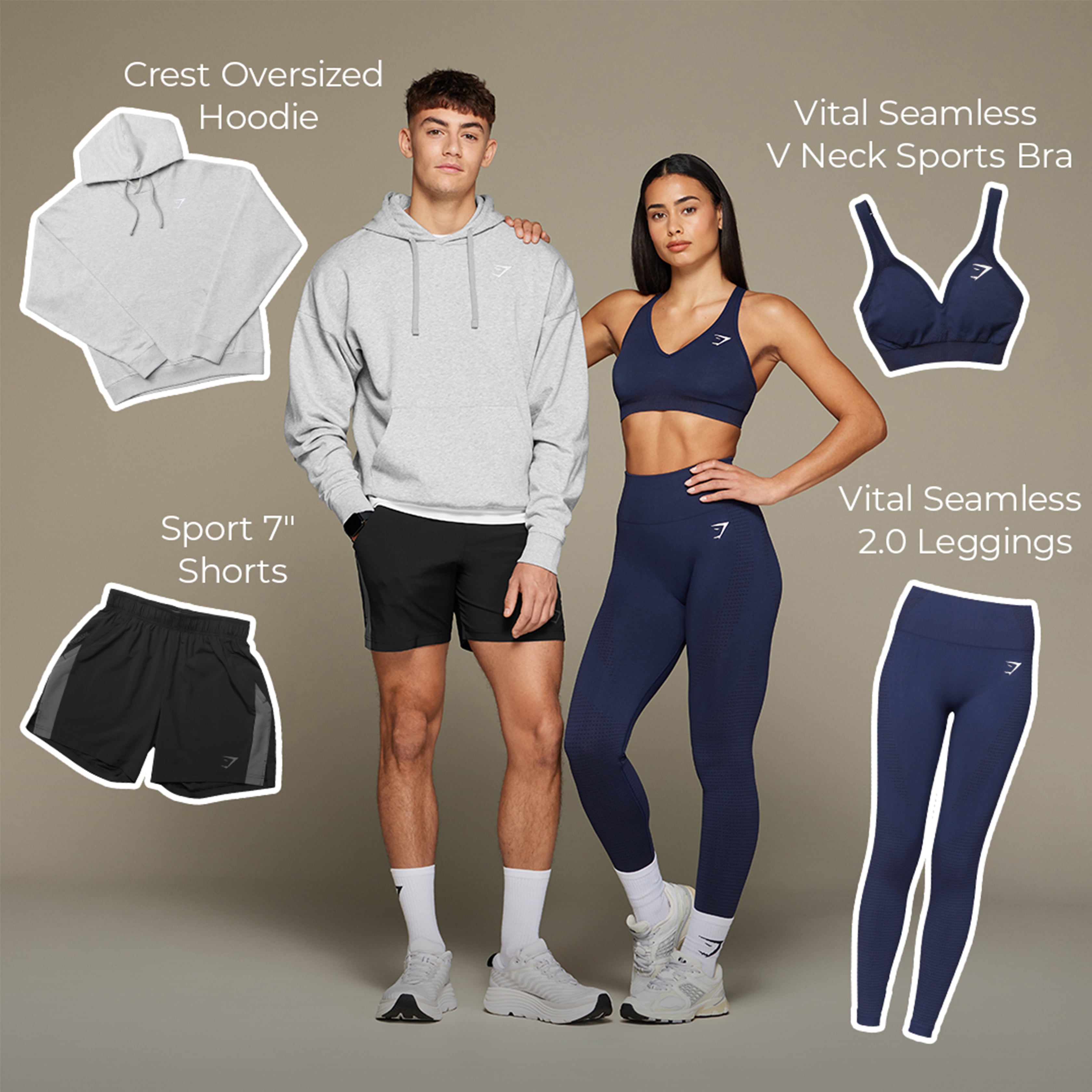
Most gym-goers choose T-shirts, tank tops, or sports bras (for women). The best tops for the gym are:
- Breathable: Made from materials like polyester or nylon that wick away sweat.
- Stretchy: Allow for a full range of movement.
- Lightweight: Don’t add unnecessary weight or bulk.
Avoid tops made from 100% cotton, as they hold onto sweat and become heavy. Many brands offer “moisture-wicking” tops that help keep you dry.
Bottoms
Bottoms for the gym include shorts, leggings, joggers, and yoga pants. Your choice depends on your activity and comfort level.
- Shorts: Great for cardio or summer workouts.
- Leggings/yoga pants: Offer full coverage and flexibility, popular in group classes or weight training.
- Joggers: Slightly looser, ideal for warm-ups or cool-downs.
Look for options with flat seams to avoid chafing. Some leggings come with pockets, which are useful for carrying keys or a phone.
Footwear
Shoes are one of the most important parts of gym attire. The right pair supports your feet, absorbs shock, and prevents injury. Your shoe choice should match your workout type:
- Running shoes: Designed for forward motion, good cushioning.
- Cross-trainers: Versatile, suitable for gym classes and weightlifting.
- Weightlifting shoes: Have a raised heel and solid base for stability.
Wearing everyday sneakers to the gym is a common mistake. They often lack the support and grip needed for exercise.
Sports Bras (for Women)
A sports bra is essential for women. It minimizes breast movement, prevents discomfort, and helps avoid long-term tissue damage. Choose based on activity level:
- Low-impact: Yoga, walking.
- Medium-impact: Cycling, dancing.
- High-impact: Running, HIIT classes.
A good sports bra should fit snugly but not too tight, and the straps shouldn’t dig into your shoulders.
Socks
Many people ignore socks, but they matter more than you think. Gym socks should:
- Wick moisture: Prevent blisters and fungus.
- Offer cushioning: Reduce impact on your feet.
- Fit well: Not slip inside your shoes.
Avoid cotton socks; synthetic blends are better for exercise.
Accessories
Some accessories can improve your workout experience:
- Gloves: Help with grip during weightlifting.
- Headbands: Keep sweat out of your eyes.
- Compression sleeves: Support muscles and joints.
- Fitness trackers: Monitor your activity.
Accessories are not required, but they can make workouts more enjoyable.
Credit: row.gymshark.com
Gym Attire For Different Activities
Not all workouts require the same clothing. Your attire should match your activity.
Cardio Workouts
Activities like running, cycling, and aerobics need light, sweat-wicking clothes. Your body heats up quickly, so choose breathable fabrics. Running shoes are a must for any high-impact cardio.
Weightlifting
For weight training, you need clothes that do not restrict movement. Tight leggings or shorts are popular. Shoes with a flat, stable base are best. Many people use gloves to avoid calluses.
Yoga And Pilates
Yoga requires maximum flexibility. Choose form-fitting, stretchy clothes that move with your body. Many prefer bare feet or special yoga socks for grip.
Group Fitness Classes
Zumba, HIIT, or bootcamp classes need versatile attire. Moisture-wicking tops and bottoms are ideal. Supportive shoes that handle side-to-side movement are important.
Swimming And Aquatic Fitness
If your workout is in the pool, wear a proper swimsuit designed for exercise. Avoid casual swim trunks or fashion swimsuits, as they may not hold up during intense movement.
Materials And Fabrics: What Works Best?
The fabric of your gym attire affects comfort and performance. Here are the most common options:
| Fabric | Pros | Cons |
|---|---|---|
| Polyester | Lightweight, moisture-wicking, durable | Can retain odor |
| Nylon | Soft, stretchy, quick-drying | Less breathable than polyester |
| Spandex (Lycra) | Highly stretchable, good for flexibility | Not very breathable alone |
| Cotton blends | Soft, comfortable, affordable | Absorbs sweat, can feel heavy |
| Bamboo | Natural, antimicrobial, soft | More expensive, less durable |
Most gym attire uses a blend of these fabrics. Look for “moisture-wicking” on the label. This means the fabric pulls sweat away from your skin and helps it evaporate.
Fit And Sizing: How To Choose The Right Gym Attire
Many beginners struggle with sizing. Gym attire should fit close to your body but not restrict movement. Loose clothes can get caught on equipment, while clothes that are too tight can limit blood flow and cause discomfort.
How To Find Your Fit
- Try Before You Buy: If possible, try clothes on and move around. Squat, stretch, and twist to see if anything feels tight or uncomfortable.
- Check the Seams: Flat or covered seams prevent irritation.
- Look for Stretch: Most gym clothes contain some spandex or elastane for flexibility.
- Mind the Waistband: Waistbands should stay in place without digging into your skin.
Sizing can vary between brands. Don’t worry about the number or letter on the label; focus on how the clothing feels.
Men’s Vs Women’s Gym Attire
While many gym clothes are unisex, there are important differences between men’s and women’s attire.
Men’s Gym Attire
- Tops: T-shirts, tank tops, sleeveless shirts.
- Bottoms: Shorts, joggers, compression shorts.
- Support: Some men use compression wear for muscle support.
- Shoes: Chosen based on activity.
Women’s Gym Attire
- Tops: Tanks, T-shirts, sports bras, crop tops.
- Bottoms: Leggings, yoga pants, shorts.
- Support: Sports bras are essential.
- Shoes: Activity-specific shoes.
Women’s gym clothes often have more color and style options, but both men and women should focus on function first.
Gym Attire For All Seasons
Climate affects what you wear to the gym. Here’s how to dress for different temperatures:
Hot Weather
- Lightweight, breathable fabrics: Keep you cool.
- Shorts and sleeveless tops: Help with airflow.
- Light colors: Reflect sunlight.
Cold Weather
- Layer up: Wear a base layer to wick sweat, a middle layer for warmth, and an outer layer to block wind.
- Full-length leggings and long-sleeve tops: Keep muscles warm.
- Gloves and hats: For outdoor workouts.
Rainy Or Humid Weather
- Water-resistant jackets: Protect from rain.
- Quick-drying fabrics: Prevent chafing.
- Extra socks: In case your feet get wet.
Layering is key. You can remove layers as your body warms up.
Popular Gym Attire Brands
Many brands specialize in gym attire. Some are known for high-tech fabrics, while others focus on style or affordability.
| Brand | Strengths | Price Range |
|---|---|---|
| Nike | Innovative technology, wide range | Medium–High |
| Adidas | Durable, classic styles | Medium |
| Under Armour | Performance fabrics, compression gear | Medium |
| Gymshark | Trendy, functional for weightlifting | Low–Medium |
| Lululemon | Premium quality, comfort, style | High |
| Reebok | Affordable, versatile | Low–Medium |
You don’t have to buy expensive brands. Many affordable options work well if they meet your needs for comfort and function.
Common Mistakes When Choosing Gym Attire
Even experienced gym-goers make mistakes with gym attire. Here are some errors to avoid:
- Wearing cotton: Cotton soaks up sweat and stays wet, leading to discomfort.
- Ignoring shoe type: The wrong shoes can cause pain or injury.
- Overdressing: Too many layers can cause overheating.
- Wearing jewelry: Rings, necklaces, and bracelets can get caught on equipment.
- Choosing fashion over function: Stylish clothes are nice, but comfort and safety come first.
- Not washing gym clothes properly: Sweat can cause odor and bacteria buildup. Wash gym attire after every workout.
- Forgetting about socks: Poor-quality socks lead to blisters.
One less obvious mistake is wearing clothes with rough or exposed seams. These can cause irritation during repetitive movements like running or rowing. Also, not rotating gym shoes can reduce their lifespan. Give your shoes a day to dry out between uses.
How Gym Attire Has Evolved
Gym attire has changed a lot over time. Decades ago, people wore simple cotton T-shirts and shorts. Today, clothing is designed with advanced fabrics that help you perform better. Many companies use antimicrobial treatments to reduce odor, or mesh panels for extra ventilation. Compression gear, once used only by athletes, is now common in everyday gym wear.
Trends come and go. For a while, neon colors were popular. Now, neutral and earth tones are in. But the basics—comfort, function, and safety—never change.
Gym Attire For Special Needs
Some people need specialized gym attire. For example:
- Plus-size athletes: Many brands now offer inclusive sizing. Look for clothes with extra stretch and support.
- People with disabilities: Adaptive gym clothes have easy-on zippers, magnetic closures, or wider necklines.
- Modest workout wear: Options like long-sleeve tops, loose pants, and hijab-friendly sportswear are available.
If you have sensitive skin, look for hypoallergenic fabrics. If you sweat heavily, try clothes with mesh zones or extra ventilation.
Gym Attire And Gym Etiquette
What you wear can affect your experience—and the experience of others. Most gyms have dress codes. Here are some common rules:
- No open-toed shoes: For safety.
- Shirts required: To prevent the spread of germs.
- Clean clothes: Out of respect for others.
- No offensive language or images: On clothing.
Respecting these rules keeps everyone safe and comfortable.
Some gyms even require you to bring a towel to wipe down equipment. Having an extra top or small towel in your bag is a good idea.
Gym Attire For Home Workouts
If you exercise at home, you might feel you don’t need special clothes. However, proper gym attire helps you move safely and comfortably, even in your living room.
- Supportive shoes: Prevent slips or foot pain.
- Breathable clothes: Keep you cool during intense sessions.
- Right fit: Avoids distraction and discomfort.
Wearing the right attire can also help you mentally “switch” into workout mode, making home exercise more effective.
Caring For Your Gym Attire
To make your gym clothes last longer and stay fresh:
- Wash after every use: Sweat can cause odor and bacteria.
- Use cold water: Hot water can break down stretchy fabrics.
- Avoid fabric softeners: They reduce moisture-wicking ability.
- Air dry: Heat from dryers can damage elastic fibers.
Check care labels for specific instructions. Some materials, like bamboo, need gentle washing.
Credit: row.gymshark.com
Sustainable And Eco-friendly Gym Attire
Many brands now offer eco-friendly gym attire. These clothes are made from recycled materials, organic cotton, or bamboo. Choosing sustainable options reduces your impact on the planet.
Look for certifications like “Global Organic Textile Standard” or “OEKO-TEX.” These show the clothes meet environmental and safety standards.
Some companies, like Patagonia and Girlfriend Collective, lead the way in sustainable fitness wear. While eco-friendly options can be pricier, they often last longer and feel better against your skin.
How To Shop For Gym Attire Online
Buying gym clothes online is convenient, but it can be tricky to get the right fit. Here are some tips:
- Check the size chart: Every brand is different.
- Read reviews: Other buyers share useful info about fit and quality.
- Look for return policies: Make sure you can exchange items if needed.
- Watch for fake brands: Buy from official websites or trusted retailers.
If you’re new to a brand, start with one or two items before buying a full set. This helps you see if their sizing and style work for you.
The Impact Of Gym Attire On Performance
You might wonder if gym attire really makes a difference. Research shows that wearing proper gym clothes can boost your confidence and performance. When you feel comfortable and supported, you can focus more on your workout and less on adjusting your clothes.
A study found that people wearing the right gym attire were more likely to finish their workouts and report higher satisfaction. The “enclothed cognition” theory suggests what you wear can influence your mindset and even your physical abilities.
For more information on how clothing affects performance, see this research article.
Gym Attire For Kids And Teens
Young people also need proper gym attire for safety and comfort. For kids and teens:
- Choose easy-to-wear clothes: T-shirts, shorts, leggings.
- Focus on breathability and fit: Kids move a lot and get sweaty.
- Supportive shoes: Prevent injury during sports or PE.
- Fun colors or prints: Keep them excited about fitness.
Avoid clothes with zippers or buttons that can poke or scratch during activity.
Frequently Asked Questions
What Should I Avoid Wearing To The Gym?
Avoid cotton clothes, as they hold sweat and become heavy. Don’t wear open-toed shoes, sandals, or flip-flops. Avoid jewelry, loose accessories, and anything that restricts movement. Stay away from clothes with offensive prints or language, as most gyms have dress codes.
How Often Should I Replace Gym Shoes?
Replace gym shoes every 300 to 500 miles of use, or every 6–12 months for regular gym-goers. Signs you need new shoes include worn-out soles, reduced support, or discomfort during workouts.
Is It Okay To Wear Compression Gear Every Day?
Yes, it’s usually safe to wear compression gear daily, as long as it fits well and doesn’t cut off circulation. Compression wear can support muscles and help with recovery, but take breaks if you feel discomfort.
Credit: row.gymshark.com
Can I Use The Same Clothes For All Types Of Workouts?
Some gym attire works for many activities, like leggings or moisture-wicking tops. However, shoes should match the workout—running shoes for running, cross-trainers for gym classes, and flat shoes for weightlifting. Specialized workouts, like yoga or swimming, need specific attire.
How Do I Know If My Gym Attire Fits Correctly?
Your gym attire should feel snug but not tight. You should be able to move, stretch, and bend easily. Nothing should ride up, pinch, or restrict blood flow. If you feel itchy, uncomfortable, or distracted during your workout, you may need a different size or style.
Getting gym attire right makes a big difference in your fitness journey. With the right clothes, you’ll be safer, more comfortable, and ready to reach your goals. Remember, it’s not about trends or brands—it’s about what works best for you and your workout.
Happy training!
