

How Many Gym Clothes Do You Have? Find Your Perfect Fit
How Many Gym Clothes Do You Have
If you go to the gym often, you probably wonder: How many gym clothes do I really need? Many people have drawers full of workout shirts, shorts, leggings, and socks. Others keep only a few basics and wash them often. You may think you have enough, or maybe you feel like you never have the right gear ready. Finding the right number is not simple—it depends on how often you work out, your laundry habits, your training style, and even your personal taste.
In this guide, you will learn how to decide the ideal number of gym clothes for your routine. You’ll see practical advice, real-life examples, and clear comparisons. We’ll cover common mistakes, cost-saving tips, and a few things most beginners miss.
By the end, you’ll have a clear answer for yourself—and you’ll know how to organize your fitness wardrobe so you never run out or waste money.
Why The Number Of Gym Clothes Matters
For many, gym clothes feel like a small detail. But the right number can make your workouts easier, cleaner, and less stressful. If you own too few, you’ll deal with dirty clothes and rush laundry. Too many, and you waste money and space.
Comfort And Performance
Wearing fresh gym clothes improves comfort. Sweat and bacteria build up fast, especially if you train hard. Clean gear helps prevent skin irritation and odors. For intense workouts, materials like moisture-wicking fabric matter. If you reuse items too often, they lose their stretch and effectiveness.
Hygiene And Health
Sweaty gym wear can host germs. Wearing the same shirt or leggings repeatedly without washing increases risk of rashes or infections. A study in the International Journal of Environmental Research found that gym clothes can carry bacteria even after short workouts. Owning enough sets keeps your routine hygienic.
Mental Motivation
Fresh, comfortable clothes can boost your motivation. Many fitness experts say that having favorite workout shirts or colorful leggings makes people excited to train. If you always have clean gear, you worry less and focus more.
Factors That Decide How Many Gym Clothes You Need
There’s no single answer. Your needs are unique. Let’s look at the key factors.
Workout Frequency
How many days per week do you exercise? This is the biggest factor.
- If you work out 1-2 times per week, you can get by with 2-3 sets.
- Training 3-5 times per week requires 4-6 sets.
- Daily gym-goers (6-7 times) often need at least 7-10 sets.
Most people fall between these groups. If you train more often, you need more clothes. But, if you do laundry often, you can manage with fewer.
Laundry Habits
How often do you wash your gym clothes? This changes everything.
- If you wash every day, you need fewer sets.
- If you wash once per week, you need enough to last 7 days.
Laundry frequency is a non-obvious insight most beginners miss. Many think they need more clothes, but if they do daily laundry, they can cut down their wardrobe.
Types Of Workouts
Different workouts need different clothes. For example:
- Yoga: Stretchy leggings and fitted tops.
- Running: Breathable shirts, shorts, socks.
- Weightlifting: Durable shirts, shorts or sweatpants.
- Swimming: Swimsuits, towels.
If you mix training styles, you may need different gear for each. For example, a runner may need more socks and moisture-wicking shirts, while a yogi may need more leggings.
Weather And Season
Hot weather means more sweat, and you need more changes. In cold months, you may layer clothes and need fewer complete sets. Gym-goers in humid climates may need extra shirts and socks.
Personal Preferences
Some people love a minimal wardrobe; others enjoy variety. If you like fashion and want a new look every workout, you’ll need more. If you don’t care, you can stick with basics.
Gym Or Home Workouts
Those who work out at home can often reuse clothes, since they sweat less and don’t worry about gym etiquette. But gym-goers prefer fresh sets to avoid odors and look presentable.
The Ideal Gym Clothes Wardrobe: Typical Numbers
Let’s break down a basic wardrobe for someone who works out 3-5 times per week and washes clothes once a week.
| Item | Recommended Quantity | Notes |
|---|---|---|
| Workout shirts | 5-7 | Mix of short and long sleeves |
| Shorts/leggings | 3-5 | Depends on workout type |
| Socks | 5-7 | Moisture-wicking preferred |
| Sports bras | 3-5 | For women |
| Jackets/hoodies | 1-2 | For cold weather |
| Swimsuits | 1-2 | If needed |
| Headbands/hats | 1-2 | Optional |
This covers most needs for the average gym-goer. If you train daily, double the numbers. If you wash more often, you can reduce them.
Real-life Examples: How People Organize Their Gym Clothes
Let’s look at some real stories.
The Minimalist
Sarah works out 4 times a week. She owns:
- 4 shirts
- 3 leggings
- 4 pairs of socks
- 2 sports bras
She washes clothes twice a week. She keeps her wardrobe simple, saves money, and never runs out.
The Fashion Lover
Alex trains 5 days a week but likes variety. He owns:
- 10 shirts
- 7 shorts
- 10 pairs of socks
- 2 jackets
He matches colors and styles for each workout. His wardrobe is larger, but he feels motivated by new outfits.
The Busy Parent
Maria is a mother who works out 3 times a week. She owns:
- 5 shirts
- 3 leggings
- 5 pairs of socks
- 3 sports bras
Maria does laundry once a week, so she needs enough for each session. She chooses durable clothes to last longer.
The Professional Athlete
David trains twice daily. He owns:
- 14 shirts
- 10 shorts
- 14 pairs of socks
- 5 jackets
He never reuses clothes between sessions. His wardrobe is big, but his hygiene and performance demand it.
Common Mistakes When Deciding Gym Clothes Quantity
Many people make errors when building their gym wardrobe. Here are key mistakes to avoid.
- Buying too many: Beginners often buy large packs, thinking they need a new set for every session. This leads to waste and clutter.
- Buying too few: Others underestimate how often they sweat and don’t have enough for their schedule.
- Ignoring laundry schedule: Not matching clothes quantity to washing habits can leave you short or overloaded.
- Ignoring workout types: Mixing running, yoga, and swimming needs different gear—don’t use the same clothes for all.
- Not checking material: Cotton shirts hold sweat and smell. Invest in moisture-wicking fabrics for comfort.
- Skipping socks and bras: These often wear out fastest. Have extras ready.
- Buying for looks only: Style matters, but performance and comfort should come first.
A non-obvious insight: rotating your sets evenly helps them last longer. If you always grab your favorite shirt, it wears out fastest.
How To Build The Perfect Gym Clothes Collection
Want to create a wardrobe that fits your needs? Follow these steps.
Step 1: Track Your Workouts
Write down how many sessions you do per week. Include gym, home, and outdoor workouts.
Step 2: Note Your Laundry Routine
How often do you wash? Be honest. If you do laundry twice weekly, you need fewer sets than if you wash once.
Step 3: List Your Workout Types
Think about what you wear for each session. Do you need special gear for yoga, running, or swimming?
Step 4: Check Your Current Wardrobe
Lay out all your gym clothes. Count shirts, shorts, socks, bras, jackets.
Step 5: Fill The Gaps
If you run out before laundry day, add 1-2 extra sets. If you have unused items, remove them.
Step 6: Invest In Quality
Choose durable, moisture-wicking fabrics. Cheap cotton wears out and smells faster.
Step 7: Rotate Clothes
Use all your sets evenly. This extends their life and keeps your wardrobe fresh.
Comparing Gym Clothes Needs For Different Lifestyles
Let’s compare how different people might need different gym wardrobes.
| Lifestyle | Workout Frequency | Laundry Frequency | Recommended Sets |
|---|---|---|---|
| Student | 3/week | Once/week | 4-5 |
| Office Worker | 2/week | Twice/week | 3-4 |
| Stay-at-Home Parent | 4/week | Once/week | 5-6 |
| Professional Athlete | 10/week | Daily | 10+ |
| Home Workout Enthusiast | 5/week | Twice/week | 4-5 |
This shows that lifestyle and laundry habits matter more than just workout frequency.
Should You Buy More Or Less? Cost And Sustainability
Buying gym clothes is not just about numbers. It’s also about saving money and the environment.
Cost Saving Tips
- Buy in packs: Many brands offer discounts for bundles.
- Shop during sales: Look for deals during holidays.
- Choose quality: Durable clothes last longer, saving money.
- Avoid trendy items: Stick to basics that work for all workouts.
Sustainability
Gym clothes are often made from synthetic materials. Buying fewer, durable sets reduces waste. Many brands now offer recycled fabrics or eco-friendly materials. Choose wisely and extend the life of your gear.
Practical Example
If you buy 10 cheap shirts and they wear out in months, you’ll spend more than buying 5 good shirts that last years. Investing in quality and rotating sets is a non-obvious tip many beginners miss.
Gym Clothes For Different Workout Types
Let’s break down what you need for popular workout styles.
Running
- Breathable shirts
- Shorts or running tights
- Moisture-wicking socks
- Light jacket for cold days
Yoga
- Flexible leggings
- Fitted tops (avoid loose shirts)
- Sports bras
- Optional headbands
Weightlifting
- Durable shirts
- Shorts or sweatpants
- Supportive socks
- Gloves (optional)
Swimming
- Swimsuit
- Towel
- Flip-flops
Group Classes
- Comfortable shirts
- Shorts or leggings
- Extra sweat towel
If you do several types, make sure you have the right gear for each.
How Long Do Gym Clothes Last?
You might wonder if you should replace your gym clothes often. Here’s what to look for.
Signs It’s Time To Replace
- Fading color or fabric
- Losing elasticity
- Permanent odors
- Holes or tears
Most gym clothes last 6 months to 2 years with regular use. Quality fabrics, proper washing, and rotation extend their life.
Practical Washing Tips
- Wash in cold water to preserve fabric.
- Avoid fabric softeners—they reduce moisture-wicking.
- Air dry when possible.
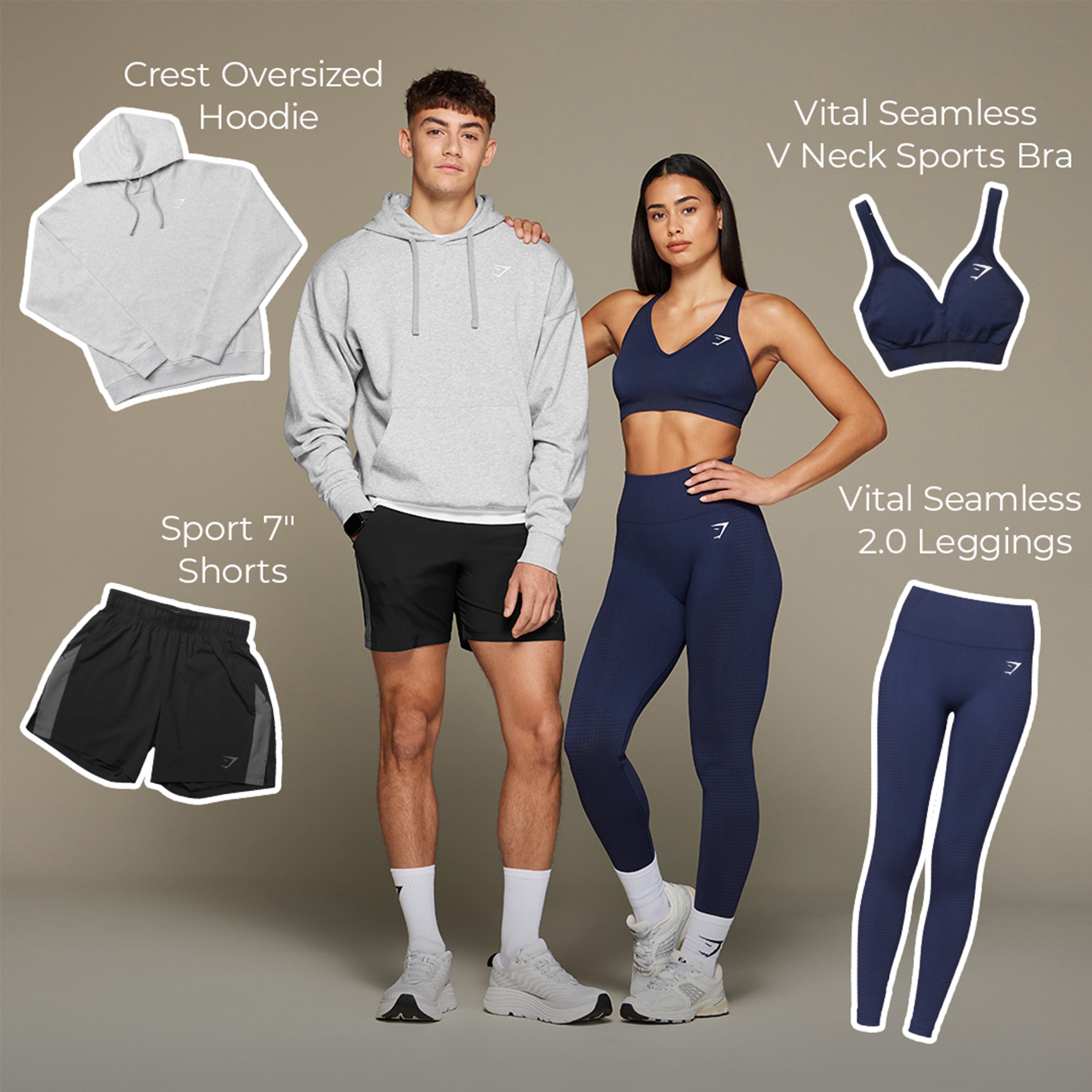
These tips keep your clothes fresh and lasting longer.
Credit: www.gymshark.com
Organizing Your Gym Clothes: Storage Tips
A messy wardrobe makes it hard to find clean gear. Here are easy ways to stay organized.
- Use drawers or baskets for each item.
- Fold shirts and leggings to save space.
- Hang jackets and bras to prevent stretching.
- Keep a separate spot for clean and dirty clothes.
If you train often, keep a backup set in your gym bag. This prevents surprises when you forget to wash.
Should You Have A Separate Gym Clothes Wardrobe?
Some people keep gym clothes with everyday wear; others use a separate drawer. A separate spot makes it easy to grab clean gear and avoid mixing sweaty items with regular clothes.
A separate wardrobe also helps you track how many sets you have. If you see you’re running low, you know it’s time to wash or buy more.
Gym Clothes For Travel And Special Situations
If you travel often or attend fitness events, you may need extra sets.
- For trips: Pack enough for each workout plus one extra.
- For competitions: Bring fresh sets for each event.
- For outdoor workouts: Include weather-appropriate gear.
This prevents running out while away from home. Planning ahead is an expert tip many beginners overlook.
Should You Share Gym Clothes?
Some families or couples share workout gear. This is practical for simple items like jackets or towels but risky for shirts, socks, or bras due to hygiene.
Sharing can save money but increases laundry and risk of spreading germs. It’s best to keep personal items separate.
Gym Clothes For Kids And Teens
Younger gym-goers often need fewer sets, but they grow fast. Buy basics and check fit often. Sports teams may require extra uniforms.
Kids who play sports 2-3 times a week need at least 3-5 sets. Teens may prefer trendy styles, but focus on durability.
Gym Clothes And Gym Etiquette
Many gyms have rules about clothing. Some require shirts, closed-toe shoes, or forbid certain colors. Always check your gym’s policy.
Fresh, clean clothes show respect for others. Wearing dirty or smelly gear can annoy fellow gym-goers and staff.
Gym Clothes And Body Types
Finding the right fit is important. Loose clothes can snag on equipment, while tight clothes may restrict movement.
Try on different brands and styles. Comfort and confidence matter most. Some brands offer plus-size or tall options.
How To Save Space With Your Gym Clothes
If your wardrobe is overflowing, try these tips:
- Choose multi-purpose items (shirts for both gym and casual wear).
- Limit colors to mix and match easily.
- Donate unused gear.
- Use vacuum bags for off-season clothes.
This keeps your collection efficient and easy to manage.
Credit: inphormnyc.com
Gym Clothes And Technology
Modern gym clothes feature moisture-wicking, antimicrobial, and stretch fabrics. Some have built-in sensors for tracking movement.
Investing in technology can improve comfort and performance. However, basic gear works for most people.
Gym Clothes And Social Media Trends
Social media often pushes new styles or brands. While trends can motivate, don’t buy more than you need. Focus on function first.
If you like posting workout photos, plan outfits in advance. But remember: real results come from consistency, not clothes.
Credit: inphormnyc.com
The Impact Of Gym Clothes On Your Workout Routine
Your wardrobe affects how you feel and perform. Fresh, comfortable clothes encourage regular training. Too few sets create stress, while too many can waste money and space.
Choosing the right number and type keeps your routine simple and effective. A practical, well-organized wardrobe supports your fitness goals.
Frequently Asked Questions
How Often Should I Wash My Gym Clothes?
You should wash your gym clothes after every workout. Sweat and bacteria build up quickly. If you train lightly, you may reuse items, but washing keeps them fresh and healthy.
Is It Okay To Reuse Gym Clothes?
It’s possible for light workouts, but for intense sessions, always wear fresh gear. Reusing clothes increases risk of odor and skin irritation.
What’s The Best Fabric For Gym Clothes?
Moisture-wicking fabrics like polyester, nylon, and spandex are best. They keep you dry and comfortable. Avoid pure cotton, which absorbs sweat and smells faster.
How Do I Know If I Have Too Many Gym Clothes?
If you don’t wear some sets for weeks, or your wardrobe feels cluttered, you likely own too many. Focus on what you use regularly and donate extras.
Where Can I Find Quality Gym Clothes?
Many brands offer durable, comfortable gear. Look for brands with good reviews and quality materials. For more guidance, check REI’s expert guide.
Final Thoughts
Finding the right number of gym clothes is personal. There’s no magic number—it depends on your workouts, laundry, style, and budget. The key is to own enough sets to stay clean, comfortable, and motivated without wasting space or money. Track your routine, invest in quality, and organize your wardrobe for easy access.
With the right approach, you’ll always be ready for your next workout—and you’ll never wonder, “Do I have enough gym clothes? ”
