

What'S Business Casual Dress Code: A Complete Style Guide
What’s Business Casual Dress Code
Business casual is one of those phrases you hear often in the workplace, but what does it actually mean? For many, it sits somewhere between formal suits and weekend wear. But getting it right can be tricky, especially since expectations change from office to office.
Whether you’re starting a new job, preparing for an interview, or just want to refresh your wardrobe, understanding business casual is essential. Let’s explore what business casual really means, why it matters, and how you can make it work for you every day.
What Is Business Casual?
Business casual is a dress code designed to keep a professional look while allowing more comfort and personality than strict business formal attire. It’s often described as “polished but relaxed. ” For many offices, business casual is the default expectation during regular workdays and for certain events.
Unlike a formal dress code, business casual doesn’t require a full suit or a tie (for men), or a tailored skirt suit (for women). Instead, it blends elements of professional and casual wear. However, there’s no single set of rules.
What counts as business casual can vary depending on your company, industry, and even the country you’re in.
Key Principles Of Business Casual
- Professional look: You should appear neat, tidy, and ready to work.
- Comfortable fit: Clothing should not be too tight or too loose.
- No extreme fashion: Avoid overly trendy, revealing, or flashy items.
- Neutral colors preferred: While some color is fine, stick to muted tones for a safe bet.
- Quality over brand: You don’t need expensive brands, but your clothes should look well-made and cared for.
Why Is Business Casual Important?
Understanding and following a business casual dress code matters for several reasons. First, it helps you fit in with your team and company culture. People often judge professionalism and credibility at first glance, and your clothing is a big part of that impression.
Second, business casual offers flexibility. Unlike formal dress codes, it lets you show a bit of your personality. You can add accessories, try different colors, or choose comfortable fabrics—while still looking professional.
Finally, business casual helps create a comfortable work environment. Employees who feel at ease in their clothes often focus better and feel more confident. But it’s important not to cross the line into “too casual,” which can look unprofessional.

Credit: thedarkknot.com
Common Business Casual Clothing Items
Business casual is about finding the right balance between comfort and professionalism. Here’s a closer look at what typically fits the business casual category for men and women.
For Men
- Dress shirts: Long-sleeved or short-sleeved, usually in solid colors or subtle patterns. Avoid bright colors or flashy prints.
- Polo shirts: Acceptable in many workplaces, especially in warmer weather.
- Sweaters: Pullover sweaters or cardigans over a collared shirt.
- Blazers or sports coats: Optional but add a polished touch.
- Chinos or dress slacks: No jeans. Stick to navy, gray, black, or khaki.
- Dress shoes: Loafers, Oxfords, or brogues. Avoid sneakers or sandals.
- Belts: Match your belt to your shoes for a coordinated look.
For Women
- Blouses and shirts: Button-down shirts, silk tops, or knit sweaters.
- Knit tops: Avoid T-shirts or anything too revealing.
- Dresses and skirts: Knee-length or midi skirts and modest dresses.
- Dress pants or chinos: Fit is important—no leggings or jeggings.
- Blazers or cardigans: Instantly smarten an outfit.
- Footwear: Flats, loafers, pumps, or low-heeled shoes. Closed-toe is often preferred.
- Accessories: Simple jewelry, scarves, or a professional bag.
Example Business Casual Outfits
- Men: Light blue dress shirt, navy chinos, brown leather loafers, and a gray sweater.
- Women: White blouse, black dress pants, gray cardigan, and black flats.
What Not To Wear In Business Casual
While business casual is flexible, there are still boundaries. Here are common clothing items to avoid:
- Athletic wear: Gym clothes, sweatshirts, or sneakers.
- Graphic T-shirts: Logos, slogans, or large images look unprofessional.
- Ripped or distressed clothing: Even if it’s trendy, it’s not work-appropriate.
- Shorts and mini-skirts: Too informal for the office.
- Flip-flops or sandals: These are for the beach, not work.
- Revealing clothing: Avoid low-cut tops, crop tops, or anything too tight.
How Business Casual Differs From Other Dress Codes
It’s easy to get confused about where business casual fits compared to other dress codes. Here’s a quick look at how it compares.
| Dress Code | Men's Typical Attire | Women's Typical Attire |
|---|---|---|
| Business Formal | Suit, tie, dress shoes | Suit or tailored dress, heels |
| Business Casual | Dress shirt, chinos, loafers | Blouse, skirt/pants, flats |
| Casual | Polo, jeans, sneakers | T-shirt, jeans, sandals |
Business casual sits between business formal and regular casual. It’s more relaxed than a suit-and-tie look but more put-together than jeans and a T-shirt.
Business Casual For Different Industries
Not every workplace means the same thing when they say “business casual.” Here’s how the dress code can change by industry:
Corporate Offices
Most traditional offices (finance, law, consulting) expect a more polished business casual look. Blazers, dress shirts, and smart shoes are common, and jeans are usually not allowed.
Tech And Creative Companies
Startups and creative agencies tend to be more relaxed. You might see high-quality jeans (no rips), smart sneakers, or more color. However, it’s still best to avoid anything too casual unless you see managers dressing that way.
Healthcare And Education
Business casual often means comfortable clothing that’s easy to move in, but still neat. Cardigans, khaki pants, and flat shoes are common.
Retail And Customer-facing Roles
Here, business casual can be more flexible, but you still need to look approachable and tidy. Branded polos, neat slacks, and clean shoes are typical.
Industry Comparison
| Industry | Business Casual Example | Common Exceptions |
|---|---|---|
| Corporate | Blazer, dress shirt, slacks | No jeans or sneakers |
| Tech | Polo, chinos, smart sneakers | Dark jeans may be allowed |
| Education | Knit top, skirt, flats | Comfort prioritized |
The History And Evolution Of Business Casual
Business casual is a relatively recent idea in workplace fashion. Traditional offices once demanded full suits and formal wear every day. But as work cultures changed, especially in the tech industry, companies began to relax their dress codes.
One of the biggest influences was the “Casual Friday” trend, where companies allowed employees to dress down once a week. Over time, this casual approach spread to other days, creating a new middle ground: business casual.
Today, business casual is the norm in many offices around the world. It allows employees to express themselves, feel more comfortable, and still maintain a sense of professionalism.
Business Casual For Different Climates And Seasons
Dressing business casual isn’t always easy when the weather changes. Here’s how to adjust your clothing for comfort and professionalism, no matter the season.
Warm Weather
- Choose lightweight fabrics like cotton or linen.
- Short-sleeved shirts and blouses are fine, but avoid tank tops or spaghetti straps.
- Lighter colors reflect heat and look fresh.
- Closed-toe shoes are still preferred.
Cold Weather
- Layer with sweaters, cardigans, or blazers.
- Wool slacks and long-sleeved shirts keep you warm.
- Scarves and neat boots are good choices, but avoid heavy winter boots inside the office.
- Darker colors are common in winter but not required.
Rainy Or Wet Weather
- Bring an umbrella and a professional raincoat.
- Water-resistant shoes keep your feet dry and still look polished.
Seasonal Clothing Comparison
| Season | Men’s Attire | Women’s Attire |
|---|---|---|
| Spring/Summer | Lightweight shirt, chinos | Short-sleeve blouse, skirt |
| Fall/Winter | Sweater, wool pants | Cardigan, dress pants |
Tips For Building A Business Casual Wardrobe
Building a business casual wardrobe doesn’t have to be expensive or stressful. Here’s how to get started:
- Start with basics: Buy essential pieces like dress shirts, pants, and a blazer in neutral colors.
- Choose quality over quantity: It’s better to have a few well-made items than many cheap ones that wear out quickly.
- Mix and match: Select items that can work together in multiple combinations.
- Pay attention to fit: Clothes that fit well look better, even if they’re simple.
- Add personality with accessories: A watch, scarf, or simple jewelry can make your outfit unique.
- Keep shoes clean and polished: Footwear often gets noticed first.
- Rotate your outfits: Don’t wear the same thing every day, even if you have a favorite.
Non-obvious Insights
- Tailoring makes a big difference: Even affordable clothes look high-end if they fit well. Visit a tailor for small adjustments.
- Invest in outerwear: A good coat or jacket is often the first thing colleagues see. Choose one that works with most of your outfits.
Common Business Casual Mistakes To Avoid
Even with a clear dress code, it’s easy to make mistakes. Here are some common pitfalls and how to avoid them:
- Misreading the room: Always check what your manager or team wears. If in doubt, dress slightly more formally.
- Forgetting about grooming: Wrinkled shirts, scuffed shoes, or unkempt hair ruin a business casual look.
- Wearing jeans when not allowed: Some offices accept dark, neat jeans, but many do not.
- Too many accessories: Keep jewelry, makeup, and cologne or perfume minimal.
- Ignoring company events: Dress codes might change for meetings, presentations, or casual Fridays.
Business Casual For Interviews
Dressing for an interview is always important. If the company says “business casual,” aim for the higher end of the standard. It’s better to be slightly overdressed than too casual.
Interview Dos And Don'ts
- Wear a blazer or a smart jacket, even if you don’t need a suit.
- Choose closed-toe shoes, not sneakers or sandals.
- Make sure your clothes are clean, ironed, and fit well.
- Avoid bold patterns or bright colors that could distract.
- Bring a neat bag or portfolio, not a backpack.
Adapting Business Casual For Remote Work
With more people working from home, business casual has changed again. Video calls often only show your top half, but it’s still important to look professional.
Remote Work Tips
- Wear a neat shirt or blouse for online meetings.
- Avoid pajamas, tank tops, or gym wear—even if you’re home alone.
- Good grooming is still important. Brush your hair and check your background.
- Have a blazer or sweater nearby if you need to look more formal quickly.
Cultural Differences In Business Casual
Business casual expectations aren’t the same everywhere. In some countries, the dress code is more formal; in others, it’s relaxed.
- United States: Business casual is common, especially in tech and creative industries.
- Europe: Some countries (like the UK or Germany) can be more formal.
- Asia: Many offices still prefer traditional business attire, but casual trends are growing.
- Middle East: Modesty is important, so avoid anything revealing.
If you’re working internationally or traveling for business, research local customs. When in doubt, dress a bit more conservatively.
Business Casual And Gender Expression
Business casual has often been described in terms of “men’s” and “women’s” attire. Today, many workplaces are more inclusive. You don’t have to stick to traditional gendered clothing.
- Choose items that fit your style and body comfortably.
- Focus on professionalism and neatness, not specific gender rules.
- Some companies offer guidance for non-binary or gender-fluid dress codes.
If you’re unsure, ask HR for advice. Most organizations want you to feel comfortable and authentic at work.
Business Casual For Plus Sizes
Finding business casual clothing that fits well in larger sizes can be challenging. But options are improving.
- Look for brands that offer plus sizes, not just “one size up” versions.
- Avoid clothes that are too tight or too loose—tailoring can help.
- Darker colors and structured fabrics often look more polished.
- Choose vertical patterns or simple lines for a slimming effect.
Confidence is key. Well-fitted, comfortable clothes will always look more professional.
Sustainable And Ethical Business Casual Choices
The rise of “slow fashion” means more people are choosing sustainable options, even for workwear.
- Choose natural fibers like cotton, linen, or wool.
- Buy fewer, higher-quality pieces that last longer.
- Support brands with ethical labor practices.
- Repair or tailor clothing instead of throwing it away.
Sustainable choices are not only better for the planet—they often save money in the long run.
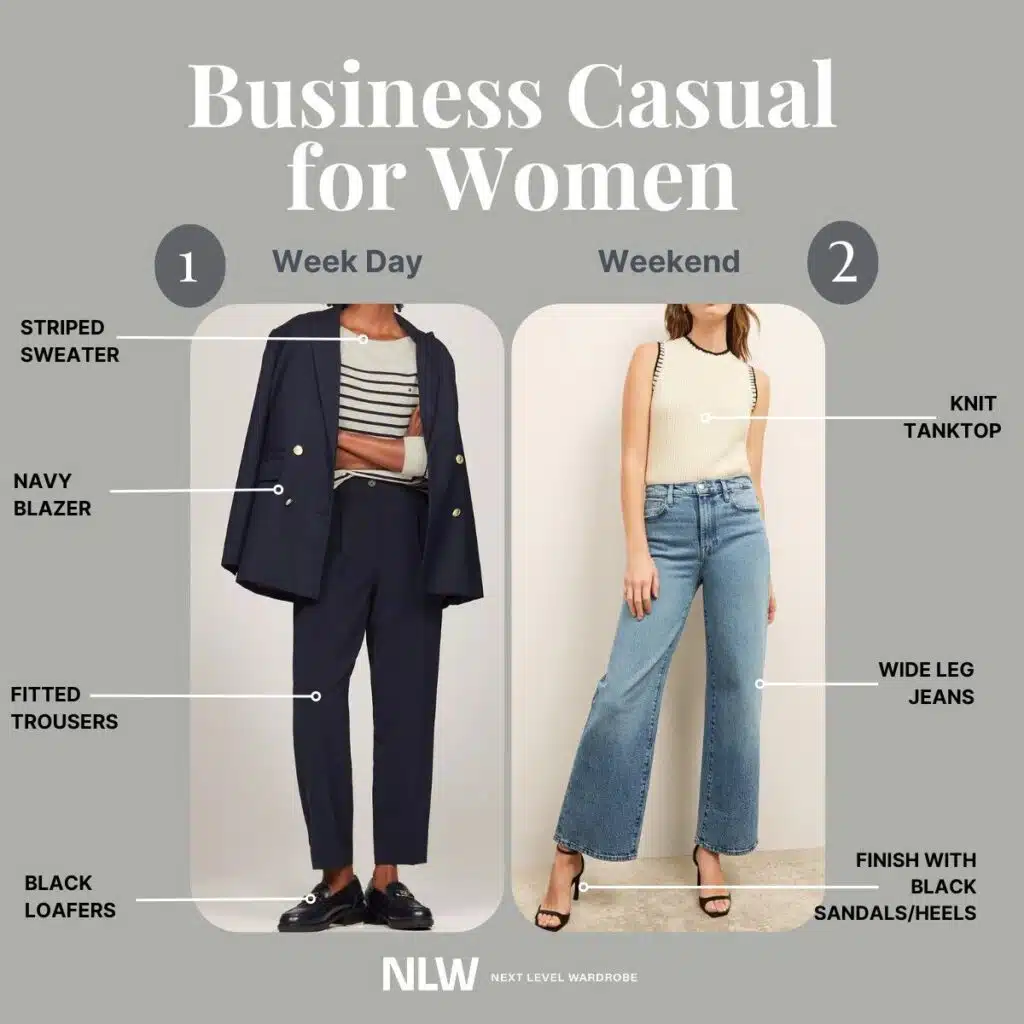
Credit: nextlevelwardrobe.com
Quick Business Casual Checklist
If you’re ever unsure, ask yourself:
- Is this outfit neat and clean?
- Would I feel comfortable meeting a client in it?
- Does it fit well?
- Are my shoes in good shape?
- Am I following company rules and local expectations?
If you answered yes to all, you’re probably on the right track.
The Future Of Business Casual
Workplaces are always evolving, and so is the business casual dress code. Remote work, flexible hours, and new industries are shaping how we dress. The main trend: comfort and authenticity are becoming as important as tradition.
But one thing stays the same: your clothing is part of your professional reputation. Dressing well helps you feel confident, respected, and ready for whatever the workday brings.
For more official guidance and examples, you can visit the Wikipedia page on business casual.
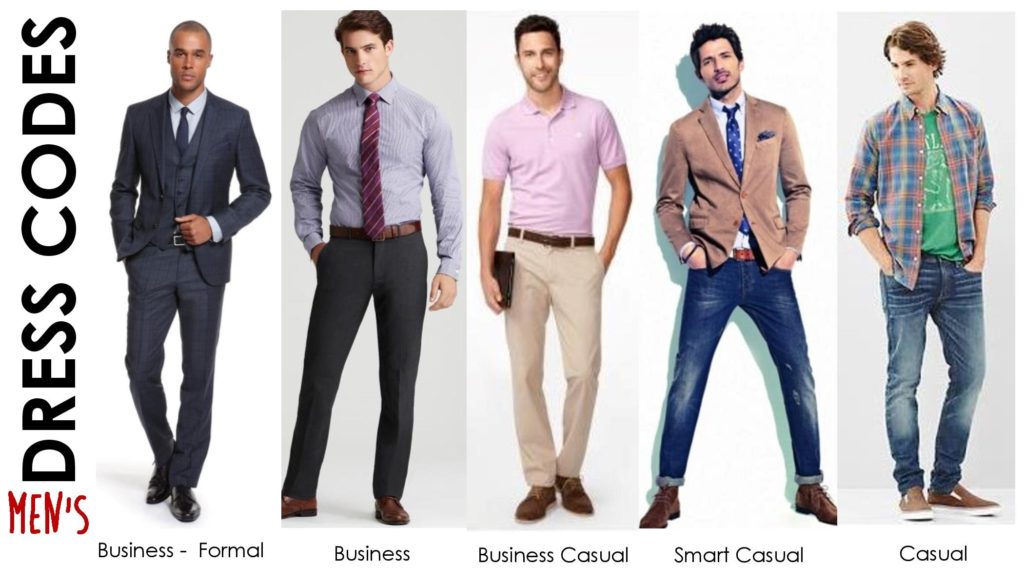
Credit: gardner-webb.edu
Frequently Asked Questions
What Does Business Casual Mean For Men?
Business casual for men usually means wearing a dress shirt or polo, chinos or dress slacks, and dress shoes. Ties are optional. Avoid jeans, sneakers, and anything too casual like T-shirts or hoodies. A blazer or sweater can add a more professional touch if needed.
What Does Business Casual Mean For Women?
For women, business casual includes blouses, sweaters, dress pants, skirts (knee-length or longer), and closed-toe shoes. Dresses should be modest and not too revealing. Avoid leggings, mini-skirts, flip-flops, or clothing that looks like gym wear.
Can I Wear Jeans In A Business Casual Office?
It depends on your company’s rules. Some business casual offices allow dark, neat jeans without rips or distressing. Others do not. When in doubt, choose dress pants or chinos, and observe what your managers wear.
Is Business Casual The Same Everywhere?
No. Business casual can mean different things in different industries, countries, and even companies. Always check your company’s policy or ask HR if you’re unsure. When traveling, research local expectations.
What Are The Most Common Business Casual Mistakes?
The most common mistakes include wearing clothes that are too casual (like T-shirts or sneakers), ignoring grooming, choosing outfits that don’t fit well, or misunderstanding your office’s specific rules. When uncertain, dress slightly more formally, and observe what respected colleagues wear.
Business casual is about balancing comfort, style, and professionalism. By understanding the key principles, you’ll always make a good impression and feel ready for success at work.
