

What is the Difference between Business Casual And Dressy Casual: Style Guide
What Is The Difference Between Business Casual And Dressy Casual
Finding the right outfit for work or social events can be confusing. Many people struggle to understand the difference between business casual and dressy casual. These two styles are popular but often misunderstood. One is common in offices, while the other is seen at social gatherings or upscale restaurants. Yet, the line between them can be blurry. If you have ever wondered what to wear for a “business casual” meeting or a “dressy casual” dinner, you are not alone. This article will help you see the real differences and make better choices. We will look at key features, typical clothing items, common mistakes, and practical examples. You will get clear guidance so you can feel confident in any setting.
Understanding Business Casual
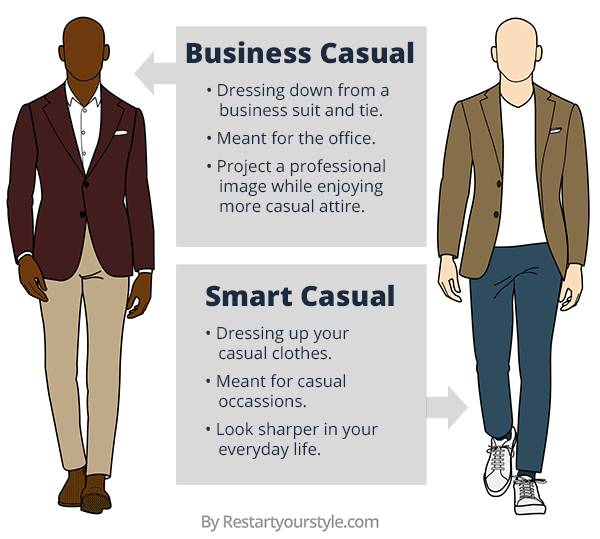
Business casual is a dress code used in many workplaces. It aims for a professional look but is less formal than traditional business attire. It is about showing respect for the office environment, while also allowing some comfort and personality. Still, it is not as relaxed as everyday casual wear.
Key Features of Business Casual:
- Clean, neat, and professional appearance
- No jeans, shorts, or athletic wear
- Neutral or muted colors are preferred
- Simple accessories
- Closed-toe shoes
Typical Clothing For Men
Men usually choose dress slacks, such as chinos or khakis, with a collared shirt. Jackets or blazers are optional, but can add polish. Ties are not required, but sometimes worn for meetings.
Common business casual items for men:
- Button-down shirts or polo shirts
- Dress pants (chinos, khakis)
- Sweaters or cardigans
- Leather belts
- Dress shoes (loafers, oxfords)
Typical Clothing For Women
Women have more options, but the focus is still on neatness and professionalism.
Common business casual items for women:
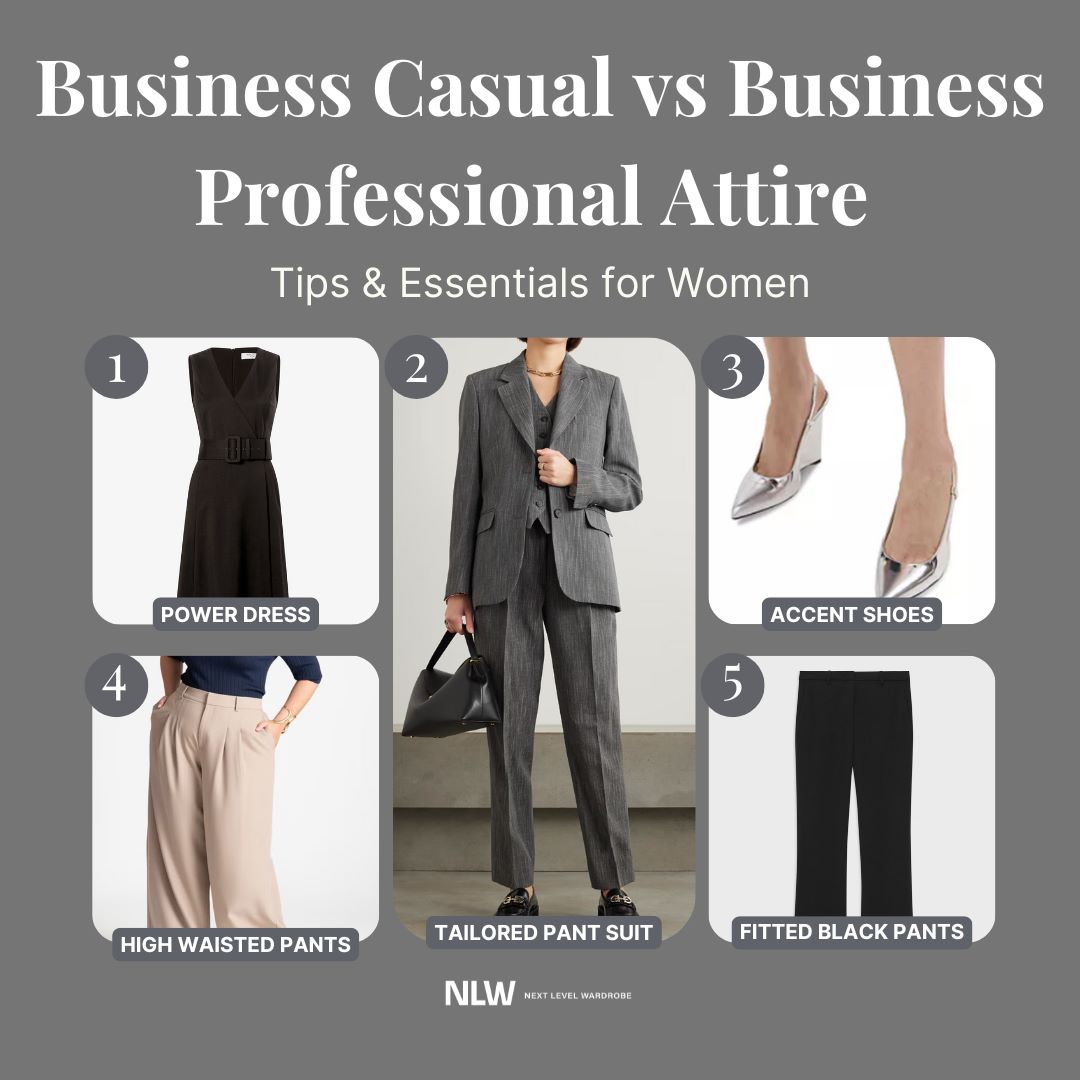
- Blouses or tops with sleeves
- Dress pants or pencil skirts
- Cardigans or blazers
- Simple dresses (knee-length or longer)
- Closed-toe flats or low heels
Non-obvious Insight
Many beginners think business casual means “no suit.” This is only partly true. It is not simply removing a tie or jacket. The overall look should still feel work-appropriate. For example, a bright floral dress or flashy jewelry may not fit business casual, even if it is modest.
Business Casual In Different Workplaces
The definition can change depending on the company. Creative agencies may allow more color and style, while banks prefer strict rules. When in doubt, start more formal and adjust as you learn what others wear. Observing colleagues is a smart strategy.
What Is Dressy Casual?
Dressy casual is a style for social occasions where you want to look polished but not overly formal. It is more relaxed than business casual, yet still above basic casual. You might see this dress code at upscale restaurants, cocktail parties, or family celebrations.
Key Features of Dressy Casual:
- Stylish, comfortable, and a bit playful
- More freedom with colors and patterns
- Accessories can be bold
- Open-toe shoes are acceptable
- Jeans allowed if neat and paired with dressy tops
Typical Clothing For Men
Men can wear nice jeans or tailored pants with a stylish shirt. Jackets are optional. Footwear can be more casual, like loafers or clean sneakers.
Common dressy casual items for men:
- Dark jeans or tailored pants
- Button-up shirts with interesting patterns
- Casual jackets (not business blazers)
- Stylish sneakers or loafers
Typical Clothing For Women
Women often choose dresses, skirts, or pants with fashionable tops. Accessories may be brighter or more creative.
Common dressy casual items for women:
- Dresses (short or midi)
- Skirts (any length)
- Stylish tops and blouses
- Dressy sandals, wedges, or open-toe heels
- Statement jewelry
Non-obvious Insight
Dressy casual is not “anything goes.” The goal is to look put-together. Avoid gym wear, flip-flops, or clothes with stains. Many people make the mistake of wearing outfits that are too relaxed, thinking “casual” means anything.
Where Dressy Casual Is Used
This style is popular at events where you want to impress, but formal attire is not required. Examples include brunches, art openings, and theater visits. It is also common for dates or informal parties.
Business Casual Vs Dressy Casual: Key Differences
To help you see the real difference, let’s compare these styles side by side.
| Feature | Business Casual | Dressy Casual |
|---|---|---|
| Setting | Workplace, meetings, conferences | Social events, dinners, parties |
| Formality Level | Professional, semi-formal | Stylish, relaxed-formal |
| Color Palette | Neutral, muted | Bold, playful |
| Shoes | Closed-toe, dress shoes | Open-toe, casual shoes |
| Accessories | Minimal, simple | Creative, more expressive |
| Jeans | Not allowed | Allowed (if neat) |
Major Differences Explained
- Purpose: Business casual is about professionalism. Dressy casual is about style and comfort.
- Rules: Business casual has stricter rules. Dressy casual lets you show personality.
- Flexibility: Dressy casual allows more creativity. Business casual is safer and more uniform.
Real-life Example
Imagine you are attending a company meeting. You wear dress pants, a collared shirt, and closed-toe shoes. This fits business casual. Now, imagine going to a friend’s birthday dinner at a nice restaurant. You choose a stylish dress or dark jeans with a smart top.
This is dressy casual.
How To Choose Between Business Casual And Dressy Casual
When faced with a dress code, ask yourself these questions:
- What is the event? If it is work-related, lean toward business casual. For social gatherings, dressy casual is often fine.
- Who will be there? If senior managers or clients are present, choose business casual. For friends or family, you can relax a bit.
- What message do you want to send? Business casual signals reliability and respect. Dressy casual shows creativity and confidence.
- Where is it held? Offices usually require business casual. Trendy restaurants or lounges prefer dressy casual.
Practical Advisor Tips
- If unsure, start more formal. You can always remove a jacket or tie.
- Look for event photos online to see what others wear.
- When shopping, try to build a wardrobe with pieces that can work for both styles. For example, a classic blazer can fit both codes.
Credit: restartyourstyle.com
Typical Mistakes People Make
Many people mix up business casual and dressy casual. Here are common errors to avoid:
- Wearing jeans to business casual events. Even neat jeans are usually not accepted.
- Choosing flashy colors for business casual. Stick to neutral or muted tones.
- Being too relaxed with dressy casual. Avoid gym clothes, shorts, or flip-flops.
- Over-accessorizing for business casual. Keep jewelry and watches simple.
- Ignoring shoes. Shoes matter more than most realize. Closed-toe for business, open-toe or stylish for dressy casual.
- Mistaking business casual for everyday casual. T-shirts and sneakers are not business casual.
Data: Survey On Dress Codes
A survey by the Society for Human Resource Management found that about 55% of workplaces use a business casual dress code. In contrast, most social events do not set strict rules, but “dressy casual” is often recommended for upscale gatherings.
Clothing Items: What Works For Each Style
Let’s look at specific items for both codes.
| Item | Business Casual | Dressy Casual |
|---|---|---|
| Blazer | Classic, structured | Fashionable, relaxed |
| Shirt/Top | Button-down, solid colors | Patterned, trendy |
| Pants | Dress slacks, chinos | Jeans, tailored pants |
| Dress | Knee-length, modest | Shorter, playful |
| Shoes | Loafers, oxfords | Sandals, wedges |
| Accessories | Minimal | Bold, creative |
How To Build A Versatile Wardrobe
You do not need a huge closet to cover both styles. Here is how to build a smart wardrobe:
- Start with basics: Neutral pants, classic shirts, and simple blazers work for business casual.
- Add statement pieces: Stylish tops, patterned dresses, and bold jewelry for dressy casual.
- Choose shoes wisely: One pair of closed-toe dress shoes and one pair of trendy sandals or loafers can cover most needs.
- Mix and match: Some items, like cardigans or dark pants, can fit both codes. Try pairing a classic blazer with jeans for dressy casual.
Experience-based Guide
Many people waste money buying clothes for every dress code. Instead, focus on versatile pieces. For example, a white button-down shirt can work in business casual with dress pants, and in dressy casual with jeans and a statement necklace.
Seasonal Considerations
Dress codes can change with the seasons. Here is how to adapt:
- Summer: Light fabrics, short sleeves, and brighter colors are popular in dressy casual. For business casual, stick to modest cuts and avoid shorts.
- Winter: Layer with sweaters, cardigans, or blazers. Boots are good for both codes, but pick classic styles for business casual and trendy ones for dressy casual.
- Spring/Fall: Add scarves or light jackets. Patterns and colors become more acceptable in dressy casual.
Non-obvious Insight
Some workplaces allow dressy casual on Fridays, known as “casual Friday. ” However, remember that this does not mean gym wear. Always check company policies.
Credit: nextlevelwardrobe.com
How Gender Influences Dress Codes
Both styles offer choices for men and women, but expectations can differ.
For Men
Business casual often means a collared shirt and dress pants. Dressy casual allows for more freedom with prints and shoes. For example, men might wear a patterned shirt and stylish sneakers to a social event.
For Women
Women can express more personality in both codes. Dressy casual lets them wear shorter dresses, bold colors, and creative accessories. Business casual is stricter, focusing on modesty and professionalism.
Data: Gender And Dress Code Perceptions
Research shows that women are more likely to be judged by their outfit choices in the workplace. For social events, both genders feel pressure to look stylish, but women tend to experiment more.
The Role Of Accessories
Accessories are a great way to show style, but they must fit the dress code.
Business Casual
Choose simple watches, subtle necklaces, and small earrings. Avoid anything that draws too much attention.
Dressy Casual
Go for statement jewelry, colorful scarves, or trendy belts. Bags can be more playful. This is your chance to express personality.
Common Mistake
Some people think one accessory fits all occasions. In reality, a chunky necklace may work for dressy casual but look out of place in a meeting.

Credit: www.hockerty.com
Shoes: The Often Overlooked Detail
Shoes can make or break an outfit. Many people focus on clothes and forget the shoes.
Business Casual
Stick to closed-toe shoes. Loafers, oxfords, and simple flats are best. Avoid sneakers, sandals, or boots with flashy details.
Dressy Casual
Try open-toe heels, wedges, or clean sneakers. Shoes can be colorful or patterned. Comfort is key, but avoid flip-flops or worn-out shoes.
Example
A pair of black leather loafers fits business casual perfectly. Swap them for trendy sandals, and you have a dressy casual look for a party.
Cultural Differences In Dress Codes
Dress codes are not the same everywhere. In some countries, business casual is stricter; in others, dressy casual is the norm for many events.
Us
Business casual is common in offices. Dressy casual is seen at social gatherings.
Europe
Dress codes can be more formal. Even dressy casual may require dress pants and smart shirts.
Asia
Conservative styles are often preferred for business casual. Dressy casual is less common in formal settings.
Practical Tip
If traveling, research local expectations or ask hosts about the dress code. This avoids awkward moments.
Dress Codes For Different Age Groups
Age can influence how you approach dress codes.
Young Professionals
Often prefer stylish, modern outfits. Dressy casual is popular for networking or after-work events.
Mid-career Adults
Focus on professionalism. Business casual is the norm for most meetings.
Seniors
May stick to classic styles. Comfort is important, but neatness matters.
Data: Age And Dress Code Choices
A poll showed that younger workers are more likely to blur the line between business and dressy casual. Older adults prefer clear boundaries.
How Dress Codes Affect Perception
What you wear shapes how others see you. The right dress code can help you make a good impression.
Business Casual
Shows reliability, respect, and professionalism. Helps you earn trust in the workplace.
Dressy Casual
Signals creativity, confidence, and social skill. Makes you stand out at events.
Statistic
A study found that people wearing business casual were seen as more trustworthy by colleagues. Those in dressy casual were viewed as more approachable at social gatherings.
How Companies Set Dress Codes
Dress codes are set for practical reasons. They help create a consistent look and avoid distractions.
Business Casual Policies
Companies may list specific rules, such as “no jeans” or “no sneakers. ” Some provide examples or pictures.
Dressy Casual Guidelines
Usually seen in invitations, not workplaces. Hosts may say “dressy casual” to encourage guests to look stylish, but not formal.
External Resource
For more information about workplace dress codes, you can visit Society for Human Resource Management.
Common Questions About Dress Codes
Many people still feel confused. Here are quick answers to frequent questions.
| Question | Business Casual | Dressy Casual |
|---|---|---|
| Are jeans allowed? | No | Yes, if neat |
| Can you wear sneakers? | No | Yes, if stylish |
| Is a tie required? | Optional | No |
| Can women wear short dresses? | No | Yes |
| Are bright colors okay? | No | Yes |
Frequently Asked Questions
What If I Am Not Sure About The Dress Code For An Event?
If you are uncertain, start with business casual. It is safer and shows respect. You can adjust your outfit if you see others dressed differently. Asking the host or checking event photos online can help.
Can I Mix Elements From Both Business Casual And Dressy Casual?
Yes, but do so carefully. For example, pairing a classic blazer with dark jeans works for many events. Avoid mixing too many casual items with business pieces. Keep the overall look neat and balanced.
How Do I Avoid Feeling Uncomfortable In A New Dress Code?
Try the outfit at home first. Look in the mirror and ask yourself if you feel confident. If not, make small changes. Comfort is important, but never sacrifice neatness. Observing others at the event is a good way to learn.
Are There Any “unwritten Rules” For These Dress Codes?
Yes. For business casual, avoid loud patterns, strong perfumes, or distracting accessories. For dressy casual, don’t wear gym clothes or anything too revealing. These rules are not written, but most people follow them.
What Should I Do If The Dress Code Is Not Clear In The Invitation?
Contact the organizer or host. It is better to ask than guess. If you cannot reach anyone, choose business casual for formal events and dressy casual for social gatherings. Being slightly overdressed is usually better than underdressed.
Choosing the right outfit is more than following rules. It is about feeling confident and making a positive impression. Understanding the real difference between business casual and dressy casual gives you freedom and clarity. Remember, the event, the people, and the message you want to send will guide your choice.
With these insights and practical tips, you can approach any occasion with confidence and style.
