

What to Wear to the Gym If You Don’t Have Gym Clothes: Easy Solutions
Finding motivation to exercise is tough enough. But what if you want to hit the gym and realize you don’t own any special gym clothes? Maybe you’re just starting out, your workout clothes are still in the laundry, or you simply don’t want to invest in a new wardrobe before you’re sure you’ll stick with it. The good news: you don’t need branded gear to get started. With some creativity and smart choices, you can build a practical workout outfit from regular clothes you already have. This guide will show you exactly how to do it, what to avoid, and how to make the most of what’s in your closet.
Understanding What Gym Clothes Actually Do
Before you start picking out items, it helps to know why people wear gym clothes in the first place. Traditional workout gear is designed for three main reasons:
- Comfort: It stretches with your movements.
- Moisture management: It wicks sweat away, keeping you dry.
- Safety: It reduces the risk of chafing and injury.
When you don’t have gym clothes, your goal is to find regular clothes that can do these jobs well enough. This means looking for items that are soft, not too loose or tight, and made from materials that breathe or dry quickly.
Key Factors When Choosing Non-gym Clothes
Let’s break down what you really need to consider before heading to the gym in everyday clothes.
Fabric Matters Most
The material of your clothing will make the biggest difference. Cotton is common, but it soaks up sweat and can get heavy. Synthetics, like polyester blends, dry faster and feel lighter. If you don’t have sportswear, look for:
- T-shirts or tops with a higher percentage of polyester or rayon
- Old button-down shirts made from lightweight fabrics
- Undershirts that are smooth and thin
Try to avoid thick, stiff denim or wool, which trap heat and restrict movement.
Fit And Freedom Of Movement
Your clothes shouldn’t be too baggy or too tight. Oversized items can catch on equipment, while very tight clothes can limit your range of motion or cut off circulation. Look for:
- Relaxed-fit t-shirts that let your arms move freely
- Stretchy pants like leggings, jeggings, or pajama bottoms
- Shorts that don’t ride up or fall down
A good test: raise your arms, squat, or jog in place in your outfit before you leave home. If anything feels uncomfortable, choose something else.
Layers And Temperature Control
Gyms can be unpredictable—some are cold, others hot. Layering lets you adjust your outfit as you warm up. Grab:
- A zip-up hoodie or light sweater
- A simple tank top under a shirt
- An old cardigan you can take off easily
Don’t wear heavy coats or thick sweaters, which can make you sweat too much and become uncomfortable.
Safety And Modesty
When you’re new to working out, you might worry about how you look. The truth is, most people at the gym are focused on themselves. Still, choose clothes that cover you well when you stretch, bend, or lift. Avoid:
- Low-cut tops
- Skirts or dresses (even with leggings, they can ride up)
- Loose shorts without liners
If you’re unsure, do a few test movements in front of a mirror.
Top Picks: What To Wear To The Gym Without Gym Clothes
You don’t need to buy anything new. Here are the best options for each part of your body, with tips on picking from your current wardrobe.
Tops
1. Basic T-shirts
Any plain cotton or cotton-blend t-shirt works for most gym workouts. If you have a softer, thinner shirt, that’s even better. Avoid heavy graphics or decorations that can irritate your skin.
2. Tank Tops Or Sleeveless Undershirts
Great for weight training or cardio. Just check that armholes aren’t too large for modesty. Choose ones that aren’t see-through.
3. Button-down Shirts
A lightweight, short-sleeve button-down shirt (think casual summer shirts) can work. Leave the bottom few buttons open for more movement.
4. Long-sleeve Tees
If it’s cold or you prefer more coverage, wear a fitted long-sleeve shirt. Roll up the sleeves if you get hot.
Bottoms
1. Leggings
Any plain leggings or jeggings without thick seams can double as gym pants. Dark colors hide sweat better.
2. Pajama Pants
Many pajama pants are made from soft, stretchy fabrics. Avoid anything too loose around the ankles.
3. Basketball Shorts Or Swim Trunks
If you have loose-fitting shorts, they’re usually fine for cardio or machines. Make sure they have a drawstring or elastic that holds well.
4. Casual Shorts
Khaki or denim shorts can work for some upper-body workouts, but aren’t ideal for running or stretching.
5. Yoga Pants
If you own a pair—even for lounging—they’re perfect for the gym.
6. Track Pants Or Sweatpants
Old track pants, even if not branded, work for all activities. Just avoid heavy fleece if you sweat a lot.
Underwear
1. Sports Bras
If you don’t own one, wear your most supportive bra. Avoid lace or underwire, which can chafe.
2. Boxers Or Briefs
Choose seamless or soft underwear. Avoid any with rough seams or tags.
3. Compression Shorts
If you own tight-fitting bike shorts, these can work as a base layer under other shorts.
Footwear
1. Old Sneakers
The most important part is grip and support. Any clean, non-slip sneaker with a flat sole is better than sandals or dress shoes.
2. Slip-on Canvas Shoes
These are OK for weightlifting or machines, but not ideal for running.
3. Walking Shoes
Any comfortable shoe with a closed toe and heel.
4. No Open-toe Shoes
Never wear flip-flops, slides, or sandals; they’re unsafe around equipment.
Socks
1. Athletic Socks
If you have them, great. Otherwise, any clean crew or ankle sock works. Avoid dress socks, which can slip.
2. No Socks
Never go barefoot in the gym. It’s unsafe and unhygienic.
Accessories
1. Headbands Or Bandanas
Use one to keep sweat out of your eyes.
2. Old Baseball Cap
Helps keep hair back and sweat away.
3. Towels
If your gym doesn’t provide towels, bring a small hand towel from home.
How To Mix And Match For Different Workouts
The type of workout you plan to do should affect what you wear. Here’s how to adapt your outfit for common gym activities.
Cardio (treadmill, Elliptical, Rowing Machine)
- Wear a t-shirt or tank top that breathes well.
- Pick shorts or leggings that won’t ride up.
- Avoid heavy pants or long sleeves; you’ll get hot quickly.
Weightlifting
- You can wear slightly looser clothing if you want.
- A fitted top helps you see your form in the mirror.
- Choose bottoms that allow you to squat and bend easily.
Yoga Or Stretching
- Pick leggings or pajama pants for flexibility.
- A fitted top prevents your shirt from falling over your head during poses.
- Avoid jeans or tight, stiff pants.
Group Classes (zumba, Hiit)
- Layer a tank top under a t-shirt for easy cooling.
- Shorts or capri-length pants are best.
- Bring a towel and headband for sweat.
Example Mix-and-match Outfits
Here’s how you can build a gym-ready outfit from regular clothes:
- Outfit 1: Soft cotton t-shirt + pajama pants + old sneakers
- Outfit 2: Tank top + yoga pants + athletic socks + headband
- Outfit 3: Lightweight button-down (sleeves rolled) + leggings + slip-on canvas shoes
What To Avoid: Common Mistakes With Non-gym Clothes
Even if you’re using regular clothes, some choices are best left at home.
Denim
Jeans restrict movement, especially for leg exercises. The fabric is stiff and holds sweat. If you must wear denim, choose stretchy jeggings.
Heavy Fabrics
Wool or thick cotton gets hot and can cause you to overheat. Stick to lighter materials.
Zippers And Buttons
Pants with a lot of hardware can press into your skin when you sit or move. That’s uncomfortable and can leave marks.
See-through Fabrics
Some thin materials become transparent when stretched or sweaty. Check in good lighting before you leave.
Baggy Clothes
Very oversized clothes can get caught in machines or weights. Tuck in shirts or roll up sleeves if needed.
Flip-flops And Sandals
These are never safe in the gym. You risk dropping weights on your feet or slipping.
Slogan Or Offensive Shirts
Gyms are shared spaces. Avoid clothing with bold, controversial, or offensive prints.
How To Make Regular Clothes More “gym-ready”
With a few adjustments, you can improve comfort and safety:
- Tuck in loose shirts to keep them from catching on machines.
- Roll up pants to avoid tripping.
- Secure drawstrings on shorts or pants tightly.
- Bring a change of clothes if you plan to go out after the gym.
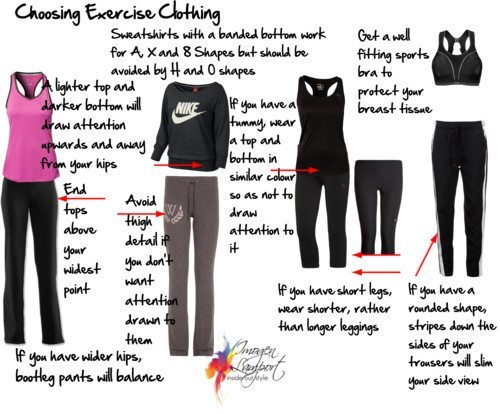
If your shirt is too long, tie a knot in the front or back. If your pants are slipping, fold over the waistband for a tighter fit.
Credit: insideoutstyleblog.com
Hygiene Tips When Using Non-gym Clothes
Regular clothes may not be as breathable as sports gear, so managing sweat and odor is important.
- Shower as soon as possible after your workout.
- Wash clothes after every use. Sweat can cause bacteria and odors.
- Bring a towel to wipe off machines and your body during workouts.
- Use deodorant before you go, and reapply if needed.
- Pack a plastic bag for sweaty clothes if you’re not going straight home.
How To Stay Confident In Non-gym Clothes
Worried about standing out? Most gym-goers are more focused on their own routines than what others are wearing. Here’s how to feel confident:
- Plan your outfit the night before to avoid stress.
- Keep your posture strong—shoulders back, head up.
- Focus on your workout, not your appearance.
- Remember your goal—you’re there to get healthier, not win a fashion show.
If someone does notice your outfit, it’s more likely they’ll admire your resourcefulness rather than judge you.
When Should You Invest In Real Gym Clothes?
Working out in regular clothes is fine for beginners or occasional gym visits. However, if you notice any of these signs, it might be time to buy some athletic wear:
- You’re sweating so much your clothes stay wet and heavy.
- You get rashes or chafing in the same spots.
- Your clothes restrict your movement or make you uncomfortable.
- You plan to exercise regularly and want something more durable.
Most people can wait until they’re sure they’ll stick with the gym before buying special gear. When you’re ready, invest in a few key items, like a supportive sports bra, moisture-wicking t-shirt, and good shoes.
Real-world Stories: Starting Without Gym Clothes
Many people have started their fitness journey without any gym clothes. Some found it actually helped them focus more on the workout, not the look. For example, a new gym-goer wore pajama pants and a plain shirt for her first month.
She said she felt less pressure to “fit in” and more freedom to just show up and move.
Another person started with just old basketball shorts and a school t-shirt. He only bought gym gear after three months, when he knew he’d keep going. He found that his regular clothes worked well enough, and investing later meant he chose gear he really liked.
Comparing Regular Clothes And Gym Clothes
Let’s see how common regular clothes compare to gym clothes in comfort, safety, and sweat management:
| Clothing Type | Comfort Level | Safety | Sweat Management |
|---|---|---|---|
| Cotton T-shirt | Good | Safe | Poor (gets heavy) |
| Leggings | Excellent | Safe | Moderate |
| Pajama Pants | Good | Safe if not too loose | Poor |
| Sportswear | Excellent | Very safe | Excellent |
Practical Examples: Outfits For Different Weather
Weather can affect your comfort at the gym, especially if you walk or bike there. Here’s how to adapt your regular clothes for different conditions:
Hot Weather
- Choose a tank top or short-sleeve t-shirt.
- Wear lightweight shorts or capri leggings.
- Bring a small towel for sweat.
- Avoid layers.
Cold Weather
- Wear a long-sleeve tee or light sweater you can remove.
- Use leggings under shorts or pants for extra warmth.
- Bring an extra shirt to change into if you sweat.
Rainy Or Humid Weather
- Pack a dry shirt to change into at the gym.
- Wear quick-drying clothes if possible.
- Bring a plastic bag for wet items.

Credit: themomedit.com
Pros And Cons: Working Out In Regular Clothes
To help you decide if you should invest in gym gear or stick with what you have, here’s a quick comparison:
| Pros | Cons |
|---|---|
| Save money | May get heavy with sweat |
| Use what you have | Possible chafing |
| No need to shop | Limited movement in some outfits |
| More relaxed style | Less durable |
Useful Tips For First-time Gym-goers Without Gym Clothes
- Pack an extra shirt in case you sweat a lot.
- Try your outfit at home—move, stretch, and check comfort.
- Bring a water bottle; staying hydrated matters more than your outfit.
- Don’t be afraid to ask staff if your clothes are OK for their gym.
- Focus on your progress, not your outfit.
The Power Of Starting Now
Waiting to buy the “perfect” gym outfit is a common way to delay starting your fitness journey. But every day you wait is a day lost. Using regular clothes removes this barrier. Many experienced gym-goers started with what they had and only upgraded once they built the habit.
A surprising insight: most beginners worry more about their clothes than regular gym users do. In reality, your confidence and effort will stand out more than your outfit.
When To Absolutely Change Clothes
There are a few cases where you should change out of regular clothes before working out:
- If your outfit is stiff or restrictive
- If it’s made from delicate fabric that could tear
- If it has strong odors already (sweat, food, smoke)
- If it’s transparent when stretched
If any of these apply, choose something else—even if it means doing laundry first.
A Quick Checklist Before You Leave
Run through these questions before you head to the gym in your chosen outfit:
- Can I move freely in all directions?
- Will sweat make the fabric uncomfortable?
- Are all private areas covered, even when stretching?
- Are my shoes safe and closed-toe?
- Do I have a towel and water?
If you answer “yes” to all, you’re good to go.
Extra Insight: Why Dress Codes Exist In Gyms
Some gyms set clothing rules for safety and hygiene. For example, tank tops might not be allowed, or closed-toe shoes may be required. Always check your gym’s policy on their website or ask the front desk. Most rules exist to protect you and keep the equipment clean for everyone.
If you’re unsure, play it safe and dress modestly with covered shoes.
For more on the benefits of proper workout clothes, you can read this Healthline article.

Credit: www.beautiful-solutions.co.uk
Frequently Asked Questions
What If I Only Have Jeans Or Office Clothes?
Jeans are not ideal because they limit movement and trap sweat. Office clothes, especially dress shirts or trousers, can rip or become uncomfortable. If you have nothing else, do low-impact exercises like walking or light stretching, and change as soon as possible.
How Often Should I Wash Regular Clothes After The Gym?
You should wash any clothes after each gym session, especially underwear and socks. Sweat and bacteria can build up quickly in non-gym fabrics.
Is It Ok To Wear The Same Outfit Every Time?
You can repeat outfits if you wash them between uses. If you sweat a lot, consider rotating two or more sets to allow clothes to dry fully.
Can I Work Out In Pajamas?
Yes, as long as they’re stretchy and not too loose. Many pajama pants are similar to sweatpants or leggings. Avoid anything with large buttons or thick seams.
What’s The Best Shoe Option If I Don’t Have Sneakers?
If you don’t have sneakers, choose closed-toe shoes with a flat sole, like canvas slip-ons. Avoid sandals, flip-flops, or boots, as they’re unsafe and uncomfortable.
Getting started is more important than what you wear. With these tips, you can confidently walk into the gym, focus on your workout, and let your results—not your outfit—do the talking.
