

How Many Gym Clothes Should I Have for an Active Lifestyle?
How Many Gym Clothes Should I Have
Choosing how many gym clothes you need is a common question, especially for people starting a fitness routine or wanting to keep their wardrobe simple. Maybe you just joined a gym, or you’re tired of washing the same shirt every day.
The right number isn’t the same for everyone. It depends on how often you work out, your washing routine, your fitness goals, and your personal style. If you’ve ever wondered whether you own too much or too little, this guide will help you find a balance that fits your life.
Some people buy a lot of activewear, but never use half of it. Others may have only one or two outfits and struggle to keep up with laundry. Having the right amount saves you time, money, and stress. It also makes your workouts more enjoyable because you always have something clean and comfortable to wear.
Why The Right Amount Of Gym Clothes Matters
It’s easy to think you can wear the same clothes again and again, but gym clothes are different. When you exercise, you sweat. Even the best fabrics get smelly or uncomfortable if not washed often. Too few outfits and you might skip a workout.
Too many and you waste money or closet space.
Hygiene is a main reason. Sweat left in clothes grows bacteria, which causes odor and can irritate your skin. Clothes that stay damp can also cause rashes or fungal infections. Wearing fresh, dry clothes every session keeps you healthy.
Another reason is motivation. The right outfit can boost your confidence and make you more excited to exercise. If you’re always searching for something clean or feel embarrassed by old, faded shirts, it affects your mood.
Finally, practicality. Washing gym clothes every day is hard for many people. If you exercise often, you need enough outfits to last between laundry days. But you don’t need a huge collection. The goal is to find a number that fits your schedule and lifestyle.
Main Factors That Decide How Many Gym Clothes You Need
Everyone’s answer is different. Think about these points:
1. How Often You Work Out
If you go to the gym three times a week, you need fewer outfits than someone who exercises every day. The more often you train, the more clothes you need.
2. How Often You Do Laundry
If you wash clothes every day, you need fewer gym outfits. If you do laundry once a week, you need more.
3. Types Of Exercise
Heavy cardio or HIIT makes you sweat more, so you’ll want a fresh outfit each time. Yoga or stretching might allow you to wear items twice if they’re still clean.
4. Weather And Season
In hot climates, you sweat more and need more changes. In cold weather, you might layer up and need extra tops or jackets.
5. Personal Style And Comfort
Some people like basic, neutral outfits. Others want bright colors or different styles for different days.
6. Storage Space And Budget
If you have a small closet or a tight budget, you’ll want to keep your collection simple and practical.
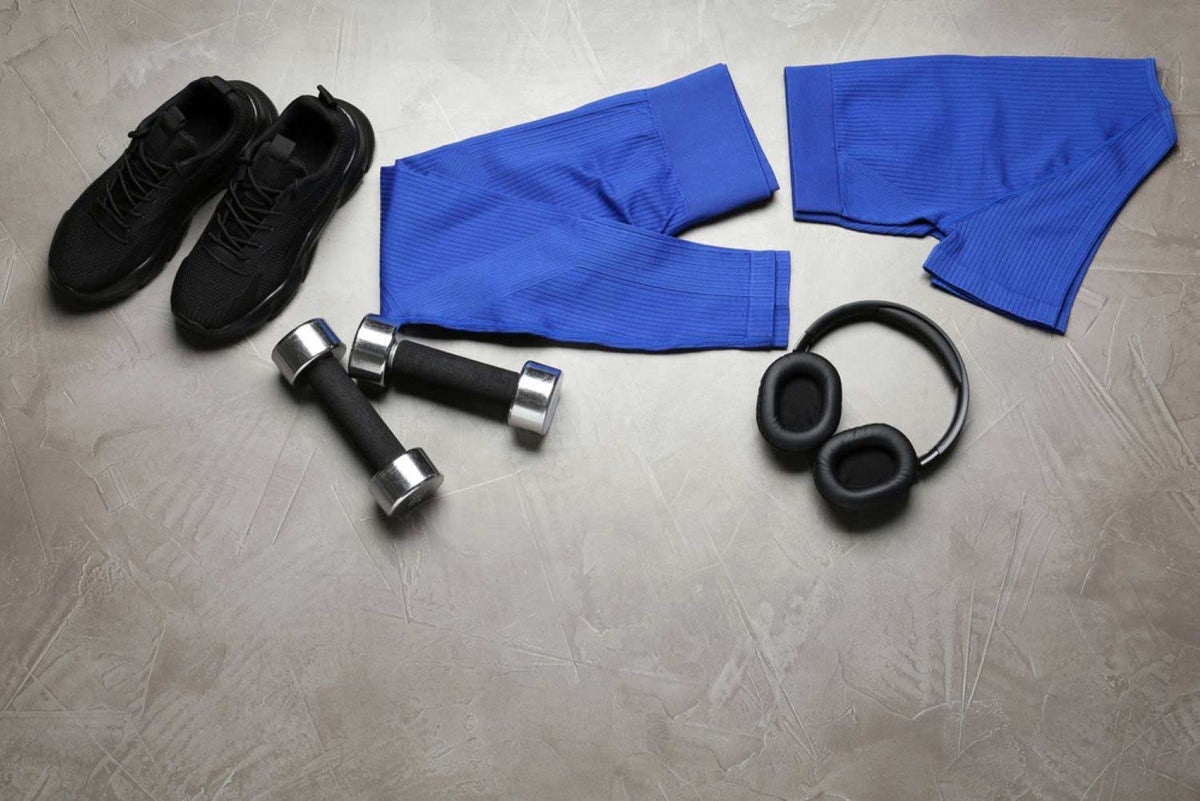
Credit: inphormnyc.com
The Basic Gym Clothes You Need
Let’s look at what a basic gym wardrobe might include. These are the essentials for most people:
- Workout tops (T-shirts or tank tops)
- Sports bras (for women)
- Workout shorts or leggings
- Socks
- Underwear
- Hoodie or jacket (for warm-up or outdoor exercise)
- Gym shoes
How many of each should you own? It depends on your routine. Here’s an example for someone who exercises 3-5 times per week and does laundry weekly:
- 3-5 workout tops
- 3-5 sports bras (women)
- 3-5 shorts or leggings
- 5 pairs of socks
- 5 pairs of underwear
- 1-2 hoodies or jackets
- 1-2 pairs of gym shoes
This covers one fresh outfit per workout, plus a spare in case you miss laundry day.
How To Calculate Your Ideal Number
Here’s a simple way to decide:
- Count your weekly workouts.
- Divide by laundry days per week.
- Add one extra set for emergencies.
Example: If you work out 4 days and do laundry once a week, you need at least 5 outfits.
Pro tip: If you do laundry twice a week, you can get by with fewer clothes.
Sample Calculation Table
| Workouts per Week | Laundry Days per Week | Minimum Outfits Needed |
|---|---|---|
| 2 | 1 | 2-3 |
| 3 | 1 | 4 |
| 5 | 1 | 6 |
| 7 | 2 | 4-5 |
This table helps you see that the less you wash, the more you need. Always keep one extra set for surprise situations—like a sudden class or a forgotten load of laundry.
Breaking Down Each Gym Clothing Item
Workout Tops
Workout tops are the base of your gym outfit. They soak up sweat and keep you comfortable. Cotton is soft but holds sweat. Synthetic fabrics like polyester dry faster and stay lighter. Some people prefer tank tops for movement, others like T-shirts for coverage.
If you sweat a lot or do high-intensity workouts, you may want a clean top every session. For gentler activities, you might use one top twice before washing. But always check for smell and stains.
Insider tip: Rotate your tops to make them last longer. Don’t always wear your favorite first; give all tops equal use.
Sports Bras
For women, a good sports bra is essential. The right fit prevents pain and injury. You need at least as many sports bras as workouts per week. High-impact activities (running, HIIT) need stronger support than yoga or pilates.
Sports bras should be washed after every use. Sweat and oils can break down the fabric if left too long. Some women like to own extra bras to avoid daily washing.
Non-obvious insight: Sports bras wear out faster than most gym clothes. Watch for stretched bands or straps—they signal it’s time for a new one.
Shorts, Leggings, Or Pants
Bottoms depend on your activity and style. Shorts are great for hot gyms or cardio. Leggings work for colder weather, yoga, or strength training. Choose a fabric that stretches and doesn’t become see-through.
Have at least one pair for each workout day, plus one spare. If you go straight to work or errands after, you might need more to keep your look fresh.
Example: If you work out 4 times a week, own 5 pairs of shorts/leggings.
Socks
Clean, moisture-wicking socks prevent blisters and odor. Cotton socks can get soggy, so look for athletic or synthetic options.
Socks should be changed after every workout. Most people need as many pairs as gym sessions per week, plus a few extra.
Practical insight: Keep a pair of spare socks in your gym bag for emergencies. Wet socks can ruin a workout.
Underwear
Some people wear special athletic underwear for comfort and moisture control. Others use regular underwear. Either way, change after every session.
Have at least one pair per gym day, plus a backup.
Pro tip: Avoid cotton if you sweat a lot; try synthetic blends to stay dry.
Hoodies Or Jackets
A hoodie or light jacket is useful for warm-ups, cool-downs, or outdoor workouts. One or two is enough for most people. You don’t need a new one every day unless it gets sweaty.
Non-obvious insight: Wash outer layers less often, but clean them if you notice smells or stains.
Gym Shoes
You need at least one pair of dedicated gym shoes. If you do both running and weightlifting, consider two pairs (one for each activity). This keeps shoes in better shape and reduces odor.
Switching shoes gives each pair time to air out and dry. If you notice a strong smell or the shoes feel damp, let them rest for a day.
Practical tip: Don’t use gym shoes for everyday wear. This breaks them down faster.
Special Cases: When You Might Need More Or Less
If You Train Every Day
Daily workouts mean you need more clothes. Plan for at least 7 tops, bottoms, bras, socks, and underwear. If you double up (work out twice in a day), increase your count.
If You Do Laundry Often
If you wash clothes every other day, you can get by with 2-3 of each item. This works well for people with small wardrobes or travel lifestyles.
If You Do Different Activities
If you do several types of exercise (like swimming, yoga, and HIIT), you might need special gear for each. For example, a swimsuit, yoga pants, and running shorts.
Advanced insight: Multi-purpose clothes (like leggings good for both yoga and running) help reduce total pieces needed.
If You Sweat More Than Average
Some people naturally sweat more. If your clothes get soaked, you’ll want more options. Consider buying extra tops and socks.
If You Prefer Matching Sets
Some people feel more confident in matching sets. This can mean owning more pieces, especially if you want different color combinations.
Capsule Gym Wardrobe: Minimalist Approach
A capsule wardrobe means owning only what you truly need and love. For gym clothes, this might look like:
- 3 tops
- 3 bottoms
- 3 sports bras
- 5 pairs of socks/underwear
- 1 hoodie/jacket
- 1-2 pairs of shoes
You mix and match these pieces. This works for people who do laundry often and value simplicity.
Non-obvious insight: High-quality, neutral colors let you mix items easily. They also hide sweat marks better than bright colors.
Signs You Need More Gym Clothes
- You often skip workouts because nothing is clean.
- You feel embarrassed by worn-out or stained clothes.
- You have to wash clothes daily to keep up.
- Your gym bag smells bad because you re-use items too often.
- You do different sports but only have one type of clothing.
If any of these sound familiar, consider adding a few pieces.
Signs You Have Too Many Gym Clothes
- Clothes pile up unused in your closet.
- You forget what you own and buy duplicates.
- You haven’t worn some items in months.
- Laundry feels overwhelming because of activewear.
Too many clothes can make getting ready stressful. Only keep what you wear and love.
How To Make Gym Clothes Last Longer
Buying the right amount is just the start. Taking care of your clothes means they last longer and stay fresh.
1. Wash Promptly
Don’t leave sweaty clothes in your bag. Bacteria grows fast in damp, dark places.
2. Use Cold Water
Hot water can break down stretchy fabrics.
3. Avoid Fabric Softener
It coats fibers and makes them less breathable.
4. Air Dry When Possible
Dryers wear out elastic. Hang clothes to dry to keep them in shape.
5. Store Properly
Keep clothes dry and folded. Don’t squish them in a corner of your bag.
Insider tip: Wash workout clothes inside out to protect prints and colors.
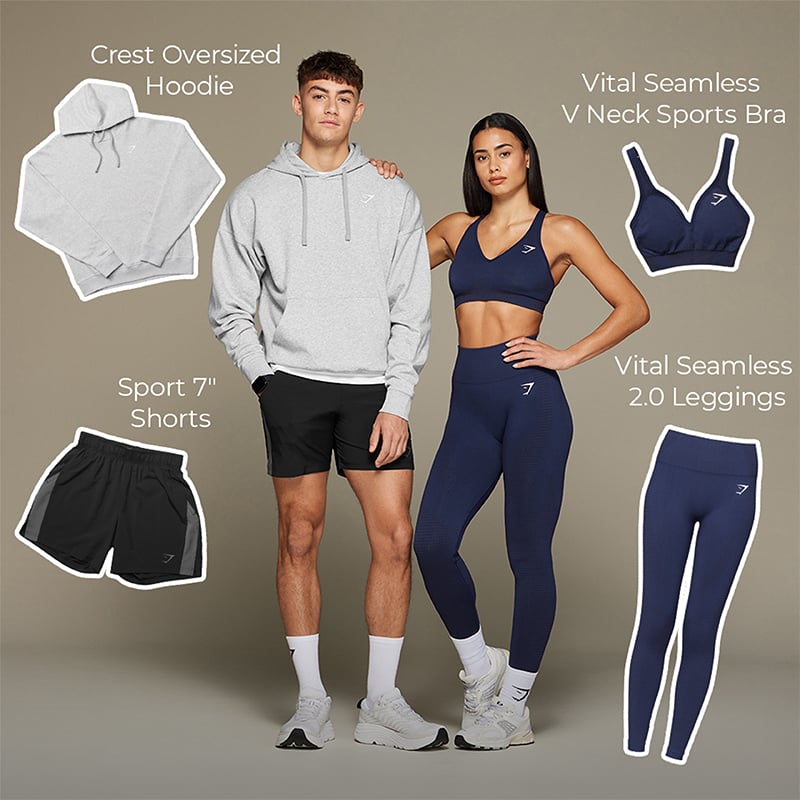
Credit: www.gymshark.com
Comparing Gym Clothes Needs: Different Lifestyles
Here’s a comparison of how many clothes different people might need.
| Lifestyle | Workouts/Week | Laundry Frequency | Recommended Outfits |
|---|---|---|---|
| Busy professional | 3 | Weekly | 4-5 |
| Student athlete | 6 | 2x/week | 4-6 |
| Stay-at-home parent | 2 | Daily | 2-3 |
| Fitness instructor | 10+ | Weekly | 10-12 |
Key takeaway: The more you sweat and the less often you do laundry, the more outfits you’ll need.
How To Choose Quality Over Quantity
Having more gym clothes isn’t always better. Quality matters. Good gym clothes:
- Fit well and don’t restrict movement
- Wick sweat and dry quickly
- Don’t lose shape after washing
- Stay comfortable during long workouts
Non-obvious insight: Cheap clothes often wear out faster. Spending a bit more on quality means you replace items less often.
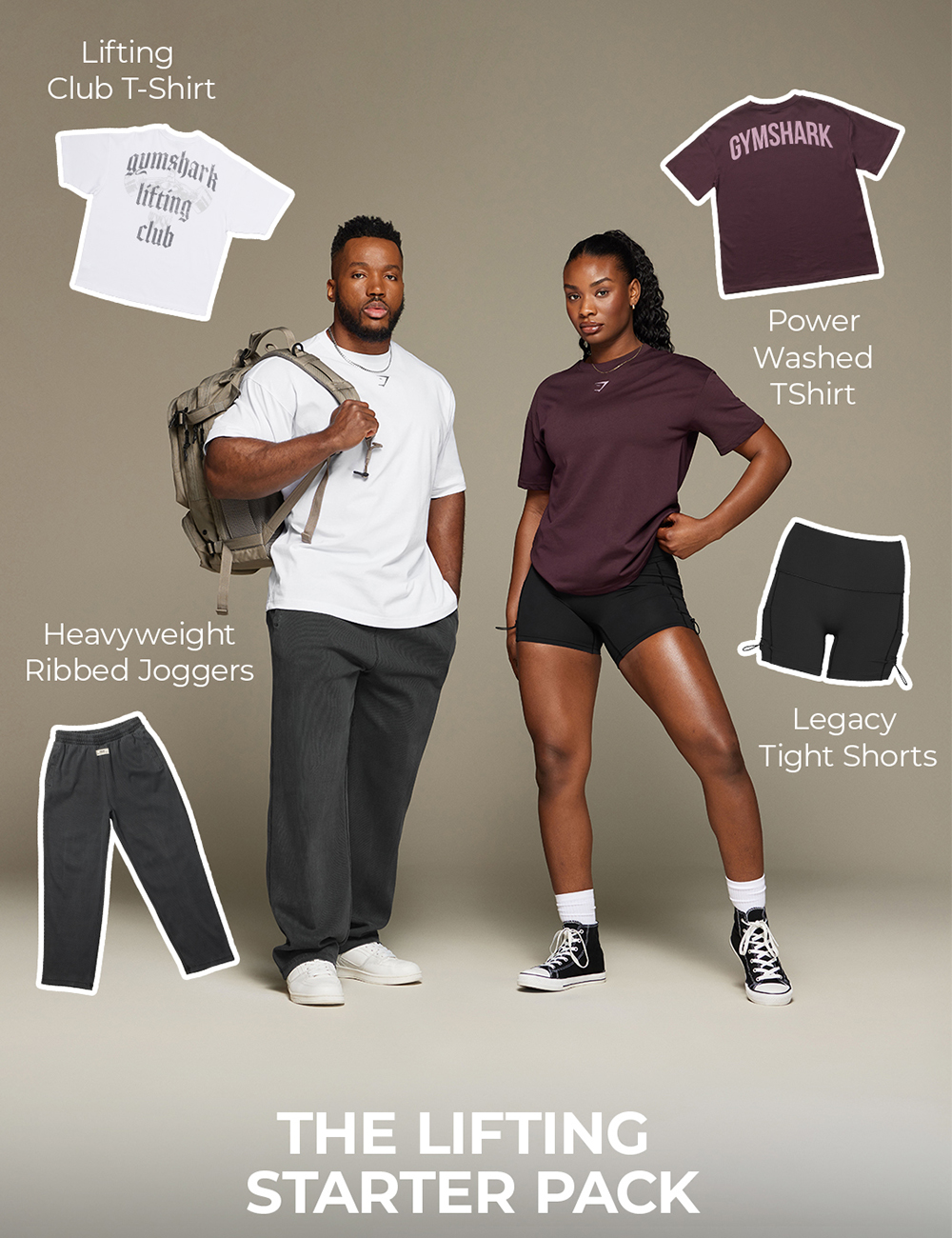
Credit: www.gymshark.com
Budgeting For Your Gym Wardrobe
You don’t have to buy everything at once. Start with enough for a week. Add new pieces as old ones wear out. Look for sales, buy off-season, or try outlet stores.
If money is tight, focus on tops and bottoms first. Sports bras and shoes are important for support and safety—spend wisely here.
Pro tip: Keep one emergency outfit in your car or bag. It saves you if you forget your regular gym clothes.
Mistakes To Avoid When Buying Gym Clothes
- Buying all the same color or style: You’ll get bored and may not want to wear them.
- Ignoring fabric quality: Cheap cotton feels good at first, but holds sweat and smells.
- Not trying clothes on: Fit matters more than size tags.
- Buying too many trendy items: Stick with basics, then add a few fun pieces.
- Skipping good socks or underwear: These affect comfort more than you think.
When To Replace Your Gym Clothes
Gym clothes don’t last forever. Watch for these signs:
- Stretchy fabrics no longer snap back.
- Colors fade or fabric pills.
- Odors stay even after washing.
- Seams or elastic start to break.
Replace items as soon as they lose function. This keeps you comfortable and confident.
Real-life Examples
Example 1: The New Gym-goer
Maria just started going to the gym twice a week. She owns 2 tops, 2 leggings, 2 sports bras, and 4 pairs of socks. She does laundry every week. This setup works because she always has a clean outfit and a spare.
Example 2: The Daily Trainer
James works out 7 days a week and teaches classes. He keeps 8 tops, 7 shorts, 8 pairs of socks, and 3 shoes. He washes clothes weekly but likes having a fresh set for each day and a backup.
Example 3: The Minimalist
Sara prefers a capsule wardrobe. She owns 3 tops, 3 leggings, 3 bras, and 5 socks. She does laundry every two days. This keeps her gym drawer simple and organized.
Non-obvious insight: Your ideal number may change as your routine changes. Review your wardrobe every few months.
How To Organize Gym Clothes
- Keep everything together: Use one drawer or bin.
- Sort by type: Tops, bottoms, socks, bras.
- Rotate items: Place clean clothes at the back, so you wear everything evenly.
- Keep a gym bag packed: Always ready for last-minute workouts.
Sustainable Choices
If you care about the environment, buy fewer, better pieces. Look for brands that use recycled materials or eco-friendly factories. Donate old gym clothes if they’re still wearable.
External resource: For more on sustainable activewear, see this Wikipedia page on sustainable fashion.
Frequently Asked Questions
How Many Gym Shirts Should I Have If I Work Out Three Times A Week?
For three workouts per week, aim for 3-4 gym shirts. This lets you have a clean shirt for each session and a spare in case laundry is delayed.
Is It Okay To Re-wear Gym Clothes Before Washing?
It’s best to wear fresh gym clothes every workout, especially if you sweat a lot. Re-wearing may cause odor or skin irritation. For low-sweat sessions, some people re-wear, but always check for smell and comfort.
How Often Should I Replace My Gym Clothes?
Replace gym clothes when they lose shape, stretch out, or hold odors even after washing. Most quality pieces last many months with good care.
Do I Need Special Gym Underwear?
Special athletic underwear helps if you sweat a lot or want more comfort. It wicks moisture and reduces chafing. But if your regular underwear works for you, that’s fine too.
What’s The Most Important Gym Clothing Item To Own?
For most people, a good pair of gym shoes is most important. They support your feet and prevent injury. Spend more here if you can.
Final Thoughts
Choosing how many gym clothes you should have is personal. It depends on your workout routine, laundry habits, and lifestyle. Start with enough for your busiest week, plus a spare. Focus on quality, comfort, and practical care. Review your collection every few months so it always fits your life.
With the right balance, your gym wardrobe will keep you healthy, confident, and ready for any workout.
