

What Shoes to Wear for Zumba: Top Picks for Every Dancer
Zumba is more than just a dance class—it's an energetic workout that mixes Latin rhythms, fun moves, and a lively group atmosphere. People of all ages and fitness levels join Zumba because it doesn't feel like exercise. However, one detail can make or break your Zumba experience: the shoes you wear. Wearing the wrong shoes can lead to sore feet, injuries, or a lack of confidence on the dance floor. With so many shoe options out there, how do you know what’s best for Zumba? Let’s dive deep into the world of Zumba footwear so you can move safely, comfortably, and with style.
Why Shoes Matter In Zumba
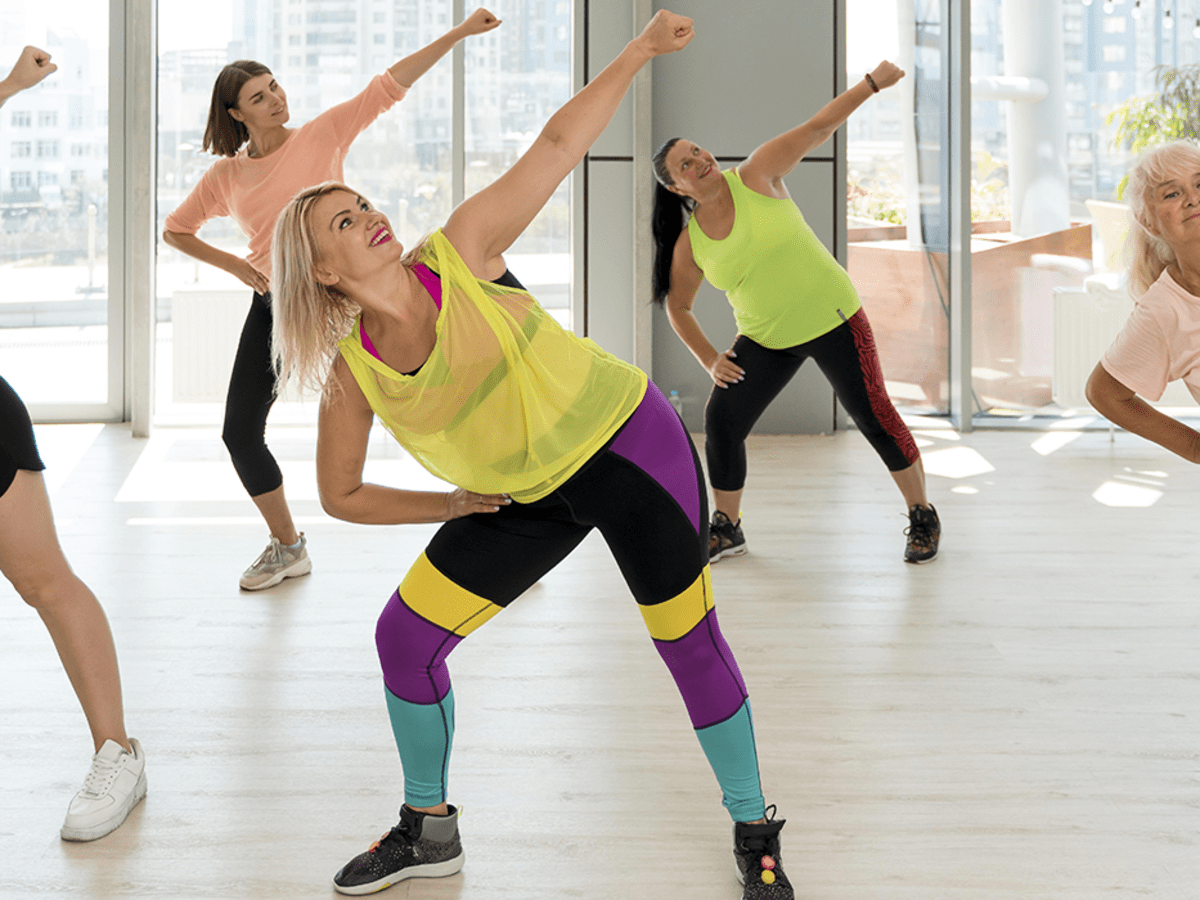
At first glance, Zumba may look like freestyle dance. But under the music and moves, it’s a high-impact workout with lots of pivots, jumps, and lateral movements. Unlike running or walking, Zumba requires you to shift weight quickly, spin, and move in many directions.
Shoes that aren’t designed for this can slow you down—or worse, cause injuries.
The right shoes protect your feet, knees, and back. They help you glide easily, absorb shock, and maintain your energy throughout class. Good Zumba shoes also give you confidence. When your feet feel supported, you can focus on the music, not on discomfort.
Main Features To Look For In Zumba Shoes
Choosing shoes for Zumba is different than picking running shoes or your favorite sneakers. Here’s what you should look for:
1. Lightweight Construction
Zumba is fast-paced. Heavy shoes will drag you down and tire your legs. Look for lightweight materials that make you feel quick and agile.
2. Flexibility
Your feet need to bend and twist with your moves. A flexible sole lets you point, flex, and pivot without resistance. Test this by trying to bend the shoe in your hands; it should move easily.
3. Shock Absorption
Jumping and quick steps put stress on your joints. Good Zumba shoes have cushioning in the heel and forefoot to absorb shock. This keeps your knees and ankles safe.
4. Lateral Support
You’ll be moving side-to-side a lot. Shoes with lateral support keep your foot stable and prevent rolling your ankle. Look for shoes that hug your foot without squeezing.
5. Smooth Outsole For Pivoting
A sticky rubber sole may be great for running, but in Zumba, it can catch on the floor and stop your turns. Pivot points or smooth areas on the outsole help you spin safely.
6. Breathability
Zumba gets sweaty. Shoes with mesh panels or breathable fabrics keep your feet cool and dry, reducing odors and blisters.
7. Secure Fit
Your shoes should fit like a glove—not too tight, not too loose. Loose shoes cause blisters. Tight shoes make your feet ache. Try shoes on at the end of the day when your feet are largest.
Zumba Shoes Vs. Other Athletic Shoes
It’s common to see people wearing running shoes or tennis shoes to their first Zumba class. But are these really a good idea? Let’s compare.
| Feature | Zumba Shoes | Running Shoes | Tennis Shoes |
|---|---|---|---|
| Weight | Light | Medium-Light | Medium-Heavy |
| Sole Flexibility | High | Moderate | Moderate |
| Pivots/Spin Points | Yes | No | Some |
| Lateral Support | Yes | Low | High |
| Grip | Moderate | High | High |
| Shock Absorption | Moderate-High | High | Moderate |
Key Insight: Running shoes are made for forward motion. Their grippy soles and extra cushioning can actually make it harder to twist and turn during Zumba. Tennis shoes offer better lateral support, but can be heavy and stiff. Zumba shoes are designed with all dance movements in mind.
Top Types Of Shoes For Zumba
Not all shoes labeled “dance” or “fitness” are good for Zumba. Let’s break down the types you might consider.
Dance Sneakers
These are made for dance fitness. They usually have a split sole, pivot points, and flexible material. Dance sneakers are great for both beginners and advanced Zumba lovers.
Cross-trainers
If you do other fitness classes, cross-trainers can work for Zumba. Look for pairs with smooth soles and lateral support. Avoid those with heavy tread.
Studio Fitness Shoes
Some brands make shoes just for studio classes like aerobics and Zumba. These combine the best of dance and athletic shoes.
Jazz Shoes
Jazz shoes are popular with professional dancers. They’re super flexible and lightweight, but often have less cushioning. For Zumba, you might need to add an insole for comfort.
Minimalist Shoes
These offer less structure and feel like you’re almost barefoot. Some advanced Zumba dancers like them for the “natural” feel, but beginners may find them lacking in support.
Not Recommended: Running Shoes And Court Shoes
As mentioned earlier, running shoes are not ideal for Zumba. Court shoes (for basketball or volleyball) are too heavy and have thick soles that can limit movement.
Credit: www.zumbawear.com
How To Choose The Right Zumba Shoes For You
No two feet are the same. The best Zumba shoe for your friend might not work for you. Here’s a step-by-step way to find your match:
1. Check Your Foot Type
Are your feet flat, neutral, or high-arched? People with flat feet need more arch support. High arches need extra cushioning.
2. Try Before You Buy
Move around in the store. Do side steps, turns, and jumps. See if the shoe supports your foot in every direction.
3. Consider The Studio Floor
Some Zumba studios have wooden floors, others have rubber or tile. Shoes that work well on one surface may not on another. If the floor is sticky, you want a smoother sole.
4. Don’t Rely On Brand Only
Some brands are famous for dance shoes, but don’t assume the most expensive pair is best. Fit and comfort matter more than logo.
5. Replace Regularly
Even the best Zumba shoes lose their bounce over time. If you do Zumba 3 times a week, expect to replace shoes every 6-8 months.
6. Listen To Your Body
Sore knees, blisters, or back pain can mean your shoes aren’t right. Don’t ignore these signs.
Most Popular Shoe Brands For Zumba
Many brands make shoes for dance fitness, but a few stand out for their comfort, durability, and style.
Nike
Nike’s studio and training shoes are lightweight, flexible, and come in many colors. Their models often have pivot points and mesh uppers.
Ryka
A brand designed for women’s feet, Ryka is known for its dance sneakers. They offer great arch support and a snug fit.
Bloch
Bloch is famous in the dance world. Their split-sole sneakers and jazz shoes are favorites for Zumba because they’re flexible and light.
Capezio
Capezio offers several models for dance fitness. Their shoes have strong pivot points and cushion for high-impact moves.
Puma
Puma makes studio shoes with breathable mesh and flexible soles. They’re a good choice for people who want style and function.
Asics
Asics is better known for running, but their cross-trainers with smooth soles work for Zumba if you need extra support.
Zumba Fitness
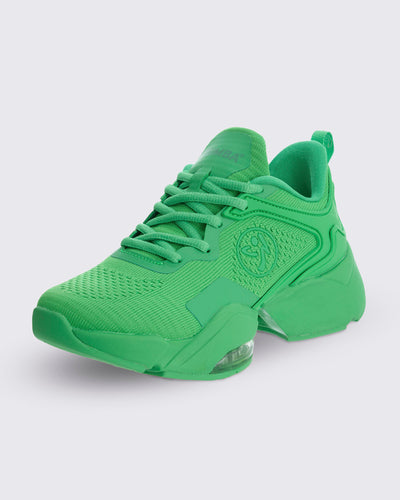
The official Zumba brand makes shoes designed specifically for the workout. They have bright colors, strong soles, and good spin points.
Credit: congreso.rendiciondecuentas.org.mx
Comparing Top Zumba Shoe Models
Here’s a quick look at how popular Zumba shoes stack up:
| Brand | Model | Weight | Flexibility | Pivot Point | Support | Best For |
|---|---|---|---|---|---|---|
| Nike | Studio Trainer | Light | High | Yes | Medium | All-rounder |
| Ryka | Influence | Light | Moderate | Yes | High | Wide feet |
| Bloch | Boost DRT | Very Light | Very High | Yes | Moderate | Experienced dancers |
| Capezio | DS24 Rockit | Light | High | Yes | Moderate | Frequent Zumba |
| Zumba | Air Funk | Light | High | Yes | High | Official class |
Not-so-obvious tip: Some people with wide feet find dance shoes too tight, but Ryka and Capezio often fit wider feet better.
Common Mistakes When Choosing Zumba Shoes
Even experienced Zumba fans can make mistakes when buying shoes. Here are mistakes to avoid:
1. Choosing Shoes With Too Much Grip
Extra grip is good for running, but not for Zumba. You want some slip for safe spins.
2. Buying Just For Looks
Bright colors and cool styles are fun, but comfort and support should come first.
3. Ignoring Fit
Your Zumba shoes should fit differently than street shoes. Make sure there’s a thumb’s width at the toe and no pinching at the sides.
4. Using Old Or Worn Shoes
Shoes lose their support and shock absorption over time. Even if they look okay, worn-out shoes can lead to pain.
5. Not Testing With Zumba Moves
Walk, turn, and jump in the store or at home before committing. Shoes that feel good walking may not work when dancing.
6. Not Considering Orthotics
If you wear custom insoles, bring them when shopping for Zumba shoes. The right fit can change dramatically.

Credit: www.abc4.com
How Zumba Shoes Protect Your Body
You might not notice right away, but the wrong shoes can cause more than just sore feet. Here’s how the right Zumba shoes help:
- Prevent Ankle Sprains: Lateral support keeps your foot steady during side steps.
- Reduce Knee Injuries: Pivot points allow smooth turns, lowering stress on your knees.
- Support Your Arches: Good arch support stops foot pain and fatigue.
- Absorb Shock: Cushioning in the heel and forefoot protects your joints from impact.
- Keep Blisters Away: A secure fit and breathable materials reduce friction and sweat.
Extra insight: Many Zumba injuries happen to first-timers who wear the wrong shoes. Investing in proper shoes isn’t just for comfort—it’s for long-term health.
Tips For Caring For Your Zumba Shoes
Taking care of your shoes helps them last longer and keeps your feet happy:
- Let Them Air Out: After class, take shoes out of your bag and let them dry.
- Clean Regularly: Wipe the outside with a damp cloth. For the inside, sprinkle baking soda to absorb odors.
- Rotate Pairs: If you do Zumba often, rotating between two pairs lets each dry fully and last longer.
- Check for Wear: Look at the soles and insides regularly. When cushioning feels flat or the sole is smooth, it’s time for a new pair.
- Never Machine Wash: Most dance sneakers can’t handle the washing machine. Hand clean instead.
Alternatives To Traditional Zumba Shoes
Some people wonder if they can do Zumba barefoot or in socks, especially at home. Here are some alternatives and why they may or may not be good choices:
- Barefoot: Dancers with strong feet can sometimes do Zumba barefoot, especially on soft floors. But most people need the support and protection of shoes.
- Grip Socks: Special socks with rubber grips offer some support and prevent slipping. They’re good for home workouts, but not for high-impact classes.
- Dance Slippers: Lightweight slippers for dance can work if you need maximum flexibility, but lack shock absorption.
- Old Sneakers With Smooth Soles: If you’re starting out and don’t want to buy new shoes yet, pick sneakers with the smoothest soles you have.
Important note: If you have foot pain, joint issues, or a history of injuries, always choose proper shoes over alternatives.
How To Tell If Your Zumba Shoes Are Worn Out
Even the best shoes don’t last forever. Here are signs it’s time for a new pair:
- Flat Cushioning: If the insole feels thin and you can’t feel the bounce, support is gone.
- Smooth Outsole: If pivot points or tread are worn flat, you’ll slip or stick too much.
- Stretched Fit: If your shoe feels loose, it won’t support your foot properly.
- Heel Breakdown: If the heel tilts in or out, you lose shock absorption and stability.
- Frequent Soreness: New aches and pains after class can mean your shoes are past their best.
Getting The Best Fit: Sizing And Shopping Tips
- Shop Later in the Day: Feet swell as the day goes on. Try on shoes when your feet are largest.
- Bring the Right Socks: Wear the socks you’ll use in class when trying on shoes.
- Test With Moves: Don’t just walk—do a few dance steps, pivots, and jumps.
- Watch for Pressure Points: Any discomfort will only get worse during a workout.
- Half Sizes Matter: If you’re between sizes, go for the larger one. Your feet can swell during Zumba.
- Order From Reputable Sellers: This helps if you need to exchange for a different size.
Zumba Shoes For Special Needs
For Wide Feet
Ryka and Capezio often fit wider feet. Look for shoes labeled “wide” or with a roomy toe box.
For Flat Feet
Pick shoes with strong arch support. You can add custom insoles if needed.
For High Arches
More cushioning is important. Look for shoes with extra padding in the midsole.
For Plantar Fasciitis
Choose shoes with firm heel support and shock absorption. Some people also use orthotic inserts.
Hidden insight: If you have bunions, look for shoes with a stretchable upper to avoid pressure.
Style Vs. Function: Finding The Balance
It’s tempting to choose shoes based on color or design, especially with so many bright Zumba shoes available. But function should always come first. Once you find a shoe that feels great, you can often find it in several colors or patterns.
Remember, a stylish shoe that hurts your feet will only keep you off the dance floor.
Insights From Zumba Instructors
Many Zumba instructors recommend changing shoes as soon as they start feeling less supportive—even if they look okay. They also stress the importance of trying several pairs before choosing, since every foot is unique.
One instructor tip: Don’t be shy about asking other class members what shoes they wear. Most people are happy to share what works for them, and you might discover a brand or model you hadn’t considered.
Common Questions Beginners Forget To Ask
- Can I wear the same shoes for Zumba and other gym classes? Yes, if they’re cross-trainers or studio fitness shoes with smooth soles. But avoid using them outdoors, as this wears them out faster.
- Should my shoes be tight or loose? They should be snug but not tight. Your toes should move freely, but your foot shouldn’t slide inside the shoe.
- Do I need special socks? Thin, moisture-wicking socks are best. Thick socks can make shoes too tight.
- How can I avoid blisters? Make sure your shoes fit well, and wear proper socks. If you’re prone to blisters, try anti-blister balms or patches.
Frequently Asked Questions
What Makes A Shoe “good” For Zumba Compared To Regular Sneakers?
A good Zumba shoe is lightweight, flexible, and has a smooth sole with pivot points. Regular sneakers, like running shoes, are designed for forward motion and usually have too much grip and not enough flexibility. Zumba shoes are built to handle side-to-side movement, quick turns, and jumps without hurting your feet or joints.
Can I Use Running Shoes For Zumba If I’m Just Starting Out?
You can, but it’s not ideal. Running shoes have thick, grippy soles that make spinning and pivoting difficult. This can lead to sore knees or twisted ankles. If you’re new and want to try Zumba, pick the smoothest-soled sneakers you have, but plan to buy proper shoes soon if you keep attending.
How Often Should I Replace My Zumba Shoes?
If you do Zumba 2-3 times a week, replace your shoes every 6-8 months. Heavier use may require more frequent changes. Signs you need a new pair include: loss of cushioning, worn-out soles, or new aches and pains after class.
Are There Shoes Made Just For Zumba?
Yes, some brands create shoes specifically for Zumba, with bright designs, pivot points, and extra flexibility. The official Zumba brand, Ryka, and Capezio are popular choices. Always check for the features listed earlier, as some “Zumba” shoes may just be rebranded dance sneakers.
Where Can I Learn More About Safe Footwear For Dance Fitness?
You can read more about dance fitness footwear and injury prevention at the American Council on Exercise website.
Choosing the right shoes for Zumba isn’t just about style—it’s about comfort, safety, and making the most of every class. With the right pair, you’ll feel lighter, move easier, and enjoy every beat. So, take the time to find shoes that fit your foot, your studio, and your style.
Your feet—and the rest of your body—will thank you every time you dance.
