

Should You Wear Shoes for Zumba? Essential Tips for Comfort
Should You Wear Shoes For Zumba
Zumba is one of the most exciting group fitness classes in the world. With upbeat Latin music, energetic moves, and a welcoming environment, Zumba attracts people of all ages and fitness levels. But whether you’re stepping into your first Zumba class or are already a regular, you’ll probably wonder: should you wear shoes for Zumba? The answer isn’t as simple as “yes” or “no,” and many people miss important details that can affect their enjoyment, performance, and even safety.
This article will help you understand exactly what you need to know about Zumba footwear. We’ll look at the benefits and drawbacks of both wearing shoes and going barefoot, discuss how the right shoes can prevent injuries, and explain how to choose the best option for your own needs.
You’ll also find expert insights, real examples, and answers to the most common questions people have about Zumba shoes.
What Is Zumba And Why Footwear Matters
Zumba is a dance fitness program that combines Latin-inspired music with easy-to-follow dance moves. The routines mix elements of salsa, merengue, reggaeton, hip-hop, and even Bollywood. Zumba classes are usually held in group settings, but you can also do Zumba at home.
Footwear is important in Zumba because the class involves fast movements, quick turns, lateral slides, jumps, and lots of footwork. These moves put different demands on your feet compared to walking or running. The wrong shoes—or no shoes—can lead to discomfort or even injury, especially over time.
Many beginners assume that any athletic shoe will do, or that dancing barefoot is fine. However, the reality is more nuanced. Understanding how shoes affect your performance and safety will help you make the right choice for your body and your goals.
The Benefits Of Wearing Shoes For Zumba
Most Zumba instructors and fitness experts recommend wearing shoes for Zumba classes, especially in gym or studio settings. Here’s why shoes are usually the best choice:
1. Protection From Injuries
The number one reason to wear shoes for Zumba is to protect your feet and joints. Zumba involves fast pivots, jumps, and moves that can strain your feet, ankles, knees, and hips. Shoes provide:
- Shock absorption to reduce the impact on your joints.
- Arch support to help prevent foot pain and injuries like plantar fasciitis.
- Ankle stability to lower the risk of sprains during fast side-to-side movements.
A study on group fitness participants found that those who wore supportive athletic shoes had fewer ankle and foot injuries than those who went barefoot or wore unsupportive footwear.
2. Better Traction And Grip
Zumba studios often have smooth wood or laminate floors. Bare feet can slip on these surfaces, especially when your feet get sweaty. The right shoes:
- Help prevent slips and falls.
- Allow you to move confidently during quick dance steps.
- Give you better balance for jumps and turns.
3. Hygiene And Cleanliness
Gyms and studios see a lot of foot traffic. Wearing shoes creates a barrier between your feet and the floor, protecting you from bacteria, fungi, and dirt. This is especially important if you have any cuts or open skin on your feet.
4. Enhanced Performance
Wearing the right shoes can actually improve your dance performance. Shoes designed for dance fitness make it easier to pivot, slide, and turn. They also keep your feet from getting tired as quickly, letting you enjoy the class for longer.
5. Comfort
Zumba classes usually last about an hour and involve constant movement. Shoes help cushion your feet and prevent blisters, calluses, and soreness that can come from repeated impact on hard floors.
Arguments For Going Barefoot In Zumba
While most experts recommend shoes, some people prefer to do Zumba barefoot, especially at home. Here are the main reasons people choose to skip shoes:
1. Natural Movement And Foot Strength
Some Zumba fans believe that barefoot dancing allows for more natural movement of the feet and toes. They argue that this can help:
- Improve balance and proprioception (your sense of body position).
- Strengthen the muscles in your feet and lower legs.
- Let you “feel” the music and floor better for more expressive dancing.
2. Cultural And Personal Preference
In some dance styles and cultures, dancing barefoot is the norm. If you’re used to practicing yoga, Pilates, or traditional dance without shoes, you may find shoes restrictive or uncomfortable.
3. Better For Certain Floors
If you’re doing Zumba at home on carpet or soft flooring, shoes may not be necessary. Some people find shoes stick too much on carpet, making moves harder or even risking knee injuries.
4. Avoiding Shoe-related Issues
People with certain foot shapes or sensitivities sometimes find shoes cause blisters, pinching, or discomfort. In these cases, barefoot Zumba can feel better, at least for short sessions.
The Drawbacks Of Barefoot Zumba
Although there are some benefits, barefoot Zumba carries clear risks, especially in a studio or gym environment:
- Higher risk of foot injuries (bruises, cuts, stubbed toes) on hard or dirty floors.
- Less protection from impact, which can lead to sore heels, arches, or even stress fractures.
- Increased chance of slipping due to sweat or polished surfaces.
- Lower hygiene, with more exposure to germs.
Some people try barefoot Zumba because they think it’s more “natural,” but they often overlook how Zumba’s fast, high-impact moves can be hard on bare feet, especially for beginners. Many who start barefoot eventually switch to shoes after experiencing pain or minor injuries.
Which Shoes Are Best For Zumba?
Not all shoes are created equal. In fact, choosing the wrong kind of shoe is a common beginner mistake. Running shoes or heavy cross-trainers are not ideal for Zumba. Here’s what you need to know when selecting Zumba shoes:
Key Features To Look For
- Lightweight design: Heavy shoes slow you down and tire your legs.
- Good lateral support: Zumba involves fast side-to-side moves, so shoes need to prevent your ankles from rolling.
- Flexible sole: You need to point, flex, and pivot your feet easily.
- Pivot point or smooth sole: Helps you turn and spin without hurting your knees.
- Breathable materials: Your feet will get hot and sweaty, so ventilation is important.
- Cushioning: Protects your feet from repeated impact.
- Proper fit: Shoes should be snug but not tight, with enough room for your toes to move.
Types Of Shoes To Avoid
- Running shoes: Designed for forward motion, not sideways movement. Their heavy tread can stick to the floor during pivots, risking knee injury.
- Tennis or basketball shoes: Too heavy and stiff for dance moves.
- Barefoot/minimalist shoes: Lack cushioning and support for high-impact moves.
Popular Shoe Brands And Styles
Some brands make shoes specifically for dance fitness. Look for models labeled as dance sneakers, studio trainers, or shoes designed for aerobic classes. Examples include:
- Ryka Influence
- Nike Air Zoom SuperRep
- Bloch Boost Dance Sneaker
- Zumba Air Classic
Try shoes on and test them with a few dance steps if possible. Comfort and fit matter more than brand.
Shoe Comparison: Zumba Vs. Running Shoes Vs. Barefoot
To make it clearer, here’s a side-by-side comparison of three common choices:
| Feature | Zumba Shoes | Running Shoes | Barefoot |
|---|---|---|---|
| Support | Good lateral support | Mainly forward support | None |
| Sole | Flexible, pivot point | Thick, grippy | Natural |
| Shock Absorption | Moderate | High (heel) | None |
| Hygiene | Good | Good | Poor |
| Best For | Zumba, dance fitness | Running, jogging | Yoga, soft floors |
How The Wrong Shoes Can Cause Injuries
Wearing the wrong shoes—or going barefoot in the wrong environment—can lead to several common Zumba injuries:
- Twisted or sprained ankles from poor lateral support.
- Knee pain due to shoes that grip the floor too much during pivots.
- Blisters and calluses from shoes that rub or fit badly.
- Plantar fasciitis (heel and arch pain) from lack of support.
- Stress fractures from repeated impact without proper cushioning.
Instructors often see beginners wear running shoes, only to end up with sore knees because the soles are too “sticky” for dance moves. On the other hand, people who go barefoot in studios sometimes get bruised toes or catch fungal infections.
When Barefoot Zumba Might Be Safe
There are a few situations where barefoot Zumba can be safe, or even enjoyable:
- At home on soft carpet: If you’re doing low-impact routines and your floor is clean and soft, you may not need shoes.
- Special barefoot-friendly classes: Some instructors design routines for barefoot movement, with fewer jumps and pivots.
- If you have strong, healthy feet: Experienced dancers with toughened soles and strong foot muscles may enjoy barefoot Zumba for short sessions.
However, it’s still wise to check the floor for hazards and listen to your body. Even at home, high-impact routines can cause pain if you have flat feet or previous injuries.
Special Considerations: Foot Types And Health
Your choice of footwear for Zumba should also consider your foot health and shape. Here’s what people with common foot conditions should keep in mind:
Flat Feet
People with flat feet need extra arch support to avoid pain and fatigue during Zumba. Dance sneakers with built-in support or custom insoles are a good idea.
High Arches
High arches can make your feet less able to absorb shock. Look for shoes with good cushioning and arch support.
Bunions, Corns, Or Sensitive Toes
Choose shoes with a wide toe box and soft materials to prevent friction and pain.
Plantar Fasciitis
If you have heel or arch pain, wear shoes with strong arch support and soft soles. Going barefoot usually makes this condition worse.
Previous Injuries
If you’ve had ankle sprains or knee issues, shoes with extra lateral support and a stable sole can help protect you.
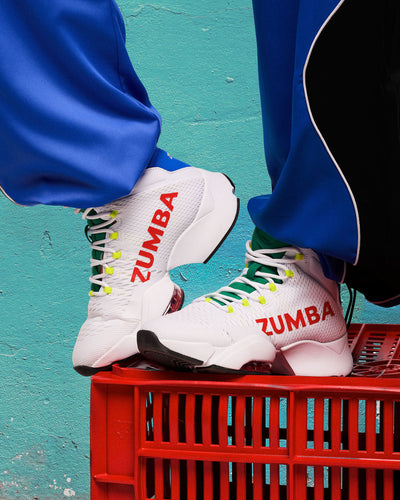
Credit: www.zumbawear.com
Zumba Shoes Vs. Other Fitness Shoes
It’s easy to confuse Zumba shoes with other athletic footwear, but there are important differences. Here’s a quick comparison:
| Shoe Type | Main Use | Key Features | Suitability for Zumba |
|---|---|---|---|
| Zumba/Dance Sneakers | Dance fitness | Lightweight, pivot point, flexible sole | Excellent |
| Running Shoes | Running/jogging | Cushioned, forward motion support | Poor |
| Cross-Trainers | Multiple sports | General support, heavier | Fair |
| Tennis Shoes | Court sports | Sturdy, lateral support, heavy | Not ideal |
| Barefoot/Minimalist | Natural movement | Thin sole, little support | Risky |
How To Choose The Right Zumba Shoes For You
Selecting the best shoes for Zumba is personal. Here’s a step-by-step approach:
- Assess your needs: Think about your foot shape, previous injuries, and the type of floor you’ll dance on.
- Try before you buy: If possible, test shoes with dance steps in the store.
- Check for a pivot point: The sole should allow you to turn without sticking.
- Look for breathability: Mesh uppers help keep your feet cool.
- Focus on fit: Shoes should not slip at the heel or squeeze your toes.
- Replace worn-out shoes: Old shoes lose support and increase injury risk.
- Consider insoles: Custom insoles can add support if you have special needs.
:max_bytes(150000):strip_icc()/Byr_DanceWkoutShoes_LeadRecirc-690b7a98ba7943d9b83c53888050edc4.jpg)
Credit: www.byrdie.com
What If You Can’t Afford Specialized Zumba Shoes?
Not everyone can buy new shoes just for Zumba. If you’re on a tight budget:
- Use light, flexible cross-trainers with smooth soles as a short-term option.
- Avoid old running shoes with heavy grip.
- Consider buying gently used dance sneakers online.
- Check with your instructor—some studios allow barefoot classes on certain floors.
But remember, investing in the right shoes can save money on medical bills and missed classes due to injury.
Tips For Keeping Your Feet Healthy In Zumba
Whether you wear shoes or not, it’s important to care for your feet before and after class:
- Warm up and stretch: Pay special attention to your ankles and calves.
- Trim your toenails: Prevent ingrown nails and bruises.
- Wear moisture-wicking socks: They reduce blisters and keep feet dry.
- Air out your shoes: Let them dry between classes to prevent odor and fungus.
- Check your feet: Look for blisters, redness, or signs of infection after class.
- Let your feet rest: Don’t do high-impact classes every day, especially if you’re new.

Credit: www.abc4.com
How Instructors Feel About Shoes In Zumba
Most certified Zumba instructors strongly recommend shoes for safety and performance. They see fewer injuries and more confident movement in students with proper footwear. Some instructors may allow barefoot dancing in special classes or on soft floors, but this is rare in standard studio settings.
A common instructor tip is: if you’re unsure, start with shoes. You can experiment with barefoot or minimalist shoes later, once you know how your body reacts to Zumba’s unique demands.
Real-world Examples And Experiences
Many Zumba students have stories about their footwear choices. For example, one beginner started classes in running shoes and ended up with sore knees after just a few sessions. After switching to dance sneakers, she found it much easier to turn and jump, and her pain disappeared.
Another dancer tried barefoot Zumba at home but developed sore arches after a week. She now uses lightweight sneakers with insoles on her hardwood floor and finds her feet feel much better.
These stories show that your experience with Zumba footwear can change over time. It’s important to listen to your body, try different options, and ask for advice from instructors or experienced classmates.
Expert Insights: What Research And Professionals Say
Research in sports medicine and group fitness supports the use of proper footwear for dance-based classes. Studies show that shock-absorbing, supportive shoes reduce the risk of overuse injuries and help maintain proper alignment during fast moves.
According to the American Council on Exercise, the wrong shoes can increase strain on the knees and ankles during dance aerobics. They recommend shoes specifically designed for dance fitness classes rather than generic athletic shoes.
Dance medicine experts also note that most injuries in Zumba come from poor footwear choices or sudden increases in class intensity. Gradually building up your fitness level and investing in the right shoes both lower your risk.
For more detail on sports shoe design and injury prevention, you can check out this resource from the Verywell Fit.
Two Non-obvious Insights Most Beginners Miss
- The role of the pivot point: Many people think any soft, cushioned shoe is fine for Zumba. They overlook the importance of a smooth pivot point on the sole, which is critical for safe and easy turns. Shoes without this feature can cause knee pain or even injury over time.
- The impact of floor type: People often ignore how much the floor surface matters. A shoe that works well on wood might be too “sticky” on rubber or too slippery on tile. Testing shoes on the actual floor you’ll use is key to finding the best fit for your needs.
Frequently Asked Questions
What Happens If I Do Zumba Barefoot In A Studio?
You risk slipping, injuring your feet, or picking up germs. Studio floors are usually hard and can be dirty from multiple users. Most instructors recommend shoes for protection and hygiene.
Are Running Shoes Really That Bad For Zumba?
Yes, running shoes are designed for forward motion and have heavy tread, which can stick to the floor and increase your risk of knee injuries. They also lack the lateral support needed for Zumba’s side-to-side moves.
Can I Use The Same Shoes For Zumba And Other Gym Classes?
You can use some cross-trainers for both, but specialized dance sneakers are best for Zumba. Using the same shoes for high-impact and dance classes can wear them out faster, reducing their support and safety.
How Often Should I Replace My Zumba Shoes?
Most experts suggest replacing your Zumba shoes after about 6-12 months of regular use, or when you notice worn soles, reduced support, or discomfort. Shoes lose their cushioning and support before they look visibly damaged.
What Should I Do If My Feet Hurt During Or After Zumba?
First, check your shoes—they may not fit well or provide enough support. Try switching to dance sneakers or adding supportive insoles. If pain continues, see a podiatrist or sports doctor to rule out injuries or underlying foot problems.
Final Thoughts
Deciding whether to wear shoes for Zumba isn’t just a matter of comfort—it can affect your safety, performance, and long-term enjoyment of the class. For most people, wearing proper Zumba shoes is the best choice. They protect your feet, reduce your risk of injury, and make dancing more fun. Barefoot Zumba may feel freeing in some situations, especially at home, but it comes with real risks, especially in studios.
Take the time to choose the right shoes for your body, floor type, and dance style. Listen to your instructor and your own body, and don’t be afraid to experiment until you find what works. With the right footwear, you can focus on the joy of Zumba—moving, sweating, and smiling—without worrying about your feet.
