

What Shirts Are Business Casual? Your Essential Style Guide
What Shirts Are Business Casual
Business casual is a dress code that can confuse even experienced professionals. You want to look neat and professional, but not too formal or stiff. The right shirt is a big part of getting business casual right. But what shirts are really business casual?
Are there strict rules, or is there some room for personal style? If you’ve ever stood in front of your closet unsure whether a shirt is “too dressy” or “too relaxed,” you’re not alone. This guide will help you understand which shirts fit the business casual standard, how to choose the right one for your job, and the small details that can make a big difference.
What Does Business Casual Mean?
The term “business casual” sits between formal business wear (like a suit and tie) and casual clothes (like jeans and t-shirts). It means looking polished but not overdressed. For shirts, this usually means something more refined than a t-shirt, but less formal than a traditional dress shirt with a tie.
Here are the key ideas:
- Professional appearance: You still want to look ready for work or meetings.
- Comfort and practicality: Fabrics and fits that allow you to move and feel comfortable all day.
- No flashy or distracting designs: Simple patterns, calm colors, and classic styles.
The exact definition can change depending on your industry, your company, and even your region. In tech or creative fields, business casual may be more relaxed. In law or finance, it may lean closer to formal.
Types Of Business Casual Shirts
There are several shirt styles that generally fit into the business casual category. Each has its own look and best use. Here’s a breakdown:
Button-down Dress Shirts
A button-down dress shirt is the most common choice. It usually has a collar, buttons all the way down the front, and long sleeves.
When it works: In almost any business casual setting. You can wear it tucked or untucked depending on the cut and your workplace.
Best fabrics: Cotton, oxford cloth, broadcloth, poplin.
Colors and patterns: Stick to solids, stripes, or small checks. Light blue, white, gray, or pale pink are safe choices. Avoid bright colors or large prints.
Sleeve length: Long sleeves are safest, but rolled sleeves can look professional in a relaxed environment.
Oxford Shirts
The Oxford shirt is a classic with a slightly thicker fabric called Oxford cloth. It’s less formal than a typical dress shirt but looks sharp.
- Why it works: The fabric gives structure, and the button-down collar looks neat.
- When to wear: Great for both formal and relaxed business casual offices.
- Colors: White, light blue, and pale gray work well.
Polo Shirts
A polo shirt has a collar and buttons at the neck but is made from softer, knit fabric. It’s more relaxed than a button-down.
- Where it fits: Many business casual workplaces accept polos, especially in warm climates or on “casual Fridays.”
- How to wear: Pair with chinos or dress pants. Avoid logos or sports branding.
Patterned Shirts
Small, subtle patterns like pinstripes, tiny checks, or micro-prints can add interest without being loud.
- Dos: Patterns in blue, gray, or white backgrounds.
- Don’ts: Large florals, bold graphics, or neon colors.
Short-sleeved Shirts
Some short-sleeved shirts can be business casual, especially in warm weather or creative fields. The shirt should have a collar and be made from quality fabric.
- Tip: Avoid shirts that look like beachwear or have bold prints.
Sweater Layering
You can wear a lightweight sweater or cardigan over a collared shirt for extra style and warmth. V-neck sweaters are popular because they show the collar.
Shirt Fabrics For Business Casual
The fabric of your shirt affects how it looks and feels. Here are the most common fabrics for business casual shirts:
| Fabric Type | Feel | Best for |
|---|---|---|
| Cotton | Soft, breathable, classic | Everyday use |
| Oxford Cloth | Thicker, durable, textured | All seasons, slightly more casual |
| Linen | Light, airy, wrinkles easily | Hot weather |
| Blends (Cotton/Polyester) | Easy-care, less wrinkling | Low-maintenance outfits |
| Poplin/Broadcloth | Smooth, thin, crisp | Formal business casual |
Non-obvious tip: A shirt’s fabric can change how formal it feels. For example, linen is more relaxed, while poplin feels dressier.
Colors And Patterns: What’s Acceptable?
Choosing the right color and pattern is key for business casual. The safest bet is to stick to muted, neutral shades and avoid anything too bold.
Safe Color Choices
- White: Always appropriate, matches everything.
- Light blue: Soft, professional, and easy to style.
- Light pink or lavender: Adds variety but still looks professional.
- Gray: Subtle and versatile.
- Navy: A bit darker, pairs well with lighter pants.
Acceptable Patterns
- Stripes: Thin, vertical stripes are classic.
- Checks: Small checks or gingham can work, but avoid large or bold patterns.
- Micro-patterns: Tiny dots or geometric shapes add interest without standing out too much.
Patterns To Avoid
- Large florals
- Bright or neon colors
- Logos or graphics
- Novelty prints
Pro tip: If you’re not sure, look at what managers or senior staff wear. This gives clues about what’s acceptable in your office.
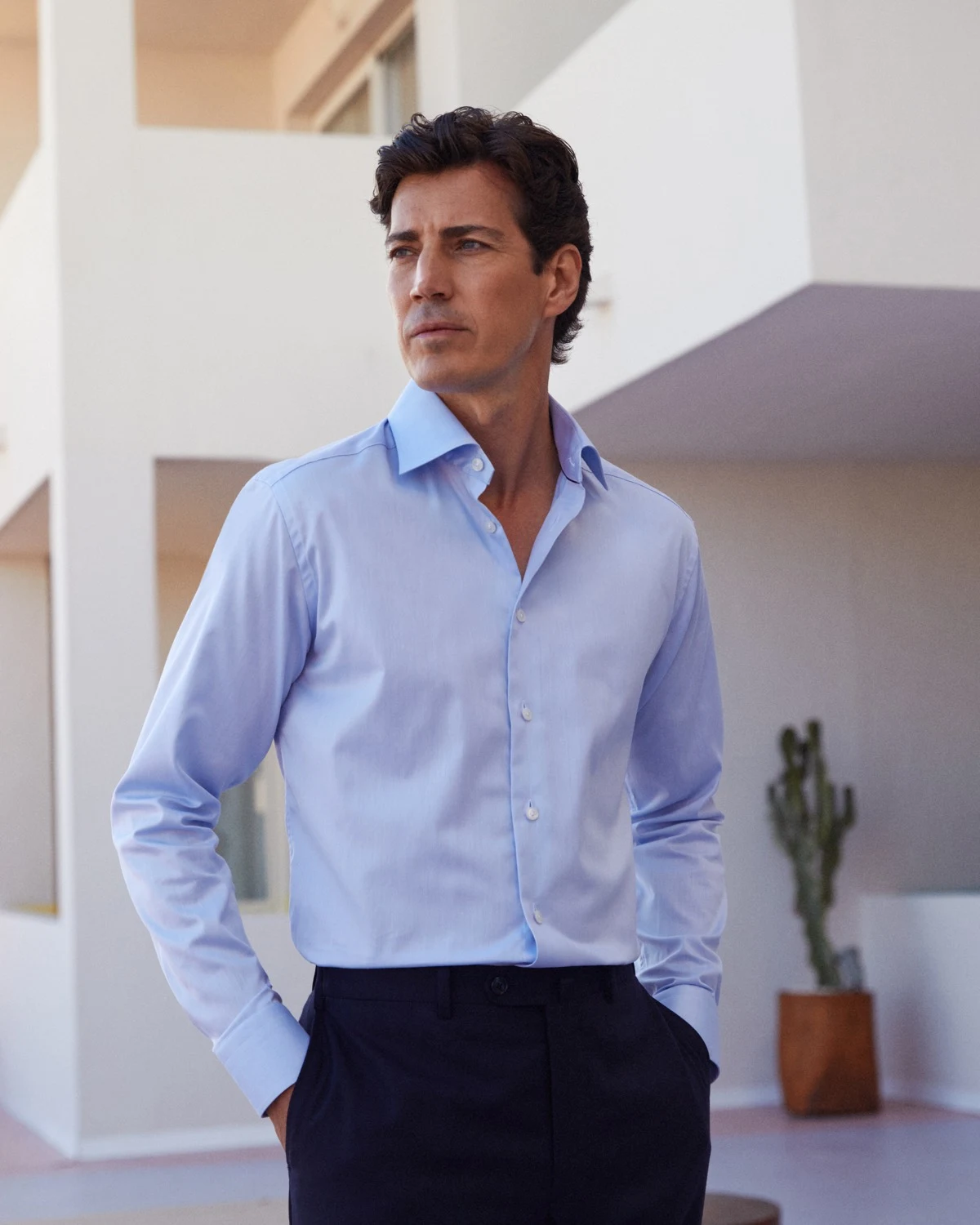
Credit: www.etonshirts.com
Fit And Tailoring: The Secret To Looking Sharp
Even the best shirt won’t look good if it doesn’t fit. Fit is often the difference between looking polished and looking sloppy.
How Should A Business Casual Shirt Fit?
- Collar: Should rest against your neck but not choke.
- Shoulders: Seams line up with your shoulder bone.
- Sleeves: End at your wrist, not covering your hand.
- Body: Should be slim but not tight; you should be able to move comfortably.
A well-fitted shirt can even make less expensive clothes look high-quality.
Tailoring Vs. Off-the-rack
Most people buy shirts off the rack. But getting them tailored—especially for sleeve length or waist fit—can make a huge difference. Tailoring is more affordable than most people think, and a small adjustment often has a big impact.
Non-obvious insight: Many dry cleaners offer simple tailoring services. You don’t need a high-end tailor for basic adjustments.
What’s Not Business Casual: Common Mistakes
Understanding what isn’t business casual is just as important. Here are some common mistakes people make:
- T-Shirts: Even expensive ones are too informal.
- Shirts with large logos or graphics: Distracting and unprofessional.
- Untucked shirts (when not designed for it): If the shirt is too long and hangs below your hips, it looks sloppy.
- Wrinkled or stained shirts: Always iron or steam your shirt, and check for marks.
- Too short or tight shirts: Restrict movement and look unprofessional.
- Bold, distracting patterns: Large prints, neon colors, or novelty themes don’t fit business casual.

Credit: bespokeunit.com
Comparing Business Casual Shirt Types
Here’s how the main types compare on key factors:
| Shirt Type | Formality | Comfort | Versatility |
|---|---|---|---|
| Button-Down Dress Shirt | High | Medium | Very High |
| Oxford Shirt | Medium | High | High |
| Polo Shirt | Low to Medium | Very High | Medium |
| Patterned Shirt | Medium | Medium | Medium |
| Short-Sleeved Collared Shirt | Low to Medium | High | Medium |
Best Shirt Brands For Business Casual
Some brands are known for making high-quality business casual shirts. Here are a few worth checking out:
- Brooks Brothers: Classic American style, great fit.
- J.Crew: Good for slim and regular fits, quality fabrics.
- Uniqlo: Affordable, simple designs, and great for basics.
- Banana Republic: Modern, stylish, often with stretch fabrics.
- Charles Tyrwhitt: Known for dress shirts, but also offers business casual options.
Tip: Try shirts on in-store if possible. Fabric, fit, and color can look different in person compared to online.
How To Style Business Casual Shirts
Pairing your shirt with the right pants, shoes, and accessories is just as important as the shirt itself.
Pants
- Chinos: The most popular business casual pants. Go for tan, navy, or gray.
- Dress pants: Fine for a more formal look.
- Dark jeans: Sometimes acceptable in tech or creative fields, but avoid light or ripped jeans.
Shoes
- Loafers: Comfortable and stylish.
- Derby shoes: More formal but still business casual.
- Dress sneakers: Only in very relaxed offices.
Accessories
- Belts: Should match your shoes in color.
- Watches: Simple and classic styles work best.
- No tie needed: Business casual usually means no tie, but you can add one if you want a dressier look.
Pro tip: The details matter. Clean shoes, a tucked-in shirt (if designed to be tucked), and a neat belt create a finished look.
Adapting Business Casual To Your Environment
Every company has its own version of business casual. Some are close to formal business wear, while others are almost casual.
How to figure it out:
- Observe your coworkers: Especially managers and long-term employees.
- Ask HR: If you’re not sure, your HR department should have guidelines.
- Dress slightly up: If you’re new, it’s better to be a little more formal until you learn the dress code.
Industry Differences
- Finance, law, consulting: More formal. Stick to button-down shirts and dress pants.
- Tech, creative industries: Can be more relaxed. Polos or patterned shirts are often fine.
- Education, nonprofits: Usually somewhere in between.
Non-obvious insight: Even in relaxed offices, first impressions matter. For meetings or client visits, go for a classic button-down shirt.
Seasonal Considerations
What’s business casual in winter may not work in summer. Here’s how to adjust:
Warm Weather
- Short-sleeved shirts: Acceptable if they have a collar and are made of quality fabric.
- Linen and lightweight cotton: Keeps you cool, but watch for wrinkles.
- Polos: More common in summer.
Cold Weather
- Layering: Add sweaters, cardigans, or light jackets over your shirt.
- Heavier fabrics: Oxford cloth or brushed cotton feels warmer.
Tip: Always check your office’s air conditioning or heating. Sometimes, even in summer, a light sweater is needed indoors.
Caring For Business Casual Shirts
A great shirt will only look its best if you take care of it. Here’s how:
- Washing: Follow care labels. Most cotton shirts are machine washable, but some need gentle cycles.
- Ironing: Wrinkles ruin the business casual look. Invest in a good iron or steamer.
- Storage: Hang shirts to avoid wrinkles. Use wooden or padded hangers to keep collars in shape.
- Stain removal: Treat spills quickly to avoid permanent marks.
Pro tip: Rotate your shirts. Wearing the same shirt too often wears it out faster.
Buying Tips: What To Look For
When shopping for business casual shirts, keep these points in mind:
- Fit first: Fit is more important than brand.
- Check the collar: A stiff collar stands up better under sweaters or jackets.
- Look for easy-care fabrics: If you hate ironing, look for wrinkle-resistant or non-iron options.
- Check buttons and stitching: Higher-quality shirts have tightly sewn buttons and even stitching.
- Try different brands: Sizes and fits can vary between brands.
Women’s Business Casual Shirts
Women have more options, but the same general rules apply: neat, professional, and not too revealing.
Popular choices:
- Blouses: Simple designs in soft fabrics like silk, cotton, or blends.
- Button-down shirts: Classic, can be tucked or untucked.
- Knit tops: Fine-gauge sweaters, turtlenecks, or shell tops.
- Patterned shirts: Subtle prints, small florals, or stripes.
Avoid:
- Low necklines or overly tight shirts
- Sheer fabrics without an underlayer
- T-shirts, tank tops, or anything too casual
Comparing Women’s Business Casual Shirt Options
| Shirt Type | Best For | What to Avoid |
|---|---|---|
| Blouse | All offices, layering | Sheer, overly bright colors |
| Button-down | Formal settings | Wrinkled fabric, tight fit |
| Knit top | Comfort, layering | Chunky knits, sloppy fit |
| Patterned shirt | Creative offices | Large/bold prints, graphics |
Non-obvious tip: Women can use accessories like scarves or statement necklaces to add personality to business casual shirts, as long as they’re not too flashy.
Sustainable And Ethical Shirt Choices
More people now consider the environment and ethics when shopping. Many brands offer shirts made from organic cotton, recycled fibers, or produced in fair working conditions.
How to choose:
- Look for certifications like GOTS (Global Organic Textile Standard)
- Research brand policies on labor and sustainability
- Consider buying fewer, higher-quality shirts
External resource: For more on sustainable clothing choices, see this Good On You guide.
Non-obvious insight: Higher-quality, ethically made shirts often last longer, so you may save money in the long run.
Frequently Asked Questions
What Is The Difference Between Business Casual And Smart Casual Shirts?
Business casual shirts are meant for an office setting and are more formal than smart casual shirts. Business casual usually avoids t-shirts and flashy prints, while smart casual can include trendy or fashion-forward styles. Smart casual is more relaxed and may allow for more personal expression.
Can I Wear A T-shirt As Business Casual If I Layer It Under A Blazer?
Usually, no. Even under a blazer, a plain t-shirt is too casual for most business casual offices. Some creative workplaces might allow it, but a collared shirt is a safer choice.
Are Short-sleeved Shirts Really Business Casual?
Yes, but only if they have a collar and a neat fit. Avoid shirts that look like casual summer wear or have bold prints. Short-sleeved button-downs and polos can work, especially in warm weather.
How Many Business Casual Shirts Do I Need For Work?
A good starting point is 5–7 shirts. This allows you to rotate shirts and keep them fresh. You can add more variety as you learn what your office prefers.
Can I Wear Jeans With A Business Casual Shirt?
In some offices, dark, well-fitted jeans are allowed as business casual. Avoid ripped, faded, or distressed jeans. Always pair jeans with a sharp shirt and clean shoes for a polished look.
Business casual doesn’t have to be confusing. The right shirt can help you look professional, feel comfortable, and show your personal style—all at the same time. By focusing on fit, fabric, and the details that matter, you’ll be ready for anything your workday brings.
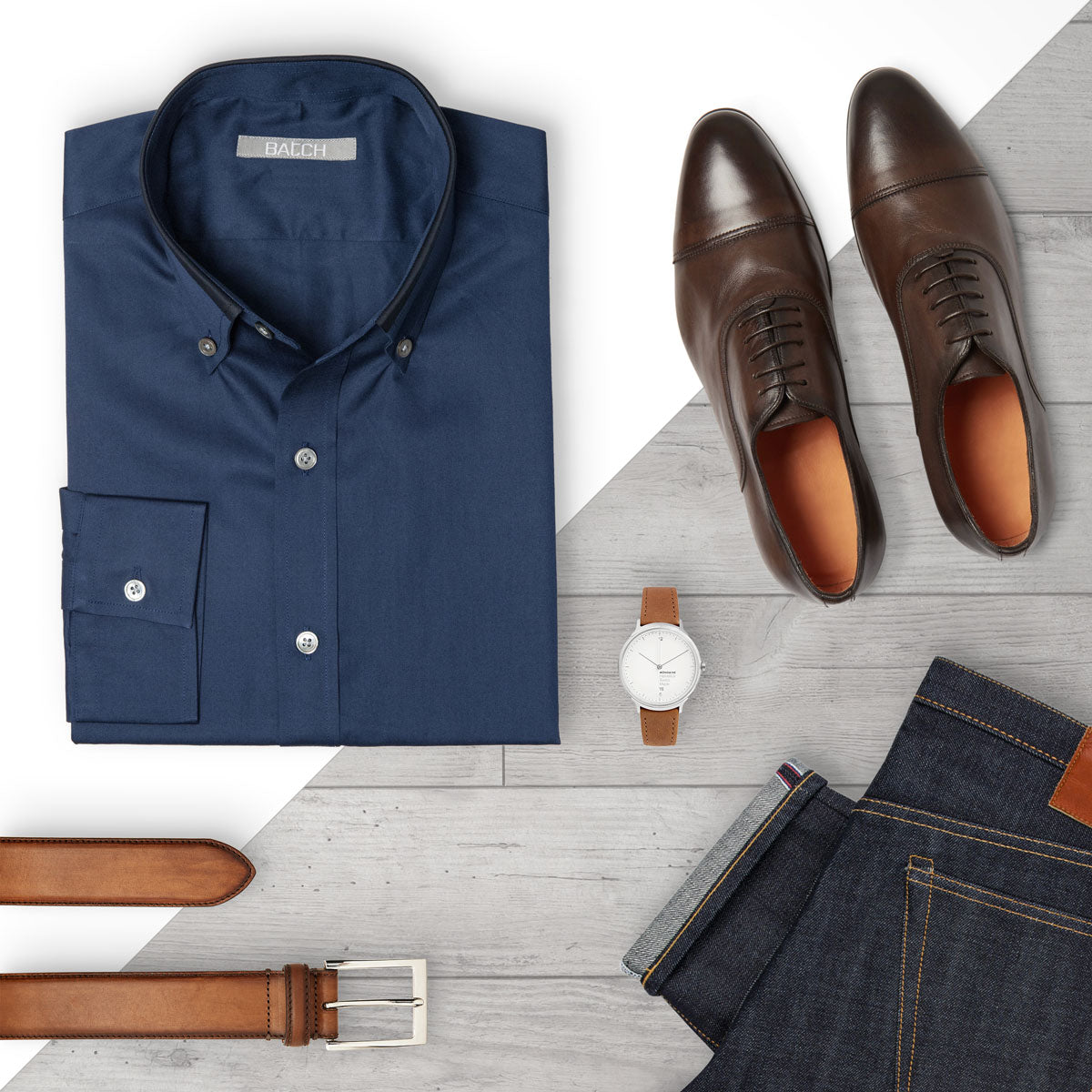
Credit: www.batchmens.com
