

What is the Meaning of Smart Casual Dress Code Explained
What Is The Meaning Of Smart Casual Dress Code
Some dress codes are simple: formal, casual, or business attire. But smart casual is different. It sits somewhere in the middle, often causing confusion and anxiety. If you have ever received an invitation asking for smart casual and wondered what that really means, you are not alone. This style of dressing is popular in workplaces, events, and social occasions, but it is also the one most misunderstood.
In this article, you will discover what smart casual really means, how it is different from other dress codes, and how to dress smart casual with confidence. You will also learn practical tips, see real examples, and get answers to the questions people often ask.
Whether you are preparing for a job interview, a meeting, a dinner, or just want to upgrade your everyday style, understanding the smart casual dress code can help you look and feel your best.
The Core Idea Of Smart Casual
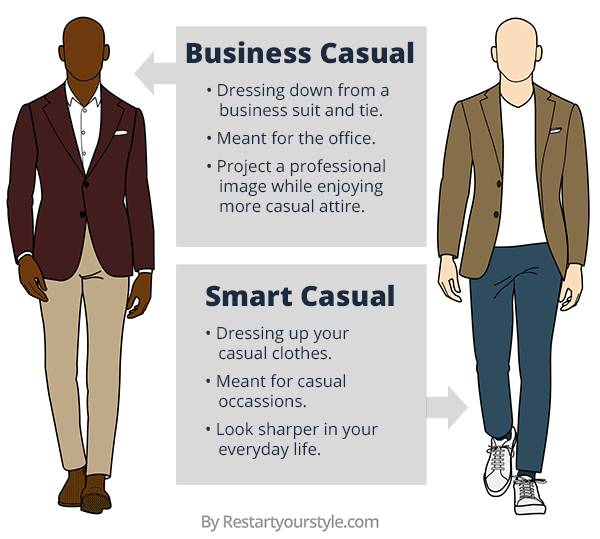
Smart casual is a blend of elegance and comfort. It is less formal than business attire but more refined than everyday casual wear. The main idea is to look polished but relaxed. You want to show that you made an effort, but not look overdressed. Think of it as “dressing up your casual clothes” or “dressing down your formal wear.”
For example, you might wear a blazer with jeans, or a neat blouse with tailored pants. The goal is to achieve balance. Smart casual is not about following strict rules, but about knowing how to mix and match pieces in a way that looks thoughtful and modern.
Why Is Smart Casual Popular?
Smart casual has become popular for many reasons:
- Flexibility: It allows you to express personal style while still fitting in.
- Practicality: Suitable for many occasions—work, dinner, parties, or even travel.
- Modern Work Culture: Many offices now prefer smart casual because it is comfortable yet professional.
What Smart Casual Is Not
To avoid mistakes, it helps to know what smart casual is not:
- It is not too formal. A business suit is too much.
- It is not too casual. Sweatpants, flip-flops, or graphic T-shirts are not smart casual.
- It is not uniform. There is room for personal touches—colors, accessories, and layers.
Key Elements Of Smart Casual Attire
Understanding the main pieces that make up a smart casual look helps you create outfits easily. The details can change depending on your location, culture, and even the season, but the basics are similar everywhere.
For Men
- Blazers and Jackets: A blazer instantly makes casual clothes look smarter. Choose classic colors like navy, gray, or black.
- Shirts: Button-up shirts, polo shirts, or neat knitwear. Avoid loud prints and stick to clean, simple patterns or solid colors.
- Trousers and Chinos: Well-fitted trousers or chinos are a safe bet. Dark denim jeans can work if they are clean and have no rips.
- Shoes: Loafers, brogues, derbies, or clean sneakers. Avoid sports shoes or sandals.
- Accessories: Leather belts, wristwatches, and sometimes a pocket square for a touch of personality.
For Women
- Blouses and Tops: Blouses, button-up shirts, fine knitwear, or elegant tops. Avoid anything too revealing or casual.
- Pants and Skirts: Tailored pants, smart jeans, pencil skirts, or midi skirts. Stay away from shorts, ripped jeans, or leggings.
- Dresses: Simple, knee-length or midi dresses. Not too formal, not too casual.
- Jackets and Cardigans: Blazers, structured jackets, or neat cardigans add a polished touch.
- Shoes: Flats, loafers, ankle boots, or low-to-mid heels. Avoid flip-flops or old sneakers.
- Accessories: Subtle jewelry, neat handbags, and scarves can complete the look.
Typical Smart Casual Outfits
To help you see the difference, here is a comparison of smart casual pieces for both men and women:
| Item | Smart Casual (Men) | Smart Casual (Women) |
|---|---|---|
| Top | Button-up shirt, polo, sweater | Blouse, knit top, shirt |
| Bottom | Chinos, dark jeans, trousers | Tailored pants, skirt, dark jeans |
| Jacket | Blazer, sport coat | Blazer, cardigan |
| Shoes | Loafers, clean sneakers | Flats, ankle boots, low heels |
Smart Casual Vs. Other Dress Codes
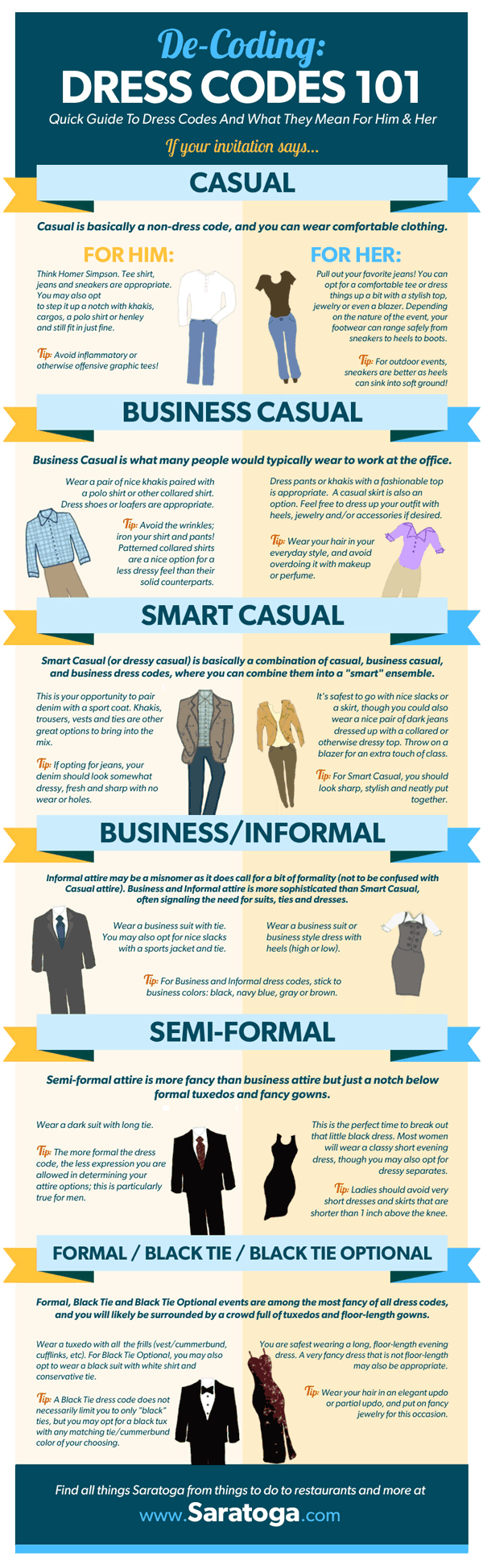
Smart casual is often confused with other dress codes. Knowing the differences will help you choose the right outfit every time.
Smart Casual Vs. Business Casual
- Business casual is closer to office wear. It is a bit more formal than smart casual. For example, business casual does not usually allow jeans, while smart casual might.
- Business casual often requires dress shoes and a collared shirt, while smart casual allows for a little more freedom.
Smart Casual Vs. Casual
- Casual means comfort and no strict rules—T-shirts, sneakers, and relaxed jeans are fine.
- Smart casual needs you to look put-together and avoid anything sloppy.
Smart Casual Vs. Formal
- Formal dress codes mean suits, ties, dresses, and heels.
- Smart casual is a big step down. You should look sharp, but not as if you are going to a wedding or gala.
The table below compares these dress codes at a glance:
| Dress Code | Typical Tops | Typical Bottoms | Shoes |
|---|---|---|---|
| Formal | Suits, dress shirts, evening dresses | Suit pants, gowns | Oxfords, heels |
| Business Casual | Collared shirts, blouses | Trousers, pencil skirts | Dress shoes, flats |
| Smart Casual | Button-ups, polos, neat tops | Chinos, skirts, dark jeans | Loafers, boots, clean sneakers |
| Casual | T-shirts, hoodies | Jeans, shorts | Sneakers, sandals |
When To Wear Smart Casual
Smart casual is suitable for many situations. It is often requested for:
- Workplaces with a relaxed culture
- Networking events or business lunches
- Dinner dates or casual parties
- Conferences and seminars
- Travel when you want to look presentable but stay comfortable
If you receive an invitation that says “smart casual,” it is usually because the host wants guests to look good but feel comfortable. Some restaurants, clubs, or hotels also use this dress code to keep a certain standard without being strict.
The Importance Of Context
Smart casual can change based on location and event. For example, what is smart casual in a creative office may be too relaxed for a law firm. In warmer climates, lighter fabrics and short sleeves may be fine. If you are unsure, it is always better to be slightly more formal than too casual.
Building A Smart Casual Wardrobe
You do not need a large closet to dress smart casual. The secret is to own a few versatile pieces that you can mix and match. Here is how to build a smart casual wardrobe step by step.
The Foundation: Essential Pieces
- Neutral-colored tops: White, navy, black, beige, or gray shirts and blouses are easy to combine.
- A good blazer: A well-fitted blazer can dress up almost any outfit.
- Dark jeans or chinos: These go well with most smart casual looks.
- Simple dresses or skirts: For women, a knee-length dress or skirt is a smart investment.
- Polished shoes: Clean loafers, flats, or boots work for many outfits.
- Accessories: A leather belt, a watch, or a scarf can add a smart touch.
How To Mix And Match
- Pair jeans with a blazer and shirt for a modern look.
- Wear a fine knit sweater over a collared shirt.
- Combine a skirt with a tailored blouse and flats.
Less is often more. Avoid over-accessorizing or wearing too many bright colors at once.
Smart Casual For Different Seasons
Your smart casual look can change with the weather. In summer, lighter fabrics and breathable shoes work best. In winter, add layers like sweaters, scarves, and boots.
Here is a seasonal comparison:
| Season | Men | Women |
|---|---|---|
| Spring/Summer | Light shirts, chinos, loafers | Blouses, skirts, flats or sandals |
| Fall/Winter | Sweaters, blazers, boots | Knit tops, pants, ankle boots, cardigans |
Smart Casual Styling Tips
Smart casual is not just about clothes—it is about the whole look. Here are practical tips to help you get it right every time.
Fit Is Everything
Clothes should fit well—not too tight, not too loose. A simple outfit in the right size looks better than expensive clothes that do not fit.
Fabrics Matter
Choose high-quality materials like cotton, linen, wool, or blends. Avoid shiny or cheap-looking fabrics.
Keep It Clean
Neatness is key. Make sure your clothes are clean, ironed, and free of stains or holes.
Add One Statement Piece
A bold watch, a colorful scarf, or a unique pair of shoes can show personality without breaking the smart casual balance. But do not overdo it—one statement item is enough.
Avoid Common Mistakes
- Wearing athletic wear (unless it is a very modern, minimal sneaker)
- Choosing clothes that are too casual, like hoodies or graphic tees
- Over-accessorizing
- Ignoring grooming—hair, nails, and shoes should look tidy
Subtle Details Make A Difference
Small things like cuffed sleeves, a tucked-in shirt, or a simple necklace can elevate your outfit. These details may not be obvious, but they help you look more polished.
Credit: www.businessinsider.com
Smart Casual Around The World
The meaning of smart casual can change depending on culture and region. In some countries, smart casual is almost business-like. In others, it is much more relaxed. Here are some global differences:
- Europe: Often more formal. A blazer is almost always expected.
- North America: More relaxed. Jeans are usually acceptable if styled well.
- Asia: Can be more conservative. Bright colors or bold accessories may not be common.
If you are traveling or working internationally, it is a good idea to look up local customs or ask locals what smart casual means in their context.
Smart Casual For Special Occasions
Events often use “smart casual” to make guests comfortable but presentable. Here’s how to approach different situations:
Office Settings
In many modern workplaces, smart casual is the daily norm. Here, you can mix business pieces with more relaxed items. For example, a button-down shirt with dark jeans and a blazer works well.
Networking Events
You want to look approachable but professional. Choose outfits that show effort but do not look stiff. Layering is a good strategy—add or remove a jacket based on the event’s vibe.
Parties And Social Events
Smart casual at a party allows more color and creativity. Women can wear patterned skirts or statement jewelry. Men might choose a polo shirt instead of a regular button-up.
Dining Out
Restaurants with a smart casual dress code expect guests to look neat but not overdressed. Good jeans with a nice shirt and shoes are usually enough. If in doubt, check the restaurant’s website or call ahead.
Non-obvious Insights For Smart Casual Success
Most guides tell you what to wear, but here are two important points that many beginners miss:
- The Power of Layering: Layering is not just about warmth. Adding a blazer, cardigan, or scarf can turn a plain outfit into something smart casual. You can also remove a layer if you feel overdressed.
- Shoes Set the Tone: Shoes can make or break a smart casual look. Even if you wear jeans, choosing leather shoes or clean, minimalist sneakers can shift your whole outfit from casual to smart casual.
A third often-overlooked tip: Grooming and Attitude. The way you carry yourself—good posture, neat hair, confident smile—matters as much as the clothes themselves. Smart casual is about the total impression, not just the fabric.
How To Adapt Smart Casual For Different Body Types
Smart casual should feel comfortable for everyone, regardless of body shape or size. Here are some tips:
- For taller people: Try layering and mixing textures to add balance.
- For shorter people: Choose fitted clothes and avoid oversized items. Vertical patterns can help elongate your look.
- For curvier bodies: Structured jackets and high-waisted pants can create a flattering shape.
- For slimmer bodies: Try adding a belt or choosing thicker fabrics for more presence.
The main idea is to feel good in your outfit. If you are unsure, try on different styles at home and take a photo to see how you look from another perspective.
Sustainable Smart Casual Choices
More people are now thinking about the environment when they shop for clothes. Smart casual is perfect for a sustainable wardrobe because it relies on timeless, quality pieces rather than fast fashion.
Buy Less, Choose Well
Instead of buying many cheap items, invest in a few pieces that last longer and never go out of style. Neutral colors and classic cuts can be worn in many ways, for years.
Look For Eco-friendly Brands
Some brands use recycled materials or focus on ethical production. If sustainability is important to you, look for labels that explain their values.
Care For Your Clothes
Smart casual pieces often need less washing than athletic wear. Airing out jackets or steaming blouses can make them last longer and reduce water use.
For more tips on sustainable fashion, you can read about it on Vogue.
Mistakes People Make With Smart Casual
Even with the right clothes, it is easy to get smart casual wrong. Here are some common mistakes:
- Wearing items that are too casual, like gym wear, distressed denim, or old sneakers.
- Overdressing—choosing a full suit or cocktail dress when it is not needed.
- Ignoring local customs or the event’s specific context.
- Not checking the fit. Baggy or tight clothes never look smart.
- Forgetting about shoes and grooming.
If you ever feel unsure, remember: it is better to be slightly overdressed than underdressed. You can always remove a jacket or tie to look more relaxed.
How To Shop For Smart Casual Clothing
Shopping for smart casual does not have to be expensive. Here is how to make smart choices:
- Try Before You Buy: Fit is key. Always try on clothes or check return policies if you shop online.
- Start with Basics: Get neutral tops, pants, and a blazer before adding statement pieces.
- Look for Versatility: Choose clothes you can wear for different occasions.
- Quality over Quantity: A few well-made pieces are better than a closet full of cheap clothes.
- Don’t Forget Accessories: A good belt, watch, or bag can complete your look.
How To Transition From Day To Night In Smart Casual
Sometimes you need an outfit that works for both work and evening plans. Smart casual is perfect for this. Here’s how to make a smooth transition:
- For Men: Wear chinos and a button-up shirt to work. Add a blazer for meetings. For after-work drinks, remove the blazer and roll up your sleeves.
- For Women: A simple dress with flats is great for the office. Swap flats for ankle boots and add a bold necklace for the evening.
Carry a small bag with accessories or a change of shoes to adjust your look in minutes.
Smart Casual In The Digital Age
With more meetings and events happening online, does smart casual still matter? Yes, but with some adjustments.
- Focus on your top half—shirts, blouses, and jackets are most visible on camera.
- Avoid busy patterns that can distract on video.
- Make sure your clothes are wrinkle-free and your hair is tidy.
- Even if you wear jeans or sweatpants off-camera, looking smart above the waist shows respect for your audience.
Frequently Asked Questions
Credit: www.saratoga.com
What Is The Main Difference Between Smart Casual And Business Casual?
Business casual is usually more formal than smart casual. Business casual outfits often include dress pants, collared shirts, and dress shoes, and rarely allow jeans or sneakers. Smart casual allows more freedom, such as dark jeans, clean sneakers, or a neat T-shirt under a blazer, while still looking polished.
Can I Wear Jeans In A Smart Casual Outfit?
Yes, you can wear jeans in a smart casual outfit, but they should be dark, free of holes or rips, and well-fitted. Pair jeans with a smart top and shoes, like a blazer and loafers, to elevate the look.
Credit: uanvi.com
Are Sneakers Allowed In Smart Casual?
Clean, minimalist sneakers are often acceptable in smart casual, especially in creative environments or social events. However, avoid athletic sneakers or anything with bold logos. Leather or canvas sneakers in neutral colors work best.
How Do I Know If My Outfit Is Too Casual?
If your outfit includes items like graphic T-shirts, old sneakers, shorts, or sportswear, it is likely too casual. Ask yourself: “Would I feel comfortable meeting a client or going to a nice restaurant in this?” If not, add a smarter piece like a jacket or dress shoes.
What Should I Do If I Am Not Sure What To Wear For A Smart Casual Event?
When in doubt, lean slightly more formal. Wear a blazer or jacket, choose neat shoes, and keep accessories simple. You can always remove a layer or accessory if you feel overdressed once you arrive. Checking with the host or looking at photos from past events can also help.
Smart casual is all about balance. With these tips and examples, you are ready to dress smart casual for any occasion. By understanding the style, making thoughtful choices, and focusing on fit and details, you can feel confident that you are always dressed just right.
