

Business Casual Tips for Women: Elevate Your Office Style Today
Business Casual Tips For Women
The world of business casual attire can feel confusing, especially for women navigating different workplaces, industries, and climates. Unlike strict dress codes, business casual leaves room for personal style, but this freedom can also raise questions: How formal is too formal? What is too relaxed? How do you stay comfortable and professional, and still express yourself?
In today’s work culture, business casual is the most common dress code for offices, networking events, and even virtual meetings. It offers flexibility, but also requires a thoughtful approach. The right outfit can boost your confidence, help you make a great impression, and even improve productivity.
This guide will break down everything you need to know about business casual for women, from the basics to advanced tips, with practical examples and answers to common challenges.
What Is Business Casual For Women?
Business casual sits between formal business wear and everyday casual. It’s about looking neat, professional, and approachable without being too stiff or too relaxed. For women, this usually means combining tailored pieces with softer, more comfortable elements.
Key characteristics of business casual:
- Polished but not formal
- Comfortable but not sloppy
- Allows for some personality
Unlike men’s business casual, which often means khakis and a polo, women’s options are wider—pants, skirts, dresses, blouses, sweaters, and more. This flexibility is great, but also means you need clear guidelines.
Common Business Casual Pieces For Women
- Blouses: Solid colors, subtle prints, or classic patterns like stripes
- Dress pants: Ankle-length or full-length, in neutral shades
- Knee-length or midi skirts: Pencil, A-line, or pleated styles
- Dresses: Simple cuts, not too tight or short
- Blazers or cardigans: Add structure and polish
- Closed-toe shoes: Loafers, flats, low heels, or clean sneakers (if allowed)
- Simple accessories: Minimal jewelry, classic belts, neat handbags
Essential Tips For Building A Business Casual Wardrobe
Building a business casual wardrobe doesn’t mean buying a whole new closet. Start with versatile basics and add pieces that fit your style and workplace culture.
1. Choose Quality Over Quantity
It’s better to own a few well-fitting, timeless pieces than many trendy items that quickly look dated. Invest in classic dress pants, a tailored blazer, and comfortable shoes. These staples can be mixed and matched for many different looks.
2. Prioritize Fit
Ill-fitting clothes can look unprofessional, even if they are expensive. Make sure pants are the right length, blouses are not too tight, and skirts allow you to move comfortably. Don’t hesitate to get key pieces tailored.
3. Start With Neutral Colors
Neutrals like black, navy, gray, beige, and white are easy to mix and match. Once you have the basics, add some color through tops, scarves, or jewelry. This approach keeps your wardrobe flexible and suitable for any season.
4. Layering Is Key
Offices can be cold or warm depending on the season and AC. Layering with blazers, cardigans, or lightweight sweaters helps you stay comfortable and adjust your look as needed. Layers also add depth and style to simple outfits.
5. Keep Accessories Minimal
Business casual is not the time for bold statement pieces. Choose simple earrings, a watch, or a delicate necklace. A structured tote or handbag adds a professional touch.
6. Mind The Hemlines And Necklines
Keep skirts and dresses around knee-length or just below. Avoid low necklines or super high slits—these can look unprofessional even if the rest of your outfit is polished.
7. Pay Attention To Shoes
Shoes should be clean, comfortable, and not too flashy. Avoid flip-flops, sky-high heels, or anything with heavy embellishment. A good pair of loafers, ballet flats, or ankle boots works in most offices.
8. Add Personality With Prints And Colors
Once you’ve mastered the basics, don’t be afraid to show some personality. Subtle prints, a pop of color, or a unique scarf can make your outfit memorable. Just keep it balanced so you still look professional.
9. Adapt To Your Industry
Some industries are more formal than others. Finance, law, and consulting often expect more conservative business casual, while tech or creative fields allow more freedom. Observe what others wear, or ask your HR department for guidance.
10. Maintain Your Clothes
Wrinkled shirts or scuffed shoes can ruin an otherwise great outfit. Regularly clean, press, and care for your clothes. Keep a lint roller at your desk for quick touch-ups.
Business Casual Dos And Don’ts
Understanding what to wear is important, but knowing what to avoid is just as helpful. Here’s a quick overview.
| Do | Don't |
|---|---|
| Wear neat, tailored clothes | Wear ripped jeans or gym wear |
| Choose neutral or soft colors | Pick neon or loud patterns |
| Keep makeup natural | Use heavy, bold makeup |
| Wear comfortable, closed shoes | Wear flip-flops or old sneakers |
| Keep accessories minimal | Wear chunky, distracting jewelry |
These guidelines will help you avoid common pitfalls and always look ready for work.
How To Choose Business Casual Pieces
Finding the right balance between personal style and workplace expectations can be tricky. Here’s how to choose wisely:
Understand The Dress Code
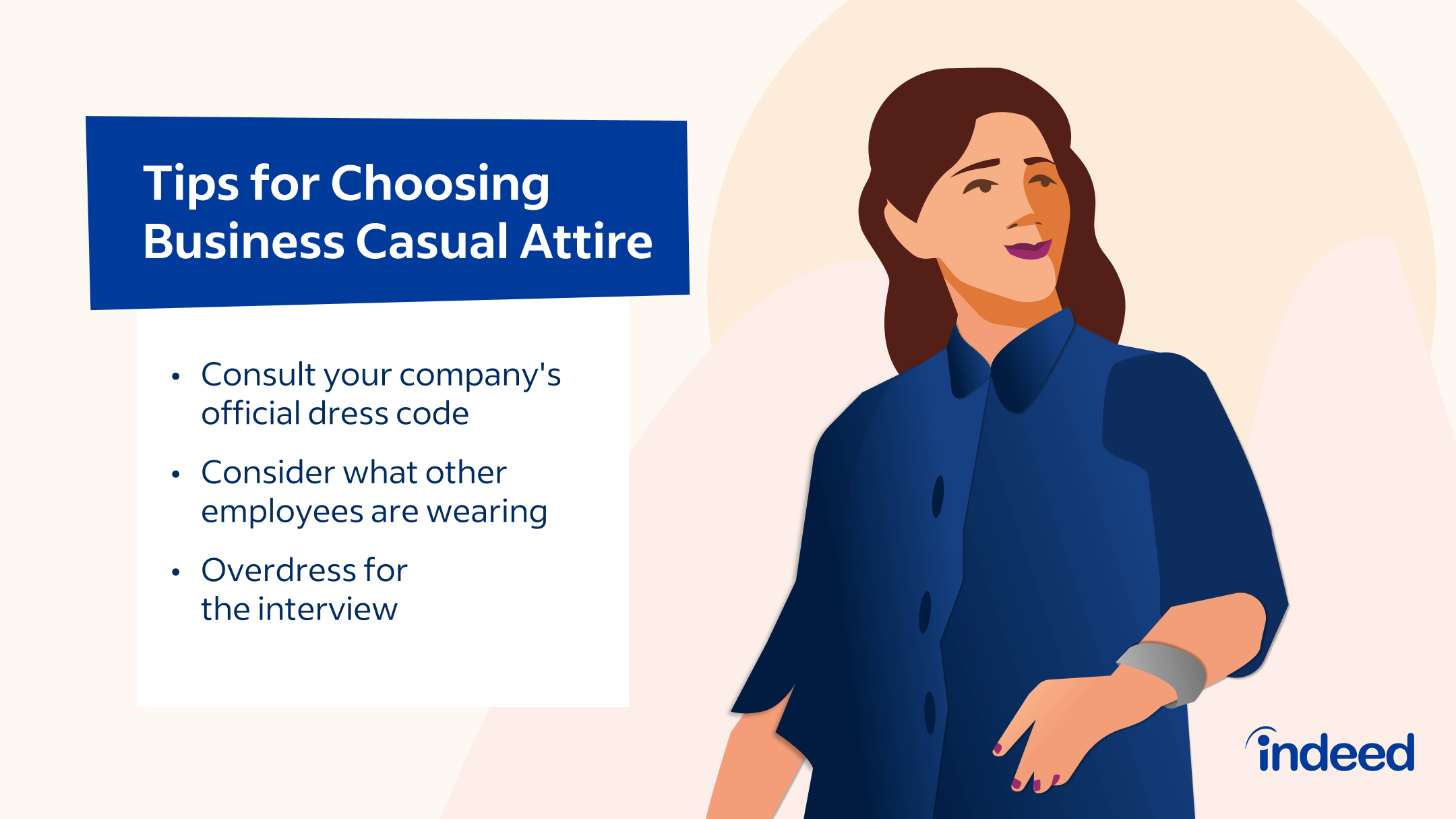
Some companies provide clear guidelines, while others leave it open. If you’re unsure, observe what managers and colleagues wear, or ask HR for advice.
Consider The Weather
Select fabrics that work for your climate. Cotton, linen, and blends are great for hot weather, while wool, tweed, and thicker knits are better for colder months. Layering helps you adapt throughout the year.
Think About Your Day
If you’ll be moving between meetings, commuting, or working late, choose comfortable, wrinkle-resistant fabrics. A spare pair of shoes or a scarf in your bag can help you adjust as needed.
Mix And Match
A key benefit of business casual is versatility. Each piece should work with several others. For example, a navy blazer pairs well with black pants, a gray skirt, or even dark jeans (if allowed).
Avoid Common Mistakes
Beginners often buy too many statement pieces, or focus on trends over timeless styles. Stick to the basics first and add new items slowly.
Business Casual Outfit Formulas
To make dressing easier, try these simple outfit combinations. They work for most office environments and can be customized with your favorite colors or accessories.
- Blouse + Dress Pants + Flats
- Add a blazer for meetings or presentations.
- Knee-Length Dress + Cardigan + Loafers
- Swap the cardigan for a blazer for a more formal look.
- Sweater + Midi Skirt + Ankle Boots
- Works well in cooler months; add tights if needed.
- Button-Down Shirt + Black Jeans + Ballet Flats
- Only if jeans are allowed; choose dark, non-distressed styles.
- Printed Top + Neutral Trousers + Structured Bag
- Keep the print subtle and colors coordinated.
These combinations keep your wardrobe simple, while offering enough variety for different days.
Business Casual Essentials: Must-have Pieces
Every business casual wardrobe starts with a few essentials. Here’s a breakdown of the most important items, and what to look for in each.
| Item | Features to Look For | Why It Matters |
|---|---|---|
| Blazer | Tailored fit, neutral color | Adds structure to any outfit |
| Dress Pants | Comfortable waist, straight or slim cut | Professional and versatile |
| Blouses | Breathable fabric, classic patterns | Easy to layer, look polished |
| Knee-Length Skirt | Not too tight, neutral color | Works in all seasons |
| Cardigan | Fine knit, simple design | For layering and comfort |
| Loafers/Flats | Supportive, closed-toe | Comfortable for all-day wear |
| Simple Dress | Knee-length, tailored | One-step outfit solution |
Building your wardrobe around these pieces gives you a strong foundation for any business casual situation.
Business Casual For Different Body Types
One common struggle is finding business casual clothes that fit your unique body shape. Here are some practical tips for different figures:
Petite
- Choose ankle-length pants to avoid bunching
- Try vertical stripes or monochrome outfits to elongate your frame
- Avoid oversized blazers—tailored fits work best
Tall
- Midi skirts and dresses complement longer legs
- Look for brands with “tall” sizing to avoid short hemlines
- Avoid sleeves or pants that look too short
Curvy
- High-waist pants and skirts define your waist
- Wrap dresses and A-line skirts flatter curves without clinging
- Avoid boxy cuts that can hide your shape
Athletic
- Pleated skirts or peplum tops create curves
- Fitted blazers add shape to your silhouette
- Avoid overly baggy clothes—they can look shapeless
The key is to focus on fit and comfort. Don’t be afraid to try different brands or get clothes tailored for a perfect look.
Business Casual For Different Climates
Your local climate plays a big role in what you wear to work. Here’s how to handle extreme weather without sacrificing style:
Warm Weather
- Choose breathable fabrics like cotton, linen, or blends
- Light colors reflect heat and keep you cool
- Sleeveless tops are okay if shoulders are covered by a cardigan or blazer
- Avoid heavy layers or thick knits
Cold Weather
- Layer with sweaters, blazers, and lined pants
- Tights or leggings under skirts and dresses add warmth
- Choose wool, tweed, or thicker fabrics
- Scarves add both style and insulation
Rainy Or Humid Days
- Water-resistant shoes or boots protect your feet
- Keep a compact umbrella in your bag
- Choose quick-dry fabrics that won’t cling
- Avoid long pants that can drag in puddles
Adapting your wardrobe to the seasons keeps you comfortable and polished year-round.
Advanced Tips: Elevate Your Business Casual Style
Once you’ve mastered the basics, you can add extra polish and confidence to your look with these advanced tips.
1. Experiment With Texture
Mixing textures—like a silk blouse with tweed pants or a knit sweater with a leather belt—creates visual interest. It makes even simple outfits feel more sophisticated.
2. Try Subtle Patterns
If your office allows it, try subtle patterns like pinstripes, small florals, or houndstooth. Mix one pattern with solids to keep your look balanced.
3. Use Monochrome Outfits
Wearing one color from head to toe (like navy or beige) creates a sleek, modern look. Add a pop of color with your bag or shoes for contrast.
4. Play With Proportions
Pair a fitted top with wide-leg pants, or a loose blouse with a pencil skirt. This helps balance your silhouette and keeps your style fresh.
5. Keep A “backup Outfit” At Work
Accidents happen. Keep an extra blouse or blazer at your desk in case of spills or last-minute meetings. This is a secret weapon many experienced professionals rely on.
Business Casual Mistakes To Avoid
Even experienced professionals make mistakes with business casual. Here are some common errors and how to avoid them:
- Overdressing or Underdressing: If you’re unsure, dress up slightly—being a little more formal is usually safer.
- Ignoring Company Culture: What’s okay in one office might not be in another. Always observe and adapt.
- Wearing Old or Damaged Clothes: Stains, wrinkles, or pilling can ruin your image. Regularly check your clothes for wear and tear.
- Forgetting About Shoes: Even if the rest of your outfit is great, dirty or worn-out shoes can spoil the effect.
- Assuming All “Business Casual” Is the Same: Some offices allow jeans, others don’t. Always check first.

Credit: www.youtube.com
Business Casual On A Budget
You don’t need to spend a fortune to look professional. Here are some ways to build a strong wardrobe without overspending:
Shop Smart
- Look for sales, outlet stores, or secondhand shops for high-quality basics
- Invest in a few key pieces, then add budget-friendly tops or accessories
- Buy items that can be mixed and matched for maximum flexibility
Care For Your Clothes
Proper washing and storage keep clothes looking new longer. Use garment bags for blazers and avoid over-washing delicate fabrics.
Borrow Or Swap
If you have friends or coworkers with similar sizes, consider swapping pieces for variety. This is a great way to try new styles without spending money.
Real-life Examples: Business Casual Outfits
Let’s look at a few examples of business casual outfits for different situations:
Office Meeting
- Navy blazer, white blouse, gray ankle pants, black loafers
- Simple gold stud earrings and a leather tote
Networking Event
- Midi wrap dress, fitted cardigan, nude flats
- Statement necklace for a touch of personality
Casual Friday
- Striped knit top, dark jeans (if allowed), ankle boots
- Lightweight scarf and a crossbody bag
Presentation
- Black sheath dress, beige blazer, closed-toe heels
- Minimal jewelry and a structured handbag
Virtual Meeting
- Bright, solid-colored blouse (shows well on camera)
- Simple stud earrings and neat hair
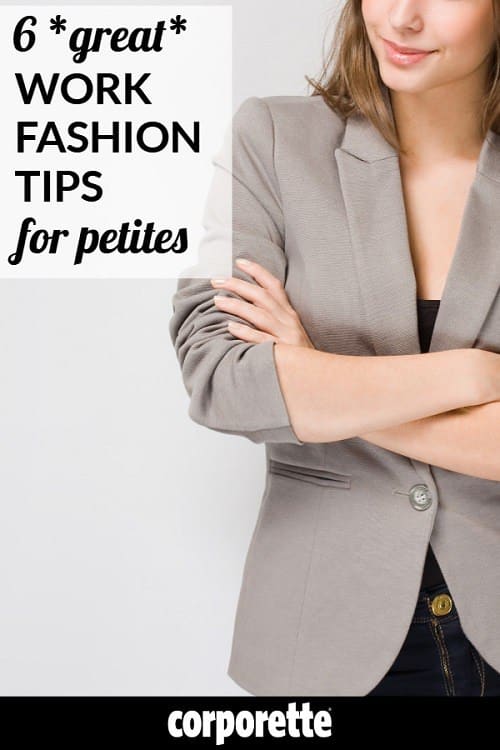
Even on video calls, dressing up helps you feel more focused and professional.
Credit: www.milosbreeze.gr
Business Casual Vs. Other Dress Codes
Sometimes it’s hard to know the difference between dress codes. Here’s a quick comparison to help you understand where business casual fits.
| Dress Code | Main Features | Examples |
|---|---|---|
| Business Formal | Very structured, dark suits, formal dresses | Pant suit, sheath dress, closed-toe pumps |
| Business Casual | Mix of tailored and relaxed pieces | Dress pants, blouses, cardigans, loafers |
| Smart Casual | More relaxed, trendy, allows jeans (if neat) | Dark jeans, blazers, stylish tops, ankle boots |
| Casual | Everyday wear, little or no restriction | T-shirts, sneakers, relaxed dresses, sandals |
Understanding these differences helps you dress right for any event or workplace.
Non-obvious Insights For Business Casual Success
Most beginners miss two key things:
- The Power of Fabric: Not all fabrics are equal. Natural fibers like cotton, wool, and silk look more polished and are more comfortable. Synthetics can sometimes look cheap or feel less breathable.
- The Importance of Maintenance: It’s easy to focus on buying clothes but forget about care. Regularly clean, press, and repair your business casual pieces. This small effort makes a big difference in your overall look.
Also, don’t underestimate the impact of confidence. When you feel good in your clothes, you’ll stand taller and make a better impression.
Credit: www.indeed.com
Frequently Asked Questions
What Is Considered Too Casual For A Business Casual Office?
Clothes like ripped jeans, shorts, tank tops, and flip-flops are usually too casual. Athletic wear and graphic tees are also not appropriate. Always aim for neat, clean, and put-together outfits.
Can I Wear Jeans In A Business Casual Workplace?
This depends on your company’s policy. Some allow dark, non-distressed jeans as part of business casual, especially on Fridays. Always check with HR or observe what others wear before including jeans in your rotation.
Are Sneakers Acceptable For Business Casual?
Some modern workplaces accept clean, simple sneakers as business casual, but this is not universal. Stick to classic styles in neutral colors and avoid athletic or flashy designs. When in doubt, choose loafers or flats instead.
How Can I Add Personality To My Business Casual Look?
Try adding subtle prints, unique scarves, or a pop of color with your shoes or bag. Minimal jewelry and interesting textures (like a tweed blazer or silk scarf) also let you express your style while staying professional.
Where Can I Find More Inspiration For Business Casual Outfits?
Many professional style blogs and platforms like Pinterest share outfit ideas. For more detailed guidelines, visit resources such as The Balance Careers, which offers updated advice on workplace dress codes.
Dressing business casual as a woman is not about following strict rules, but about combining comfort, professionalism, and your own personality. With the tips in this guide, you can create a wardrobe that feels authentic and helps you succeed in any professional setting.
