

What is the Meaning of Activewear: A Complete Style Guide
What Is The Meaning Of Activewear
Activewear is everywhere today. You see it in gyms, on the street, at the park, and even in offices or cafes. But what does “activewear” really mean? Many people think it is just another word for gym clothes, but the reality is much broader and more interesting.
This article explores the full meaning of activewear, its history, purpose, types, and why it has become a global trend. Whether you are new to fitness, a fashion lover, or just curious, you will find clear answers and useful tips here.
Defining Activewear
Activewear is clothing designed for physical activities. It is made to support movement, comfort, and performance during exercise or sports. However, activewear has grown beyond the gym. Today, it also means clothes that look stylish and can be worn for daily activities, like running errands or meeting friends. The main idea is that activewear combines function (supporting activity) and fashion (looking good).
Some key features of activewear:
- Flexible fabrics that stretch easily, letting you bend and move without restriction. This flexibility is crucial for activities such as yoga or dance.
- Moisture-wicking to keep you dry by drawing sweat away from your skin. This is important for both short workouts and long outdoor runs.
- Breathable materials to help your body cool off. Mesh panels or special fabric blends add extra ventilation, reducing overheating.
- Durable for repeated movement and washing. Good activewear holds its shape and color even after many uses.
- Modern designs that fit everyday life, so you don’t need to change clothes after your workout.
It is different from regular casual clothes because activewear is specially made for movement, sweat, and comfort. For example, a pair of jeans is not activewear, but stretchy leggings with moisture control are. Even small details like flat seams prevent chafing, which normal clothes may not consider.
Activewear is often designed with specific activities in mind, but many pieces are now versatile enough to be worn almost anywhere. For instance, a high-quality pair of leggings can work for both a workout and a casual lunch.
The History And Evolution Of Activewear
Activewear has an interesting story. It started with simple sports uniforms and has now become a global fashion trend.
In the early days, people wore regular clothes for exercise. Over time, athletes and designers realized the need for special clothing for sports. This led to the creation of items like tracksuits, tennis skirts, and football kits.
The big change happened when brands started using new fabrics like Lycra and polyester. These materials made clothes stretchier, lighter, and better at handling sweat. Soon, people saw that activewear was not just for sports — it was comfortable and stylish enough for daily life.
In the 1970s and 80s, fitness boomed, and brands like Nike, Adidas, and Puma became household names. Aerobics and jogging made stretchy leotards and tracksuits popular with people of all ages. Suddenly, these clothes were not only for athletes but for anyone who wanted to look “fit” and modern.
By the 2000s, the rise of yoga and boutique fitness brought new styles like yoga pants and technical tops. Athleisure, a blend of athletic and leisure wear, took off. More people started wearing activewear to work, travel, or even social events.
Tech improvements, such as seamless construction and odor-resistant treatments, made activewear even more attractive.
Today, activewear is part of “athleisure” — a mix of athletic and leisure styles. You can wear activewear to the gym, but also to the supermarket, a park, or even some offices. The lines between sportswear, casual wear, and activewear are now blurred.
One detail that beginners often miss is how much activewear has changed fashion as a whole. Many brands, even luxury ones, now create clothes inspired by activewear, showing how powerful its influence has become.
Key Purposes Of Activewear
Activewear is not just about looking sporty. It is designed to help you move, perform, and stay comfortable. Here’s what makes activewear special:
1. Supports Movement
Activewear uses stretchy fabrics and ergonomic designs. This means you can squat, jump, run, or stretch without feeling limited. For example, running shorts have side splits for longer strides, and yoga leggings use four-way stretch fabrics.
2. Improves Performance
Good activewear can help athletes perform better. For example, compression tights may improve blood flow, and special tops can reduce muscle fatigue. Runners often choose technical shirts to reduce drag and prevent chafing.
3. Manages Sweat And Temperature
Materials like polyester and spandex “wick” sweat away from your skin. This keeps you dry and helps control your body temperature. Some high-tech shirts have mesh zones in key areas, like the back or underarms, for extra cooling.
4. Reduces Injury Risk
Some activewear, like padded shorts or knee sleeves, offers protection for joints and muscles. For instance, cycling shorts have built-in padding to prevent saddle sores, and runners may use compression socks to reduce swelling.
5. Boosts Confidence
When you wear clothes that fit well and look good, you feel more confident. This motivation can improve your performance and mood. Many people find that wearing activewear encourages them to be more active, even outside the gym.
A common beginner mistake is thinking that all activewear is the same. In reality, details like the placement of seams, the type of waistband, or the presence of pockets can make a big difference for comfort and performance in different activities.
Main Types Of Activewear
Activewear comes in many forms. Let’s look at the most common types, with examples and their main uses.
Tops
- T-shirts and tank tops: Made with lightweight, sweat-friendly fabrics for running, gym, or yoga. Some have mesh panels or reflective strips for night workouts.
- Long-sleeve shirts: Offer protection from the sun or cold during outdoor activities. Some include thumbholes to keep sleeves in place.
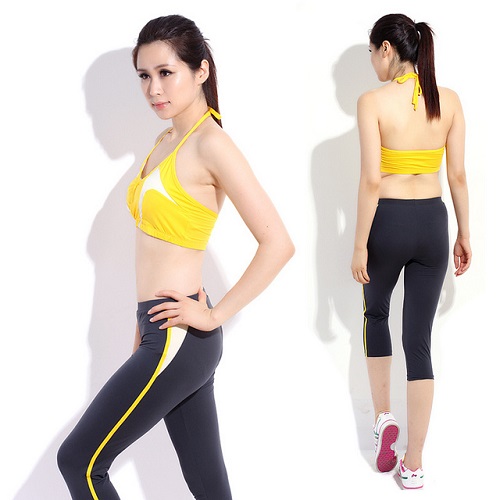
- Sports bras: Give support for women during high-impact movements. Styles range from light support for yoga to high support for running.
Bottoms
- Leggings: Tight-fitting and stretchy, great for yoga, gym, or running. Some have high waistbands for extra support, or pockets for small items.
- Shorts: Loose or tight, used for running, cycling, or training. Running shorts may have built-in liners, while cycling shorts offer padding.
- Track pants and joggers: Comfortable for warm-ups, cool-downs, or relaxing. Many have tapered legs and zippered pockets to keep items safe.
Outerwear
- Jackets and hoodies: Lightweight or thermal for outdoor activities and weather changes. Packable jackets are popular for runners and hikers.
- Windbreakers: Protect against wind and light rain without overheating. Some feature ventilation slits or adjustable hoods.
Footwear
- Running shoes: Support the foot and absorb impact. Features may include breathable mesh uppers and cushioned soles.
- Cross-trainers: Made for gym workouts, with extra grip and stability. Good for people who do a mix of activities.
- Specialty shoes: For sports like basketball, tennis, or hiking. Each type is designed for the movements and surfaces of that sport.
Accessories
- Socks: Made to reduce blisters and wick away moisture. Some have extra padding or arch support.
- Headbands and wristbands: Absorb sweat and keep you comfortable. Headbands can also keep hair out of your face.
- Gloves: For cycling, weightlifting, or cold weather. Some gloves have touchscreen tips for using your phone outdoors.
Activewear also includes items like sports hijabs, sun sleeves, and arm warmers, showing how the category keeps expanding to meet different needs.
Credit: www.differencebetween.net
Materials Used In Activewear
Materials are a major part of what makes activewear unique. Here are the main fabrics and their benefits:
1. Polyester
Durable, lightweight, and dries fast. It is the most common activewear fabric. Many technical shirts are 100% polyester for maximum sweat control.
2. Nylon
Soft, strong, and stretches well. Used in leggings and performance tops. Nylon resists abrasion, so it’s often found in gear for activities like climbing.
3. Spandex (lycra/elastane)
Adds stretch to fabrics, making them flexible and comfortable. Most leggings and fitted tops contain at least 10% spandex.
4. Cotton Blends
Natural and soft, but pure cotton is less effective at wicking sweat. Blends are often used for a natural feel. Some brands use cotton with added polyester for better moisture control.
5. Bamboo
Eco-friendly, soft, and antibacterial. Used in some sustainable activewear lines. Bamboo is also naturally odor-resistant.
6. Wool (merino)
Regulates temperature and resists odor, often used for outdoor activities. Merino wool shirts are popular with hikers because they stay comfortable across a wide range of temperatures.
High-end activewear may also use recycled materials, such as polyester made from old plastic bottles, or unique blends with silver fibers for odor control.
Material Comparison Table
Below is a quick comparison of the most common activewear materials:
| Material | Stretch | Moisture-Wicking | Durability | Comfort |
|---|---|---|---|---|
| Polyester | Medium | High | High | Medium |
| Nylon | High | High | High | High |
| Spandex | Very High | Medium | Medium | High |
| Cotton Blends | Low-Medium | Low-Medium | Medium | High |
| Bamboo | Medium | High | Medium | Very High |
| Wool (Merino) | Medium | High | High | High |
Many beginners don’t realize that the right material can make a huge difference in comfort and performance. For example, a cotton T-shirt will get heavy and sticky during a long run, while a polyester shirt stays light and dry.
Common Activities For Activewear
Activewear is used for many sports and activities. Here are some examples and what to look for in each case:
- Running: Breathable tops, shorts or leggings, and running shoes. Reflective details help with safety during early morning or evening runs.
- Yoga: Stretchy leggings, fitted tops, and a sports bra. Look for flat seams and high-waist designs for comfort during poses.
- Cycling: Padded shorts, moisture-wicking tops, and gloves. Tight fits reduce wind resistance and prevent chafing on long rides.
- Team sports: Jerseys, shorts, and sport-specific shoes. Team uniforms often use polyester or blends for easy cleaning and durability.
- Gym/Training: Flexible tops, shorts or leggings, and cross-trainers. Compression garments are popular for weightlifting and HIIT training.
- Hiking: Durable pants, moisture control shirts, and sturdy shoes. Layering is key—use base layers that wick sweat and outer layers that block wind or rain.
Activewear is also great for other activities such as pilates, dance, martial arts, or even gardening—anytime you need clothes that move with you and keep you comfortable.
Activity Vs. Required Features Table
Here is a quick reference for matching activities and key activewear features:
| Activity | Main Features Needed | Recommended Item |
|---|---|---|
| Running | Breathable, light, sweat-wicking | Moisture-wicking T-shirt & running shorts |
| Yoga | Flexible, soft, non-restrictive | High-stretch leggings & fitted tank top |
| Cycling | Padded, aerodynamic, sweat control | Padded cycling shorts & jersey |
| Gym | Flexible, supportive, durable | Compression shorts & performance tee |
| Hiking | Durable, weather-resistant, comfortable | Outdoor pants & moisture control shirt |
One thing people often overlook is the importance of layering for outdoor activities. For example, runners and hikers benefit from wearing a base layer, an insulating layer, and a windbreaker or rain jacket, adjusting as the weather changes.
Differences: Activewear Vs. Sportswear Vs. Athleisure
Many people confuse these terms. Here’s how they are different:
- Activewear: Made for both exercise and daily activities. Focuses on function and style. A pair of leggings or a moisture-wicking T-shirt is a classic example.
- Sportswear: Usually means uniforms or gear for specific sports (like a football kit or tennis dress). These are often required for matches and may not be suitable for daily wear.
- Athleisure: Fashion style that mixes athletic and leisure clothes. Athleisure can include activewear, but also items not meant for exercise. For example, a cotton hoodie and joggers worn as street style.
Another difference is that sportswear often follows strict team or league rules (like color and fit), while activewear and athleisure give you freedom of choice. Athleisure places more focus on trends and comfort, sometimes at the expense of performance features.
Comparison Table: Activewear, Sportswear, Athleisure
| Type | Main Purpose | Typical Use | Example |
|---|---|---|---|
| Activewear | Exercise & daily wear | Gym, running, casual outings | Leggings, moisture-wick tops |
| Sportswear | Specific sports | Games, matches, training | Football kit, tennis skirt |
| Athleisure | Fashion & comfort | Streetwear, work, travel | Hoodie with joggers |
If you want clothes that do double duty—function for activity and look good for everyday—activewear is the best choice.
Why Activewear Is Popular
The rise of activewear is not just about fitness. There are deeper reasons behind its popularity.
1. Comfort First
People love clothes that are easy to wear. Activewear offers a soft, stretchy feel all day. This is especially important in today’s fast-paced world, where comfort is valued more than ever.
2. Busy Lifestyles
Many want clothes that transition from morning workouts to work or shopping without changing outfits. Parents, students, and professionals all benefit from versatile clothing.
3. Social Influence
Celebrities and influencers wear activewear everywhere, making it trendy. Social media platforms like Instagram and TikTok have made “outfit of the day” posts featuring activewear very popular.
4. Work-from-home Culture
More people work remotely and want comfortable clothing that still looks neat. Activewear fits this need perfectly, with items like joggers and stylish zip-ups.
5. Health And Fitness Trends
As more people focus on health, they buy clothes that match their active habits. Even a quick walk around the block feels better in comfortable, supportive clothing.
6. Innovation In Design
Brands use new technology to make clothes that fit better, last longer, and look modern. Features like odor control, seamless construction, and hidden pockets make activewear even more attractive.
Two insights that beginners miss:
- Activewear is not just for athletes. Anyone can enjoy its benefits, even if you just walk or stretch. It’s about comfort and flexibility, not just high performance.
- Mixing activewear with regular clothes is common. For example, pairing leggings with a long sweater or a sports jacket with jeans. This “sporty chic” look is now accepted in many social and work settings.
Choosing The Right Activewear
Picking good activewear is not always easy. Here are the most important things to consider:
1. Fit And Comfort
Activewear should fit your body but not feel tight or restrict movement. Test items by stretching and moving before buying. Avoid clothes that dig into your skin or feel too loose. If shopping online, check size charts and reviews for guidance.
2. Activity Type
Choose items designed for your main activity. Yoga pants are not ideal for running, and cycling shorts are not best for yoga. For example, choose tops with UV protection for outdoor sports, or padded shorts for long bike rides.
3. Material
Check the fabric for stretch and sweat control. For heavy workouts, choose synthetic fibers with moisture-wicking features. For light activities, cotton blends are fine. Always check the label for fabric content and care instructions.
4. Durability
Look for reinforced stitching and quality zippers or elastic bands. Cheap items may wear out quickly. Pay attention to customer reviews about pilling, fading, or stretching out.
5. Style
Pick designs and colors that you enjoy. You are more likely to wear activewear that matches your taste. There are now options for every style—bold prints, minimalist designs, or classic solids.
6. Brand And Price
Famous brands often have better quality, but not always. Test mid-range brands for value. Don't focus only on price — cheap activewear may not last. Sometimes, paying a little more means the item will last much longer.
7. Care Instructions
Some activewear needs special washing (cold water, air dry). Make sure you can care for the fabric easily. If you don’t want extra laundry steps, look for machine-washable, low-maintenance options.
Common Mistakes When Buying Activewear
- Buying only for looks, not for function or fit
- Ignoring the activity type and material
- Choosing the wrong size, leading to discomfort
- Not checking washing instructions
One extra tip: Try on new activewear at home and move around—do a few stretches or squats. This helps you find any fit issues before you commit.
The Role Of Technology In Activewear
Modern activewear uses advanced technology to improve performance and comfort. Here are some key innovations:
- Moisture-wicking fabrics: Pull sweat away from the skin. Many brands now use fabric coatings or blends that speed up drying.
- Compression garments: Improve blood flow and reduce muscle fatigue. Compression socks and sleeves are common for runners and travelers.
- Anti-odor treatments: Prevent bacteria growth, keeping clothes fresh. Silver ions and other antimicrobial treatments are popular in technical gear.
- Seamless designs: Reduce chafing for extra comfort. Seamless leggings and tops are now widely available.
- UV protection: Some clothes block harmful sun rays for outdoor activities. Look for “UPF” ratings on tags.
- Sustainable materials: Brands now use recycled polyester or natural fibers to reduce environmental impact.
A beginner often misses that some high-tech fabrics need careful washing, or their special features may wear off quickly if not cared for as directed. For example, using fabric softener can ruin moisture-wicking properties.
Another detail: smart textiles are emerging, such as shirts that measure your heart rate or pants that track muscle movement. While still new, these innovations show where activewear is heading.
Sustainability And Ethical Concerns
As activewear becomes more popular, there are questions about its environmental impact. Many synthetic fabrics use oil-based materials and can create microplastics when washed. Some brands now focus on eco-friendly fabrics and fair labor.
Tips for sustainable activewear:
- Look for clothes made from recycled materials. Many brands now offer leggings, tops, and even shoes made from plastic bottles or fishing nets.
- Choose quality over quantity — well-made items last longer and reduce waste.
- Support brands with strong ethical values (check their website for information). Some companies share details about their factories, labor conditions, or carbon footprint.
- Wash less often and use gentle cycles to extend clothing life. This helps reduce water and energy use and keeps microfibers out of the water supply.
For more on sustainable fashion, see this resource from the Wikipedia page on sustainable fashion.
Some brands also offer take-back or recycling programs, where you can send old activewear for recycling rather than throwing it away.
How To Care For Activewear
Activewear needs proper care to stay comfortable and last longer. Here’s what you should do:
- Wash in cold water: Hot water can break down elastic fibers. Cold water helps preserve color and stretch.
- Avoid fabric softeners: They can block the moisture-wicking ability. Fabric softener leaves a coating that reduces performance.
- Air dry: Heat from dryers can damage stretch materials. Lay flat or hang to dry for best results.
- Wash inside out: Protects the outside of the fabric. This reduces pilling and keeps prints or logos looking sharp.
- Wash soon after use: Sweat can damage the fabric if left for long. If you can’t wash immediately, hang your gear to air out.
Two extra tips:
- Don’t iron activewear; heat may melt or damage the fibers. Most wrinkles fall out after air drying.
- Store in a cool, dry place to prevent odor and bacteria growth. Avoid sealing sweaty clothes in a bag for long periods.
If you use a gym bag, consider a breathable mesh one for sweaty gear. Also, try using a laundry bag for delicate items to protect them during washing.
Credit: www.woolyyarn.com
The Future Of Activewear
Activewear is not just a trend. It is here to stay and will keep evolving. Some new directions include:
- Smart textiles: Clothes that track heart rate or movement. These may connect with your smartphone or fitness tracker.
- Personalized fit: Custom sizing using body scans. Some brands already let you order leggings made to your exact measurements.
- More sustainable options: Brands searching for low-impact fabrics, such as biodegradable fibers or closed-loop recycling systems.
- Inclusivity: More options for all body sizes and abilities. Adaptive activewear is emerging for people with disabilities or unique needs.
Consumers now expect more from their clothes — not just for sport, but for comfort, style, and environmental responsibility. Activewear is leading fashion in these areas, and its influence will likely grow.
Frequently Asked Questions
What Is Activewear Used For?
Activewear is used for exercise, sports, and daily activities. It is designed to support movement, manage sweat, and keep you comfortable, whether you are working out or relaxing.
How Is Activewear Different From Regular Clothes?
Activewear uses special fabrics that stretch, control moisture, and are more durable than regular casual clothes. It is made for movement and comfort, while normal clothes may not handle sweat or repeated stretching.
Can I Wear Activewear Even If I Don’t Play Sports?
Yes! Many people wear activewear for comfort and style, even if they do not exercise. It is popular for errands, travel, or relaxing at home.
How Do I Choose The Right Activewear For Me?
Think about your main activity, fit, material, and style. Test how the clothes feel when you move, and check the care instructions. Pick items that match your needs and taste.
Is Activewear Eco-friendly?
Some activewear is eco-friendly, made from recycled or natural materials. However, many synthetic fabrics can impact the environment. Look for brands that focus on sustainability if this is important to you.
Activewear has changed the way we dress for both exercise and daily life. It combines function, comfort, and style in a way that fits modern lifestyles. With so many options and new innovations, activewear is more than a trend — it’s a lasting part of fashion and health culture.
Whether you are a fitness lover or just want comfort, understanding activewear helps you make better choices for your wardrobe and well-being.
Credit: stylishfabric.com
