

Best Way to Wash Activewear: Keep Your Workout Gear Fresh
Washing activewear is more than just tossing your gym clothes in the machine and hoping for the best. These special fabrics are designed to handle sweat, stretch, and movement, but they need careful care to last longer and stay fresh.
If you’ve ever noticed your workout shirts smelling even after washing, leggings losing their shape, or sports bras wearing out too fast, you’re not alone. Many people make simple mistakes that shorten the life of their activewear. Learning the best way to wash activewear can help you save money, feel more comfortable, and stay confident during every workout.
This guide will show you exactly how to clean your athletic clothes the right way. You’ll find out what makes activewear different from regular clothes, which products are best, and the steps that keep your gear looking and smelling new.
Plus, you’ll get tips most beginners miss, like why fabric softeners are a hidden enemy and how to fight stubborn odors. Whether you’re new to fitness or a seasoned athlete, understanding these details will make a huge difference in your activewear’s performance and lifespan.
Why Activewear Needs Special Care
Activewear is not like ordinary cotton T-shirts or jeans. These clothes are made from technical fabrics like polyester, nylon, spandex, and elastane. The reason? These materials wick sweat away, stretch with your movements, and dry fast. But these same features mean activewear can be easily damaged by standard washing routines.
Sweat and body oils can get trapped in the tiny fibers, leading to lingering odors. Detergent residue, fabric softeners, and high heat can ruin the fabric’s stretch and moisture-wicking ability. Proper care means your clothes stay comfortable, supportive, and odor-free for much longer.
Non-obvious insight: Many people assume expensive activewear will last longer no matter how it’s washed, but even premium brands can lose their shape and smell bad if not cared for correctly.
Common Washing Mistakes That Ruin Activewear
Before you learn the best methods, it’s useful to know what NOT to do. Here are some frequent mistakes people make:
- Using hot water: High temperatures can break down elastic fibers, causing sagging or loss of stretch.
- Adding fabric softener: This leaves a coating on fibers, blocking moisture-wicking and trapping odors.
- Overloading the washer: Clothes can’t move freely, so dirt and sweat aren’t fully rinsed away.
- Using too much detergent: Excess soap can build up and make clothes feel sticky or smelly.
- Drying on high heat: This damages elasticity and can shrink garments.
- Skipping pre-treatment: Stains and smells often need extra attention before washing.
- Ignoring care labels: Not all activewear is made the same; care instructions matter.
Non-obvious insight: Some detergents include strong perfumes that only mask odors temporarily, while sweat and bacteria remain trapped in the fabric.
Step-by-step Guide: Best Way To Wash Activewear
Taking care of your activewear doesn’t have to be complicated. Follow these simple steps for cleaner, fresher, and longer-lasting workout clothes.
1. Read The Care Label
Every brand has its own recommendations. Look for wash symbols and instructions. Some items, like compression gear, might need extra care.
2. Turn Clothes Inside Out
Sweat, oils, and bacteria mostly collect on the inside. Turning clothes inside out exposes the dirtiest part to water and detergent.
3. Pre-treat Stains And Odors
For tough smells or visible stains, apply a small amount of sports detergent or a mixture of water and white vinegar directly to the problem area. Let it sit for 15–30 minutes before washing.
4. Use Cold Water
Cold water preserves fabric elasticity and color. Hot or warm water can damage fibers and cause shrinkage.
5. Choose A Gentle Cycle
A gentle or delicate cycle reduces friction and stretching. Avoid heavy-duty or fast spins, which can harm seams and fabric structure.
6. Use The Right Detergent
Pick a mild detergent without perfumes or dyes. Sports detergents are designed to remove sweat and odors from technical fabrics. Use only the recommended amount—too much can leave residue.
7. Skip Fabric Softener
Never use fabric softener. It coats fibers, reduces breathability, and traps odors. If you want extra softness, add a half cup of white vinegar to the rinse cycle instead.
8. Wash Similar Fabrics Together
Wash activewear with other synthetic or lightweight items. Avoid mixing with towels, jeans, or rough fabrics, as they create lint and friction.
9. Rinse Thoroughly
Some washing machines have an extra rinse setting. Use it for activewear to remove all traces of detergent, which can irritate skin and affect performance.
10. Air Dry
Hang or lay flat to dry. Avoid the dryer, especially high heat, which breaks down elastic fibers and can cause shrinkage. If you need to use a dryer, choose the lowest heat setting.
Products And Tools That Make A Difference
You don’t need fancy gadgets, but a few simple products can help:
- Sports detergent: Specially made for synthetic fabrics. Removes sweat and bacteria better than regular soap.
- White vinegar: Neutralizes odors and helps rinse away detergent.
- Mesh laundry bags: Protect delicate items and prevent tangling.
- Stain remover: For visible marks or sweat stains.
- Drying rack: Lets air circulate and reduces drying time.
Example: Using a mesh laundry bag for sports bras or leggings keeps straps and seams from stretching.
Comparing Detergents For Activewear
Choosing the right detergent is a game-changer for workout clothes. Here’s how popular types compare:
| Detergent Type | Benefits | Drawbacks |
|---|---|---|
| Regular Detergent | Easy to find, affordable | May not remove odors, can leave residue |
| Sports Detergent | Removes sweat and bacteria, designed for synthetics | More expensive, not always in local stores |
| Eco-Friendly Detergent | Gentle, fewer chemicals | Sometimes less effective on strong odors |
How To Remove Stubborn Odors
Odors that linger after washing are a common complaint. Here’s how to tackle them:
- Soak in vinegar: Mix one part white vinegar with four parts cold water. Soak clothes for 30 minutes before washing.
- Try baking soda: Add half a cup of baking soda to the wash cycle to neutralize smells.
- Use sports detergent: These are formulated to break down odor-causing bacteria.
- Avoid over-drying: Letting clothes sit damp or in the washer too long encourages bacteria growth.
Tip: Always let your activewear air out after exercising instead of tossing it straight into the laundry basket.
Washing Activewear By Hand
Machine washing is convenient, but hand washing can help delicate or expensive items last even longer. Here’s how:
- Fill a basin or sink with cold water and a small amount of mild detergent.
- Submerge clothes and gently agitate for 5–10 minutes.
- Rinse under cold running water until all soap is gone.
- Press out water gently—don’t wring or twist.
- Lay flat or hang to dry.
Hand washing is especially good for sports bras, compression gear, and items with lots of straps or mesh panels.
Drying: Air Vs. Dryer
Drying is just as important as washing. Here’s how air drying compares to machine drying:
| Drying Method | Pros | Cons |
|---|---|---|
| Air Drying | Preserves elasticity, reduces shrinkage, no heat damage | Takes longer, needs space |
| Machine Drying (Low Heat) | Faster, convenient | Can damage fibers over time, risk of shrinking |
Whenever possible, choose air drying to extend the life of your activewear.
How Often Should You Wash Activewear?
Activewear should be washed after every use. Sweat, bacteria, and body oils build up quickly. Even if you only wore it for a short session, skipping washes can lead to smells and skin irritation.
However, for light activities like yoga or stretching where you didn’t sweat much, airing out the clothes before the next wear can be okay. But never re-wear heavily soiled or sweaty items.
Special Tips For Different Types Of Activewear
Not all gym clothes are the same. Here’s how to care for specific types:
Leggings And Tights
- Wash inside out to protect color and prints.
- Avoid washing with rough fabrics to prevent pilling.
Sports Bras
- Use a mesh bag to protect straps and clasps.
- Fasten hooks before washing to avoid snags.
Compression Gear
- Wash on the gentlest cycle or by hand.
- Air dry flat to keep compression strong.
Tops And Tanks
- Turn inside out to target sweat zones.
- Avoid dryer to keep logos and prints intact.
Socks
- Wash in a separate bag to prevent stretching and lint.
- Air dry to maintain fit.

Credit: www.ecos.com
What To Do About Lingering Sweat Stains
Sweat stains, especially underarms or waistbands, are common in activewear. Here’s how to handle them:
- Pre-treat with vinegar or lemon juice: Dab the stain with white vinegar or lemon juice and let sit for 10–15 minutes.
- Apply baking soda paste: Mix baking soda with a little water and rub onto the stain. Leave for 15–30 minutes, then wash as usual.
- Use a specialized stain remover: Look for products made for synthetic fabrics.
Tip: The sooner you treat a stain, the better your results will be.
How To Store Clean Activewear
Proper storage can also help your workout gear last longer:
- Make sure clothes are completely dry before storing.
- Fold or hang to avoid stretching out elastic bands.
- Store in a cool, dry place—avoid damp areas that can grow mildew.
- If possible, dedicate a separate drawer or section for activewear.
Example: Hanging sports bras by their straps can stretch them out. Instead, fold them gently or lay them flat.

Credit: rockingreen.com
Quick Reference: Activewear Care Do’s And Don’ts
Here’s a quick guide to keep in mind:
Do:
- Wash after every use
- Use cold water
- Choose mild or sports detergent
- Air dry whenever possible
- Treat stains and odors promptly
Don’t:
- Use fabric softener
- Wash with rough fabrics
- Overload the washer
- Use hot water or high heat
- Skip reading care labels
Comparing Activewear Care With Regular Clothes
It’s helpful to see the main differences between washing activewear and everyday clothes:
| Factor | Activewear | Regular Clothes |
|---|---|---|
| Water Temperature | Cold | Warm or cold |
| Detergent Type | Mild/Sports | Regular |
| Fabric Softener | Never | Often used |
| Drying Method | Air dry | Machine or air dry |
| Washing Frequency | After every use | After several wears |
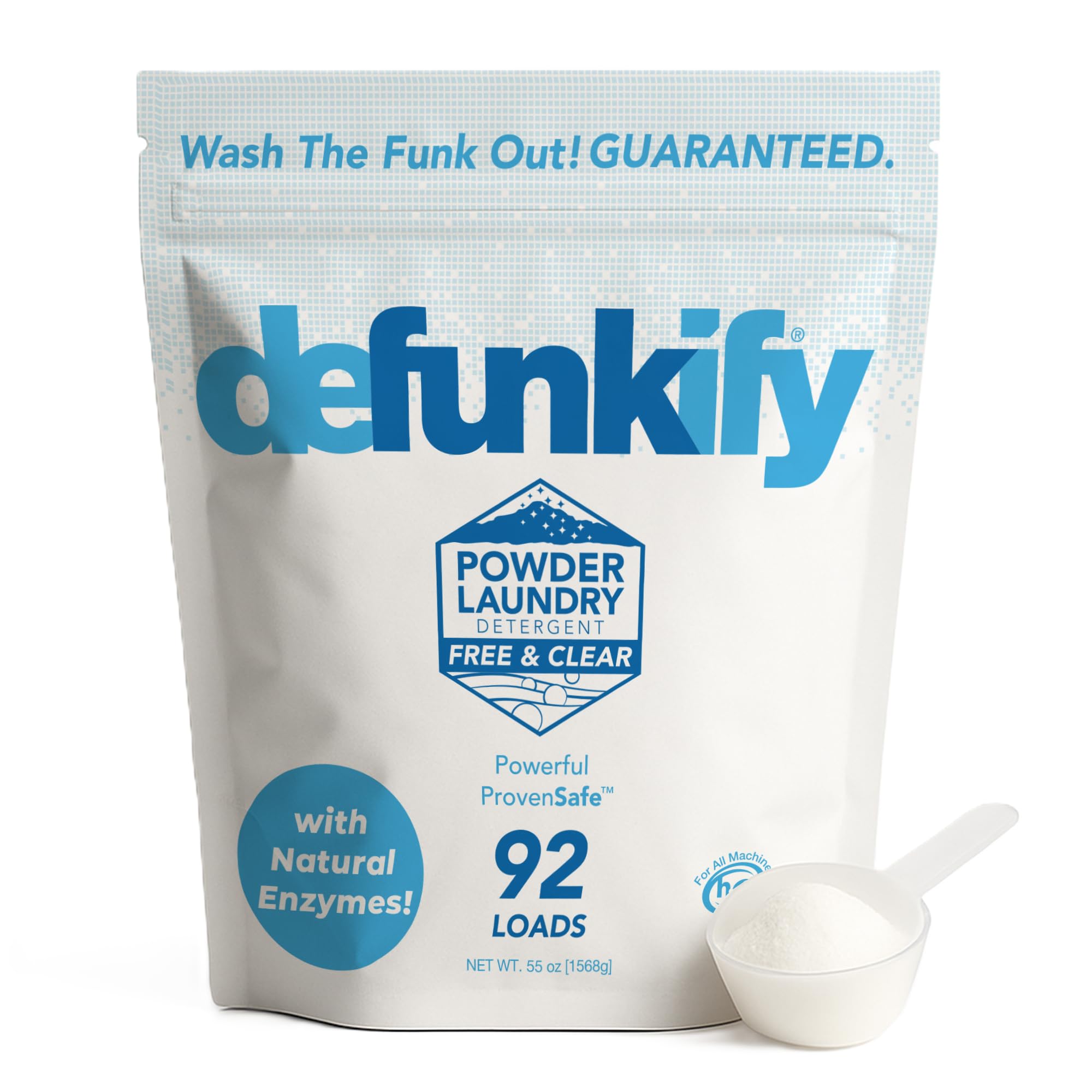
Credit: www.amazon.com
How To Make Your Activewear Last Longer
With the right care, your favorite gym clothes can keep their fit, color, and function for much longer. Here are some extra strategies:
- Rotate your activewear: Don’t wear and wash the same pieces every day. Having a few sets lets each one rest and recover.
- Don’t soak too long: Leaving clothes in water for hours can weaken fibers.
- Wash soon after wearing: Don’t let sweaty clothes sit in a bag or basket. Bacteria and mildew grow fast.
- Use less detergent: More soap doesn’t mean cleaner clothes. It can leave buildup and trap odors.
- Spot-clean between washes: If there’s only a small stain, spot-treat and rinse instead of washing the whole item.
Non-obvious insight: Allowing elastic bands to “rest” between wears (by rotating gear) helps them maintain their support.
The Science Behind Activewear Odors
Sweat itself is mostly water and salt, but the real problem is bacteria. When sweat sits on clothes, bacteria break down proteins and fats, releasing smelly compounds. Technical fabrics can trap these bacteria deep inside fibers, so normal washing sometimes isn’t enough.
Sports detergents contain enzymes and ingredients that break down these proteins and kill bacteria, not just cover up the smell. That’s why using the right product is so important.
For more about the chemistry of sweat and fabric care, check out this Activewear overview.
Environmental Tips For Washing Activewear
Caring for activewear is also about the planet. Washing synthetic clothes releases microplastics into the water. Here’s how to reduce your impact:
- Use a microfiber filter bag (like Guppyfriend) in your wash to catch small fibers.
- Wash only when necessary—don’t clean unworn items.
- Choose eco-friendly detergents with fewer chemicals.
- Line dry instead of using the dryer to save energy.
Frequently Asked Questions
What Is The Best Temperature For Washing Activewear?
The best temperature is cold water. Cold water protects elastic fibers, keeps colors bright, and helps prevent shrinking. Hot water can damage the material and cause your clothes to lose their stretch and fit.
Can I Use Regular Detergent For Activewear?
You can use regular detergent, but it may not fully remove sweat and odor from technical fabrics. A sports detergent is better for breaking down sweat, body oils, and bacteria. If you use regular detergent, use only a small amount and avoid strong scents.
How Do I Get Rid Of Stubborn Smells In Workout Clothes?
Soak the clothes in a mix of white vinegar and cold water for about 30 minutes before washing. You can also add baking soda to your wash cycle. Always let your activewear air out after each use instead of letting it sit in a bag.
Is It Safe To Put Activewear In The Dryer?
It’s best to air dry activewear to protect the fabric and elastic. If you must use a dryer, select the lowest heat setting and remove the clothes as soon as they are dry. High heat can shrink or damage the fibers.
How Can I Prevent My Activewear From Losing Its Shape?
Turn clothes inside out before washing, avoid overloading the washer, and never use high heat in the dryer. Use a gentle cycle and mild detergent. Store clean clothes flat or folded, not hanging by the straps or waistbands.
When you treat your activewear with care, you get more value, comfort, and confidence from every workout. With these tips, you’ll keep your gear fresh, supportive, and ready for anything—no matter how intense your training gets.
