

What is the Material of Gym Clothes: Best Fabrics for Performance
What Is The Material Of Gym Clothes
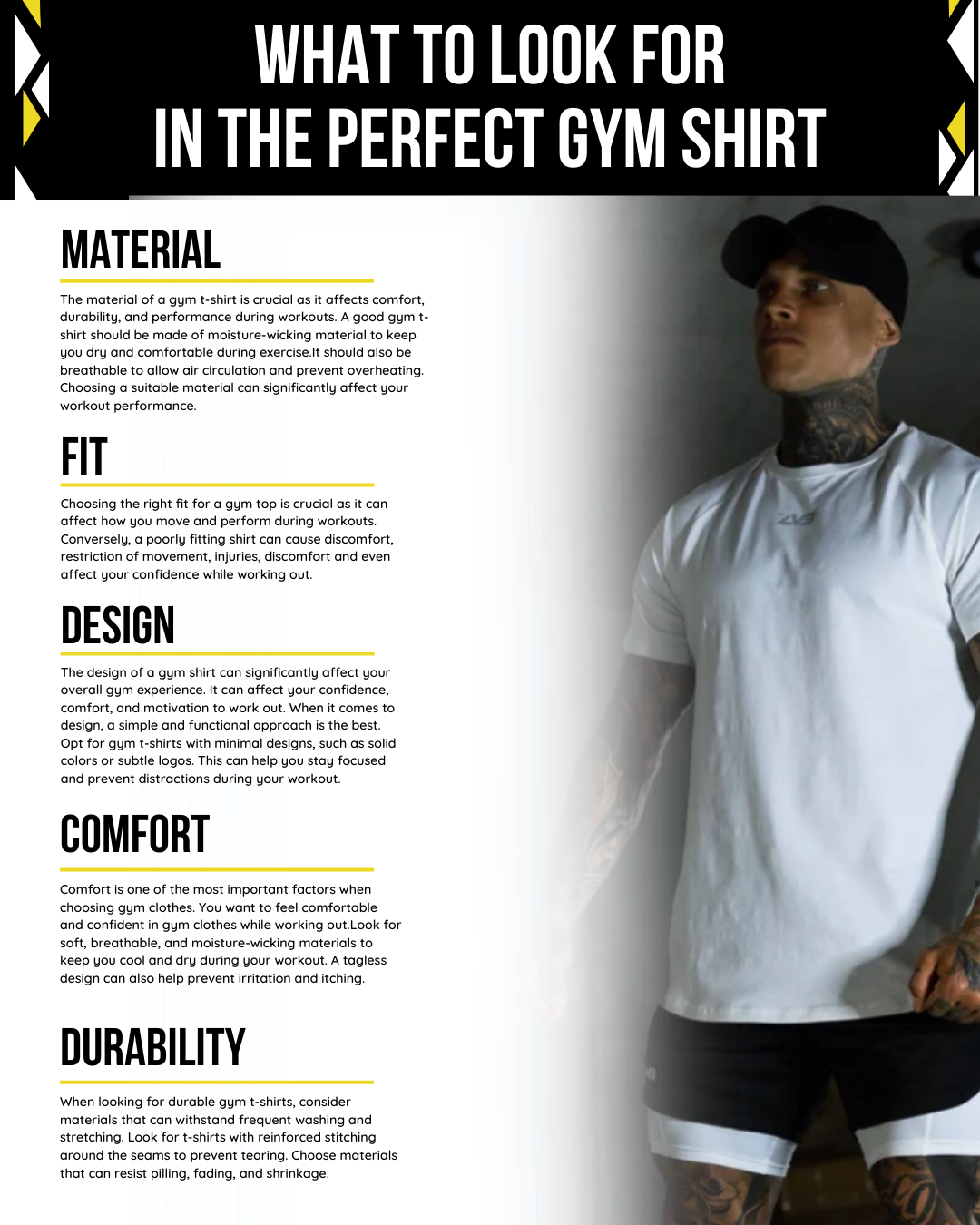
Why do some gym shirts feel light and cool, while others cling, soak up sweat, or stretch out over time? The answer lies in the material of gym clothes. Most people focus on fit, style, or brand, but the fabric is what really affects your comfort, performance, and even your motivation during a workout. If you’ve ever wondered what makes the perfect gym shirt or why some leggings last longer than others, understanding sportswear materials is essential.
Gym clothes have changed a lot. Old-school sweatpants and heavy cotton tees have been replaced by advanced textiles that wick away sweat, stretch with your body, and even fight odors. But with so many choices—polyester, nylon, spandex, bamboo, and more—how do you know which is best for you? This guide will break down each major fabric, explain what makes them unique, and give you practical advice for choosing the right material for any workout.
Why Material Matters In Gym Clothes
Choosing the right material for gym clothes is not just about looking good. The fabric you wear can influence your workout in several ways.
- Moisture Control: Some fabrics pull sweat away from your skin, keeping you dry. Others absorb sweat, making clothes heavy and uncomfortable.
- Comfort: Softness, stretch, and weight all affect how you feel during exercise.
- Durability: Gym clothes take a beating—stretching, washing, and exposure to friction. Not all materials survive this.
- Performance: The right material helps you move easily and stay cool or warm as needed.
- Hygiene: Some fabrics reduce odor and bacteria, which is important when you sweat a lot.
Most beginners overlook how much a simple fabric choice can change their gym experience. For example, cotton feels soft but gets heavy and sticky with sweat. On the other hand, polyester blends can keep you dry, but may hold odor if not treated.
Knowing these differences helps you make smarter choices and avoid common mistakes.
The Most Common Gym Clothes Materials
Let’s look at the most popular fabrics you’ll find in gym clothes. Each has unique benefits and drawbacks.
Polyester
Polyester is the most widely used material in activewear. It’s a synthetic fiber made from petroleum, but don’t let that put you off—polyester is engineered for high performance.
- Moisture-wicking: Moves sweat away from your skin so you stay dry.
- Lightweight & durable: Withstands frequent washing and stretching.
- Shape retention: Doesn’t lose its form easily.
- Wrinkle-resistant: Looks good even after being stuffed in your gym bag.
However, polyester can sometimes trap odors if not treated with special finishes. It is also less breathable than some natural fibers, but most brands add mesh panels or blend it with other materials to improve ventilation.
Example: Most branded gym t-shirts and shorts use high percentages of polyester. It’s also popular in sports bras, leggings, and tracksuits.
Nylon
Nylon was first developed as a substitute for silk. Today, it’s a favorite for gym clothes because of its exceptional strength and flexibility.
- Soft touch: Feels smooth against the skin.
- Stretchy: Moves with your body.
- Quick-drying: Dries faster than cotton or wool.
- Resistant to abrasion: Great for high-intensity sports.
Nylon can feel a bit warmer than polyester, so it’s often blended with other fibers for better breathability.
Example: Many high-end leggings, compression shorts, and sports bras use nylon for its sleek feel and durability.
Spandex (elastane/lycra)
You might see gym clothes labeled as spandex, elastane, or Lycra (all the same fiber). Spandex is rarely used alone; instead, it’s blended with other fabrics to add stretch.
- Extreme elasticity: Can stretch up to five times its original length.
- Shape recovery: Returns to its original shape after stretching.
- Comfortable fit: Makes clothes snug but non-restrictive.
Because spandex is not breathable by itself, it’s always mixed with polyester, nylon, or cotton. Too much spandex can make clothes feel tight or shiny, so most blends use 10-20%.
Example: All fitted gym clothes—compression tops, yoga pants, fitted shorts—have some spandex.
Cotton
Cotton is a natural fiber known for its softness and breathability. It was once the standard for gym wear, but it’s less common today.
- Soft & gentle: Feels good on sensitive skin.
- Breathable: Allows air to flow easily.
- Eco-friendly: Biodegradable if left untreated.
But cotton absorbs moisture, which means it gets heavy and stays wet during workouts. This can lead to chafing and discomfort, especially in long or intense sessions.
Example: Sweatpants, old-school gym T-shirts, and some yoga tops use cotton.
Bamboo
Bamboo fabric is made from the pulp of bamboo plants. It’s gaining popularity in gym clothes for its eco-friendliness and comfort.
- Moisture-wicking: Similar to polyester, but with a softer feel.
- Antibacterial: Naturally resists odor-causing bacteria.
- Hypoallergenic: Good for sensitive skin.
- Eco-friendly: Bamboo grows quickly and needs less water than cotton.
However, bamboo fabrics can sometimes be less durable and may pill (form small balls of fiber) with heavy use.
Example: Some yoga tops, socks, and eco-friendly activewear brands use bamboo blends.
Wool (especially Merino Wool)
Merino wool is a special kind of wool that’s softer and finer than regular wool. It’s used in performance wear for cold conditions.
- Thermoregulation: Keeps you warm when it’s cold, but doesn’t overheat you.
- Moisture management: Absorbs sweat but dries quickly.
- Odor resistance: Natural fibers reduce smell.
- Softness: Merino wool is not itchy like traditional wool.
Wool is usually more expensive and needs careful washing, but it’s excellent for outdoor workouts, running, or hiking in cool weather.
Example: Base layers, winter running tops, and socks often use merino wool.
Polypropylene
Polypropylene is a synthetic fiber with unique water-repelling properties.
- Waterproof: Doesn’t absorb water at all.
- Lightweight: Feels barely there.
- Good insulation: Traps heat when needed.
It’s often used as a base layer for outdoor workouts. The downside is that it can feel plastic-like and isn’t as soft as other fibers.
Example: Thermal tops, base layer shirts, and socks for outdoor sports.
Modal
Modal is a semi-synthetic fiber made from beech tree pulp. It’s known for its ultra-soft feel.
- Silky touch: Feels luxurious against the skin.
- Breathable: Good airflow.
- Moisture-wicking: Better than cotton.
Modal is often blended with cotton or spandex for yoga, pilates, or light gym activities. It’s less durable than nylon or polyester for intense workouts.
Example: Yoga tops, loungewear, and underwear.
Tencel (lyocell)
Tencel is another eco-friendly fiber made from wood pulp, usually eucalyptus.
- Soft & smooth: Feels gentle on skin.
- Absorbs moisture: Keeps skin dry.
- Antibacterial: Reduces odor naturally.
Tencel is more expensive but is ideal for people with allergies or sensitive skin.
Example: High-end yoga wear, sustainable gym brands.
Recycled Fibers
Many brands are now using recycled polyester, nylon, or blends. These are made from old plastic bottles or fabric scraps, reducing waste.
- Eco-friendly: Helps reduce landfill.
- Same performance: Often feels and performs just like virgin fibers.
Recycled fibers may cost more but offer similar moisture-wicking and durability.
Example: Eco-conscious sportswear brands and some mainstream labels.
How Different Materials Perform: A Comparison
Choosing between so many fabrics can be confusing. The table below highlights important differences:
| Material | Moisture-wicking | Breathability | Stretch | Durability | Odor resistance |
|---|---|---|---|---|---|
| Polyester | Excellent | Good | Good | Excellent | Average |
| Nylon | Very Good | Good | Very Good | Excellent | Average |
| Spandex | Good | Poor | Excellent | Good | Poor |
| Cotton | Poor | Excellent | Poor | Average | Poor |
| Bamboo | Very Good | Excellent | Good | Average | Excellent |
| Merino Wool | Good | Good | Good | Good | Excellent |
Blended Fabrics: The Best Of Both Worlds
Most gym clothes are not made from just one material. Blends are common because they combine the strengths of different fibers. For example, polyester-spandex blends are stretchy and moisture-wicking. Cotton-polyester blends offer softness with better sweat control.
Blends allow brands to fine-tune the feel, stretch, and performance of gym clothes. However, blends can also make recycling harder and sometimes increase the cost.
Common Gym Clothes Blends
- Polyester + Spandex: Most leggings, compression tops, and fitted tees use this blend. Offers stretch and moisture control.
- Nylon + Spandex: Used for premium leggings and sports bras. Very smooth and durable.
- Cotton + Polyester: Feels soft but dries faster than pure cotton. Used in casual gym shirts.
- Bamboo + Spandex: Eco-friendly, moisture-wicking, and stretchy. Used in yoga wear.
How Material Affects Different Types Of Gym Clothes
The best fabric depends on the type of gym clothing and the activity you do. Here’s how material choice impacts common gym wear:
T-shirts And Tops
- Polyester or polyester blends are best for high-intensity workouts because they wick sweat and dry fast.
- Cotton blends are comfortable for light activities like yoga or walking.
- Bamboo or modal tops suit people with sensitive skin or those who want an eco-friendly option.
Leggings And Shorts
- Nylon-spandex blends give a snug, supportive feel for running, HIIT, or weightlifting.
- Polyester-spandex is slightly more affordable and works for most activities.
- Cotton leggings are comfortable but not great for sweating.
Sports Bras
- Nylon-spandex offers support, stretch, and moisture control.
- Cotton bras are comfortable but not as supportive for high impact.
Socks
- Merino wool or bamboo socks manage moisture and odor best.
- Polyester blends dry quickly for running or cycling.
Jackets And Hoodies
- Polyester fleece is warm and insulates well.
- Cotton blends feel soft but may soak up sweat.
- Nylon shells block wind and rain.
Special Features Added To Gym Fabrics
Modern gym clothes often use advanced fabric technology. These features are sometimes more important than the base material:
- Antimicrobial treatments: Prevent odor by stopping bacteria growth.
- UV protection: Some fabrics block harmful sun rays.
- Mesh panels: Improve ventilation in high-sweat areas.
- Compression zones: Offer support and boost circulation.
Look for these on gym clothes labels if you want extra benefits.
Common Mistakes When Choosing Gym Clothes Material
Most people focus on style or price and ignore fabric properties. Here are common mistakes:
- Wearing pure cotton for heavy workouts: You’ll end up soaked and uncomfortable.
- Ignoring odor control: Polyester without treatments can smell after a few wears.
- Choosing too much spandex: Can feel overly tight and trap heat.
- Neglecting durability: Cheap blends pill or lose shape quickly.
- Forgetting about skin sensitivity: Some synthetics can irritate sensitive skin.
A non-obvious tip: Always check the fabric content label before buying. Even a small percentage of spandex or polyester can change how clothes perform.
How To Care For Different Gym Clothes Materials
Taking care of your gym clothes helps them last longer and perform better. Each material needs different care:
General Tips
- Wash after every use: Sweat can damage fibers and cause odor.
- Avoid fabric softeners: They coat fibers, blocking moisture-wicking.
- Hang dry: Heat can damage spandex and synthetic fibers.
Material-specific Advice
- Polyester/Nylon: Wash in cold water. Avoid high heat in the dryer.
- Spandex: Gentle wash, hang dry.
- Cotton: Wash warm, but avoid over-drying to prevent shrinking.
- Bamboo/Modal/Tencel: Use mild detergent, cold wash, and hang dry.
- Merino Wool: Use wool-specific detergent, gentle cycle, air dry flat.
Some performance fabrics last longer if you wash them in a mesh laundry bag to prevent snagging.
Credit: evaathletic.com.au
Environmental Impact Of Gym Clothes Materials
Gym clothes materials have different effects on the environment:
- Polyester and nylon are made from oil and take hundreds of years to break down. But recycled versions help reduce waste.
- Cotton uses a lot of water and pesticides but is biodegradable.
- Bamboo, modal, and Tencel are more eco-friendly but can involve chemicals in processing.
- Merino wool is renewable but requires land and animal care.
Eco-conscious buyers should look for certified organic, recycled, or sustainably produced fabrics. For more about textile sustainability, check the Sustainable Fashion page.
What To Consider When Choosing Gym Clothes Material
To pick the right material, ask yourself:
- What activity will I do? High-sweat and high-movement activities need moisture-wicking and stretch.
- Do I have sensitive skin? Choose bamboo, modal, or merino wool.
- Do I sweat a lot? Look for odor-resistant and fast-drying fabrics.
- How much do I want to spend? Premium materials cost more, but last longer.
Here’s a quick comparison for different needs:
| Need | Best Material(s) | Why |
|---|---|---|
| High sweat | Polyester, bamboo, merino wool | Moisture-wicking, quick drying |
| Flexibility | Nylon-spandex, polyester-spandex | Stretches with movement |
| Odor resistance | Bamboo, merino wool | Natural antibacterial properties |
| Sensitive skin | Bamboo, modal, Tencel | Soft, hypoallergenic |
| Eco-friendly | Recycled polyester, bamboo, Tencel | Lower environmental impact |

Credit: midwestworld.com
Non-obvious Insights For Better Choices
- Look beyond the main fabric: Small percentages of spandex or mesh panels can make a big difference in fit and comfort.
- Consider season and climate: Merino wool works for both winter and summer because it regulates temperature. Polyester is great for hot gyms, but not for outdoor winter runs without layering.
- Try before you buy: The same “polyester” can feel very different from brand to brand because of different weaves and finishes.
- Care impacts performance: Even the best material will lose its benefits if not washed correctly. Always read care labels.
Frequently Asked Questions
What Is The Best Material For Gym Clothes If I Sweat A Lot?
If you sweat heavily, choose polyester, bamboo, or merino wool. These fabrics wick moisture away from your skin and dry quickly, keeping you comfortable during intense workouts.
Are Cotton Gym Clothes Good For Working Out?
Cotton is soft and breathable but absorbs sweat and dries slowly. For light activities like stretching or yoga, cotton is fine. For heavy workouts, choose blends or synthetics to stay dry and avoid chafing.
What Fabric Is Best For Yoga Clothes?
Bamboo, modal, or nylon-spandex blends are popular for yoga. They offer softness, stretch, and moisture control, which are important for comfort in different poses.
How Can I Avoid Smelly Gym Clothes?
Choose fabrics with antimicrobial treatments or natural odor resistance, like bamboo or merino wool. Wash gym clothes right after use and avoid fabric softeners, which trap bacteria.
Is Recycled Polyester As Good As Regular Polyester?
Yes, recycled polyester has nearly the same performance as virgin polyester. It’s equally durable, moisture-wicking, and stretchy, but helps reduce environmental impact by using post-consumer waste.
Gym clothes have come a long way, and choosing the right material can make every workout better. Whether you care about comfort, performance, or the planet, there’s a fabric for you—if you know what to look for.
Credit: www.tuffwraps.com
