

What is the Difference between Business Casual And Smart Casual: A Style Guide
What Is The Difference Between Business Casual And Smart Casual
Sometimes, dressing for work or social events can feel confusing. You see the words business casual and smart casual, but what do they really mean? Are they the same, or are there important differences? Understanding these styles helps you choose the right outfit, feel confident, and make a good impression—whether at the office, a meeting, or a party.
Most people think both styles mean “not too formal, not too relaxed. ” But that’s only part of the story. Business casual and smart casual have their own rules, expectations, and purposes. Knowing the difference can save you from awkward moments and help you build your personal brand.
Let’s explore each style, see how they compare, and learn when to wear which. We’ll look at examples, common mistakes, and practical tips, so you always look your best.
Defining Business Casual
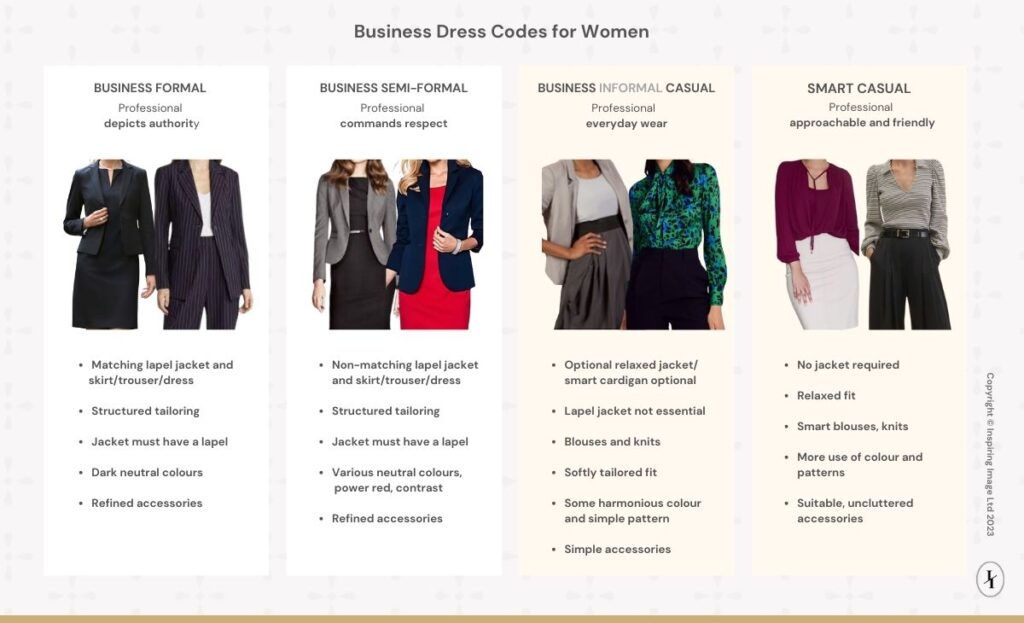
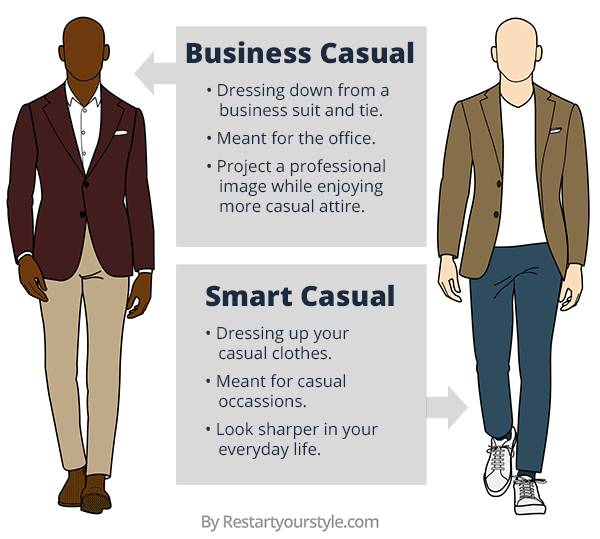
Business casual is a dress code you often see in offices, meetings, or professional settings where full formal wear (like suits) isn’t required. It’s a mix between formal business attire and casual, comfortable clothes. The goal is to look professional but not stiff.
Key Elements Of Business Casual
Business casual is about balance. You avoid jeans, t-shirts, and sneakers, but you don’t have to wear a full suit and tie. Here are the main items you usually find in business casual:
- Collared shirts (button-down, polo)
- Dress pants (slacks, chinos)
- Blazers (optional, but always a plus)
- Leather shoes (loafers, oxfords)
- Skirts or dresses (for women, knee-length or longer)
- Sweaters (fine knit, not bulky)
- Minimal accessories
Some offices allow dark, neat jeans, but classic business casual avoids them. You also skip shorts, flashy jewelry, and open-toe shoes.
Typical Business Casual Examples
Let’s look at some outfits for both men and women:
Men:
- Light blue button-down shirt, gray chinos, brown leather belt, loafers
- White polo shirt, navy slacks, dark blazer, black dress shoes
Women:
- Simple blouse, black dress pants, cardigan, flats
- Knee-length dress, structured blazer, closed-toe heels
Business casual is about looking polished and ready for work, but not overdressed.
Where Business Casual Is Used
You usually see business casual in:
- Corporate offices
- Job interviews
- Client meetings
- Professional conferences
- Business lunches
If you’re unsure, it’s better to be slightly more formal than too relaxed. Business casual helps you look trustworthy and prepared.
Defining Smart Casual
Smart casual is less strict than business casual. It’s a stylish blend of casual comfort and a touch of elegance. You have more freedom to show your personality, but you still avoid sloppy or very relaxed clothes.
Key Elements Of Smart Casual
Smart casual mixes neat, casual pieces with a few dressier touches. You can wear jeans, but they should be clean and well-fitted. You can add trendy accessories or fun colors, as long as your outfit looks intentional and tidy.
Typical smart casual items include:
- Dark, fitted jeans
- Casual blazers
- Stylish shirts (button-down, turtleneck, neat t-shirts)
- Chinos or tailored pants
- Fashionable sneakers or loafers
- Dresses or skirts (not too formal, not too short)
- Statement jewelry
- Layering (jackets, scarves)
Smart casual is about looking relaxed, but still sharp and put-together.
Typical Smart Casual Examples
Here are some smart casual outfit ideas:
Men:
- Crisp white t-shirt, navy blazer, dark jeans, white sneakers
- Patterned shirt, tan chinos, suede loafers
Women:
- Midi dress, denim jacket, ankle boots
- Silk blouse, dark jeans, statement necklace, ballet flats
Smart casual lets you be creative and modern, without looking too formal or too laid-back.
Where Smart Casual Is Used
Smart casual is popular for:
- Dinner parties
- Casual Fridays at work
- Date nights
- Networking events
- Art openings
- Social gatherings
It works well in places where you want to look good, but not stiff or boring.
Business Casual Vs. Smart Casual: Main Differences
Now that you know what each style is, let’s see how they compare. Some differences are obvious, but others are subtle. Understanding these helps you dress correctly for each situation.
Purpose And Setting
The main difference is the purpose. Business casual is for professional settings, where you need to look reliable and competent. Smart casual is for social or creative environments, where you want to look stylish and relaxed.
Clothing Choices
Business casual avoids jeans, t-shirts, and bold accessories. Smart casual welcomes them, as long as they’re neat and tasteful. Business casual is more about blending in with office culture, while smart casual lets you stand out.
Formality Level
Business casual is slightly more formal. You usually see blazers, dress shoes, and collared shirts. Smart casual can include sneakers, denim, and playful accessories. The line can blur, but business casual always aims for a professional vibe.
Color And Patterns
Business casual sticks to neutral colors and simple patterns. Smart casual allows brighter colors, trendy prints, and more layering.
Comparison Table: Business Casual Vs. Smart Casual
Here’s a quick reference to help you see the differences:
| Feature | Business Casual | Smart Casual |
|---|---|---|
| Formality | Professional, polished | Stylish, relaxed |
| Jeans | Usually not allowed | Allowed (dark, fitted) |
| Shoes | Dress shoes, loafers | Sneakers, loafers, boots |
| Blazers | Optional, classic style | Optional, trendy styles |
| Accessories | Minimal | Fashionable, statement pieces |
| Colors | Mostly neutral | Wide range, including bold |
Practical Tips For Business Casual
Wearing business casual can feel easy, but many people make mistakes. Here’s how to get it right.
Choose The Right Fit
Clothes that are too tight or too loose don’t look professional. Aim for a comfortable, tailored fit.
Avoid Casual Clothes
Skip t-shirts, shorts, ripped jeans, hoodies, and sneakers. These are too relaxed for most business casual environments.
Keep Accessories Simple
Choose subtle watches, belts, and jewelry. Don’t wear flashy earrings or oversized necklaces.
Don’t Forget Grooming
Clean shoes, neat hair, and fresh breath matter just as much as your outfit. Many beginners overlook this.
Layer Smartly
Adding a blazer or sweater can help if the weather changes or if you need to look more formal.
Watch For Company Culture
Some offices allow a bit more freedom (like dark jeans), but others are stricter. Always check the dress code or ask HR.
Smart Casual: Getting It Right
Smart casual gives you more freedom, but it’s easy to go too far. Here are tips to keep your look balanced.
Mix Dressy And Casual Pieces
Pair a blazer with jeans, or a neat t-shirt with tailored pants. This creates the right mix.
Focus On Quality
Choose clothes made from good materials. Cheap fabrics or worn-out items look sloppy, even if the style is right.
Add Personal Touches
Try a patterned scarf, bright shoes, or a fun necklace—but keep it tasteful. One statement piece per outfit is enough.
Keep Shoes Clean
Even if you wear sneakers, they must be clean and in good condition. Dirty shoes ruin the look.
Layer For Texture
Smart casual is great for layering. Try a jacket over a shirt, or a sweater over a dress. This adds depth and interest.
Don’t Overdo Comfort
Avoid sweatpants, flip-flops, or gym wear. Comfort matters, but you still want to look polished.
Common Mistakes And How To Avoid Them
Both styles have their pitfalls. Here are errors people make, and how to avoid them.
Mistakes In Business Casual
- Wearing jeans or sneakers (unless allowed by company)
- Choosing bright colors or wild patterns
- Wearing wrinkled clothes
- Over-accessorizing
- Forgetting grooming
Mistakes In Smart Casual
- Wearing sloppy, old, or dirty clothes
- Overdoing casual (hoodies, gym wear)
- Wearing too many statement pieces
- Mixing too many colors or patterns
- Ignoring the event’s tone
Table: Mistakes To Avoid
| Dress Code | Common Mistake | Why It’s Wrong | How to Fix |
|---|---|---|---|
| Business Casual | Jeans & sneakers | Too relaxed for office | Choose slacks & dress shoes |
| Business Casual | Bright colors | Distracts from professional tone | Stick to neutrals |
| Smart Casual | Sloppy clothing | Looks careless | Wear clean, fitted items |
| Smart Casual | Too much layering | Creates messy look | Limit layers to 2-3 |
Real-world Examples: How Professionals Dress
Seeing real examples helps you understand what works. Here are two scenarios:
Office Manager (business Casual)
An office manager wears a light blue button-down shirt, navy slacks, brown belt, and black loafers. She adds a gray cardigan for warmth and keeps jewelry simple—a watch and small earrings. This is classic business casual: comfortable, professional, no bold colors.
Designer At Networking Event (smart Casual)
A graphic designer goes to a networking event in a white t-shirt, dark denim jacket, black jeans, and red sneakers. He adds a patterned scarf for flair. This is smart casual: stylish, relaxed, modern, with a touch of personality.
These examples show the difference in tone and purpose.
When To Choose Each Style
Picking the right dress code depends on the event, your role, and the impression you want to make.
- Choose business casual for professional environments, interviews, and client meetings.
- Choose smart casual for creative jobs, social events, or situations where you can express your style.
If you’re unsure, start with business casual—it’s safer. You can always add a more casual touch if you see others are dressed that way.
How Dress Codes Impact Your Image
What you wear affects how people see you. Business casual gives you a professional, reliable image. Smart casual shows creativity, confidence, and flexibility.
Studies show that dress codes influence hiring, promotions, and networking. People wearing business casual are seen as trustworthy, while smart casual wearers are viewed as approachable and innovative.
One non-obvious insight: In creative industries, dressing too formal can make you seem out of touch. But in traditional fields, dressing too casual can hurt your credibility.
Gender Differences In Business And Smart Casual
Men and women have different clothing options, but the basic rules are similar. Both styles require neat, tailored clothes, and both avoid extremes.
Business Casual For Women
- Blouses, sweaters, dress pants, skirts, dresses
- Closed-toe shoes (flats, heels)
- Simple accessories
Smart Casual For Women
- Trendy tops, midi dresses, stylish jeans
- Fashionable sneakers, boots
- Statement jewelry
Business Casual For Men
- Collared shirts, dress pants, blazers
- Loafers, oxfords
- Minimal accessories
Smart Casual For Men
- Neat t-shirts, polos, fitted jeans
- Sneakers, boots
- Watches, scarves
Both genders should focus on fit, grooming, and context.
The Role Of Accessories
Accessories are important, but they can make or break your outfit.
- For business casual, keep accessories simple: A classic watch, belt, or small earrings.
- For smart casual, you can try bolder pieces: A chunky necklace, patterned scarf, or trendy watch.
One tip beginners often miss: The right bag matters. For business casual, choose a structured tote or briefcase. For smart casual, a stylish crossbody or backpack fits the mood.
Shoes: The Final Touch
Shoes show how much you care about your look. In business casual, wear polished leather shoes or classic flats. In smart casual, clean sneakers or boots are fine.
Avoid sandals, flip-flops, or worn-out shoes. Dirty or scuffed shoes can ruin your outfit, even if everything else is perfect.
Seasonal Changes: Dressing For Weather
Dress codes change with the seasons, but rules stay the same.
- In winter, layer with sweaters, scarves, and coats. Keep colors neutral for business casual.
- In summer, wear light fabrics (cotton, linen), but avoid shorts and tank tops.
For smart casual, you can add bright colors or lighter shoes in warm weather. Just keep the look neat.
Cultural Variations: Global Dress Codes
Different countries have different expectations. In some places, business casual is very strict—no jeans, no sneakers, always a blazer. In others, smart casual is common, even in offices.
If you travel or work with international teams, ask about local dress codes. It’s better to be slightly overdressed than underdressed.
The Impact Of Remote Work
Remote work has changed how people dress. Many companies are more relaxed now, but business casual and smart casual still matter for video calls, presentations, and in-person meetings.
- For virtual meetings, keep your top half business casual (collared shirt, neat blouse), even if you wear jeans off-camera.
- For in-person events, check the dress code. Smart casual is often accepted, but business casual is safer for formal meetings.
How To Build Your Wardrobe
You don’t need a huge closet. Choose key pieces you can mix and match.
Business Casual Wardrobe Essentials
- 2-3 collared shirts
- 2 pairs of dress pants
- 1 classic blazer
- 1 pair of dress shoes
- 1 simple sweater
Smart Casual Wardrobe Essentials
- 2 stylish shirts or tops
- 2 pairs of dark jeans
- 1 casual blazer or jacket
- 1 pair of clean sneakers
- 1 statement accessory
Invest in quality, not quantity. Well-made clothes last longer and look better.
Credit: inspiringimage.com
How To Transition Between Styles
Sometimes, you move from a business casual event to a smart casual one. Here’s how to switch easily:
- Remove the blazer, add a scarf or fun jewelry
- Swap dress shoes for clean sneakers
- Change from dress pants to dark jeans (if allowed)
- Add a casual jacket or sweater
Planning ahead helps you feel comfortable and confident.
Summary Table: Key Differences At A Glance
For quick reference, see this summary:
| Aspect | Business Casual | Smart Casual |
|---|---|---|
| Purpose | Professional | Social/Creative |
| Main Items | Collared shirts, dress pants | Jeans, trendy tops |
| Shoes | Loafers, flats | Sneakers, boots |
| Accessories | Minimal | Fashionable |
| Fit | Tailored | Fitted, relaxed |
| Setting | Office, meetings | Events, outings |

Credit: thedarkknot.com
Non-obvious Insights
- The right bag can change your whole look. In business casual, a structured bag shows professionalism. In smart casual, a trendy bag adds personality.
- Layering is useful, but overdoing it creates a messy look. Limit layers to two or three items.
Where To Learn More
If you want deeper guidance, many companies publish their dress code online. You can also check style experts or official resources like Wikipedia Dress Code.
Credit: twkf.gov.tr
Frequently Asked Questions
What Is The Main Difference Between Business Casual And Smart Casual?
The main difference is the setting and formality. Business casual is for professional environments and requires polished, tailored clothing. Smart casual is for social or creative settings, allowing more relaxed and stylish items like jeans and sneakers.
Can I Wear Jeans In Business Casual?
Usually, jeans are not allowed in traditional business casual. Some modern offices accept dark, neat jeans, but check your company’s policy first. For smart casual, jeans are common—just make sure they are clean and fitted.
Is A Blazer Required For Business Casual?
A blazer is not required, but it adds a professional touch. You can wear a collared shirt and dress pants without a blazer, but adding one helps if you need to look more formal.
What Shoes Work For Smart Casual?
Smart casual allows more options. Clean sneakers, loafers, boots, and fashionable flats are all good choices. Avoid flip-flops, sandals, and very worn-out shoes.
How Do I Choose The Right Style For An Event?
Think about the setting, people, and purpose. If it’s a work meeting or interview, choose business casual. If it’s a social event or creative gathering, smart casual is better. When in doubt, start with business casual and add casual touches if needed.
---
Choosing between business casual and smart casual isn’t just about clothes—it’s about the message you send. When you understand the differences and know how to dress for each situation, you show respect, confidence, and style. The right outfit helps you connect, succeed, and feel comfortable.
Use these tips, avoid mistakes, and you’ll always make a great impression.
