

What is the Difference between Business Casual And Smart Casual?
What is the Difference between Business Casual And Smart Casual Dress Code
When you walk into an office or attend a networking event, the way you dress often speaks before you do. Dress codes like business casual and smart casual are common, but they are not always clear to everyone. Choosing the right outfit can affect how others see you, your confidence, and even your chances in the workplace. Many people confuse these two dress codes, but they are not the same. Each has its own rules, expectations, and reasons for existing.
This guide will help you understand the difference between business casual and smart casual dress codes. You will learn what each means, how to dress for both, and why the distinction matters. We will also look at practical examples, key differences, and mistakes to avoid.
By the end, you will feel confident picking the right attire for any occasion.
Understanding Dress Codes: Why They Matter
Dress codes exist for a reason. They set standards, create a sense of belonging, and help avoid confusion. In workplaces, dress codes can impact how professional you appear. They also help organizations build their culture and brand image. In social settings, dress codes guide guests to fit the occasion.
Not knowing the difference between business casual and smart casual can lead to awkward moments. For example, dressing too formally at a creative agency can make you stand out for the wrong reasons. Dressing too casually at a bank can seem unprofessional.
A clear understanding helps you avoid these mistakes.
What Is Business Casual?
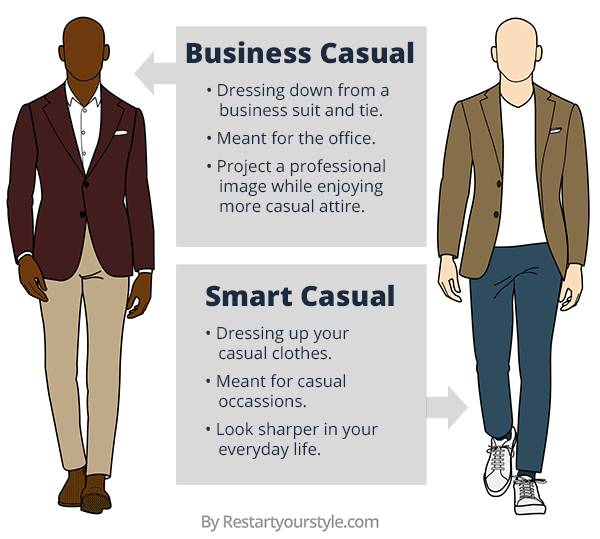
Business casual is a dress code that blends professional attire with some comfort and flexibility. It is popular in offices, meetings, and conferences where a full suit is not required but a polished look is still expected.
Business casual means you look neat, tidy, and professional but you do not wear a full formal suit. It is less strict than traditional business attire but still maintains a serious tone.
Key Elements Of Business Casual
- Collared shirts (button-down or polo)
- Dress pants or khakis
- Blazers (optional, but often used)
- Closed-toe shoes (loafers, oxfords, flats)
- Belts and minimal accessories
Typical Business Casual Outfits
For men:
- Button-down shirt, dress pants, leather belt, loafers
- Polo shirt, khakis, dress shoes
For women:
- Blouse, tailored pants, flats or low heels
- Knee-length dress or skirt, cardigan
What Is Not Business Casual?
Avoid:
- Jeans
- T-shirts
- Sneakers
- Shorts
- Sportswear
Business casual is about looking ready for work without being too formal. The focus is on professionalism with some comfort.
What Is Smart Casual?
Smart casual is a flexible dress code that combines elegant elements with relaxed pieces. It is popular in creative industries, social gatherings, and modern offices where personal style is encouraged.
Smart casual means you look sharp but not stiff. You can mix formal and casual items, express your personality, and adapt to different settings.
Key Elements Of Smart Casual
- Well-fitted tops (shirts, blouses, sweaters)
- Dark jeans or chinos
- Stylish jackets (blazers, denim, leather)
- Dress shoes or smart sneakers
- Bold accessories (watches, scarves)
Typical Smart Casual Outfits
For men:
- Button-down shirt, dark jeans, blazer, smart sneakers
- Sweater, chinos, leather boots
For women:
- Blouse, stylish jeans, ankle boots, statement jewelry
- Midi skirt, fitted top, trendy jacket
What Is Not Smart Casual?
Avoid:
- Baggy clothes
- Flip-flops
- Athletic wear
- Overly formal suits
Smart casual lets you be creative and comfortable, but you still need to look polished.
The Main Differences Between Business Casual And Smart Casual
Some people use these terms interchangeably, but they have important differences. Understanding these differences can help you dress correctly for any occasion.
Comparison Table: Business Casual Vs Smart Casual
Below is a clear comparison to highlight the differences:
| Aspect | Business Casual | Smart Casual |
|---|---|---|
| Purpose | Workplace professionalism | Personal style & versatility |
| Allowed pants | Dress pants, khakis | Chinos, dark jeans |
| Footwear | Dress shoes, loafers | Smart sneakers, boots |
| Jackets | Blazer (optional) | Blazer, denim, leather |
| Accessories | Minimal | Statement pieces |
| Colors | Neutral, muted | Bold, trendy |
| Occasions | Office, meetings | Social events, creative work |
Business Casual: Focus On Professionalism
Business casual is stricter. The goal is to look professional and reliable. The colors are usually neutral (black, navy, gray, beige). Accessories are simple, like a classic watch or belt. Shoes are always closed-toe and clean.
Smart Casual: Focus On Personality
Smart casual is more flexible. You can mix colors, patterns, and textures. The goal is to look smart but comfortable. You can wear jeans if they are dark and fitted. Accessories can be bold, like a bright scarf or unique jewelry.
When To Wear Business Casual Vs Smart Casual
Choosing the right dress code depends on where you are going and who you are meeting.
Business Casual Occasions
- Office environments (corporate, finance, law)
- Job interviews
- Client meetings
- Conferences
Smart Casual Occasions
- Creative workplaces (design, tech, marketing)
- Casual Friday at work
- After-work events
- Dinner parties
- Art galleries
Business casual is safer for traditional workplaces. Smart casual is better for modern, creative, or social settings.
How To Build A Business Casual Wardrobe
If you want to dress business casual, invest in classic, high-quality pieces. These items will work for many occasions and last longer.
Essential Items For Business Casual
- Button-down shirts (white, light blue, striped)
- Tailored pants (black, navy, beige)
- Blazers (neutral colors)
- Dress shoes (loafers, oxfords)
- Belts (leather, matching shoes)
- Cardigans for layering
- Simple accessories (watch, stud earrings)
Practical Tips
- Always iron your clothes. Wrinkles look unprofessional.
- Match your belt and shoes for a clean look.
- Stick to neutral colors for shirts and pants.
- Avoid flashy jewelry or bright colors.
Mistakes Beginners Often Make
- Wearing jeans thinking it is business casual
- Using athletic shoes instead of dress shoes
- Choosing shirts with bold prints
- Not tucking in shirts
If you are unsure, dress slightly more formally. It is better to be too professional than too relaxed.
How To Build A Smart Casual Wardrobe
Smart casual allows more freedom. You can mix formal and informal pieces to create a personal style.
Essential Items For Smart Casual
- Fitted jeans (dark, no rips)
- Chinos (olive, gray, tan)
- Stylish tops (button-down, fitted sweater, polo)
- Trendy jackets (blazer, denim, bomber)
- Smart sneakers (clean, low-profile)
- Leather boots
- Statement accessories (scarf, bold watch)
Practical Tips
- Combine a formal piece (blazer) with a casual one (jeans).
- Add color with accessories or shoes.
- Choose well-fitted clothes—baggy looks messy.
- Try layering: Jacket over a sweater or shirt.
Mistakes Beginners Often Make
- Wearing baggy jeans or shorts
- Mixing too many casual items (looks sloppy)
- Overusing sporty accessories (backpacks, caps)
- Forgetting about shoe cleanliness
Smart casual is about balance. One formal item + one casual item = smart casual.
Business Casual Vs Smart Casual For Men
Men often struggle to tell business casual from smart casual. Here’s a breakdown:
Business Casual For Men
- Shirt: Collared, usually tucked in
- Pants: Dress pants or chinos
- Shoes: Leather, closed-toe
- Jacket: Optional blazer
- Accessories: Simple (watch, belt)
Smart Casual For Men
- Shirt: Can be untucked if fitted
- Pants: Chinos or dark jeans
- Shoes: Smart sneakers, boots
- Jacket: Blazer, denim, or bomber
- Accessories: Bold (colorful socks, wristbands)
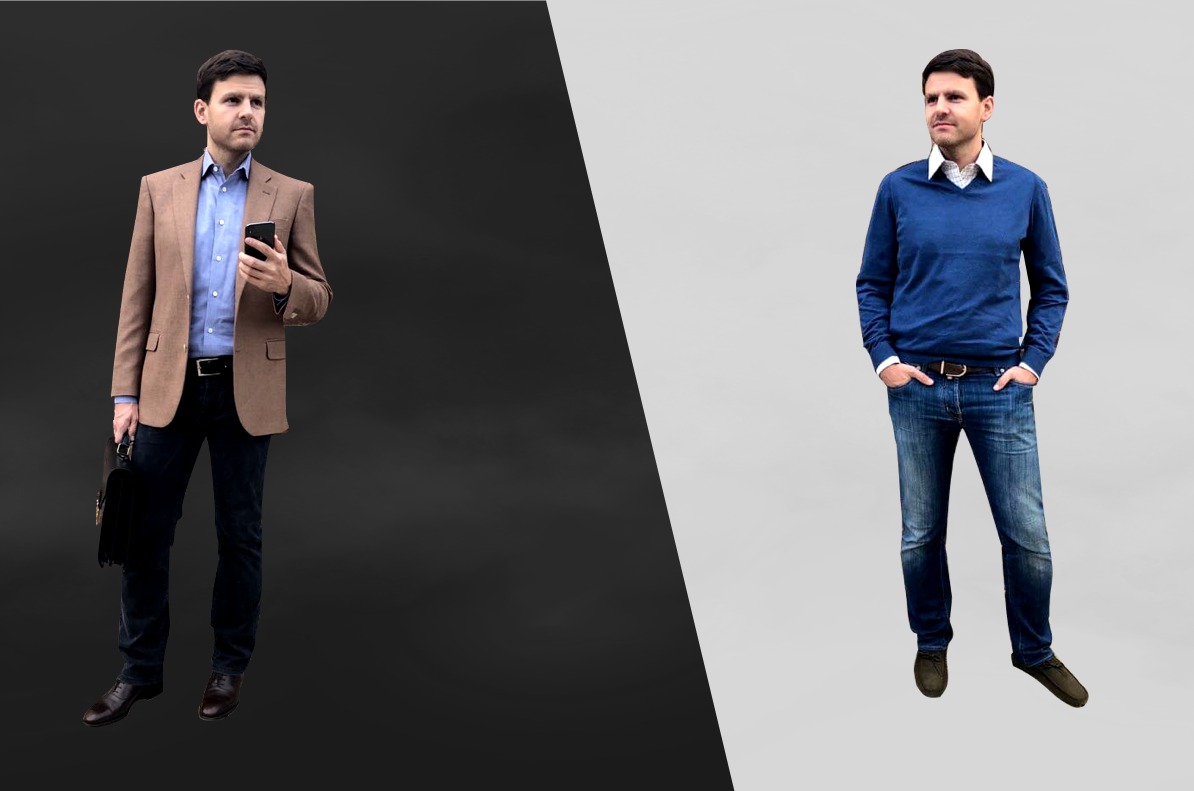
Men should check the event or office culture before choosing. For example, a tech startup allows more smart casual. A bank wants business casual.
Credit: theartefact.com
Business Casual Vs Smart Casual For Women
Women have more options, but this makes the choice harder.
Business Casual For Women
- Tops: Blouse or shirt, modest neckline
- Bottoms: Tailored pants, pencil skirt
- Shoes: Flats, low heels
- Jacket: Blazer or cardigan
- Accessories: Small (stud earrings, delicate necklace)
Smart Casual For Women
- Tops: Trendy blouse, fitted sweater, turtleneck
- Bottoms: Stylish jeans, midi skirt, chinos
- Shoes: Ankle boots, smart sneakers
- Jacket: Blazer, denim, leather
- Accessories: Statement jewelry, colorful scarf
Women should avoid overly revealing or flashy clothes in business casual. Smart casual allows more color and creativity.
How Companies Interpret Dress Codes
Companies often define dress codes differently. It helps to ask HR or check the employee handbook.
Some companies use business casual as a standard. Others, especially in tech or creative fields, prefer smart casual. Some may even blend both.
Real-world Examples
- Corporate office: Business casual, no jeans, classic shoes
- Design agency: Smart casual, jeans allowed, stylish jackets
- Startups: Smart casual, sneakers and t-shirts accepted
If in doubt, observe what your colleagues wear.
How Dress Codes Impact Success
Studies show that dressing well improves confidence and job performance. According to a survey by LinkedIn, 71% of professionals believe dress affects how others see their abilities.
Wearing business casual shows you are serious, reliable, and ready for responsibility. Smart casual shows creativity, confidence, and adaptability.
Choosing the right dress code can help you:
- Get noticed for promotions
- Build professional relationships
- Feel more confident
Combining Business Casual And Smart Casual
Sometimes, events require both. For example, a conference may start formal but end with a social mixer. You can mix business casual and smart casual elements for these situations.
How To Mix Both
- Wear business casual to start, then swap shoes or jacket for smart casual at night.
- Keep core pieces neutral, add color with accessories.
- Layer smart casual items under business casual (e.g., a colorful shirt under a blazer).
This flexibility is useful for long days with multiple events.
Data: Dress Code Trends And Preferences
Fashion and workplace culture change over time. Here is some recent data showing how dress codes are evolving:
| Dress Code | Percentage of US Offices | Trend |
|---|---|---|
| Business Casual | 54% | Stable |
| Smart Casual | 30% | Increasing |
| Formal | 10% | Decreasing |
| Casual | 6% | Stable |
Smart casual is growing, especially in creative and tech industries. Business casual remains strong in traditional sectors.
Business Casual And Smart Casual: Do’s And Don’ts
Business Casual Do’s
- Do wear clean, ironed clothes
- Do choose classic styles
- Do keep accessories minimal
- Do wear closed-toe shoes
Business Casual Don’ts
- Don’t wear jeans or sneakers
- Don’t use bold colors or prints
- Don’t show too much skin
Smart Casual Do’s
- Do mix formal and casual items
- Do use accessories to show personality
- Do wear stylish shoes (boots, smart sneakers)
- Do choose fitted clothes
Smart Casual Don’ts
- Don’t wear sportswear
- Don’t choose baggy or ripped clothes
- Don’t overdo bright colors
How To Transition Between Dress Codes
Sometimes, you start the day in business casual and need to shift to smart casual for an evening event.
Quick Transition Tips
- Swap dress pants for dark jeans
- Change shoes to smart sneakers or boots
- Add a trendy jacket (denim or leather)
- Use bold accessories (scarf, necklace)
- Remove the tie or unbutton shirt
With a few changes, you can move between dress codes easily.
Non-obvious Insights: What Beginners Miss
- Fit matters more than price. Many beginners think expensive clothes are always better. But well-fitted, simple clothes look more polished, even if they are affordable.
- Shoes make a huge difference. People often focus on shirts and pants, but shoes can make or break your look. Clean, stylish shoes upgrade both business casual and smart casual.
- Layering is powerful. Adding a jacket or cardigan can instantly make an outfit smarter. Layering also helps you adapt to changing temperatures or event styles.
How To Interpret Dress Codes From Invitations
Invitations sometimes use these terms without details. Look for clues:
- Venue: Offices or formal restaurants mean business casual.
- Time: Day events lean business casual; evening events lean smart casual.
- Company: Traditional firms prefer business casual; modern firms prefer smart casual.
- Purpose: Networking or creative events often mean smart casual.
When in doubt, dress slightly more formally. It is easier to remove a jacket or tie than to add one if you are underdressed.
Regional And Cultural Differences
Dress codes vary by region and country. In the US, business casual is common. In Europe, smart casual is popular for social and creative events. Some cultures value modesty, so business casual is safer.
If you travel or work with international teams, ask locals or check company guidelines. In some places, jeans are never allowed at work. In others, sneakers are fine. Always respect cultural norms.
How To Handle Dress Code Changes
Workplaces and events sometimes change dress codes. If your company moves from business casual to smart casual, update your wardrobe slowly.
- Start with one or two smart casual items.
- Mix them with business casual pieces.
- Observe how others dress.
This helps you blend in and show you are adaptable.
Real-life Examples: Business Casual Vs Smart Casual
Let’s look at how people choose between these codes in practice.
Example 1: Job Interview At A Bank
- Business casual is expected.
- Wear a button-down shirt, tailored pants, closed-toe shoes.
- Avoid jeans, sneakers, or bold accessories.
Example 2: Startup Team Meeting
- Smart casual is common.
- Wear dark jeans, a fitted sweater, smart sneakers.
- Add a trendy jacket or colorful scarf.
Example 3: After-work Dinner
- Smart casual is ideal.
- Mix a business casual shirt with stylish jeans.
- Swap formal shoes for boots.
Example 4: Conference With Mixed Events
- Start with business casual.
- Bring smart casual items to change for evening mixers.
These examples show how the same person can move between codes depending on the occasion.
How Dress Codes Affect First Impressions
Research shows people form opinions in seconds. Your clothes are part of your "visual resume. " Dressing business casual sends a message of reliability and professionalism. Dressing smart casual shows you are confident and creative.
According to a survey by Forbes, 63% of hiring managers said appearance is a key factor in first impressions. Choosing the right code helps you stand out in a good way.
Cost And Sustainability: Building Your Wardrobe Wisely
You do not need to spend a lot to dress well. Many beginners think business casual and smart casual require expensive brands. What matters most is fit, cleanliness, and style.
Budget Tips
- Buy basics in neutral colors—mix and match easily.
- Invest in good shoes—they last longer and look better.
- Shop sales or second-hand stores for jackets and accessories.
- Avoid fast fashion—choose quality over quantity.
Building a smart wardrobe is also good for the environment. Fewer, better items create less waste.

Credit: thedarkknot.com
Smart Shopping: Choosing The Right Pieces
When shopping, focus on pieces that work for both codes. For example, a classic blazer can be used in business casual and smart casual.
- Try clothes on before buying.
- Check reviews for durability.
- Look for items that fit well and feel comfortable.
A well-planned wardrobe saves time and money.
How Technology Affects Dress Codes
Remote work and video calls have changed how people dress. Some companies allow more smart casual because of flexible work. However, video calls still require a neat, professional look.
- Choose tops that look good on camera (solid colors, fitted)
- Avoid distracting accessories
- Keep backgrounds tidy—your setting is part of your look
Dress codes may keep changing, but being neat and polished is always important.
External Resource For Further Reading
If you want more details about dress codes and workplace culture, visit this resource: Wikipedia: Dress Code.
Frequently Asked Questions
What Is The Main Difference Between Business Casual And Smart Casual?
The main difference is formality. Business casual is more professional and conservative, usually for offices and meetings. Smart casual mixes formal and casual items, allowing more personal style and creativity.
Can I Wear Jeans In Business Casual?
No. Jeans are not considered business casual, even if they are dark and fitted. Business casual requires dress pants or khakis. Jeans are allowed in smart casual if they are clean and well-fitted.
Are Sneakers Okay For Smart Casual?
Yes, smart sneakers are allowed in smart casual if they are clean and stylish. Avoid athletic or running shoes. In business casual, sneakers are not appropriate.
How Do I Know Which Dress Code To Follow?
Check the event, company culture, and invitation details. Offices and formal events usually require business casual. Creative workplaces and social gatherings often use smart casual. When unsure, dress slightly more formally.
Is Smart Casual More Comfortable Than Business Casual?
Usually yes. Smart casual allows for more relaxed and comfortable clothes, like fitted jeans and trendy jackets. Business casual is stricter and less flexible, focusing on professional appearance.
Credit: twkf.gov.tr
Final Thoughts
Choosing the right dress code is about more than just clothes. It helps you fit in, show confidence, and make a good impression. Business casual is best for traditional workplaces and formal events. Smart casual is great for creative jobs and social occasions.
Understanding the difference helps you dress well, avoid mistakes, and feel comfortable in any setting. With these tips, you can build a wardrobe that works for both codes and always look your best.
