

What is the Difference Between Activewear and Athleisure? Explained Simply
What Is The Difference Between Activewear And Athleisure
Choosing what to wear for a workout, yoga class, or even a quick coffee run can be confusing when terms like activewear and athleisure are everywhere. These two words often show up in fashion magazines, online shops, and social media posts. Sometimes, people use them as if they mean the same thing. But do they? Not really. The truth is, while they share some similarities, activewear and athleisure have clear differences in their purpose, style, and how people use them.
Understanding these differences is more than just about picking the right outfit. It can help you feel comfortable, look good, and even save money by buying clothes that fit your needs. Whether you’re training for a marathon or just want to look sporty while running errands, knowing what sets activewear apart from athleisure will help you make smarter choices.
Let’s explore the true meaning behind these popular trends. You’ll discover how each style works, what makes them unique, and how to tell which is best for your lifestyle.
Defining Activewear
Activewear is clothing specially designed for physical exercise and sports. Think about what you would wear to the gym, for running, or during a team sport. The main goal of activewear is to support performance, comfort, and movement during activities that make you sweat.
Some common examples of activewear include:
- Running shorts
- Sports bras
- Moisture-wicking T-shirts
- Compression leggings
- Track jackets
- Athletic socks
These pieces are made from high-performance fabrics such as polyester, spandex, and nylon. These materials help keep sweat away from the body, dry quickly, and allow you to move freely.
Activewear is often tested for:
- Durability: Can the fabric handle stretching, washing, and repeated use?
- Breathability: Does it allow air to flow and keep you cool?
- Flexibility: Will it stretch with your movements?
For example, a pair of running tights often features mesh panels for ventilation and a tight fit for muscle support. Sports bras come with extra support and strong stitching to handle high-impact moves.
Key Insight: Most activewear brands invest in research to improve how their products perform during exercise. Features like anti-odor technology, UV protection, and seamless designs are often found in true activewear.
Understanding Athleisure
Athleisure is a blend of the words “athletic” and “leisure.” It’s a type of clothing inspired by sportswear but meant for everyday life, not just the gym. The main difference is that athleisure focuses on style and comfort, not just performance.
Athleisure pieces look sporty but are made to fit into daily activities like shopping, meeting friends, or relaxing at home. Some typical athleisure items are:
- Yoga pants
- Fashion hoodies
- Casual sneakers
- Jogger pants
- Crop tops
- Bomber jackets
The fabrics used in athleisure are often softer and more fashion-forward than those in activewear. You’ll find cotton blends, modal, or even bamboo fabrics. These materials may not perform as well during intense exercise, but they feel cozy and look stylish.
People choose athleisure because:
- It combines comfort with a trendy look
- It fits many situations, from casual workdays to travel
- It’s easy to mix with regular clothes
Key Insight: Athleisure is not always suitable for intense workouts. The focus is on looking good and feeling relaxed, not on sweat-wicking or muscle support.
Side-by-side Comparison: Activewear Vs Athleisure
To make the differences clear, here’s a comparison of the main features of activewear and athleisure.
| Feature | Activewear | Athleisure |
|---|---|---|
| Main Purpose | Exercise & Sports | Casual & Everyday Wear |
| Fabric | Technical, sweat-wicking, durable | Soft, comfortable, stylish |
| Fit | Supportive, snug, functional | Relaxed, trendy, fashion-driven |
| Features | Breathability, stretch, UV/odor protection | Design, color, versatility |
| Use Case | Running, gym, sports | Errands, socializing, travel |
The Evolution Of Sports-inspired Fashion
The idea of wearing sports clothes outside the gym is not new. However, it has become much more popular in recent years. This rise is connected to changes in lifestyle, work culture, and even technology.
Several key moments helped shape both activewear and athleisure:
- Growth of fitness culture: More people started going to gyms and running outdoors, which increased demand for high-quality workout clothes.
- Busy lifestyles: People wanted clothes that could move from one activity to another without needing to change.
- Celebrity influence: Famous athletes and influencers began wearing sporty clothes in public.
- Fashion brands joined in: High-end designers created collections inspired by sports, making athletic looks trendy.
These changes made it normal—and even stylish—to wear leggings, sneakers, and hoodies outside of workouts.
Non-obvious insight: Some brands started designing clothes that fit both categories, blurring the line between activewear and athleisure. However, the core purpose of each remains different.
Key Differences In Fabric And Material
One of the biggest differences between activewear and athleisure is the material used.
Activewear Materials
Activewear often uses high-tech fabrics that help with performance. Some common materials are:
- Polyester: Lightweight, strong, dries quickly
- Spandex (Lycra): Very stretchy for flexibility
- Nylon: Durable, smooth, moisture-wicking
- Mesh: Improves breathability
These materials are chosen for their ability to handle sweat, movement, and frequent washing.
Some advanced features include:
- Moisture-wicking technology: Moves sweat away from the skin
- Compression: Supports muscles, improves blood flow
- Antibacterial treatment: Reduces odor
Athleisure Materials
Athleisure focuses more on comfort and appearance. Some popular fabrics are:
- Cotton blends: Soft, breathable, but not always great for sweat
- Modal or bamboo: Extremely soft, eco-friendly, comfortable
- French terry: Cozy, often used for joggers and sweatshirts
- Knitted fabrics: Flexible and stylish
Athleisure is often less technical. It’s about feeling relaxed and looking put-together.
Non-obvious insight: Some athleisure brands use moisture-wicking fabrics, but they are usually less effective than true activewear.
Design And Style Differences
The design of activewear and athleisure reflects their main uses.
Activewear Design
- Function-first: Every detail is for performance
- Minimal decoration: Reflective strips, flat seams, hidden pockets
- Body-hugging fits: To support muscles and reduce drag
- Simple colors: Often black, grey, or bold primary shades for visibility
Athleisure Design
- Trend-driven: Focuses on patterns, colors, and fashion trends
- Relaxed fits: Looser joggers, oversized tops, layered looks
- Details for style: Embroidery, logos, metallic zippers, stylish cuts
- Versatile colors: Pastels, prints, and neutral tones for easy mixing
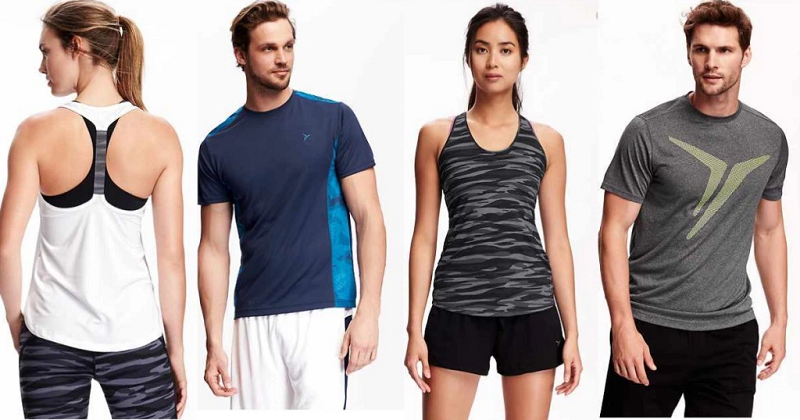
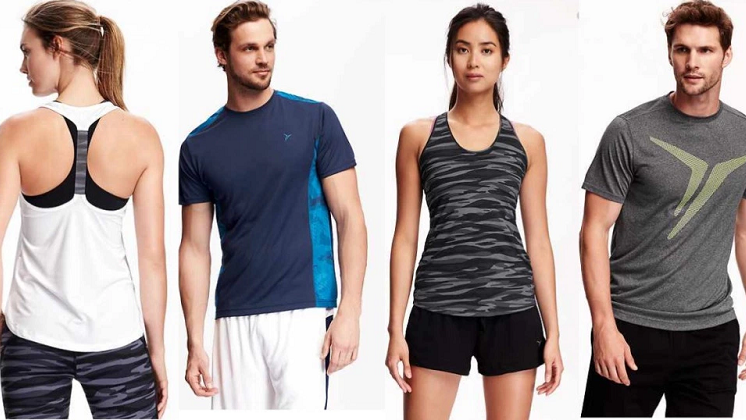
For example, an activewear tank top might have mesh panels for cooling and a racerback for movement. An athleisure tank could feature a trendy print or a loose, draped fit.
Confident guidance: If you want a piece that looks great both at brunch and at yoga, look for athleisure. If you need support and sweat protection, activewear is the better choice.
Usage Scenarios: When To Wear Activewear Vs Athleisure
Knowing the right time to wear each type of clothing can help you feel more comfortable and confident.
Best Times To Wear Activewear
- Intense workouts: Gym, HIIT, running, cycling
- Sports practice: Soccer, basketball, tennis
- Outdoor adventures: Hiking, rock climbing
- Hot weather exercise: When sweat and heat are a concern
Best Times To Wear Athleisure
- Casual outings: Coffee, errands, shopping
- Travel: Comfortable for long flights or car rides
- Social events: Informal meetups, casual Fridays at work
- Rest days: Lounging at home or light walks
Practical example: If you’re going for a morning run and then meeting friends for breakfast, you might start in activewear and switch to athleisure after showering.
Common mistake: Wearing athleisure to a tough workout can leave you sweaty and uncomfortable, as these clothes may not manage moisture well.
Price And Value Differences
Price is another area where activewear and athleisure can differ.
Activewear Pricing
Activewear often costs more because of:
- Research and technology: Fabrics and features designed for performance
- Durability: Made to last through many workouts and washes
- Brand reputation: Well-known athletic brands often charge more
Some activewear pieces are an investment, but they can last a long time if cared for properly.
Athleisure Pricing
Athleisure prices can be wide-ranging:
- Basic pieces: Affordable, similar to regular casual clothes
- Designer collaborations: Can be expensive, focused on style and brand name
- Seasonal trends: Priced based on fashion cycles, not performance
Data point: A study from the NPD Group found that spending on athleisure and activewear made up a large share of all clothing sales, with many consumers willing to pay extra for comfort and style.
Non-obvious insight: Some athleisure brands use the same factories as activewear brands, but because they skip high-tech features, they can offer lower prices.
Durability And Care
How long your clothes last can depend a lot on what they’re made for.
Activewear Durability
- Designed for heavy use and repeated washing
- High-quality stitching and reinforced seams
- Color and fabric hold up against sweat, stretching, and sun
Care tip: Wash activewear in cold water, avoid fabric softeners, and air-dry when possible to keep performance features working.
Athleisure Durability
- Softer fabrics may pill or fade faster with heavy use
- Not always built for stretching or intense activity
- Some delicate details (like embroidery) need gentle washing
Care tip: Follow care labels closely. Turn garments inside out before washing to reduce wear on outer surfaces.
Common mistake: Using a dryer too often can shrink or damage both activewear and athleisure. Air drying helps both types last longer.
Popular Brands: Examples From The Market
To understand how these styles look in real life, here are some well-known brands and what they’re best known for:
Major Activewear Brands
- Nike: Performance gear for nearly every sport
- Under Armour: Compression wear and sweat-wicking technology
- Adidas: Running, training, and team sports apparel
- Reebok: Gym and CrossFit clothing
Major Athleisure Brands
- Lululemon: Yoga-inspired, stylish leggings and tops
- Athleta: Everyday comfort with a sporty twist
- Alo Yoga: Trendy yoga pants and fashion-forward tops
- P.E Nation: Sports-inspired, street-ready designs
Non-obvious insight: Some brands, like Lululemon and Athleta, design products that serve both as activewear and athleisure, but their most popular items are often chosen for style rather than pure performance.
Consumer Trends And Cultural Shifts
The line between activewear and athleisure keeps changing. Here’s why:
- Remote work: More people working from home want comfortable, stylish clothes.
- Health awareness: Fitness is a bigger part of life, so people want clothes that support movement.
- Social media influence: Sharing “outfit of the day” posts has made athleisure a fashion statement.
- Eco-friendly choices: Both types are now available in sustainable fabrics.
Practical tip: When shopping, check if the brand focuses on sustainability or ethical production. This is becoming important for many buyers.
How To Choose: Activewear Or Athleisure?
Picking the right type of clothing depends on your needs and lifestyle.
Questions To Ask Yourself
- What is my main activity? If you’re planning to sweat, activewear is best.
- How important is style? If you want to look trendy all day, athleisure is a better choice.
- Will I use it for both gym and social activities? Look for hybrid pieces with both performance and style.
- Do I need special features? Think about moisture-wicking, UV protection, or extra pockets.
- What’s my budget? Decide if you want to invest in long-lasting gear or prefer to follow fast-changing trends.
Smart Shopping Tips
- Try clothes on and move around in them. See if they stretch, breathe, and feel right.
- Read online reviews for insights about comfort and durability.
- Don’t be fooled by looks alone—check product tags for fabric details and care instructions.
- Consider buying from brands with good return policies, so you can exchange if the fit isn’t perfect.
Credit: www.onlineclothingstudy.com
Common Mistakes And How To Avoid Them
- Mixing up use: Wearing athleisure for intense workouts can result in discomfort.
- Ignoring fabric quality: Not all stretchy or soft clothes are good for exercise.
- Overpaying for style: High-priced athleisure may not last if it’s not built for movement.
- Skipping care instructions: Not following washing directions can ruin special fabrics.
- Falling for trends: Buying only what’s popular may not fit your real needs.
Non-obvious insight: When brands label something as “active,” read the product description carefully. Sometimes, the only thing “active” is the look—not the performance.
The Role Of Technology In Activewear And Athleisure
Modern clothing uses technology to improve comfort and function.
Tech Features In Activewear
- Laser-cut ventilation: Improves airflow in high-sweat areas
- Seamless construction: Reduces chafing for long workouts
- Smart fabrics: Some can track heart rate or monitor sweat levels
Tech Features In Athleisure
- Wrinkle-resistant materials: Good for travel and work
- Stain-repellent finishes: Keeps clothes looking fresh longer
- Convertible designs: Jackets that turn into bags, pants with removable parts
Interesting fact: Some companies are working on fabrics that can adjust temperature or even clean themselves, which could change how we think about both activewear and athleisure.
Credit: qynda.com
Sustainability: The Future Of Sportswear
Both activewear and athleisure are seeing growth in sustainable options.
- Recycled polyester: Made from plastic bottles, used in both types
- Organic cotton: Softer and better for the environment
- Closed-loop production: Reduces waste by recycling old clothes into new fibers
Non-obvious insight: Some sustainable fabrics don’t perform as well as traditional ones, so always balance eco-friendliness with your needs.
For more on sustainable fashion, see Vogue's guide to sustainable activewear.
Real-life Examples: Activewear Vs Athleisure Outfits
It can help to see how these styles look in practice.
Example 1: Full-day Schedule
- Morning workout: Sports bra, compression leggings, moisture-wicking top (activewear)
- Brunch with friends: Change into a loose hoodie, jogger pants, and slip-on sneakers (athleisure)
- Afternoon errands: Stay in athleisure for comfort and style
Example 2: Travel Day
- Flight: Soft, stretchy athleisure leggings, oversized sweatshirt, slip-on shoes
- Hotel gym: Switch to activewear tank top and shorts for better performance
Example 3: Office To Yoga
- Casual Friday: Athleisure dress or polished joggers with a blazer
- After work: Change to performance leggings and sports bra for yoga class
Practical tip: Some “workleisure” clothes are designed to look professional but feel as comfortable as athleisure.
Simple Checklist: Spotting The Difference
When in doubt, use these points to tell activewear and athleisure apart:
- Check the fabric: Technical = activewear, soft = athleisure
- Look for features: Mesh, compression, and UV protection signal activewear
- Fit and design: Tight and supportive = activewear, relaxed and trendy = athleisure
- Brand and marketing: If it’s shown in a gym, likely activewear; if it’s on the street, likely athleisure
- Price tag: Higher prices often mean more advanced features
Frequently Asked Questions
What Is Activewear Best Used For?
Activewear is designed for exercise and sports. It uses technical fabrics that manage sweat, allow movement, and support the body during intense activities. If you plan to run, lift weights, or play sports, activewear is the best choice for comfort and performance.
Can You Wear Athleisure For Workouts?
Some light activities like walking or stretching are fine in athleisure, but for intense workouts, it’s better to use activewear. Athleisure may not offer enough support or sweat management for high-impact exercises.
How Can I Tell If Clothing Is Activewear Or Athleisure?
Check the fabric and features. Activewear uses performance materials and often has compression, mesh, or technical details. Athleisure looks more like casual clothes, with soft fabrics and trendy designs.
Is Athleisure More Fashionable Than Activewear?
Athleisure is designed with style in mind. It follows fashion trends, offers more color options, and often includes details like zippers, prints, or loose fits. Activewear focuses on function, so it may look more basic but works better for exercise.
Are There Sustainable Options For Both Activewear And Athleisure?
Yes, many brands now offer eco-friendly choices for both types. Look for labels like recycled polyester, organic cotton, or bamboo. Remember, performance may differ, so check if the piece matches your needs.
Choosing between activewear and athleisure is easier once you understand their differences. By thinking about your activities, style, and comfort, you’ll find clothes that work for every part of your day. Both trends are here to stay, so pick the best of each for your unique lifestyle.
Credit: campgreenwood.org
