

What Does Activewear Mean on a Dryer? Expert Guide Explained
What Does Activewear Mean On A Dryer
Laundry symbols and appliance settings can be confusing, especially when you see a term like activewear on your dryer. This setting is not as obvious as “cotton” or “delicates.” If you own a dryer with an activewear option, you might wonder what it does, why it’s there, and how it can help protect your clothes. Understanding this setting can help you take better care of your workout gear, extend its life, and avoid common mistakes that damage technical fabrics.
Let’s explore what the activewear setting means, how it works, and why it matters for your laundry routine. Whether you have a closet full of gym clothes or just a few athletic items, knowing how to use this feature will make a difference.
What Is Activewear?
Activewear refers to clothing designed for physical activities. It includes items like yoga pants, running shorts, sports bras, moisture-wicking shirts, and compression garments. These clothes are often made with synthetic fibers such as polyester, nylon, spandex, or blends. The key features of activewear are stretch, breathability, moisture control, and quick drying.
Unlike regular cotton shirts or jeans, activewear is built to move with you and handle sweat. The fibers are engineered for athletic performance, but they can be sensitive to heat and agitation during washing and drying. That’s why they need special care.
Why Do Dryers Have An Activewear Setting?
Standard dryer cycles are designed for materials like cotton or towels, which can handle high heat and longer dry times. Activewear fabrics, on the other hand, can melt, shrink, lose elasticity, or get damaged if exposed to too much heat or rough treatment. Manufacturers added the activewear dryer setting to help people avoid these problems.
Here’s why the activewear setting matters:
- Prevents heat damage: Synthetics can lose their shape or even melt if dried with too much heat.
- Reduces wear and tear: Lower temperatures and gentle tumbling protect the fabric’s fibers and stretch.
- Preserves function: Moisture-wicking and compression features work best when the fabric stays intact.
If you’ve ever noticed your gym clothes losing their stretch or feeling rough, it could be because they were dried on the wrong cycle.
How Does The Activewear Dryer Setting Work?
The activewear cycle is specially designed for technical fabrics. But what makes it different from other cycles?
Lower Temperature
Most dryers use high heat for cottons and towels. The activewear setting uses a medium or low heat, usually around 120–140°F (50–60°C). This prevents synthetic fibers from melting or becoming brittle.
Gentle Tumbling
Activewear is often lightweight and stretchy. The cycle uses a slower drum rotation and shorter intervals to avoid stretching or damaging seams. Some dryers add periods of cool air or pauses to prevent overheating.
Shorter Dry Time
Technical fabrics dry faster because they don’t absorb as much water as cotton. The activewear setting is usually shorter to avoid over-drying, which can cause static, pilling, or damage.
Sensor Drying
Many modern dryers have moisture sensors in the activewear cycle. These sensors stop the cycle when the clothes are dry enough, preventing excess heat exposure.
Let’s compare the activewear cycle with other common dryer cycles:
| Dryer Setting | Typical Temperature | Drum Speed | Best For |
|---|---|---|---|
| Activewear | Medium/Low (120–140°F) | Gentle/Medium | Sportswear, technical fabrics |
| Cotton | High (150–160°F) | Standard | T-shirts, jeans, towels |
| Delicates | Low (110–120°F) | Gentle | Lingerie, silk, lace |
Types Of Activewear Fabrics And Their Dryer Needs
Not all activewear is the same. Here are the most common activewear materials and how they react to dryer heat:
Polyester
Polyester is popular for gym clothes because it’s lightweight and dries fast. However, high heat can melt or shrink polyester, and repeated exposure reduces moisture-wicking power.
Nylon
Nylon is strong and stretchy but sensitive to heat. It can lose elasticity if dried too hot, causing clothes to sag or lose shape.
Spandex/elastane
This fiber gives activewear its stretch. High heat breaks down spandex, making leggings or bras feel loose over time.
Blends
Many items mix polyester, nylon, and spandex. The most sensitive fiber in the blend determines how you should dry it.
Bamboo/modal
Some eco-friendly activewear uses bamboo or modal. These can shrink or become stiff with high heat.
Here’s a look at common fabrics and their dryer tolerance:
| Fabric | Dryer Tolerance | Recommended Setting |
|---|---|---|
| Polyester | Low to Medium Heat | Activewear or Synthetic |
| Nylon | Low Heat Only | Activewear/Delicate |
| Spandex/Elastane | Very Low Heat | Activewear/No Heat |
| Bamboo/Modal | Low Heat | Activewear/Delicate |
Using The Activewear Setting: Step-by-step
To protect your workout clothes, follow these steps when using the activewear cycle:
- Read care labels: Check the tag for dryer recommendations. If it says “tumble dry low” or “do not dry,” be extra careful.
- Separate activewear: Don’t mix gym clothes with towels or jeans. Heavy items can rub against delicate fabrics and cause pilling.
- Turn clothes inside out: This protects the outer layer and any prints or logos.
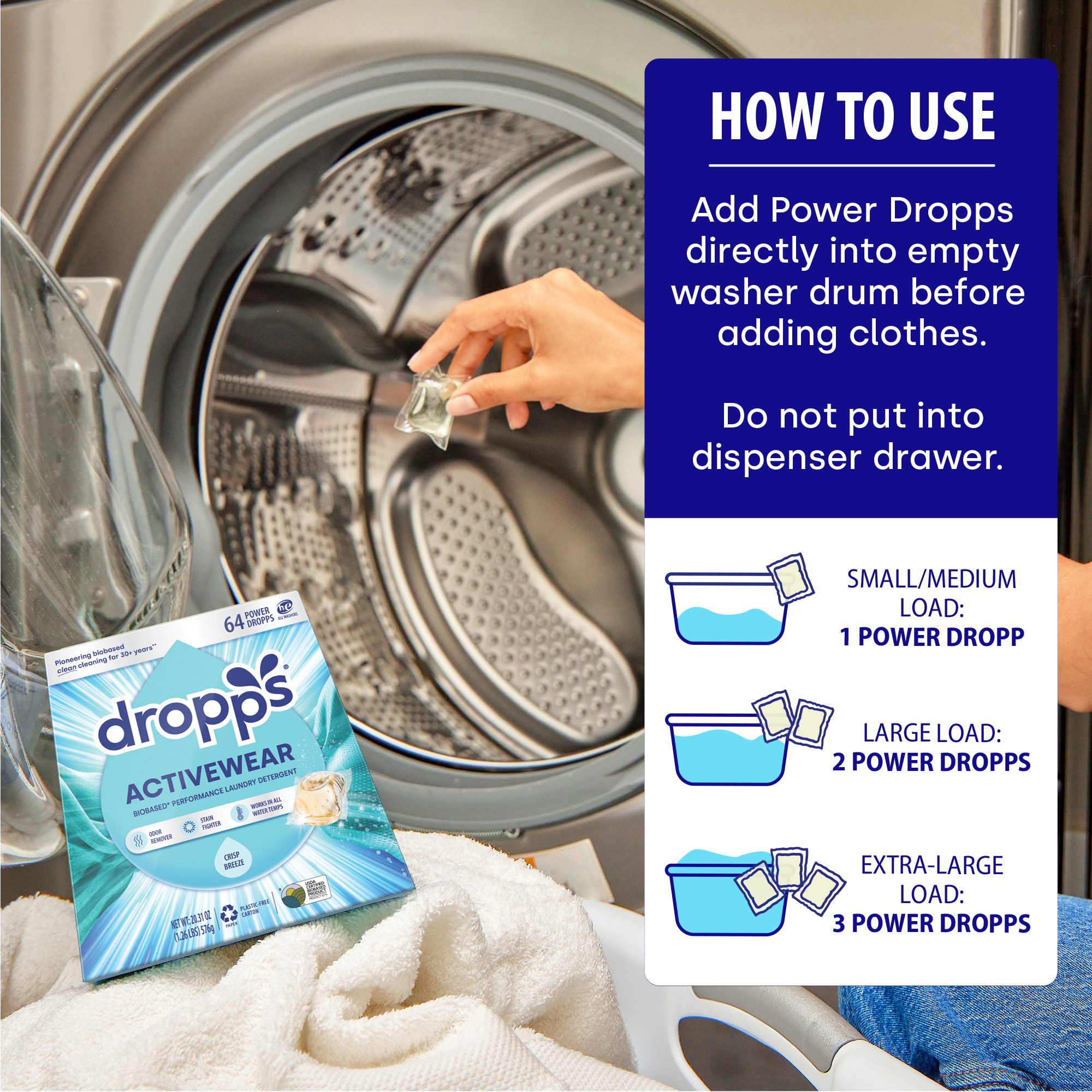
- Avoid dryer sheets: Dryer sheets can coat technical fibers and reduce moisture-wicking. Use dryer balls if you want less static.
- Don’t overload: Give clothes space to tumble. Too many items can prevent even drying.
- Choose the activewear cycle: Set your dryer to “activewear” or “sportswear.” If your dryer doesn’t have this option, use “delicate” or “synthetic” with low heat.
- Check dryness: Remove clothes as soon as they’re dry. Over-drying can cause shrinkage or static.
Common Mistakes To Avoid
Many people damage their gym clothes by using the wrong settings. Here are mistakes to watch out for:
- High heat cycles: These break down elastic fibers and melt logos.
- Dryer sheets: These leave a residue that blocks moisture-wicking.
- Mixing loads: Heavy cottons can damage lighter activewear.
- Ignoring care labels: Some items should never go in the dryer at all.
- Over-drying: Even on the right setting, leaving clothes in too long can cause problems.
Activewear can be expensive. A little care keeps your clothes looking and working their best.

Credit: www.spinchill.com
Does Every Dryer Have An Activewear Setting?
Not all dryers have a dedicated activewear cycle. Newer, high-end models are more likely to include it. If your dryer does not have this setting, you can still protect your technical clothes:
- Use the delicate or synthetic setting.
- Choose low heat.
- Use moisture sensors if available.
- Remove clothes as soon as they are dry.
If you plan to buy a new dryer and wear a lot of activewear, look for this feature. It can make a big difference in the lifespan of your gym clothes.
Benefits Of Using The Activewear Dryer Setting
Why use the activewear cycle instead of a regular one? Here are some key benefits:
Longer Lifespan
Technical fabrics last longer when not exposed to high heat and rough tumbling. Your clothes keep their stretch, shape, and function.
Maintains Performance
Moisture-wicking, quick-drying, and compression features work better when the fibers are not damaged by heat.
Saves Energy
The activewear cycle uses lower temperatures and shorter times, which can reduce your energy bill.
Less Pilling And Static
Gentle drying prevents the little balls of fuzz (pilling) that make clothes look old. Low heat also reduces static.
Protects Logos And Prints
Many activewear items have printed logos or designs. High heat can cause these to crack or peel.
Credit: www.dropps.com
How To Tell If Your Dryer Has An Activewear Setting
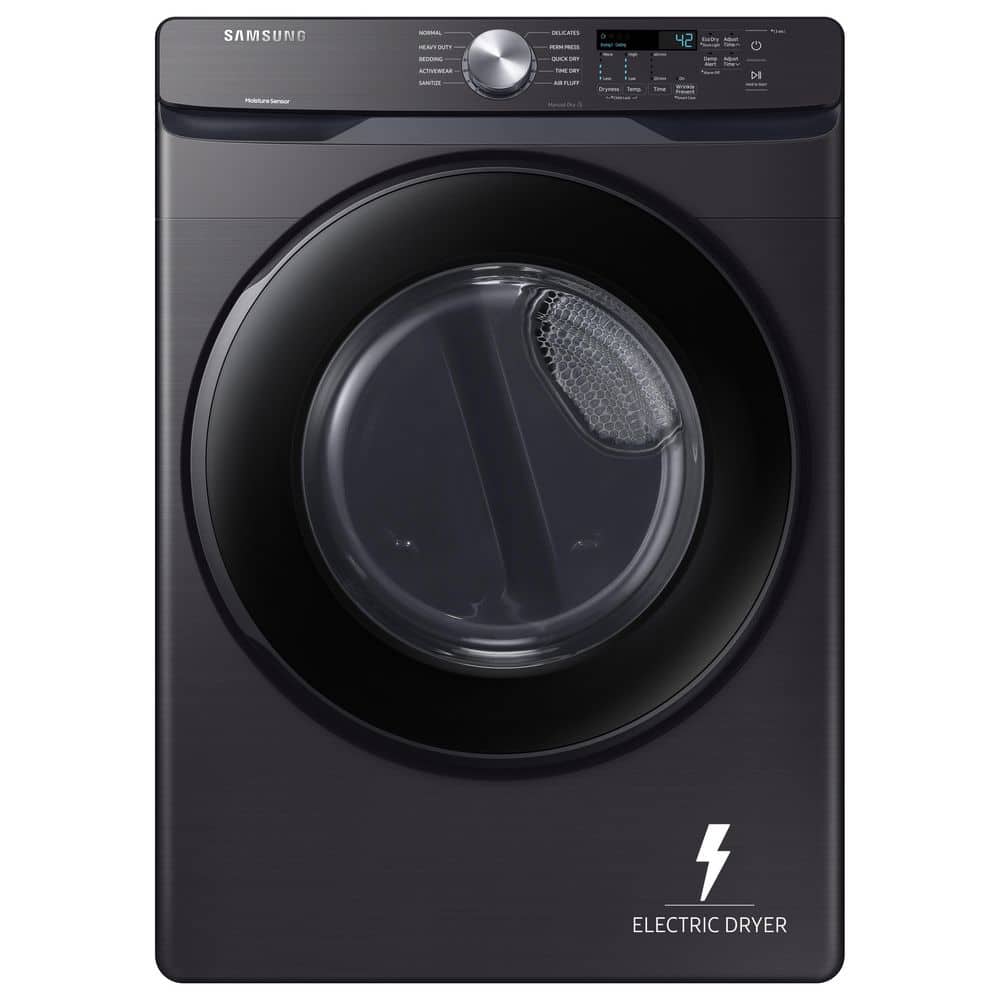
Look at your dryer’s control panel. The activewear setting may also be called “sportswear,” “athletic wear,” or “synthetics.” If you’re not sure, check your user manual or the manufacturer’s website.
Some dryers combine activewear with sensor drying or steam features. These extras can help, but the main thing is to use a cycle with lower heat and gentle action.
Comparing Activewear With Other Dryer Settings
You may wonder how activewear differs from other common dryer options. Let’s break it down:
- Cotton/Heavy Duty: High heat, long cycle. Best for towels and jeans, not for technical fabrics.
- Delicate: Low heat, gentle action. Good for lace, silk, or lingerie. Can work for activewear if you don’t have a dedicated setting.
- Permanent Press: Medium heat, less wrinkling. Okay for some synthetic blends, but may still be too hot for spandex-heavy clothes.
- Air Dry/No Heat: Tumbles clothes with no heat. Very safe but takes longer and may not fully dry thicker items.
If your dryer lets you customize temperature and time, choose low or medium heat and a shorter cycle for activewear.
Credit: www.homedepot.com
Caring For Activewear Before And After Drying
Drying is only one part of activewear care. How you wash and store gym clothes also matters.
Washing Tips
- Use cold water to prevent shrinking and color fading.
- Use a gentle detergent (no fabric softeners).
- Wash similar fabrics together.
- Avoid heavy agitation.
Storing Tips
- Fold or hang activewear to keep its shape.
- Don’t store damp clothes in a gym bag—this can cause odor or mildew.
Real-life Example: The Difference The Right Setting Makes
Imagine you have two pairs of leggings: one dried on “cotton” and one on “activewear.” After a few washes:
- The “cotton” dried leggings feel loose and the waistband rolls.
- The “activewear” dried leggings keep their shape and stretch.
This small change extends the life of your clothes and keeps them comfortable.
Non-obvious Insights Most People Miss
- Dryer sheets block performance: Many don’t realize that dryer sheets can coat technical fibers with a waxy film. This film blocks sweat-wicking and can make clothes smell bad faster.
- Heat can break down odor-fighting treatments: Many gym clothes have special treatments to reduce odor. High heat can destroy these, making clothes smell sooner.
- Not all synthetics are the same: Even within “synthetics,” some fibers are more sensitive than others. Always check the label.
- Static is a sign of over-drying: If your activewear comes out with lots of static, it’s a sign you’re using too much heat or drying too long.
- Logos and prints are often heat-sensitive: Peel, crack, and fading can be avoided with the right setting.
Myths About Drying Activewear
Myth 1: High Heat Cleans Better
Some believe that only hot cycles kill bacteria or remove odor. In reality, washing with a good detergent in cold water is enough for most gym clothes. High heat can damage the fabric without adding hygiene benefits.
Myth 2: Air Drying Is Always Best
Air drying is gentle, but not always practical. The activewear cycle is a safe, effective alternative when you need clothes dried quickly.
Myth 3: All Synthetic Fabrics Are Indestructible
Even though polyester and nylon are tough, their structure can be ruined by repeated high heat.
How Often Should You Use The Activewear Setting?
Every time you wash and dry technical or athletic clothes, use the activewear cycle. It’s not just for expensive gear—budget brands benefit too. For regular cotton T-shirts, use the normal cycle.
Signs Your Activewear Was Damaged By The Dryer
If you notice any of these problems, your dryer settings may be too harsh:
- Loss of stretch: Waistbands or cuffs feel loose
- Rough texture: Clothes feel scratchy or stiff
- Faded logos: Prints are peeling or cracking
- Static cling: Clothes stick together or spark
- Shrinking: Clothes fit tighter than before
Switching to the right cycle can prevent these issues.
Choosing A Dryer With Activewear Settings
If you’re buying a new dryer, look for these features:
- Activewear/Sportswear cycle: Dedicated option for technical fabrics.
- Moisture sensors: Stops drying as soon as clothes are done.
- Custom temperature settings: Lets you control heat.
- Steam refresh: Helps reduce wrinkles and odors.
These features are common in mid- to high-end models. They’re especially useful if you work out often or have a family with lots of sports uniforms.
Comparing Top Dryer Brands For Activewear
Here’s a quick look at how leading brands support activewear care:
| Brand | Activewear Cycle? | Moisture Sensors? | Custom Temp? |
|---|---|---|---|
| Samsung | Yes | Yes | Yes |
| LG | Yes | Yes | Yes |
| Whirlpool | Some models | Yes | Yes |
| GE | Some models | Yes | Yes |
| Bosch | No | Yes | Yes |
Always check the model’s manual before buying.
Environmental Impact Of Drying Activewear
Lower temperatures and shorter cycles use less energy, which is better for the environment. Some dryers with activewear settings are ENERGY STAR rated, meaning they meet higher energy efficiency standards.
Using the right cycle not only saves your clothes but also reduces your carbon footprint. For more information on sustainable laundry practices, see the ENERGY STAR guide.
Final Tips For Activewear Care
- Always check the care label first.
- Use the activewear cycle whenever possible.
- Avoid dryer sheets; try wool dryer balls instead.
- Don’t over-dry—use moisture sensors if you have them.
- Store gym clothes folded or hanging, not crumpled in a bag.
Protecting your activewear is simple once you know how. The right settings make your clothes last longer, look better, and perform as they should.
Frequently Asked Questions
What Does The Activewear Setting On A Dryer Actually Do?
The activewear setting uses lower heat, gentle tumbling, and often a shorter cycle to protect technical fabrics like polyester, nylon, and spandex. It prevents heat damage, preserves stretch, and keeps clothes performing well.
Can I Use Dryer Sheets With Activewear?
It’s best to avoid dryer sheets with activewear. They can coat fibers and block sweat-wicking properties. Use wool dryer balls if you want to reduce static without affecting performance.
What If My Dryer Doesn’t Have An Activewear Setting?
Use the “delicate” or “synthetic” setting with low heat. Avoid high heat cycles, and remove clothes promptly to prevent over-drying.
How Can I Tell If My Activewear Is Damaged By The Dryer?
Signs include loss of stretch, rough feel, faded or peeling logos, static cling, and shrinking. These mean the clothes were exposed to too much heat or agitation.
Is It Better To Air Dry Or Use The Activewear Setting?
Air drying is gentle and always safe, but the activewear setting is a good alternative if you need your clothes dry quickly. It’s designed to protect technical fabrics from heat and damage.
Taking care of your activewear isn’t complicated, but it does require a little extra attention in the laundry room. With the right dryer settings, you can keep your favorite gym clothes working and looking great for much longer.
