

What is Meant by Rash: Causes, Symptoms, and Treatment Explained
Have you ever noticed an unusual patch of red, bumpy, or itchy skin and wondered, "What is meant by rash?" Understanding what a rash really is can help you take quick action and find the right relief.
Your skin is your body’s first line of defense, and when it shows signs of trouble, it’s trying to tell you something important. You’ll discover what a rash is, why it happens, and what you can do to protect your skin.
Keep reading to learn how to recognize different types of rashes and when you should seek help. Your skin health matters more than you think.
Rash Basics
A rash is a change in the skin that affects its color, appearance, or texture. It can look like red spots, bumps, or patches. A rash may cause itching, swelling, or pain. Rashes can appear on any part of the body. They often signal a reaction to something or an underlying health issue.
Rashes vary widely in how they look and feel. Some rashes go away quickly. Others may last longer or need medical care. Understanding the types and causes helps in managing rashes better.
Types Of Rashes
Rashes come in many forms. Some common types include:
- Contact Dermatitis: Red, itchy rash from touching irritants.
- Eczema: Dry, scaly patches often found in children.
- Hives: Raised, itchy welts caused by allergic reactions.
- Heat Rash: Small red bumps from sweating in hot weather.
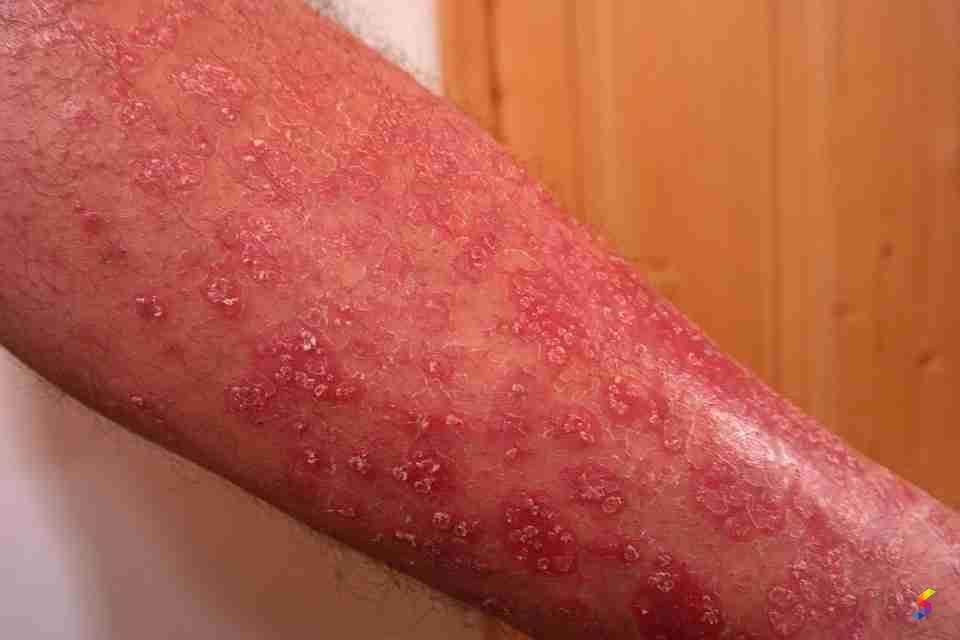
- Psoriasis: Thick, silvery scales on red skin patches.
Each type has unique features and may need different care.
Common Causes
Rashes often result from various triggers. Common causes include:
- Allergic reactions to foods, medicines, or plants.
- Infections like viruses, bacteria, or fungi.
- Skin irritation from soaps, detergents, or chemicals.
- Heat and sweat buildup causing blocked pores.
- Chronic skin conditions such as eczema or psoriasis.
Identifying the cause helps in choosing the right treatment.
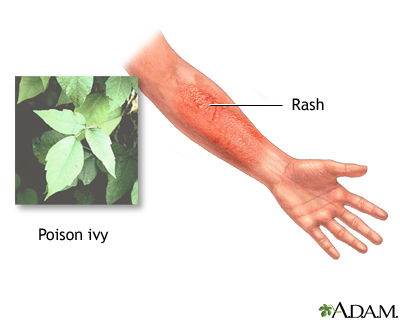
Credit: medlineplus.gov
Identifying Symptoms
Identifying the symptoms of a rash is important for understanding its cause and treatment. A rash can look different depending on the condition. Noticing specific features helps in describing it to a doctor. This section covers the common signs to watch for.
Appearance And Texture
A rash may appear as red, pink, or skin-colored spots. It can be flat or raised above the skin. Some rashes have bumps, blisters, or scales on the surface. The texture might feel smooth, rough, or scaly. Sometimes, the skin becomes dry or cracked around the rash.
Associated Signs
Rashes often come with other symptoms like itching or burning. Some cause pain or tenderness in the affected area. Swelling or warmth may occur near the rash. In some cases, fever or tiredness happens with the rash. Noting these signs helps in understanding the rash better.
Causes Behind Rashes
Rashes appear due to many different reasons. Understanding the causes helps in finding the right treatment. Some rashes are harmless, while others need medical care. The skin reacts to irritants, infections, or internal problems. Let’s explore common causes behind rashes.
Allergic Reactions
Allergic reactions cause rashes when the body meets an allergen. Common allergens include certain foods, plants, or chemicals. The immune system reacts strongly, causing redness and itching. Contact with poison ivy or nickel jewelry often triggers allergic rashes. These rashes can appear quickly after exposure.
Infections
Infections often cause rashes on the skin. Bacterial infections like impetigo create red sores or blisters. Viral infections such as chickenpox or measles cause widespread rashes. Fungal infections like ringworm produce circular, itchy patches. These rashes may spread if untreated.
Chronic Conditions
Some chronic health problems cause ongoing rashes. Eczema leads to dry, itchy, and inflamed skin. Psoriasis causes thick, scaly patches that can be painful. These conditions last a long time and need regular care. Rashes from chronic conditions often flare up due to stress or weather changes.
Environmental Factors
Environmental factors can irritate the skin and cause rashes. Exposure to extreme heat or cold damages the skin. Chemicals in soaps, detergents, or cosmetics may cause irritation. Prolonged sun exposure leads to sunburn, a type of rash. Keeping skin protected can reduce these rashes.
Treatment Options
Treating a rash depends on its cause and severity. Many rashes can heal with simple care at home. Others may need medicine or medical advice. Understanding treatment options helps manage symptoms quickly and safely.
Home Remedies
Keep the rash clean and dry. Use mild soap and water to wash the area gently. Avoid scratching to prevent infection. Cool compresses can reduce itching and swelling. Wearing loose, soft clothing helps the skin breathe. Avoid harsh chemicals or perfumes on the rash.
Medications
Over-the-counter creams can ease itching and inflammation. Hydrocortisone cream is common for mild rashes. Antihistamines help if allergies cause the rash. For infections, a doctor may prescribe antibiotics or antifungal medicine. Always follow the medicine instructions carefully.
When To See A Doctor
Seek medical help if the rash spreads fast. If you have fever or pain with the rash, see a doctor. Rashes with blisters or open sores need medical attention. If the rash does not improve after home care, consult a healthcare provider. Sudden rash with breathing problems requires emergency care.
Preventing Rashes
Preventing rashes starts with good care and smart choices. Skin can react to many things. Taking steps to protect it helps keep rashes away. Simple habits make a big difference. Below are tips to help you avoid rashes and keep your skin healthy.
Skin Care Tips
Wash skin gently with mild soap. Avoid harsh scrubs or strong chemicals. Pat skin dry instead of rubbing. Use moisturizer to keep skin soft. Choose products made for sensitive skin. Change clothes if they get wet or sweaty. Wear loose clothing to let skin breathe. Protect skin from too much sun with clothing or sunscreen.
Avoiding Triggers
Know what causes your rashes. Common triggers include certain soaps, detergents, and fabrics. Stay away from those products. Avoid contact with plants like poison ivy. Be careful with new skin products or perfumes. Use gloves when handling cleaning chemicals. Keep your environment clean to reduce dust and allergens. Watch for food allergies that might cause skin reactions.

Credit: en.wikipedia.org
Credit: smartvocab.in
Frequently Asked Questions
What Does Rash Mean In Medical Terms?
A rash is a visible change in skin color or texture. It often appears as red, itchy, or bumpy patches. Rashes result from irritation, allergies, infections, or underlying conditions. They signal the body's reaction to various triggers.
How Can You Identify Different Types Of Rashes?
Rashes vary by appearance, location, and symptoms. Common types include hives, eczema, and contact dermatitis. Identifying features like color, size, and itchiness help diagnose the cause. Accurate identification guides effective treatment.
What Causes A Rash On The Skin?
Rashes can be caused by allergies, infections, heat, or irritants. Infections include viruses, bacteria, or fungi. Allergic reactions to food, medication, or plants also trigger rashes. Understanding the cause is key for proper care.
When Should You See A Doctor For A Rash?
See a doctor if the rash is widespread, painful, or blistering. Also seek help if accompanied by fever or difficulty breathing. Persistent or worsening rashes require professional diagnosis and treatment to prevent complications.
Conclusion
A rash is a common skin problem that many face. It can look different and cause discomfort. Knowing what causes a rash helps in finding the right care. Most rashes heal quickly with simple treatment. Still, some need a doctor’s check.
Watching for changes in the rash is important. Early action can stop problems from growing. Remember, healthy skin means a healthier you. Stay aware and take care of your skin daily.
