

Rash Guard That Doesn'T Stick: Ultimate Comfort and Durability Guide
Have you ever struggled with a rash guard that clings to your skin, making every move uncomfortable? You’re not alone.
Finding a rash guard that doesn’t stick can change the way you enjoy your water sports or workouts. Imagine feeling free, cool, and confident every time you wear it. You’ll discover what makes a rash guard comfortable and how to pick one that moves with you, not against you.
Keep reading to find your perfect fit and say goodbye to sticky, irritating gear for good.

Credit: www.cityofcrescent.com
Why Rash Guards Stick
Rash guards sometimes stick to the skin, causing discomfort during sports or water activities. This happens due to the materials, moisture, and fabric structure. Understanding why rash guards stick helps you choose better options. It also guides you on how to stay comfortable.
Common Materials And Their Properties
Most rash guards use polyester, nylon, or spandex. Polyester feels smooth and dries fast. Nylon is soft but can cling when wet. Spandex adds stretch but may stick more. Each material reacts differently to the skin and moisture. The mix of these fabrics changes how much they stick.
Effects Of Moisture And Sweat
Sweat and water make rash guards cling to the body. Moisture creates a thin layer between skin and fabric. This layer can cause suction or stickiness. The wetter the fabric, the more it sticks. Dry rash guards usually feel looser and more comfortable. Good rash guards manage moisture well.
Role Of Fabric Weave And Finish
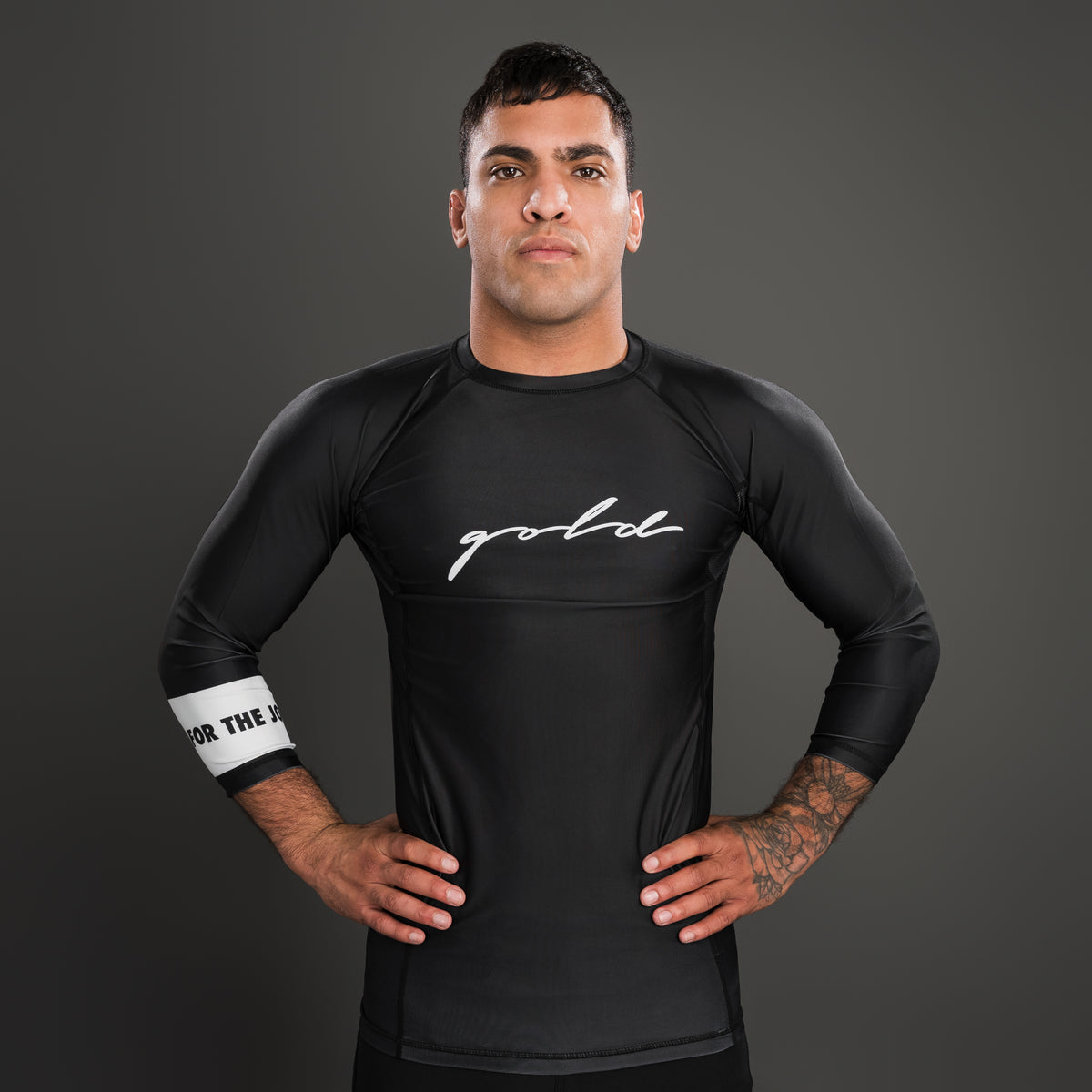
The way fabric is woven affects its stickiness. Tight weaves often feel smoother and less sticky. Loose weaves can trap moisture, causing cling. Some rash guards have special finishes to reduce stickiness. These finishes create a slippery surface. They help rash guards slide over the skin easily.
Credit: goldbjj.com
Choosing Non-stick Fabrics
Choosing the right fabric for a rash guard that doesn't stick is key. The fabric affects comfort, fit, and performance. It should feel good against your skin and move with you. Picking non-stick fabrics keeps you dry and comfortable during activities.
Next, explore the best fabric types, breathability, stretch, and moisture-wicking features. These factors help you find the perfect rash guard fabric.
Best Fabric Types For Comfort
Polyester and nylon are top choices for rash guards. These fabrics are soft and smooth on the skin. They resist sticking and dry quickly. A blend of polyester and spandex adds extra stretch. This mix offers comfort without tightness or bunching.
Breathability And Stretch Factors
Breathable fabrics let air flow to keep you cool. Look for lightweight materials that do not trap heat. Stretch is important for freedom of movement. Spandex or elastane fibers provide good stretch. They keep the rash guard snug but flexible.
Moisture-wicking Technology
Moisture-wicking fabrics pull sweat away from the skin. This keeps you dry and stops the fabric from sticking. Look for terms like "quick-dry" or "performance fabric." These features help maintain comfort during intense activities.
Design Features That Prevent Sticking
Rash guards that don’t stick offer better comfort and freedom. The design plays a big role in preventing the fabric from clinging to your skin. Smart choices in seams, fit, and fabric treatments keep the rash guard smooth and easy to wear. These features help you stay comfortable during water sports or workouts.
Seam Placement And Construction
Seams placed away from high-movement areas reduce rubbing and sticking. Flatlock stitching creates smooth seams that lie flat on the skin. This method stops irritation and prevents the rash guard from sticking. Proper seam construction also adds durability without bulk.
Fit And Sizing Considerations
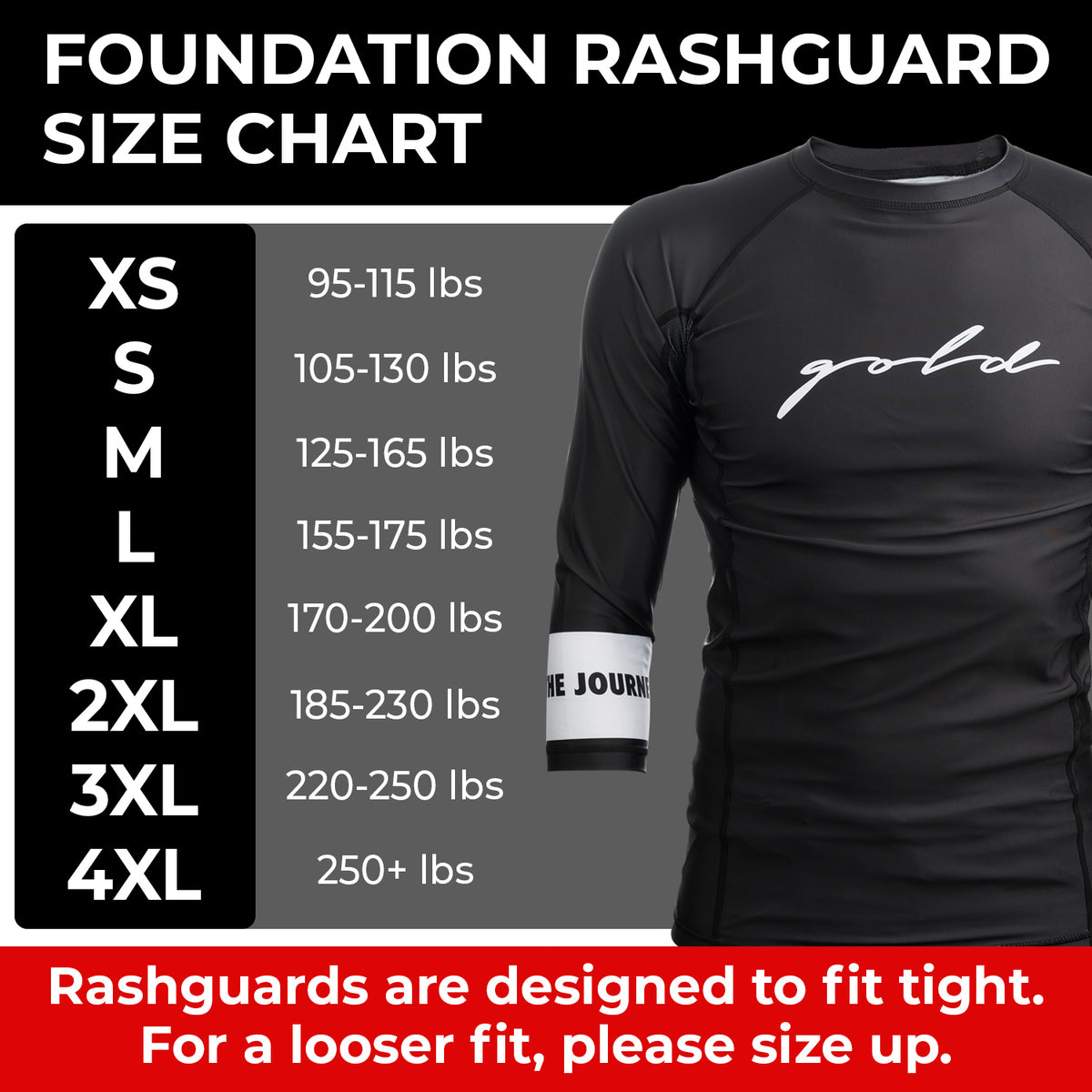
A rash guard with the right fit moves with your body. Too tight means more sticking and less comfort. A slightly snug fit allows freedom without excess fabric bunching. Sizing charts help choose the perfect size for your body shape. A good fit avoids sticky spots and improves performance.
Surface Treatments And Coatings
Special fabric coatings repel water and reduce friction. These treatments keep the material smooth and less likely to cling. Some rash guards use silicone or hydrophobic finishes to improve slip. These coatings also help the fabric dry faster and stay fresh longer.
Care Tips To Maintain Non-stick Qualities
Rash guards that do not stick offer great comfort and ease during water activities. Keeping their non-stick qualities requires proper care. Simple habits during washing, drying, and storage help maintain their smooth texture. Avoiding harsh detergents and heat protects the fabric’s special coating. Follow these care tips to keep your rash guard in top shape for longer.
Washing And Drying Best Practices
Wash your rash guard in cold water only. Use a gentle cycle to prevent damage. Avoid bleach or fabric softeners as they harm the fabric. Rinse thoroughly to remove all soap. Air dry your rash guard flat or hang it in shade. Do not wring or twist the fabric. Avoid using a dryer to keep the non-stick surface intact.
Storage Recommendations
Store your rash guard in a cool, dry place. Keep it away from direct sunlight to prevent fading. Fold it neatly to avoid creases or stretching. Do not hang for long periods as it may stretch the fabric. Use a breathable bag if storing for months. This prevents moisture buildup and fabric damage.
Avoiding Damage From Detergents And Heat
Choose mild, liquid detergents without bleach or enzymes. Powder detergents can leave residues that stick to the fabric. Avoid hot water washing and high heat drying settings. Heat breaks down the non-stick coating quickly. Skip ironing or dry cleaning. These can ruin the rash guard’s smooth feel and fit.
Top Rash Guard Brands For Comfort
Choosing the right rash guard is key for comfort and performance. A rash guard that doesn’t stick improves your experience in water sports. Comfort comes from soft, stretchy fabric and smart design. Top brands focus on these details to offer the best fit and feel. Here are some of the best rash guard brands known for comfort.
Brands Known For Durable Fabrics
Durability matters for rash guards. Some brands use strong fabrics that last long and resist wear. These materials keep their shape and softness even after many washes. Brands like O’Neill, Rip Curl, and Quiksilver are famous for tough, comfortable rash guards. Their products often feature reinforced stitching and UV protection.
Affordable Options With Non-stick Features
Comfort doesn’t have to cost a lot. Many affordable brands offer rash guards with non-stick fabrics. These materials prevent the shirt from clinging to your skin. Brands like Cressi, Decathlon, and Tribord provide budget-friendly options. They balance quality and price, making them popular for beginners and casual users.
Customer Reviews And Feedback
Customers share real experiences about rash guards. Positive reviews often mention soft fabric and how the rash guard doesn’t stick. Buyers appreciate quick-dry materials and stretchy fits. Brands with high ratings include Speedo, Body Glove, and Patagonia. Reading reviews helps find rash guards that feel good and last long.
Credit: goldbjj.com
Frequently Asked Questions
What Makes A Rash Guard That Doesn't Stick?
A rash guard that doesn't stick uses smooth, stretchy fabrics like spandex or nylon. These materials reduce friction and prevent clinging, ensuring comfort and freedom of movement during water sports or workouts.
How Do Non-sticky Rash Guards Improve Comfort?
Non-sticky rash guards reduce skin irritation by preventing fabric from clinging. They allow better airflow and quick drying, which keeps you cool and comfortable during intense activities.
Can Rash Guards Prevent Chafing Effectively?
Yes, rash guards create a smooth barrier between skin and fabric. This prevents chafing and rashes caused by repetitive movements or water friction, making them ideal for surfing, swimming, or running.
Are Non-stick Rash Guards Suitable For All Water Sports?
Absolutely. Their quick-dry and non-cling properties make them ideal for surfing, snorkeling, swimming, and paddleboarding. They enhance performance and comfort in various wet conditions.
Conclusion
Choosing a rash guard that doesn’t stick makes a big difference. It keeps you comfortable during every swim or workout. You stay free to move without distractions or irritation. The right fabric and fit help prevent sticking and chafing. This means more fun and less fuss in the water.
Remember, comfort matters just as much as style. Find a rash guard that fits well and feels good on your skin. Enjoy your time without worry or discomfort. Simple, practical, and effective.
