

What is Business Casual Ladies: Essential Style Guide for 2024
What Is Business Casual Ladies
Choosing what to wear for work can be confusing, especially when the dress code says “business casual.” For many women, this phrase raises questions: What is allowed? What is too formal or too relaxed? Business casual is everywhere—from offices to interviews, networking events, and even virtual meetings. But there’s no single definition. It changes by company, industry, and sometimes even department. So, how do you dress right and feel confident?
Let’s break down business casual for women. You’ll learn what it means, see real examples, and find practical advice for building your wardrobe. Whether you are starting a new job, updating your closet, or just want to avoid mistakes, this guide will help you make smart choices.
You’ll also see what not to wear, learn how business casual differs from other dress codes, and discover tips for looking professional without losing your personal style.
What Does Business Casual Mean For Women?
Business casual is a mix between formal business attire and casual, everyday clothes. It’s not about suits or ties, but it’s not jeans and sneakers either. For women, business casual creates a balance—polished and comfortable. The goal is to look professional, approachable, and ready for work.
Key Elements Of Business Casual
- Tailored pants or skirts
- Blouses or tops that are neat and simple
- Cardigans or blazers (optional but useful)
- Closed-toe shoes (flats, loafers, or low heels)
- Minimal accessories
You avoid overly formal pieces like full suits. You also skip casual items such as ripped jeans, flip-flops, or graphic tees.
Why Business Casual Matters
Many companies choose business casual because it makes employees feel comfortable, but still professional. It encourages a relaxed atmosphere. This dress code is common in tech, creative industries, healthcare administration, education, and many offices. It’s also a safe choice for job interviews unless told otherwise.
Common Misunderstandings
One mistake is thinking business casual equals “anything but shorts. ” Another is assuming you can wear whatever you want if you don’t meet clients. Instead, think of business casual as a way to show respect for your workplace and colleagues.
You don’t need to hide your personality, but you should look neat and tidy.
Core Pieces Of A Business Casual Wardrobe
Building a business casual wardrobe doesn’t mean buying everything new. You can mix and match items you already have. Here are the main pieces that work well in business casual settings.
Pants
Most business casual offices accept:
- Tailored trousers (straight or slim fit)
- Chinos (neutral colors like black, navy, gray, or beige)
- Dressy cropped pants
- Dark, clean jeans (sometimes allowed, but avoid ripped or faded styles)
Avoid leggings, sweatpants, and shorts. If jeans are allowed, choose dark washes and pair them with a dressy top.
Skirts
The best options:
- Pencil skirts
- A-line skirts
- Midi skirts
Skirts should reach at least to the knee. Avoid mini skirts or anything too tight.
Dresses
Business casual dresses are:
- Simple sheath dresses
- Shirt dresses
- Wrap dresses
Choose dresses with sleeves or wear a cardigan or blazer over sleeveless ones. Avoid plunging necklines or very short lengths.
Tops
Key choices include:
- Blouses
- Button-down shirts
- Sweaters
- Fine-knit tops
Avoid tank tops without a layer, graphic tees, or anything see-through. Patterns are fine as long as they are subtle.
Outer Layers
These add polish:
- Blazers
- Cardigans
- Light jackets
Blazers are not required, but they make outfits look more professional. Cardigans are softer and less formal.
Shoes
Stick with:
- Flats
- Loafers
- Low-heeled pumps
- Boots (in cold weather)
Avoid sneakers, sandals, flip-flops, or shoes with high heels.
Accessories
Keep it simple:
- Small jewelry
- Structured handbags
- Belts (with pants or skirts)
Large or flashy accessories can distract.
Comparison Of Business Casual Vs Business Formal
To clarify the difference between business casual and business formal, see the table below:
| Business Casual | Business Formal |
|---|---|
| Cardigans, blazers (optional) | Full suit with blazer |
| Tailored pants, skirts, dresses | Matching skirt or pant suit |
| Blouses, sweaters | Button-down shirt, often with tie |
| Flats, loafers, low heels | Closed-toe heels |
| Minimal accessories | Classic, understated accessories |
What Not To Wear: Common Mistakes
Even in relaxed workplaces, some items are never business casual. These mistakes are easy to make, especially if you’re new to the dress code.
- Too casual pants: Avoid leggings, sweatpants, and shorts.
- Revealing tops: Skip anything too low-cut, sheer, or with spaghetti straps.
- Graphic or slogan tees: These are too informal.
- Flip-flops or athletic shoes: Not professional.
- Very short skirts or dresses: Choose knee-length or longer.
- Wrinkled or stained clothes: Always wear clean, pressed items.
- Heavy makeup or loud accessories: Keep it subtle.
- Backless or off-shoulder tops: These are not office-appropriate.
One insight many beginners miss: Even if a workplace feels relaxed, wearing clothing with bold graphics, slogans, or controversial images is risky. It’s best to avoid anything that draws too much attention.
How Business Casual Differs By Industry And Company
Business casual is not the same everywhere. What’s allowed in a tech company might not work in a law firm. Industry, company culture, and even your job role make a difference.
Industry Differences
- Tech companies: Often allow dark jeans, sneakers, and more casual tops.
- Finance and law: Stick to classic trousers, skirts, blouses, and closed-toe shoes.
- Creative fields: Often encourage fun patterns, colors, and trendy styles.
- Education and healthcare admin: Prefer modest, neat clothing.
Company Culture
Some companies have written dress codes; others rely on unwritten rules. If you’re unsure, observe what others wear or ask HR.
Location And Climate
Business casual in colder places might mean sweaters and boots. In warmer climates, lighter fabrics and short sleeves are common.
Role And Seniority
Managers and client-facing employees often dress more formally. If you’re new, aim for slightly more formal business casual.
Business Casual In Remote Work
Even in virtual meetings, business casual matters. Choose neat tops and avoid pajamas or overly casual clothing.
Building Your Business Casual Wardrobe: Step-by-step Guide
Starting a business casual wardrobe doesn’t mean spending a lot. You can build it over time, focusing on key pieces. Here’s a practical approach:
- Assess Your Current Closet: Identify items that fit business casual—trousers, blouses, cardigans.
- Buy Basics First: Invest in neutral pants, skirts, and a few simple tops.
- Add Layers: Cardigans and blazers make outfits versatile.
- Choose Comfortable Shoes: Flats and loafers are good for all-day wear.
- Mix and Match: Build outfits from what you have.
- Add Accessories Carefully: Keep jewelry and handbags simple.
- Check Fit and Fabric: Tailored items look best. Avoid wrinkly fabrics.
- Consider Color: Stick with neutrals, then add color with tops or accessories.
Sample Business Casual Outfits
Here are three example outfits for different situations:
- Classic Look: Navy trousers, white blouse, gray cardigan, black flats.
- Creative Style: Midi skirt with a patterned blouse, light blazer, colored loafers.
- Warm Weather: Knee-length dress, thin cardigan, nude flats.
Practical Tip
Many beginners miss the importance of layering. A blazer or cardigan can transform a plain top into a professional look. Having two or three outer layers lets you adjust for meetings, presentations, or after-work events.
Business Casual For Different Body Types
Business casual should be comfortable and flattering. Every body is different. Here’s how to find what works for you:
Petite
- Choose cropped trousers or skirts just above the knee.
- Avoid oversized blazers; look for fitted cardigans.
- Opt for vertical stripes and simple prints.
Plus Size
- Go for tailored pants and structured dresses.
- Choose blouses with V-necks or wrap styles.
- Avoid clingy fabrics; choose thicker materials.
Tall
- Midi skirts and long trousers work well.
- Try longline blazers or cardigans.
- Avoid very short jackets.
Pear Shape
- A-line skirts and fitted tops balance proportions.
- Choose cardigans that end at the waist.
Apple Shape
- Empire waist dresses and flowy tops flatter the midsection.
- Structured blazers add shape.
Data Table: Common Fit Issues And Solutions
Below is a comparison table showing typical fit issues and helpful solutions:
| Body Type | Common Issue | Suggested Solution |
|---|---|---|
| Petite | Clothes too long | Cropped pants, fitted cardigans |
| Plus Size | Clingy fabrics | Thicker materials, wrap styles |
| Tall | Short jackets | Longline blazers, midi skirts |
| Pear Shape | Unbalanced proportions | A-line skirts, fitted tops |
| Apple Shape | Undefined waist | Empire waist dresses, structured blazers |

Credit: www.sumissura.com
Business Casual For Different Ages
Age can affect style choices. Here’s how business casual adapts for different stages of life:
Early Career
- Stick to simple, classic pieces.
- Avoid trends that may look too casual.
- Choose neutral colors.
Mid-career
- Add more layers and accessories.
- Experiment with color and patterns if the workplace allows.
Senior Professionals
- Invest in quality fabrics.
- Choose structured jackets and well-fitted skirts.
- Keep accessories understated.
How To Shop Smart For Business Casual
Shopping for business casual clothes does not have to be expensive. Use these strategies:
- Buy versatile items: Choose pieces you can wear in different ways.
- Shop sales and outlets: Get quality for less.
- Try second-hand stores: Many business casual items are lightly used.
- Focus on fit: Tailored items look more expensive.
- Check company dress code: Make sure your choices match workplace rules.
Data Table: Shopping Tips By Budget
Below is a comparison table to help you shop based on your budget:
| Budget | Shopping Tips | Recommended Stores |
|---|---|---|
| Low | Second-hand, sales, basics | Thrift stores, discount retailers |
| Medium | Mix basics and statement pieces | Department stores, online shops |
| High | Invest in quality, tailored items | Brand boutiques, specialty stores |
Business Casual For Special Situations
Sometimes you need to adjust business casual for special days or events:
Job Interviews
- Stick to classic pieces—pants or skirt, blouse, blazer.
- Avoid bright colors or bold patterns.
Presentations
- Wear layers—blazer or cardigan.
- Choose comfortable shoes.
Networking Events
- Add a statement accessory—scarf or necklace.
- Use color to stand out, but keep it professional.
Office Parties
- Choose dressier business casual—silk blouse, midi skirt, low heels.
- Avoid anything too revealing.
Remote Meetings
- Focus on neat tops and simple accessories.
- Avoid pajamas or overly casual clothes.
Maintaining Your Business Casual Wardrobe
Taking care of your clothes helps them last longer and look better. Here’s how:
- Wash carefully: Follow care instructions for fabrics.
- Hang and fold properly: Avoid wrinkles.
- Store shoes and accessories: Keep them organized.
- Repair and replace: Fix loose buttons or small tears.
- Plan outfits: Prepare clothes the night before.
Business Casual Trends And Changes
Business casual is not static. Fashion changes, and workplaces evolve. Here are current trends:
- Sustainable fabrics: Eco-friendly materials are popular.
- Flexible dress codes: More workplaces allow jeans or sneakers.
- Mix of formal and casual: Layering a blazer over a simple tee is common.
- Gender-neutral styles: Some companies encourage unisex pieces.
One insight beginners miss: Trends can be tempting, but always match your choices to your workplace culture. If unsure, dress a little more formally.
Real-life Examples: What Women Wear In Business Casual Offices
Here are examples from real workplaces:
- Tech company: Dark jeans, knit top, sneakers (if allowed), simple jewelry.
- Finance firm: Black trousers, button-down blouse, blazer, loafers.
- Marketing agency: Patterned skirt, solid top, cardigan, flats.
- Healthcare admin: Navy pants, pastel blouse, light sweater, comfortable shoes.
These examples show that business casual is flexible. Adapt based on your industry and company.
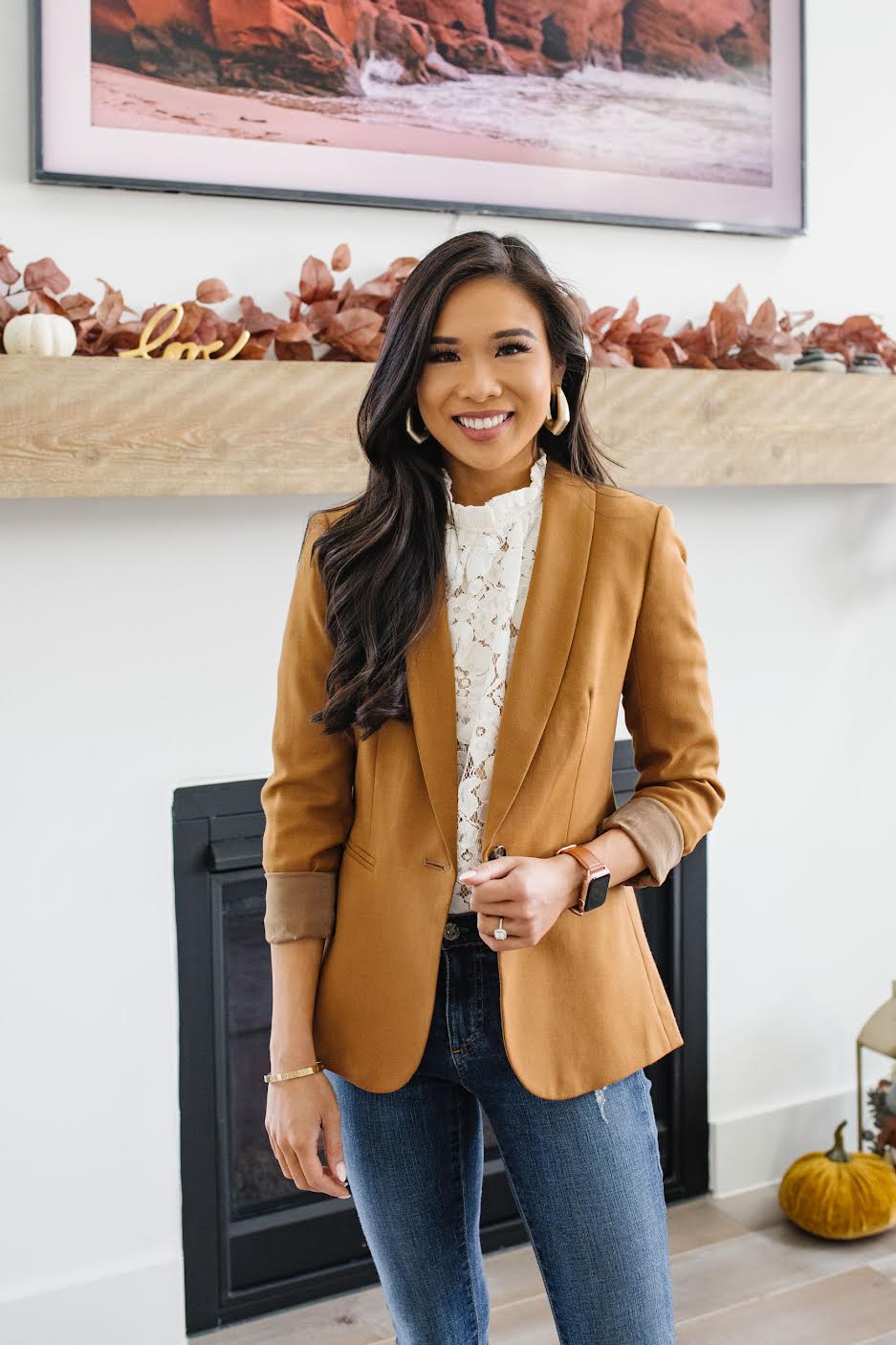
Credit: colorandchic.com
Business Casual Vs Smart Casual
Some people confuse business casual with smart casual. They are different. Here’s how:
- Business casual: Always looks professional and suitable for work.
- Smart casual: Is relaxed but stylish; may include jeans, fashion sneakers, trendy tops.
Smart casual is used for after-work events, casual Fridays, or social gatherings. Business casual always has an office-ready look.
Frequently Asked Questions
What Is The Difference Between Business Casual And Business Formal For Women?
Business formal requires a matching suit, often with a blazer and skirt or trousers, classic blouses, closed-toe heels, and minimal accessories. Business casual allows more flexibility—cardigans, simple dresses, tailored pants, flats, and patterned tops. You can skip the full suit and add softer layers.
Can I Wear Jeans In A Business Casual Office?
It depends on the company. Some offices allow dark, clean jeans with no rips or fading. Always pair jeans with a dressy blouse or blazer. Avoid light washes and very casual styles. If unsure, check the dress code or ask HR.
Are Sleeveless Tops Allowed In Business Casual?
Sleeveless tops are sometimes allowed, but it’s safer to wear a cardigan or blazer over them. Avoid spaghetti straps or very low-cut styles. Check your company’s dress code for details.
How Can I Personalize My Business Casual Style?
Add subtle accessories, use color in tops or scarves, and choose patterns that reflect your personality. Stick to professional silhouettes and avoid anything too bold or distracting. Shoes and handbags are also good ways to show style.
What Should I Do If I’m Not Sure What Is Business Casual In My Office?
Observe what others wear, especially managers and colleagues. Ask HR or your supervisor for guidance. When in doubt, choose classic pieces and avoid extremes. It’s better to be slightly more formal at first.
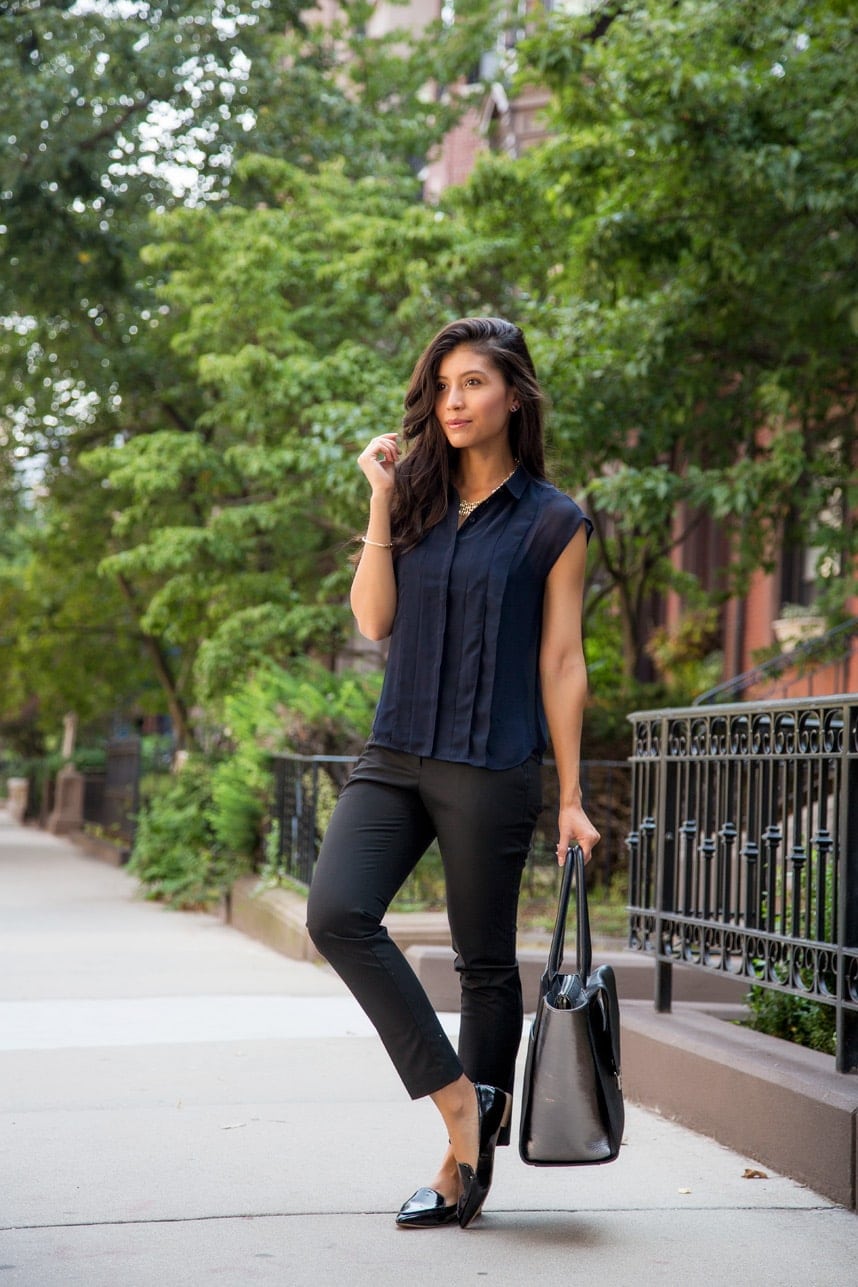
Credit: stylishlyme.com
Final Thoughts
Business casual for women can seem tricky, but it’s all about balance. You want to look professional, comfortable, and true to yourself. Start with core pieces—pants, skirts, blouses, cardigans. Add layers and simple accessories. Avoid common mistakes and adjust for your industry, company, and role. Trends will change, but basic principles stay the same: neat, polished, and respectful.
The right business casual wardrobe helps you feel confident every day. It shows you’re serious about your work, but you don’t need to sacrifice comfort or style. If you need inspiration, check real examples or seek advice from trusted sources like WikiHow. Remember, business casual is not about rules—it’s about finding what fits you and your workplace best.
