

How to Layer Business Casual: Effortless Style Tips for Work
How To Layer Business Casual
Getting business casual right is often tricky, especially when it comes to layering. You want to look professional, stay comfortable, and express your style. Many people struggle with how to mix pieces, avoid looking too formal or too relaxed, and make sure their outfit suits different temperatures.
This article is your detailed guide to mastering business casual layering. We'll explore the essentials, smart combinations, common mistakes, and practical tips for both men and women. You'll also find real examples, data, and answers to the most asked questions.
Layering is not just about adding extra clothes. It's about creating a balanced look, using different textures and colors, and adapting to changing environments—like cold offices or warm commutes. With the right approach, layering can help you look polished and feel confident every day.
What Does Business Casual Layering Mean?
Business casual is a dress code found in many workplaces. It combines elements of professional and relaxed clothing. Layering, in this context, means wearing multiple pieces in a way that looks smart and feels comfortable.
You might start with a base layer like a shirt or blouse. Then, you add a mid layer such as a sweater or vest. Finally, you top it off with a jacket or blazer. Each layer should work together, not clash.
Key aspects of business casual layering:
- Adaptability: Clothes can be removed or added depending on temperature or setting.
- Coordination: Colors and styles match, creating a cohesive look.
- Comfort: Layers should not restrict movement or feel bulky.
- Professional appearance: The outfit is suitable for work meetings, presentations, and regular office days.
Essential Layers For Business Casual
To layer well, you need to understand the main pieces involved. Here are the building blocks:
Base Layer
This is the piece closest to your skin. For business casual, the base layer is usually:
- Dress shirt (men)
- Blouse or shell top (women)
- Polo shirt (works for both, but less formal)
Choose materials like cotton, linen, or silk. Avoid overly casual items like T-shirts unless your workplace is very relaxed.
Mid Layer
The mid layer adds warmth and style. Common options include:
- Sweaters: Crew neck, V-neck, or cardigan
- Vests: Sweater vests or lightweight quilted vests
- Lightweight pullovers
Pick neutral colors or subtle patterns. The mid layer should not be too thick, or it will look bulky under a jacket.
Outer Layer
This is the most visible piece. It sets the tone of your outfit.
- Blazer: Tailored, not too formal
- Sport coat: Slightly more relaxed than a blazer
- Light jacket: For casual offices, a bomber or Harrington jacket works
The outer layer should fit well over other layers. Avoid tight sleeves and shoulders.
Accessories
Accessories add personality and polish. For business casual, consider:
- Scarves: Lightweight, not flashy
- Belts: Match your shoes for a unified look
- Watches: Simple, classic designs
Avoid loud jewelry or large bags.
Choosing Fabrics And Colors For Layering
Successful layering depends on both fabric and color selection. Let’s dig into how to make smart choices:
Fabrics
Mixing different fabrics helps your outfit look interesting, not flat. Here’s a quick comparison:
| Layer | Common Fabrics | Best for |
|---|---|---|
| Base | Cotton, linen, silk | Breathability, comfort |
| Mid | Wool, cashmere, cotton blends | Warmth, texture |
| Outer | Wool, polyester, blends | Structure, durability |
Choose lightweight materials for the base and mid layers. Heavy fabrics make the outfit stiff. For the outer layer, a structured fabric like wool or polyester helps maintain shape.
Colors
Business casual usually favors neutral colors. These include navy, gray, black, beige, and white. Adding one accent color creates interest without looking too bold.
Tips:
- Use the base layer for light colors (white, pale blue).
- The mid layer can be slightly darker or patterned.
- The outer layer is usually a solid neutral.
Avoid mixing too many colors at once. Stick to three main colors maximum.
Layering Techniques For Men
Men’s business casual layering is straightforward, but there are smart tricks to make your look stand out.
Classic Shirt And Sweater Combo
One of the most timeless combinations is a dress shirt under a sweater. Choose a white or light blue shirt as the base. Add a gray or navy sweater. Finish with chinos or wool trousers.
Pro tip: Let the shirt collar peek out above the sweater. This adds dimension and keeps the outfit sharp.
Blazer Over Sweater
For colder days, add a blazer over your sweater. Make sure the blazer is not too tight—try it on with all layers to check fit.
Common mistake: Wearing a thick sweater under a slim blazer. This can look bulky and restrict movement.
Vest Layering
Sweater vests are making a comeback. Wear a vest over a shirt, then add a blazer. This adds warmth without too much bulk.
Non-obvious insight: A quilted vest can work if your office is very casual, but avoid sporty styles.
Smart Casual Jacket
In creative or tech workplaces, a lightweight jacket can replace the blazer. For example, a Harrington jacket in navy pairs well with a button-down shirt and chinos.
Footwear
Shoes complete the look. Choose loafers, brogues, or minimalist sneakers if allowed. Match your belt to your shoes for a polished touch.
Example Outfit
Let’s look at a real-world example:
- Base: Light blue dress shirt
- Mid: Gray cashmere sweater
- Outer: Navy blazer
- Pants: Charcoal wool trousers
- Shoes: Brown leather loafers
This combination works for most offices and adapts well to changing temperatures.
Layering Techniques For Women
Women have more options for business casual layering, but this can make things confusing. Here’s how to layer with style and confidence.
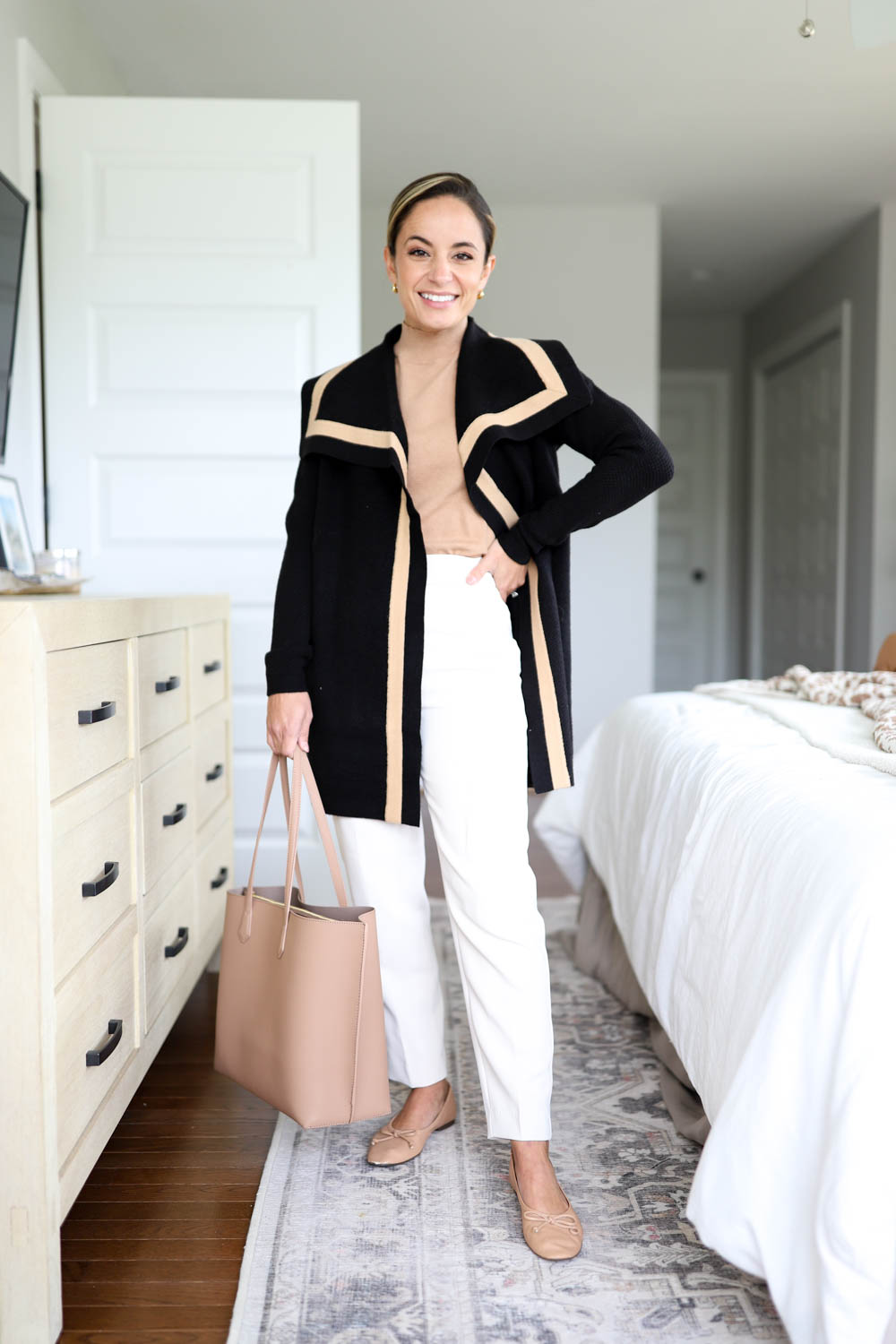
Blouse And Cardigan
Start with a silk or cotton blouse. Add a cardigan in a neutral shade. This is comfortable and easy to remove if the office gets warm.
Pro tip: Choose cardigans with subtle details, like small buttons or ribbed edges, for a more tailored look.
Blazer Over Top
A fitted blazer instantly makes any outfit more professional. Wear it over a blouse or a shell top. Try a single-button or cropped style for a modern touch.
Sweater Dresses
Sweater dresses are cozy and stylish. Layer a thin turtleneck underneath, or add a blazer on top. Pair with ankle boots or simple flats.
Non-obvious insight: Avoid chunky knits—they can overwhelm your silhouette and look informal.
Vest Layering
Long vests are trending. They add structure and warmth without hiding your base layer. Wear a vest over a blouse and slim pants.
Mixing Textures
Mixing textures is key. Combine silk, wool, and cotton for depth. For example, silk blouse, wool cardigan, and cotton trousers.
Footwear
Choose pointed flats, low block heels, or ankle boots. Avoid sandals or overly high heels.
Example Outfit
- Base: White silk blouse
- Mid: Beige wool cardigan
- Outer: Charcoal single-button blazer
- Pants: Black tailored trousers
- Shoes: Nude pointed flats
This outfit works for presentations, meetings, or regular office days.
Layering For Different Seasons
Adapting your layering to the season is essential. Let’s explore how to stay comfortable and stylish all year.
Spring
Spring is unpredictable. Use light layers:
- Cotton shirts
- Thin sweaters or cardigans
- Lightweight blazers
Tip: Keep a scarf handy for chilly mornings.
Summer
Focus on breathability:
- Linen shirts
- Sleeveless blouses
- Unlined blazers
Avoid heavy fabrics. If your office is air-conditioned, add a cotton cardigan.
Fall
Fall is ideal for layering:
- Wool sweaters
- Long-sleeve shirts
- Tweed blazers
Add a vest for extra warmth.
Winter
Winter requires more insulation:
- Thermal undershirts
- Heavy wool sweaters
- Structured blazers or coats
Non-obvious insight: You can use a thin turtleneck as a base layer under a shirt for warmth without bulk.
Weather Adaptation Table
Here’s a helpful comparison:
| Season | Best Layers | Common Mistake |
|---|---|---|
| Spring | Light shirts, cardigans, blazers | Using heavy knits too early |
| Summer | Linen, cotton, sleeveless tops | Wearing lined jackets |
| Fall | Wool, tweed, layered shirts | Ignoring temperature drops |
| Winter | Thermals, wool sweaters, coats | Over-layering and restricting movement |
Coordinating Layered Outfits
Layering is not just about warmth. It’s about creating a visually appealing outfit. Here’s how to coordinate:
Balancing Proportions
Don’t let one layer overwhelm the others. For example, avoid a long, bulky sweater under a short blazer.
Tip: If your base layer is loose, keep your mid and outer layers more fitted.
Matching Patterns
If you use patterns, stick to one patterned layer. The others should be solid colors.
Example: Striped shirt, solid sweater, solid blazer.
Accessorizing
A scarf or watch can add sophistication. But keep it simple—too many accessories distract from your layered look.
Layering For Body Types
Adjust layering for your body shape:
- Tall: Long vests and cardigans work well.
- Petite: Shorter blazers and cropped sweaters prevent overwhelm.
- Curvy: Use structured layers to define your silhouette.
Layer Coordination Table
Here’s a quick comparison:
| Body Type | Best Layering Approach | Layer to Avoid |
|---|---|---|
| Tall | Long cardigans, vests | Short, boxy sweaters |
| Petite | Cropped jackets, fitted tops | Bulky knits, long coats |
| Curvy | Structured blazers, wrap cardigans | Loose, shapeless outer layers |
Mistakes To Avoid When Layering Business Casual
Even experienced professionals make layering mistakes. Here are the most common ones—and how to avoid them.
- Bulky Layers: Wearing thick sweaters under tight blazers looks messy and feels uncomfortable.
- Clashing Colors: Mixing too many bold colors creates visual confusion.
- Ignoring Fit: Layers should fit well together. Try outfits on before buying.
- Over-accessorizing: Too many accessories distract from your polished look.
- Neglecting Comfort: Prioritize movement and breathability.
- Wrong Fabrics: Avoid synthetic fabrics that trap heat.
- Mixing Formal and Casual: Don’t combine a formal blazer with casual jeans unless the environment allows it.
- Forgetting the Shoes: Shoes should match the formality of your layered outfit.
- Not Adapting to Weather: Layers must suit the season and office temperature.
- Ignoring Personal Style: Layering should reflect your personality.
Non-obvious insight: Many people forget to check how their outfit looks when one layer is removed. Always try your base and mid layers alone to ensure they look professional.

Credit: petermanningnyc.com
Real Data: Business Casual Layering Trends
Layering has become more popular in business casual offices. According to a survey by the National Retail Federation:
- Over 60% of office workers say they use layering to adapt to temperature changes.
- 45% prefer neutral colors for their layers.
- 35% report choosing cardigans or vests as their favorite mid layer.
Women are more likely to experiment with layering than men, but men are catching up. The trend is moving toward comfortable, mix-and-match pieces that work in different settings.
Layering For Remote Work And Hybrid Offices
Remote work changed how people dress. But even at home, layering is useful.
- Video Calls: Wear a smart base layer and add a blazer or cardigan for meetings.
- Temperature Control: Offices at home can be cold or hot, so layers help.
- Quick Changes: Layered outfits allow you to switch from casual to business quickly.
Pro tip: Keep a blazer or sweater near your workspace for instant upgrades.

Credit: puttingmetogether.com
Layering For Business Travel
Travel adds extra challenges to business casual layering. You need to pack light but look polished.
- Choose versatile pieces—neutral colors, easy to mix.
- Use wrinkle-resistant fabrics like polyester blends.
- Layer for changing climates—airports, planes, and hotels.
Example travel outfit:
- Base: White dress shirt
- Mid: Navy merino wool sweater
- Outer: Gray unlined blazer
- Pants: Black chinos
- Shoes: Black loafers
This combination covers most business travel scenarios.
Layering For Plus-size And Petite Professionals
Finding good layers can be harder for plus-size or petite people. Here’s how to overcome common challenges:
Plus-size
- Choose structured blazers to define shape.
- Use vertical lines (like open cardigans) to elongate the body.
- Avoid overly tight or oversized layers.
Petite
- Pick cropped jackets and sweaters.
- Avoid long, bulky layers.
- Use high-waisted pants to balance proportions.
Non-obvious insight: Tailoring is worth the investment. A well-fitted blazer or cardigan transforms your look.
Caring For Layered Business Casual Pieces
Layered outfits require more care. Here’s how to keep your clothes looking their best:
- Follow washing instructions on each item.
- Dry sweaters flat to prevent stretching.
- Use gentle detergent for wool and silk.
- Hang blazers and jackets on sturdy hangers.
- Iron shirts and blouses for crispness.
Tip: Rotate layers—wearing the same sweater daily causes wear and tear.
How To Build A Business Casual Layering Wardrobe
Building a wardrobe for layering takes planning. Here’s a simple guide:
- Start with basics: Buy 3–5 shirts/blouses, 2–3 sweaters/cardigans, 1–2 blazers.
- Add mid layers: Vests, lightweight pullovers.
- Choose outer layers: Blazers, jackets, coats.
- Pick neutral colors: Navy, gray, beige, black.
- Add one accent color: For personality.
- Buy versatile shoes: Loafers, flats, boots.
- Accessorize lightly: Scarves, belts, watches.
Pro tip: Quality over quantity. It’s better to have fewer, well-made layers than many cheap ones.
Practical Layering Examples For Different Scenarios
Let’s look at real-world scenarios and how to layer effectively.
Presentation Day
- Men: White dress shirt, navy sweater, gray blazer, dark trousers, black loafers.
- Women: Light blue blouse, beige cardigan, navy blazer, black skirt, nude heels.
Casual Friday
- Men: Polo shirt, gray cotton sweater, lightweight bomber jacket, khaki chinos, white sneakers.
- Women: Striped blouse, open-front cardigan, denim jacket, navy trousers, ballet flats.
Cold Office
- Men: Turtleneck, wool vest, tweed blazer, wool trousers, brown boots.
- Women: Silk shell top, cashmere sweater, long vest, tailored pants, ankle boots.
After-work Dinner
- Men: Printed shirt, slim-fit sweater, tailored sport coat, dark jeans, leather shoes.
- Women: Patterned blouse, wrap cardigan, single-button blazer, black pants, block heels.
Layering For Different Age Groups
Layering works for all ages, but preferences change.
Young Professionals
- Choose modern fits and bold accents.
- Try cropped blazers, slim sweaters, patterned shirts.
Mid-career Professionals
- Stick to classic layers, subtle patterns.
- Invest in quality blazers and shoes.
Senior Professionals
- Prioritize comfort and elegance.
- Use lightweight sweaters, structured blazers, and classic colors.
The Role Of Sustainability In Business Casual Layering
Sustainable fashion is rising. Choose quality over fast fashion.
- Buy fewer, better-made items.
- Use natural fibers (wool, cotton, linen).
- Avoid polyester blends if possible.
Non-obvious insight: Sustainable layers last longer and look better over time.
For more on sustainable fashion, visit Common Objective.
Frequently Asked Questions
What Is The Best Way To Layer Business Casual For Unpredictable Weather?
Use lightweight base layers and carry a mid layer like a cardigan or vest. Keep a blazer or jacket handy for sudden changes. Choose fabrics that breathe and dry quickly.
How Can I Avoid Looking Bulky When Layering?
Select thin materials for each layer, and make sure outer layers fit loosely. Avoid thick sweaters under fitted blazers. Try on all layers together before wearing.
Are Sweaters Appropriate In Business Casual Layering?
Yes, sweaters (crew neck, V-neck, cardigans) are perfect as mid layers. Stick to neutral colors and avoid chunky knits or hooded styles.
What Colors Work Best For Layered Business Casual Outfits?
Neutral colors like navy, gray, black, beige, and white are safe. Add one accent color for interest. Avoid mixing too many colors at once.
Can I Wear Jeans In A Layered Business Casual Outfit?
It depends on your workplace. If jeans are allowed, choose dark, well-fitted styles and pair with a blazer or sweater. Avoid ripped or faded jeans.
Layering business casual is about balance. It helps you look sharp, adapt to different temperatures, and show your personality. With the right pieces, smart layering, and a focus on comfort and fit, you can create outfits that work for any office, meeting, or event.
Whether you’re starting your wardrobe or refining your style, these tips will help you master business casual layering and feel confident every day.
Credit: pumpsandpushups.com
