

What is Business Casual Dress Men: A Complete Style Guide
What Is Business Casual Dress Men
Finding the right balance between professional and relaxed can be confusing for many men. The term “business casual” is everywhere, but what does it really mean for men’s clothing? It’s not as simple as wearing a suit without a tie, nor is it just about swapping dress shoes for sneakers.
If you’ve ever felt unsure about what to wear to the office, a conference, or a casual Friday, you’re not alone. The rules for business casual dress for men are often unclear and change depending on the company, industry, and even the weather.
This guide will help you understand what business casual dress means, how to build a versatile wardrobe, and how to look your best while feeling comfortable.
Understanding Business Casual For Men
The phrase business casual is a dress code that blends traditional business wear with a more relaxed style. It is less formal than a full business suit, but still neat, professional, and appropriate for a work environment. The confusion often comes from the fact that business casual is not a strict set of rules—it is more a set of guidelines that can vary.
The Origins Of Business Casual
Business casual started to appear in the workplace as companies shifted away from rigid, formal dress codes. This trend grew with the rise of technology companies and creative industries, where a relaxed environment encouraged more comfortable attire. While the exact definition is flexible, the goal is always the same: to look put-together without being overdressed.
Key Features Of Business Casual
- No full suits required
- Dress shirts or collared shirts
- Dress pants or chinos
- Leather shoes or loafers
- Optional blazer or sport coat
- No tie needed (but sometimes allowed)
The main idea is to be ready for professional interactions but in a more approachable and comfortable way.
Core Elements Of Business Casual Dress
Understanding what pieces make up a business casual wardrobe is the first step. Here’s a breakdown of the essential items and how to choose them.
Shirts
A good shirt is the foundation of business casual. The most common choices are button-down shirts and polo shirts.
- Button-down shirts: Usually in solid colors or subtle patterns like stripes or checks. Stick to cotton or blends that look crisp. Avoid shirts that are too bold or casual, like Hawaiian prints.
- Polo shirts: In some offices, a high-quality polo shirt is acceptable, especially in warm weather. Choose polos made from cotton with a structured collar.
- No T-shirts: Even a plain T-shirt is too casual for business casual environments.
Pants
Your choice of pants can make or break your business casual look.
- Chinos: Versatile, comfortable, and available in many colors. Navy, gray, and khaki are safe choices.
- Dress pants: Trousers with a tailored fit in wool or blends work well. Black, charcoal, or dark blue are classic.
- No jeans: Most business casual offices do not allow jeans, even dark ones, unless stated otherwise.
Shoes
Footwear should be clean and professional but not as formal as dress shoes for suits.
- Loafers: Classic, comfortable, and easy to wear.
- Derby shoes or Oxfords: Less formal versions work well.
- Brogues or monk straps: Good for adding personality.
- No sneakers or sandals: These are too casual for most offices.
Jackets And Layers
Adding a layer can elevate your look and keep you ready for meetings.
- Blazer or sport coat: Choose one that is not part of a suit set. Navy, gray, or patterned options are best.
- Sweaters: V-neck or crew-neck sweaters over a collared shirt work well.
- Cardigans: Can be worn over shirts for a relaxed but smart look.
Accessories
Simple accessories can complete your outfit without drawing too much attention.
- Leather belt: Should match your shoes.
- Watch: A classic watch is always a good choice.
- Socks: Avoid athletic socks; go for darker colors or subtle patterns.
Example Business Casual Outfit
Here is how a typical business casual outfit might look:
- Light blue button-down shirt
- Navy chinos
- Brown leather loafers
- Gray blazer (optional)
- Brown leather belt
- Classic watch
Each piece is comfortable but still communicates professionalism.
What Not To Wear: Common Mistakes
It’s easy to make errors when dressing business casual, especially if you’re new to the style. Here are some of the most common mistakes and how to avoid them.
- Wearing athletic shoes: Even clean sneakers are usually too casual.
- Wearing jeans: Unless your company allows it, stick to dress pants or chinos.
- Untucked shirts: Always tuck in your shirt for a neater look.
- Bold patterns or loud colors: Stick to classic, subtle colors and patterns.
- Shorts or cargo pants: Never acceptable for business casual.
- Graphic tees or hoodies: These are not appropriate in a business setting.
- Worn-out shoes: Scuffed or old shoes can ruin an otherwise good outfit.
It’s better to be slightly overdressed than too casual when in doubt.
How Business Casual Varies By Industry And Region
Business casual is not the same everywhere. The expectations can change depending on your industry, location, and even the specific company.
Industry Differences
- Finance and Law: More formal, often closer to traditional business attire. Suits without ties or dress shirts with trousers are common.
- Tech and Creative: More relaxed. Polos, colorful chinos, and even clean sneakers might be acceptable.
- Education and Healthcare: Somewhere in the middle. Collared shirts and chinos are safe, but ties and jackets are often optional.
Regional Differences
The idea of business casual can feel different in New York compared to San Francisco. In warmer climates, lighter fabrics and short sleeves might be allowed. In conservative areas, darker colors and more formal looks are the norm.
Company Culture
Always observe what managers and colleagues wear, and ask HR for a dress code document if you’re unsure. Some companies allow jeans on Fridays, while others expect business casual every day.
Business Casual Vs Other Dress Codes
To better understand business casual, it helps to compare it with other common dress codes. Here’s a side-by-side look:
| Dress Code | Shirts | Pants | Shoes | Jacket | Tie |
|---|---|---|---|---|---|
| Business Formal | Dress shirt | Suit trousers | Oxfords/Derby | Suit jacket | Required |
| Business Casual | Button-down/Polo | Chinos/Dress pants | Loafers/Brogues | Optional | Optional |
| Smart Casual | Polo/Oxford | Chinos/Neat jeans | Loafers/Clean sneakers | Optional | No |
| Casual | T-shirt/Polo | Jeans/Shorts | Sneakers/Sandals | No | No |
This comparison helps you see where business casual fits and how it differs from other workplace styles.
Building A Business Casual Wardrobe
You don’t need to spend a fortune to look great in business casual. With a few smart investments, you can create many different outfits from a small number of pieces.
Essential Wardrobe Pieces
Let’s look at the key items every man should own for business casual dressing:
- 3–4 button-down shirts in different colors (white, light blue, soft pink, striped)
- 2–3 pairs of chinos (navy, khaki, gray)
- 2 pairs of dress pants (charcoal, black)
- 2 blazers or sport coats (navy, gray, or patterned)
- 2–3 sweaters (v-neck, crew neck, or cardigan)
- 2 pairs of leather shoes (brown and black)
- Leather belt (matching your shoes)
- Classic watch (simple, not flashy)
- 3–4 pairs of dark socks
How To Mix And Match
With just these basics, you can create many different looks. For example:
- Navy chinos + white shirt + brown loafers
- Gray dress pants + blue shirt + black shoes
- Khaki chinos + striped shirt + navy blazer
Changing just one element—a different shirt, a sweater instead of a jacket—can make your outfit feel new.
Practical Tips For Shopping
- Quality over quantity: It’s better to have a few well-fitting pieces than many poor-quality ones.
- Fit is key: Clothes that fit well always look more professional.
- Choose neutral colors: They’re easier to combine and don’t go out of style.
- Easy care fabrics: Look for shirts and pants that are wrinkle-resistant for less maintenance.
Dressing For The Season: Business Casual Year-round
What works in summer might not work in winter. Here’s how to adjust your wardrobe throughout the year.
Spring And Summer
- Lighter fabrics: Choose cotton, linen blends, or light wool.
- Light colors: White, light blue, and pastel shirts are cooler.
- No heavy layers: Skip the blazer if it’s very hot, but keep a sweater handy for air-conditioned offices.
- Loafers or breathable shoes: Consider lighter leather or suede.
Fall And Winter
- Heavier fabrics: Wool pants, flannel shirts, and thicker blazers.
- Darker colors: Navy, charcoal, and brown feel season-appropriate.
- Layers: Sweaters under jackets, scarves, and thicker socks.
- Boots: Leather dress boots can be appropriate if clean and polished.
Weather-specific Advice
Always check the weather and adjust. In rainy climates, keep an umbrella and wear shoes that can handle water. In humid areas, avoid synthetic fabrics that trap heat.
Business Casual For Different Body Types
Not every style works for every man. Your body shape should guide your choices to help you look your best.
Slim Build
- Choose shirts with some structure and avoid overly tight fits.
- Layering (like a sweater over a shirt) can add bulk.
- Try patterned shirts or textured fabrics for more visual interest.
Athletic Build
- Opt for fitted shirts that show your shape without being too tight.
- Avoid pleated pants; flat-front styles look cleaner.
- Blazers with a slight taper will flatter your torso.
Larger Build
- Look for relaxed but not baggy fits.
- Darker colors and vertical stripes can be slimming.
- Avoid pants with cuffs, which can shorten the legs.
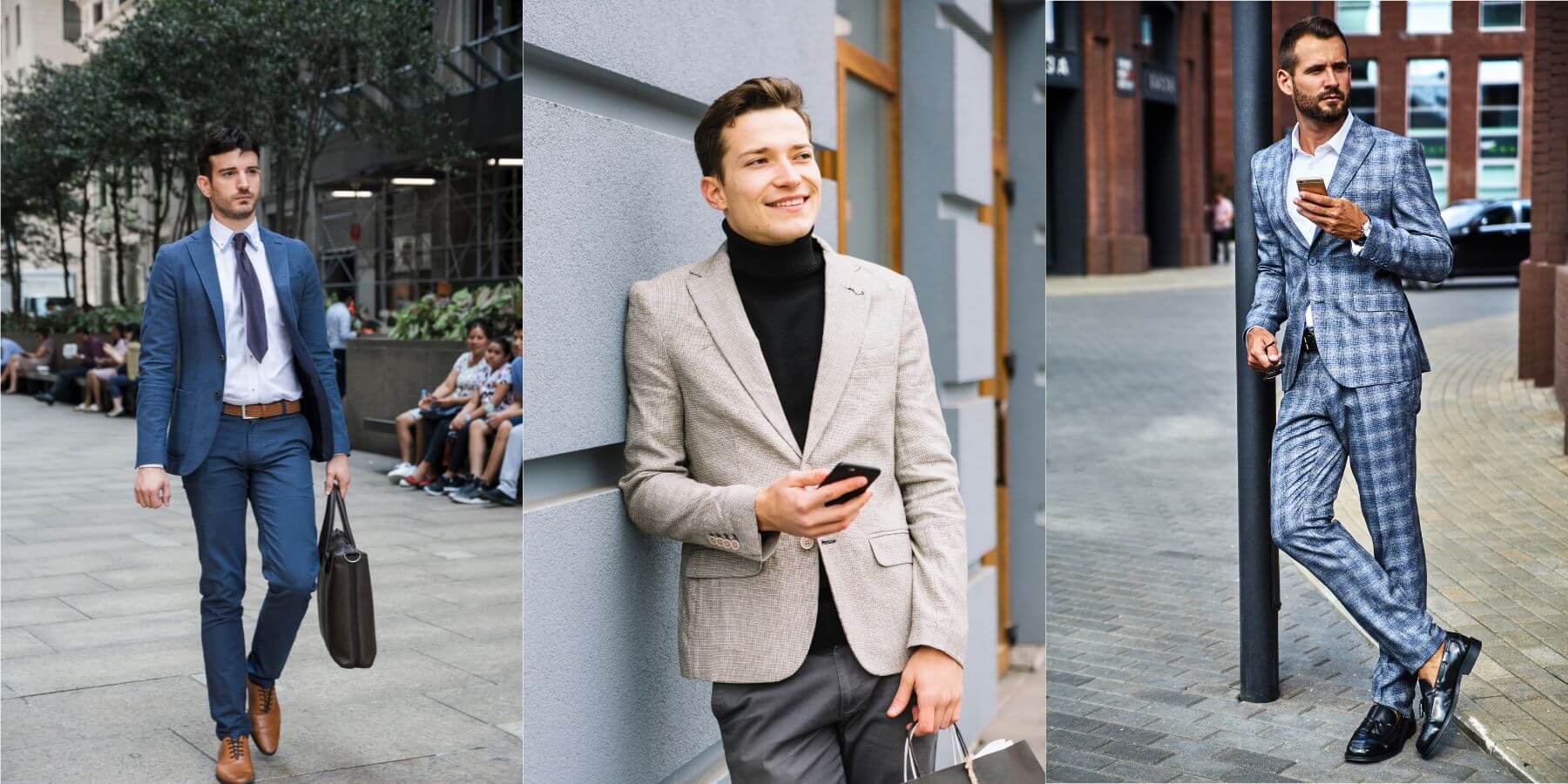
A tailor can help you get the right fit, which is especially important for jackets and pants.
Credit: frenchcrown.in
Grooming And Presentation
Business casual is not just about clothes. Your overall grooming and attention to detail matter just as much.
- Hair: Keep it neat and well-groomed.
- Facial hair: If you have a beard or mustache, keep it trimmed.
- Nails: Clean and clipped.
- Clothes: Always clean, ironed, and free of stains or wrinkles.
- Shoes: Polished and in good condition.
- No heavy cologne: A little is fine, but don’t overdo it.
These small details show that you care about your appearance and respect the workplace.
Business Casual In The Age Of Remote Work
Many people now work from home, but business casual still matters. Video calls and remote meetings mean your appearance is still on display.
- Wear a collared shirt for video meetings.
- Avoid anything you would not wear in the office, even if you are at home.
- Good grooming and neat backgrounds make a strong impression.
If you need to stand up or move during a call, make sure your whole outfit is appropriate—not just the top half!
Business Casual Outfits For Special Situations
Not all business casual situations are the same. Here are some scenarios and how to dress for them:
Casual Fridays
Some offices allow a more relaxed look on Fridays. This might mean:
- Dark, neat jeans (if allowed)
- Polo shirt or casual button-down
- Loafers or clean sneakers (if office allows)
Business Casual Events
For networking events, after-work gatherings, or conferences, dress slightly more formal than the most casual option. A blazer or sport coat is a safe choice.
Client Meetings
Even if your office is relaxed, dress up a bit when meeting clients. A blazer and dress shoes show professionalism and respect.
Data And Statistics: Business Casual Trends
Business casual is now the most common dress code in the US. According to a recent survey by SHRM, about 50% of American offices use a business casual dress code. In tech and creative industries, the percentage is even higher.
A study by OfficeTeam found that 80% of managers believe dressing appropriately affects an employee’s chances of promotion. This shows that how you dress can have a real impact on your career.
How To Transition To Business Casual
If you’re used to wearing suits, switching to business casual can feel strange at first. Here’s how to make the change smoothly:
- Start with your best-fitting dress shirts and trousers.
- Gradually add chinos and blazers in more relaxed fabrics.
- Experiment with polos or sweaters on less formal days.
- Watch what others wear and adjust your style to fit the office culture.
- Don’t rush to buy everything new—build your wardrobe slowly and wisely.
Advanced Tips: Subtle Style Upgrades
Once you’re comfortable with business casual basics, you can add small touches to stand out.
- Try a pocket square with your blazer.
- Add a tie in a fun pattern for special days.
- Wear unique socks in subtle colors or patterns.
- Choose shirts with interesting textures, like oxford cloth or light flannel.
But remember: simplicity and neatness always come first.
Real-life Examples: What Men Wear To Work
Let’s look at some real-life combinations that work for business casual:
- Creative Agency Employee
- Patterned button-down shirt, olive chinos, brown suede loafers, navy cardigan.
- Tech Startup Manager
- Light gray polo shirt, navy chinos, white low-profile sneakers (office-approved), black leather watch.
- Law Firm Associate
- White dress shirt, charcoal dress pants, black leather Oxfords, dark blue blazer.
- University Administrator
- Blue check shirt, tan chinos, brown brogues, beige v-neck sweater.
- Sales Representative
- Pink oxford shirt, navy dress pants, brown monk strap shoes, patterned belt.
Each of these outfits is business casual, but matches the company culture and personal style.
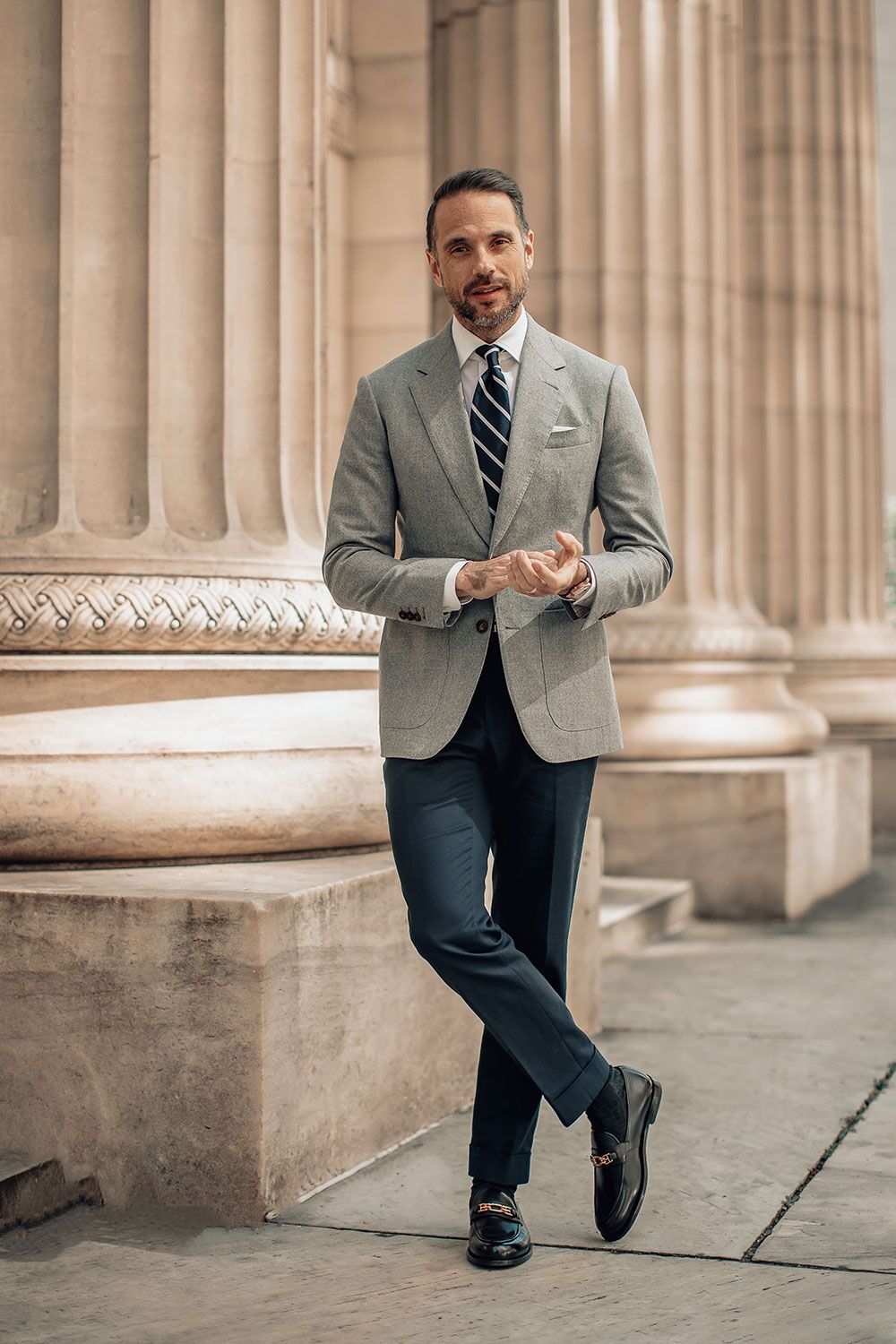
Table: Example Business Casual Wardrobe Capsule
Here’s how you can build a capsule wardrobe for two weeks without repeating the same outfit.
| Item | Quantity | Recommended Colors |
|---|---|---|
| Button-down Shirts | 4 | White, blue, striped, pink |
| Polo Shirts | 2 | Navy, gray |
| Chinos | 3 | Navy, khaki, olive |
| Dress Pants | 2 | Charcoal, black |
| Blazer/Sport Coat | 2 | Navy, gray |
| Sweaters | 2 | Gray, beige |
| Dress Shoes | 2 | Brown, black |
| Belt | 2 | Brown, black |
With these items, you can mix and match to create many unique looks.
Credit: hespokestyle.com
Non-obvious Insights: What Most Beginners Miss
- Fit is more important than brand: Many men focus on buying expensive brands, but a well-fitting shirt from a budget store looks better than a poorly-fitting designer piece.
- Wrinkle-free clothes matter: Even high-quality clothes look bad if wrinkled. Invest in a good iron or steamer.
- The power of color coordination: Learning a few basics about color matching (for example, brown shoes go well with navy or khaki pants) helps you look polished with little effort.
- Seasonal fabrics: Lightweight wool or cotton works best in most climates, but linen can be great for summer if your office allows it.
Frequently Asked Questions
What Is The Difference Between Business Casual And Smart Casual For Men?
Business casual is a bit more formal than smart casual. In business casual, you usually wear dress pants or chinos with a collared shirt, and sometimes a blazer. Smart casual can include neat jeans, more colorful shirts, and clean sneakers.
Business casual avoids jeans and sneakers unless your company allows them.
Are Jeans Ever Acceptable In Business Casual?
Generally, jeans are not considered business casual unless your workplace says it’s allowed. If jeans are allowed, pick dark, neat jeans with no rips or fading. Always pair them with a collared shirt and smart shoes to keep the look professional.

Credit: www.hockerty.com
Can You Wear Sneakers With Business Casual?
Sneakers are usually too casual for business casual dress. Some modern offices accept clean, low-profile sneakers, but traditional business casual means leather shoes, loafers, or dress boots. If in doubt, avoid sneakers.
Do You Need To Wear A Tie With Business Casual?
A tie is not required for business casual, but you can add one for a more formal touch. Most business casual outfits work well without a tie, especially if you have a good shirt and blazer.
How Can You Tell If Your Outfit Is Business Casual Enough?
Ask yourself if you would feel comfortable meeting a client or your boss in your outfit. If yes, it’s probably business casual. The clothes should look neat, professional, and not too relaxed. If you’re unsure, it’s better to dress up slightly rather than be underdressed.
Looking good at work is about confidence, comfort, and respect for your environment. Business casual lets you show your personality while staying professional. With a few quality pieces and attention to detail, you’ll always be ready for whatever the workday brings.
For more on modern workplace dress codes, visit Wikipedia.
