

Business Casual Clothes Men Winter: Stay Stylish and Warm
Business Casual Clothes Men Winter
Finding the right business casual clothes for men in winter can be tricky. You want to stay warm, but you also need to look professional. Many men wonder if they have to choose between comfort and style during the cold months. The truth is, you can have both. This article will help you build a smart winter wardrobe for business casual offices, giving you practical advice, useful comparisons, and real-life examples. Whether you work in a modern tech company or a traditional office, you’ll learn how to dress well and feel confident from December to March.
What Is Business Casual For Men In Winter?
Business casual is a popular dress code in many workplaces. It means you don’t have to wear a full suit, but you should still look polished. Winter business casual outfits add extra layers to stay warm, but they keep the clean lines and neat appearance of professional clothing.
A typical winter business casual outfit includes:
- A collared shirt
- Warm sweater or cardigan
- Dress pants or chinos
- Closed-toe shoes (like loafers or boots)
- Optional blazer or jacket
You can mix and match these pieces, but keep the colors neutral or subdued for a classic look. Avoid bright prints or sportswear unless your office is very relaxed.
Key Principles For Winter Business Casual
Layering For Warmth And Style
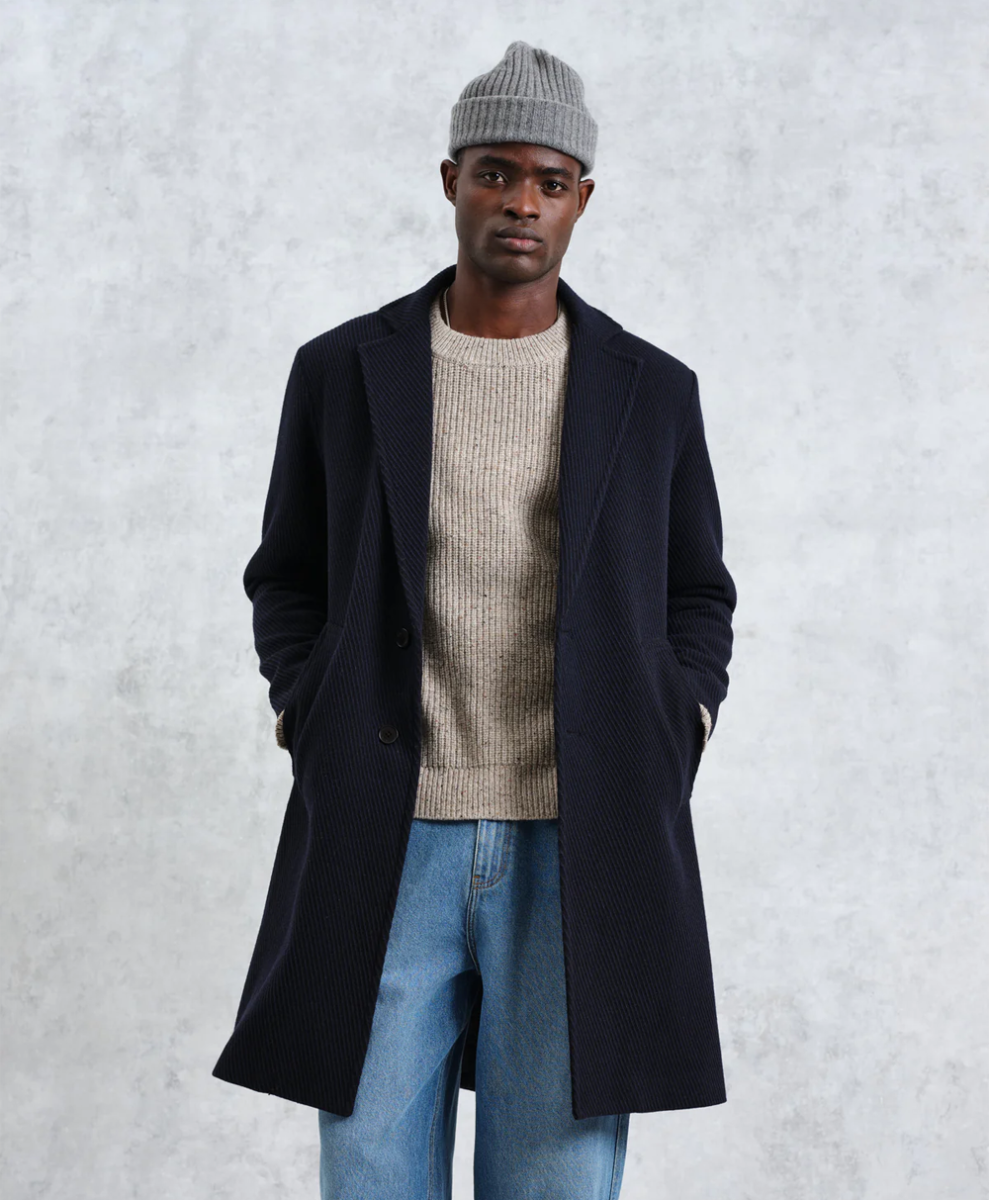
Layering is essential in winter. It keeps you warm and lets you adjust your outfit during the day. Start with a base layer like a cotton or merino wool shirt. Add a sweater or cardigan for insulation. Finish with a blazer, jacket, or coat when you head outside.
The best layers are:
- Shirts: Solid or subtle patterned button-downs
- Sweaters: Crewneck, V-neck, or turtleneck in wool or cashmere
- Blazers: Wool or tweed for extra warmth
- Coats: Overcoats or peacoats in dark colors
Make sure each layer fits well. Baggy clothes look sloppy, and tight layers are uncomfortable.
Choosing Winter Fabrics
Not all fabrics work well in winter. Some keep you warmer than others. Here’s a quick comparison of common winter fabrics:
| Fabric | Warmth | Comfort | Durability | Best Use |
|---|---|---|---|---|
| Wool | High | Soft | Strong | Sweaters, blazers, coats |
| Cashmere | Very High | Very soft | Medium | Sweaters, scarves |
| Cotton | Medium | Breathable | Strong | Shirts, pants |
| Polyester | Low | Variable | Very strong | Outer layers |
| Tweed | High | Stiff | Very strong | Blazers, jackets |
Wool and cashmere are excellent for winter. They trap heat, feel soft, and last for years if cared for properly. Tweed is also popular for blazers and jackets because it’s thick and durable.
Balancing Comfort And Professionalism
Winter clothes can easily become too casual if you’re not careful. Sweatshirts, hoodies, or athletic pants are usually not business casual. Instead, choose clothes that feel comfortable but look neat.
Examples:
- Sweaters: Go for plain or lightly patterned designs. Avoid bold graphics.
- Pants: Chinos or dress pants are best. Jeans are sometimes allowed, but only in dark colors and slim cuts.
- Shoes: Leather boots or loafers look professional and keep your feet warm.
Remember, fit is more important than price. Well-fitting clothes make you look sharp, even if they are affordable.
Credit: www.opumo.com
Essential Business Casual Pieces For Men (winter)
Building a good winter wardrobe starts with a few key items. These pieces mix well and work for most offices.
1. Dress Shirts
A dress shirt is the foundation. Stick to long sleeves in winter. Choose cotton or flannel for warmth. Solid colors like white, light blue, or gray are safe. Subtle stripes or checks are also acceptable.
Tips:
- Look for shirts with a slim fit or regular fit.
- Avoid shirts with short sleeves or flashy prints.
- Iron shirts for a crisp look.
2. Sweaters
Sweaters add warmth and style. The best options are:
- Crewneck: Simple and classic.
- V-neck: Works well over collared shirts.
- Turtleneck: Stylish for colder days.
- Cardigan: Easy to layer and remove.
Choose wool or cashmere if possible. Acrylic is cheaper but less warm.
3. Blazers And Sport Coats
A blazer or sport coat is perfect for winter. It adds structure and warmth. Wool, tweed, or herringbone fabrics are ideal. Dark colors like navy, charcoal, or brown are versatile.
You can wear a blazer with dress pants or chinos. Avoid shiny or lightweight fabrics.
4. Dress Pants And Chinos
Pants should be comfortable and warm. Dress pants (wool, flannel) or chinos (cotton twill) work well. Choose a straight or slim fit.
Colors:
- Navy
- Gray
- Black
- Khaki
If your office allows jeans, pick dark wash and no distressing.
5. Shoes And Boots
Winter shoes should be sturdy and professional. Leather boots, loafers, or derby shoes are best. Boots with rubber soles give extra grip in icy conditions.
Comparison of shoe types:
| Shoe Type | Warmth | Style Level | Weather Resistance | Best For |
|---|---|---|---|---|
| Leather Boots | High | Very professional | Good | Snow, cold |
| Loafers | Medium | Professional | Low | Dry days |
| Derby Shoes | Medium | Professional | Medium | Office |
| Dress Sneakers | Low | Semi-professional | Low | Casual offices |
6. Outerwear
Your coat is the first thing people see. Pick a classic style:
- Overcoat: Long, wool, worn over suits or blazers.
- Peacoat: Shorter, double-breasted, good for business casual.
- Puffer jacket: Only in very casual offices.
Stick to dark colors, and make sure the coat fits over your layers.
7. Accessories
Winter accessories can be stylish and practical. Examples:
- Scarves: Wool or cashmere, in solid or subtle patterns.
- Gloves: Leather or wool, avoid sporty designs.
- Hats: Flat caps or beanies (keep beanies plain and dark).
Avoid bright colors or logos. Accessories should complement your outfit, not distract from it.
How To Build A Winter Business Casual Wardrobe
You don’t need dozens of clothes. A capsule wardrobe lets you create many outfits with a few items. Here’s how to build one:
Step 1: Invest In Basics
Buy 3–5 shirts, 2–3 sweaters, 2 pairs of pants, and 1–2 blazers. Choose neutral colors for easy matching.
Step 2: Add Seasonal Layers
Pick one or two warm coats and several accessories. Make sure they mix well with your basics.
Step 3: Mix And Match
Try different combinations. For example:
- Blue shirt + gray sweater + navy chinos + black boots
- White shirt + brown cardigan + khaki pants + brown loafers
You can create 10–15 outfits from just 10 items.
Step 4: Maintain Clothes
Winter clothes need extra care. Wool and cashmere should be hand-washed or dry cleaned. Store sweaters folded, not hung, to avoid stretching.
Step 5: Upgrade When Needed
Replace worn-out items with better quality. Focus on fit and comfort.
Real-life Examples: Winter Business Casual Looks
Let’s see how these ideas work in daily life. Here are three sample outfits for different office settings.
Example 1: Classic Corporate Office
- Light blue dress shirt
- Charcoal wool V-neck sweater
- Navy wool blazer
- Gray dress pants
- Black leather boots
- Navy overcoat
- Gray scarf
This outfit is formal enough for meetings but keeps you warm.
Example 2: Modern Tech Company
- White cotton button-down
- Olive green cotton cardigan
- Slim-fit khaki chinos
- Brown leather loafers
- Charcoal peacoat
- Patterned wool scarf
This look is relaxed but still professional.
Example 3: Creative Agency
- Black turtleneck sweater
- Patterned tweed blazer
- Dark wash jeans (no rips)
- Chelsea boots
- Black wool coat
- Simple black beanie
Creative offices allow more style, but stay neat.
Common Mistakes And How To Avoid Them
Many men make mistakes with business casual in winter. Here’s what to watch out for:
- Wearing bulky sportswear (hoodies, sweatpants) to the office
- Choosing bright or flashy colors
- Ignoring fit (baggy or too tight layers)
- Using outerwear that looks too casual (puffer jackets, raincoats)
- Forgetting to care for wool or cashmere properly
- Not matching shoes with pants (brown shoes with black pants, etc.)
- Wearing worn-out or dirty clothes
To avoid these mistakes, check your outfit in the mirror before leaving home. Ask yourself: Does this look professional? Is it clean and neat? Does it fit well?

Credit: www.youtube.com
Comparing Winter Business Casual Vs. Other Dress Codes
It’s useful to see how winter business casual compares to other common office dress codes.
| Dress Code | Formality | Common Items | Winter Adjustments | Allowed Shoes |
|---|---|---|---|---|
| Formal | Very high | Suit, tie | Wool suits, overcoat | Oxfords, boots |
| Business Casual | Medium | Shirt, sweater, blazer | Wool sweaters, blazers, coats | Boots, loafers |
| Casual | Low | Jeans, T-shirt | Warm layers, casual jackets | Sneakers, boots |
Business casual is more flexible than formal, but still requires you to look professional.
How To Shop For Winter Business Casual Clothes
Shopping for winter clothes can be confusing. Here are practical tips:
1. Start With Fit
Try clothes on before buying. Shoulders, sleeves, and waist should fit well. If you shop online, check return policies.
2. Check Fabric Labels
Look for wool, cashmere, or cotton blends. Avoid cheap synthetics.
3. Pick Neutral Colors
Navy, gray, black, brown, and white are easy to match.
4. Compare Prices
Quality wool and cashmere cost more but last longer. Discount stores and outlets often have good deals.
5. Avoid Overbuying
Buy only what you need. A few good pieces are better than many poor-quality items.
6. Ask For Tailoring
If pants or jackets don’t fit perfectly, get them tailored. Tailoring costs less than buying new clothes.

Credit: nilds.gov.ng
Non-obvious Insights: What Most Beginners Miss
- Layering doesn’t mean bulk: Many men think layering means wearing thick, heavy clothes. Actually, two thin layers (like a shirt plus a fine wool sweater) can be warmer and look sharper than one thick layer. Thin wool traps heat without adding bulk.
- Matching textures is key: It’s not just about color. Wool pants and tweed blazers mix well, but shiny synthetic jackets with wool sweaters look odd. Stick to similar textures for a balanced look.
- Shoes matter more than you think: Many men invest in good coats but forget about shoes. Shoes make a big difference in winter. Wet, cold feet ruin your day and make you look less professional.
- Accessories show attention to detail: A simple scarf or leather gloves can upgrade your outfit. But flashy accessories distract from your look.
- Dry cleaning is not always needed: Wool and cashmere can often be hand-washed at home. This saves money and keeps clothes fresh.
Winter Business Casual For Remote Work
Remote work changes how men dress in winter. You don’t need to wear full business casual at home, but video calls still require you to look professional.
Tips:
- Wear a collared shirt and sweater for video calls.
- Keep pants comfortable but neat (chinos, dark jeans).
- Have a blazer or cardigan ready for meetings.
- Avoid visible sportswear or pajamas.
Remote work lets you relax, but don’t look sloppy. You never know when you’ll need to show up on camera.
Cultural Differences In Winter Business Casual
Business casual varies by country and city. In large US cities, the style is often more formal. In smaller towns or creative offices, it’s more relaxed. Some cultures expect you to wear ties even in business casual. Others allow jeans and sneakers.
Ask your HR department or observe what colleagues wear. When in doubt, dress a bit more formally at first.
Sustainable Choices For Winter Business Casual
Sustainable fashion is growing. Many brands now offer eco-friendly wool and recycled fabrics. Buying high-quality clothes means you replace them less often, reducing waste.
Tips for sustainable winter business casual:
- Buy fewer, better items
- Choose natural fibers (wool, cotton)
- Avoid fast fashion
- Take care of your clothes to make them last
You can look professional and help the environment.
Frequently Asked Questions
What Is The Best Material For Business Casual Sweaters In Winter?
Wool is the best material for winter sweaters. It is warm, soft, and lasts a long time. Cashmere is even softer and warmer, but it costs more. Cotton is comfortable, but not as warm as wool. Acrylic sweaters are cheap, but less durable.
Can I Wear Jeans For Business Casual In Winter?
It depends on your office. Many business casual workplaces allow dark wash jeans with no rips or fading. Pair them with a blazer or sweater for a professional look. Avoid light colors, distressing, or baggy fits.
How Do I Care For Wool And Cashmere Clothes?
Hand-wash wool and cashmere sweaters in cold water with gentle detergent. Dry flat, don’t hang. For stubborn stains or deep cleaning, use dry cleaning. Store folded in a cool, dry place. Avoid moths by using cedar blocks.
Are Boots Acceptable For Business Casual?
Yes, leather boots are acceptable and practical for winter business casual. Pick simple styles in black or brown. Avoid hiking boots or boots with heavy laces. Chelsea boots and dress boots work well in most offices.
What Is A Capsule Wardrobe For Winter Business Casual?
A capsule wardrobe means owning a few essential pieces that mix and match easily. For winter business casual, this includes 3–5 shirts, 2–3 sweaters, 2 pairs of pants, 1–2 blazers, 1–2 coats, and several accessories. You can create many outfits from these basics.
---
Dressing well in winter for business casual doesn’t have to be hard. The right clothes keep you warm and stylish. Focus on fit, quality, and neutral colors. Mix and match layers, pay attention to shoes and accessories, and avoid common mistakes. With these tips, your winter business casual wardrobe will help you look professional and feel comfortable all season. For more ideas on business attire, check out Wikipedia.
