

Best Business Casual Attire Men: Top Outfits for a Sharp Look
Best Business Casual Attire Men
Looking sharp at work is more than just a good suit. Today, business casual attire is the new standard in many offices. But what does that really mean for men? It’s not always easy to find the right balance between professional and relaxed. Many men worry about being too formal or too casual. Sometimes, even a small mistake can make you stand out for the wrong reasons.
This guide will help you understand exactly what business casual means for men. You’ll learn the important pieces every wardrobe needs, how to combine them, and which mistakes to avoid. We’ll also look at how to adjust your style for different workplaces and climates.
With clear tips, real-world examples, and expert advice, you’ll feel confident each day you head to work.
What Is Business Casual For Men?
Business casual can be confusing because the definition changes from office to office. The main idea is to look professional but feel comfortable. You should be ready for meetings, but not look like you’re going to a formal event or a party.
Business casual usually means no full suits or ties, but also no T-shirts or ripped jeans. Think of it as the middle ground. You want to show respect for your workplace, but also look approachable.
Key features of business casual attire for men:
- Collared shirts (button-downs, polos)
- Dress pants or chinos
- Leather shoes (like loafers or brogues)
- Sweaters or blazers (optional, but add style)
- Simple accessories (watch, belt)
But the details matter. For example, dark jeans might be fine in some companies, while others expect dress trousers. Always check your company’s policy or notice what others wear.
Essential Pieces For Business Casual Wardrobe
Building a business casual wardrobe doesn’t mean you need dozens of clothes. You can create many looks with just a few smart choices. Here are the essentials every man should have:
1. Button-down Shirts
A button-down shirt is the foundation. Choose solid colors like white, light blue, or pale pink. Simple patterns (like stripes or small checks) are also safe.
- Material: 100% cotton is breathable and comfortable.
- Fit: Avoid shirts that are too baggy or too tight.
- Tip: Iron your shirt or use a steamer. Wrinkles look unprofessional.
2. Polo Shirts
On warmer days or in more relaxed offices, a polo shirt is a good choice. Stick to classic colors—navy, gray, or black.
- Avoid: Large logos or bright patterns.
- Pairing: Looks great with chinos or tailored trousers.
3. Dress Pants And Chinos
You’ll need a few pairs of dress pants and chinos. These are versatile and work with almost any shirt.
- Colors: Start with navy, gray, and beige.
- Material: Choose wrinkle-resistant fabric for all-day polish.
- Pro tip: Try a slim (not skinny) fit. It’s modern but still professional.
4. Blazers And Sport Coats
A blazer adds structure to your look. It’s perfect for important meetings or client visits.
- Color: Navy or charcoal are most flexible.
- Fabric: Lightweight wool or cotton for year-round wear.
- Difference: A blazer is more formal; a sport coat is casual. Both can work, depending on your office.
5. Sweaters And Cardigans
Layering is smart and stylish. A fine-knit sweater or cardigan over a shirt looks sharp.
- Colors: Stick to solid, neutral shades.
- Neck: V-neck and crew neck are both good. V-neck works well with a collared shirt.
- Avoid: Bulky knits—they look too casual.
6. Dress Shoes
The right shoes can make or break your outfit. Classic choices include:
- Loafers
- Oxfords
- Derby shoes
- Brogues
Choose brown or black leather. Polish your shoes often. Worn shoes can ruin an otherwise great look.
7. Belts And Accessories
Match your belt color to your shoes. Add a simple watch or a leather strap bag. Skip flashy rings, big chains, or anything too bold.
8. Socks
This detail is often missed. Wear dark, solid socks or subtle patterns. White sports socks are never business casual.
How To Build Outfits For Different Situations
Understanding the basics is just the start. You also need to know how to mix and match pieces for different events or climates. Here’s how you can build practical business casual outfits:
For The Office
- Navy dress pants + light blue button-down + brown loafers
- Beige chinos + white polo + gray sweater + black derby shoes
For Meetings Or Presentations
- Charcoal trousers + white button-down + navy blazer + black oxfords
- Navy dress pants + pale pink shirt + gray sport coat + brown brogues
For Casual Fridays
- Dark chinos + striped button-down + casual loafers
- Gray dress pants + black polo + navy cardigan + brown loafers
For Warm Weather
Choose lighter fabrics:
- Cotton shirts
- Linen-blend trousers
- Skip the blazer or choose an unlined version
For Cold Weather
Layer smartly:
- Add a thin sweater under your blazer
- Wear wool trousers
- Try a smart overcoat for commutes
Non-obvious tip: Many men forget that fit can change with the season. Try on your layers before heading out—tight sleeves or too much bulk can make you look sloppy.
Comparing Business Casual To Other Dress Codes
To understand where business casual fits, let’s look at how it compares to formal and casual styles:
| Dress Code | Key Clothing | Allowed Shoes | Tie Required? |
|---|---|---|---|
| Formal Business | Suit, dress shirt | Oxfords, Derbies | Yes |
| Business Casual | Shirt, chinos, blazer | Loafers, Brogues | No |
| Casual | Jeans, polo, T-shirt | Sneakers, casual loafers | No |
Insight: If you’re unsure, it’s always better to be slightly more formal. You can remove a blazer if you feel overdressed, but you can’t add a tie or formal shoes if you didn’t bring them.

Credit: www.gq.com
Common Mistakes Men Make With Business Casual
Even experienced professionals can get business casual wrong. Here are mistakes to watch for:
- Too casual: Sneakers, graphic T-shirts, or distressed jeans don’t belong.
- Too formal: A full suit and tie is not business casual.
- Ignoring fit: Clothes that are too loose or tight look unprofessional.
- Dirty or wrinkled clothes: Even expensive items look bad if not cared for.
- Poor shoe choice: Casual shoes or sandals send the wrong message.
- Bright colors or bold patterns: Keep it simple and classic.
- Forgetting grooming: Clean hair, nails, and neat facial hair matter as much as your clothes.
Non-obvious tip: Many men choose clothes that are technically “business casual” but look outdated—oversized shirts, wide pants, or 90s-era ties. Modern cuts and fits are important, even for basic items.
How To Choose Quality Business Casual Clothes
Quality matters more than quantity. Here’s how to pick pieces that last and look great:
Fabric
- Cotton: Breathable and comfortable. Good for shirts, chinos.
- Wool: Keeps shape, works for pants and blazers.
- Linen: Cool for summer, but wrinkles easily.
Construction
- Check the stitching—tight and even is best.
- Try a “pull test” on seams in the store. If you hear a pop, it’s not well-made.
- Buttons should be firmly attached.
Fit
- Shoulders of shirts and blazers must fit snugly, not droop.
- Pants should break just above your shoes, not bunch up.
- Sleeves should stop at the wrist bone.
Care
Check the labels. Some items need dry cleaning, others can be washed at home. Choose easy-care fabrics if you’re busy.
Where To Shop
- Department stores often have business casual sections.
- Specialty menswear shops can help with sizing.
- Online brands offer good value, but know your measurements.
Pro tip: Don’t buy everything at once. Start with basics, then add new pieces over time as you see what works for you.
Business Casual For Different Body Types
A good fit looks different on every man. Here’s how to adapt business casual for your shape:
Slim Men
- Choose shirts with a tailored cut.
- Avoid very skinny ties or pants.
- Layer with a sweater or blazer for more presence.
Athletic Men
- Look for shirts with extra room in the shoulders and chest.
- Avoid “slim” pants if you have large thighs—try “straight” or “athletic” fit.
- Stretch fabrics can add comfort.
Bigger Men
- Go for darker colors on top and bottom.
- Avoid baggy clothes—they add bulk.
- V-neck sweaters and blazers can slim your look.
Tall Men
- Make sure sleeves and pants are long enough.
- Patterns or layers can break up your height.
Short Men
- Choose pants with little or no break.
- Avoid oversized shirts or jackets.
- Monochrome outfits (one color head-to-toe) can add visual height.
Non-obvious insight: A good tailor can fix most fit issues. Even affordable clothes look high-end if they fit perfectly.
Seasonal Business Casual Tips
Dressing well means adjusting for the weather. Here’s how to stay comfortable and stylish all year:
Spring/summer
- Lightweight fabrics like cotton, linen, and seersucker.
- Lighter colors reflect heat (beige, light gray).
- Avoid heavy layering.
- Try unlined blazers for breathability.
Fall/winter
- Wool or cashmere sweaters.
- Thicker chinos or dress pants.
- Darker colors (navy, charcoal, olive).
- Layer with cardigans or vests.
Tip: Invest in a smart overcoat. It keeps you warm and looks better than a casual jacket.
Accessories That Elevate Business Casual
Small details can make your look stand out. Here’s what to consider:
Watches
A simple analog watch (metal or leather strap) adds style. Avoid digital or sporty watches.
Belts
Match your belt to your shoes. Black with black, brown with brown.
Bags
A leather briefcase or messenger bag looks professional. Backpacks are usually too casual unless they’re leather or very sleek.
Ties (optional)
You can wear a tie if you want, but choose simple designs—no bright colors or cartoon prints.
Pocket Squares
A white or subtle patterned pocket square adds polish if you wear a blazer.
Expert advice: Don’t overdo accessories. One or two well-chosen items are enough.
Business Casual For Special Situations
Some events or days call for small changes in your usual business casual style.
Job Interviews
Most offices expect business casual, but it’s smart to dress a bit more formally for interviews. Add a blazer and choose darker, more conservative colors.
After-work Events
You can lose the blazer or switch to a patterned shirt for a relaxed look. Dark jeans may be okay in these settings but check first.
Travel
Choose wrinkle-resistant fabrics and comfortable shoes. A smart sweater or unstructured blazer is perfect for flights or train rides.
Hot Climates
Stick with linen or lightweight cotton. Short sleeves are fine if they’re tailored. Avoid shorts unless your office allows them.
Cold Climates
Layering is key. A thin, warm undershirt or merino wool sweater can add heat without bulk.
Real-world Examples: Business Casual Outfit Ideas
Here are a few outfit ideas using the essentials discussed earlier:
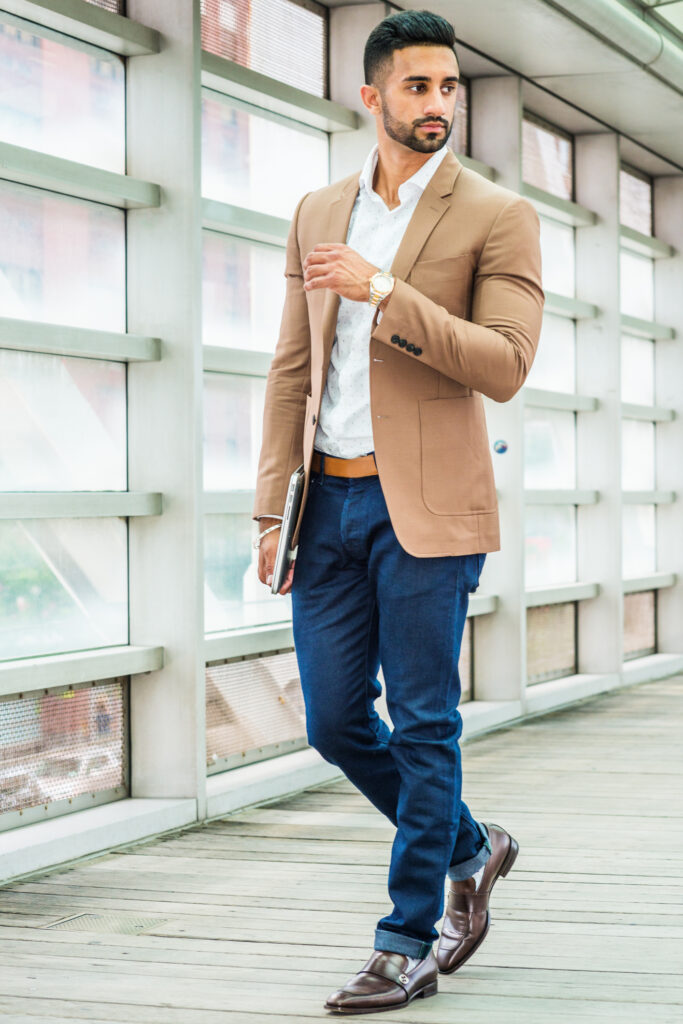
- Light gray chinos, navy button-down shirt, brown loafers, leather belt
- Navy dress pants, pale blue shirt, gray cardigan, black derby shoes
- Beige chinos, white polo, navy unstructured blazer, brown brogues
- Charcoal wool trousers, striped button-down, navy blazer, black oxfords
- Olive chinos, light blue shirt, tan sweater, brown loafers
Mix and match these pieces to create more looks. The key is to keep everything clean, well-fitted, and simple.
How Business Casual Is Changing
Office dress codes keep evolving. In many industries, business casual is getting even more relaxed. Some tech companies allow T-shirts with smart jackets, or sneakers with dress pants.
But remember: It’s always better to start a little more formal. You can always relax your style once you understand your office culture.
Non-obvious insight: Watching what managers and top performers wear can give you clues. They often set the standard for what’s really expected.
Credit: petersclothiers.com
Quick Reference: Business Casual Dos And Don’ts
For a fast check, here’s what works—and what doesn’t:
| Do | Don't |
|---|---|
| Wear collared shirts | Wear T-shirts |
| Choose dress pants or chinos | Wear jeans with holes |
| Polish your shoes | Wear sneakers or sandals |
| Keep colors simple | Choose bright or neon colors |
| Layer with sweaters/blazers | Wear hoodies or sweatshirts |
Where To Find Business Casual Inspiration
Finding your style can take time. Here are a few ways to get ideas:
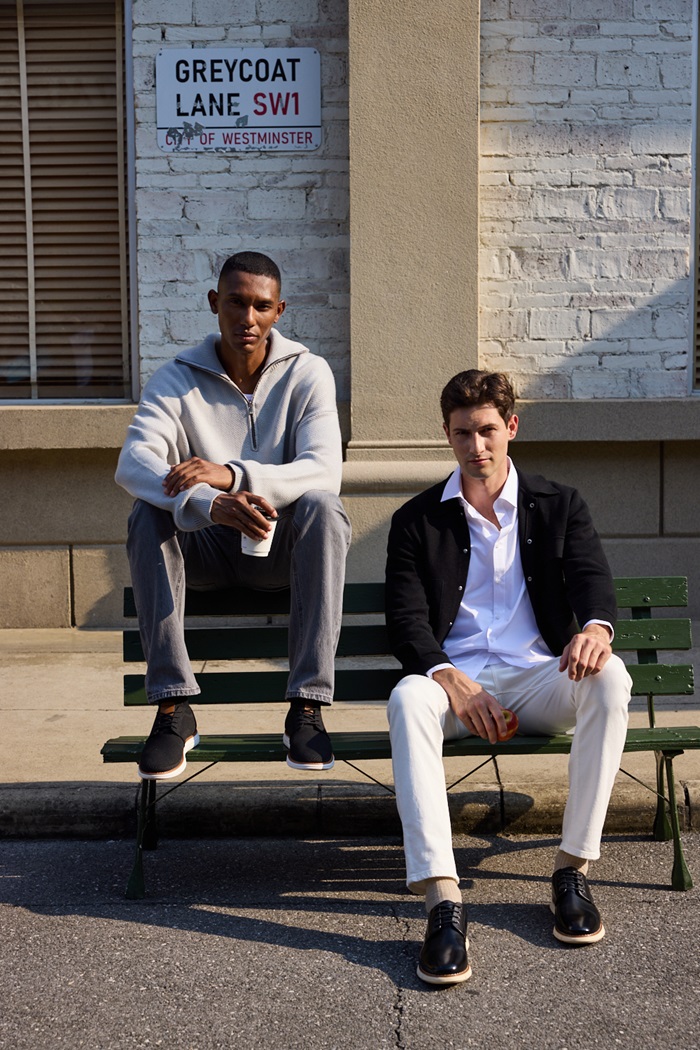
- Look at style blogs or social media (search for “men’s business casual” on Instagram or Pinterest)
- Browse online stores with business casual sections
- Pay attention to well-dressed coworkers or leaders in your industry
- Visit brand websites like J.Crew, Banana Republic, or Uniqlo for lookbooks
For more detailed ideas, you can check guides on Real Men Real Style.
Credit: nilds.gov.ng
Frequently Asked Questions
What Is The Main Difference Between Business Casual And Smart Casual?
Business casual is more formal than smart casual. It often means collared shirts, dress pants, and leather shoes. Smart casual can include dark jeans, casual shoes, and more relaxed shirts. Business casual is for the office; smart casual works for social events.
Can I Wear Jeans For Business Casual?
It depends on your company. Some offices allow dark, well-fitted jeans with no rips or fading. But traditional business casual means chinos or dress pants. Always check your company’s rules or watch what managers wear.
Are Sneakers Ever Business Casual?
Usually, sneakers are not business casual. Some modern offices accept clean, minimalist sneakers in neutral colors. But classic business casual means leather shoes like loafers or brogues.
How Many Business Casual Outfits Do I Need?
Start with five to seven outfits. This lets you rotate clothes each week. With a few shirts and pants in neutral colors, you can create many combinations. Add new pieces as your budget allows.
What Accessories Work Best With Business Casual?
Simple is best. A leather belt, classic analog watch, and leather bag are enough. Avoid large jewelry, bright socks, or flashy items.
Looking sharp every day doesn’t have to be hard. With a few well-chosen pieces and smart combinations, you can master business casual and feel confident at work—no matter where your career takes you.
