

What Does Rash Guard Mean: Ultimate Guide to Benefits & Uses
Have you ever seen surfers, swimmers, or athletes wearing tight, smooth shirts called rash guards and wondered what they really mean? If you’re curious about why these special shirts are so popular and what makes them different from regular clothes, you’re in the right place.
Understanding what a rash guard means can help you choose the right gear to protect your skin, stay comfortable, and boost your performance. Keep reading to discover everything you need to know about rash guards and why they might be the perfect addition to your wardrobe.
Rash Guard Basics
A rash guard is a special shirt made for water sports and outdoor activities. It protects your skin from rashes, sunburn, and scratches. Knowing the basics helps you choose the right one. Rash guards come in different materials and styles for many uses.
Understanding the material and design helps you pick comfort and protection. Also, knowing the types of rash guards shows which fits your activity best.
Material And Design
Rash guards are usually made from polyester, nylon, or spandex. These materials dry quickly and stretch well. They fit tight to protect your skin from friction and sun rays.
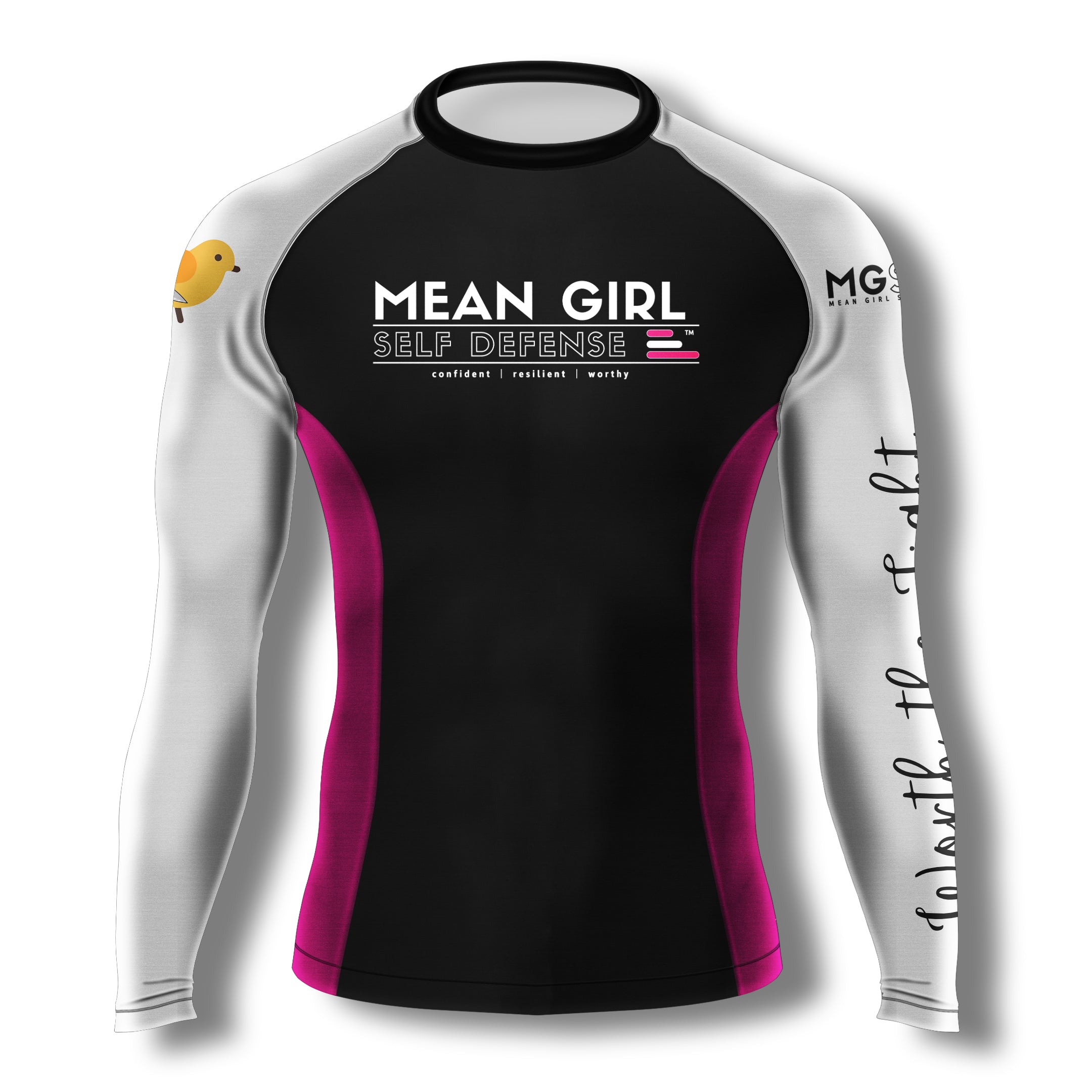
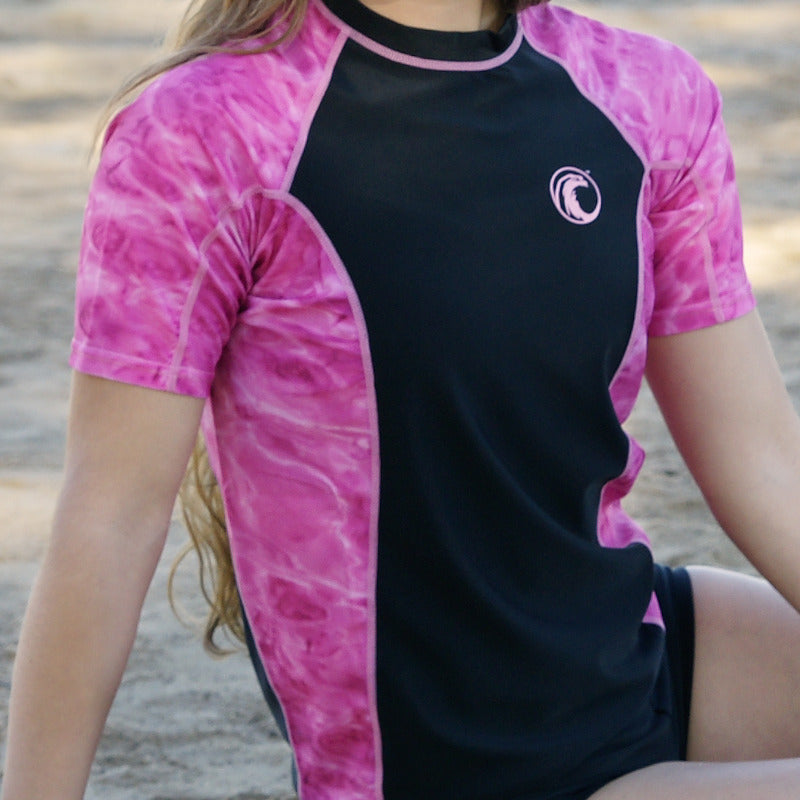
The design includes long sleeves or short sleeves. Some have a high neck to cover more skin. Flatlock seams stop irritation and make the shirt comfortable. Colors and patterns vary but bright colors help you stay visible in the water.
Types Of Rash Guards
There are several types based on use and coverage. Short-sleeve rash guards are good for warm weather and less coverage. Long-sleeve rash guards protect more from the sun and cold water.
Some rash guards offer UV protection with a special rating. These block harmful sun rays and keep your skin safe. Other types focus on extra padding for surfers to avoid board scratches.
Choosing the right type depends on your sport and environment. Each type helps you stay comfortable and protected during your activities.
Key Benefits
Rash guards offer several key benefits that make them a popular choice for water sports and outdoor activities. They protect your skin, keep you comfortable, and provide a snug fit. These benefits help you enjoy your time outside without worries.
Skin Protection
Rash guards protect your skin from scrapes and cuts. They create a barrier between your skin and rough surfaces. This protection is helpful while surfing, diving, or swimming near rocks and coral. It also reduces irritation from saltwater and sand.
Uv Defense
Rash guards block harmful UV rays from the sun. Many have built-in UPF (Ultraviolet Protection Factor) fabric. This helps prevent sunburn and long-term skin damage. Wearing a rash guard means less need for sunscreen on covered areas.
Comfort And Fit
Rash guards fit tightly but stretch with your movements. The fabric is lightweight and dries quickly. This keeps you cool and comfortable in the water. They also reduce chafing, making activities more enjoyable.
Common Uses
Rash guards are versatile clothing items. They protect the skin and provide comfort. Many people use them in different activities. Their design suits many active and outdoor uses.
Water Sports
Rash guards are popular in water sports. Surfers wear them to avoid skin irritation from the board. They also protect from sunburn during long hours in the sun. Swimmers use rash guards to keep warm in cool water. They help prevent rashes caused by saltwater and friction.
Outdoor Activities
People use rash guards in many outdoor activities. They shield the skin from scratches and insect bites. Hikers and campers wear them under their gear. Rash guards offer protection from UV rays. Their quick-dry fabric keeps the wearer comfortable.
Athletic Training
Athletes use rash guards for training and workouts. They provide muscle support and reduce chafing. The tight fit helps with movement and blood flow. Rash guards also wick away sweat. This keeps the body cool and dry during exercise.
Credit: zenkofightwear.com
Choosing The Right Rash Guard
Choosing the right rash guard is important for comfort and protection. A good rash guard fits well and suits your activity. It shields your skin from sun, rashes, and abrasions. Picking the right one can make your water sports or workouts more enjoyable.
Fit And Size Tips
Pick a rash guard that fits snugly but not too tight. It should move with your body without feeling loose. Check the size chart before buying. Try it on if possible. A proper fit helps prevent chafing and keeps you comfortable.
Material Considerations
Choose materials that dry quickly and feel soft on the skin. Most rash guards use polyester or nylon blends with spandex. These fabrics stretch well and resist damage from saltwater or sun. Look for UV protection for extra sun safety.
Style Preferences
Rash guards come in different styles: long sleeve, short sleeve, and sleeveless. Long sleeves offer more sun protection. Short sleeves keep you cooler. Pick a style that matches your activity and climate. Color and design can also reflect your personal taste.
Care And Maintenance
Proper care and maintenance keep your rash guard in great shape for a long time. It protects the fabric and colors from damage. Following simple steps helps maintain the rash guard's fit and comfort. Clean and store it correctly after each use.
Washing Guidelines
Rinse your rash guard with cold water right after use. This removes salt, sand, and sweat. Use a mild detergent to wash it gently by hand. Avoid bleach or fabric softeners. Do not use a washing machine or dryer. Air dry the rash guard flat, away from direct sunlight. This prevents shrinking and fading.
Storage Tips
Store your rash guard in a cool, dry place. Avoid folding it tightly to prevent wrinkles. Hanging it on a soft hanger is best. Keep it away from sharp objects that can cause tears. Make sure it is completely dry before storing. This stops mold and bad smells from forming.

Credit: www.dasflow.com
Credit: aquadesign.com
Frequently Asked Questions
What Is A Rash Guard Used For?
A rash guard protects your skin from irritation and sunburn during water activities. It reduces chafing caused by surfboards or wetsuits. Many athletes wear it for UV protection and comfort. Rash guards are popular in surfing, swimming, and other water sports.
What Materials Are Rash Guards Made From?
Rash guards are typically made from nylon, spandex, or polyester blends. These materials offer excellent stretch, durability, and quick-drying properties. They provide UV protection and fit snugly to the body. This combination ensures comfort and mobility during physical activities.
How Do Rash Guards Protect Your Skin?
Rash guards create a barrier against abrasions and harmful UV rays. They prevent skin irritation caused by sand, saltwater, or equipment friction. Many feature UPF ratings that block up to 98% of UV rays. This helps reduce the risk of sunburn and skin damage.
Can Rash Guards Be Worn Outside Water Sports?
Yes, rash guards can be worn as casual activewear or workout gear. Their moisture-wicking and breathable fabric makes them ideal for outdoor activities. Many people use rash guards for hiking, running, or gym workouts. They offer sun protection and comfort beyond water sports.
Conclusion
Rash guards protect your skin from sun and rashes. They fit tightly and dry quickly. Many people wear them for surfing, swimming, or other water sports. Rash guards also help reduce chafing and irritation. Choosing the right material and size matters.
Now you know what rash guard means and why it is useful. Try one next time you enjoy water activities. Stay safe and comfortable in the sun.
