

How Should Rash Guard Fit: Ultimate Guide for Perfect Comfort
Finding the perfect fit for your rash guard isn’t just about comfort—it can make a huge difference in your performance and protection. If your rash guard is too tight, it might restrict your movement or feel uncomfortable.
Too loose, and it won’t shield your skin or stay in place during your activity. You want a fit that feels like a second skin, offering freedom without sacrificing support. Keep reading to discover exactly how your rash guard should fit, so you can stay comfortable, protected, and ready for action every time you wear it.
Choosing The Right Size
Choosing the right size for your rash guard is key to comfort and performance. A proper fit protects your skin and lets you move freely. Too tight feels restrictive. Too loose can cause chafing or drag in the water. Follow clear steps to find your perfect fit.
Measuring Your Body
Start by measuring your chest, waist, and hips. Use a soft tape measure and keep it snug, not tight. Measure around the fullest part of your chest. For waist, measure at the narrowest point. Hips should be measured at the widest part. Write down these numbers for easy reference.
Comparing Size Charts
Every brand has its own size chart. Match your measurements to the chart provided by the rash guard brand. Check the size ranges carefully. Pick the size that fits your largest measurement. This ensures the rash guard will not be too tight in any area.
Considering Brand Differences
Sizes can vary between brands. Some brands run small, others large. Read customer reviews to learn about fit issues. Some rash guards stretch more than others. Consider the material and its elasticity when choosing your size. Trying on different brands helps find the best fit for your body.
Fit Types Explained
Choosing the right rash guard fit is important for comfort and performance. Different fit types serve different needs and activities. Knowing these fits helps you pick the best one.
Compression Fit
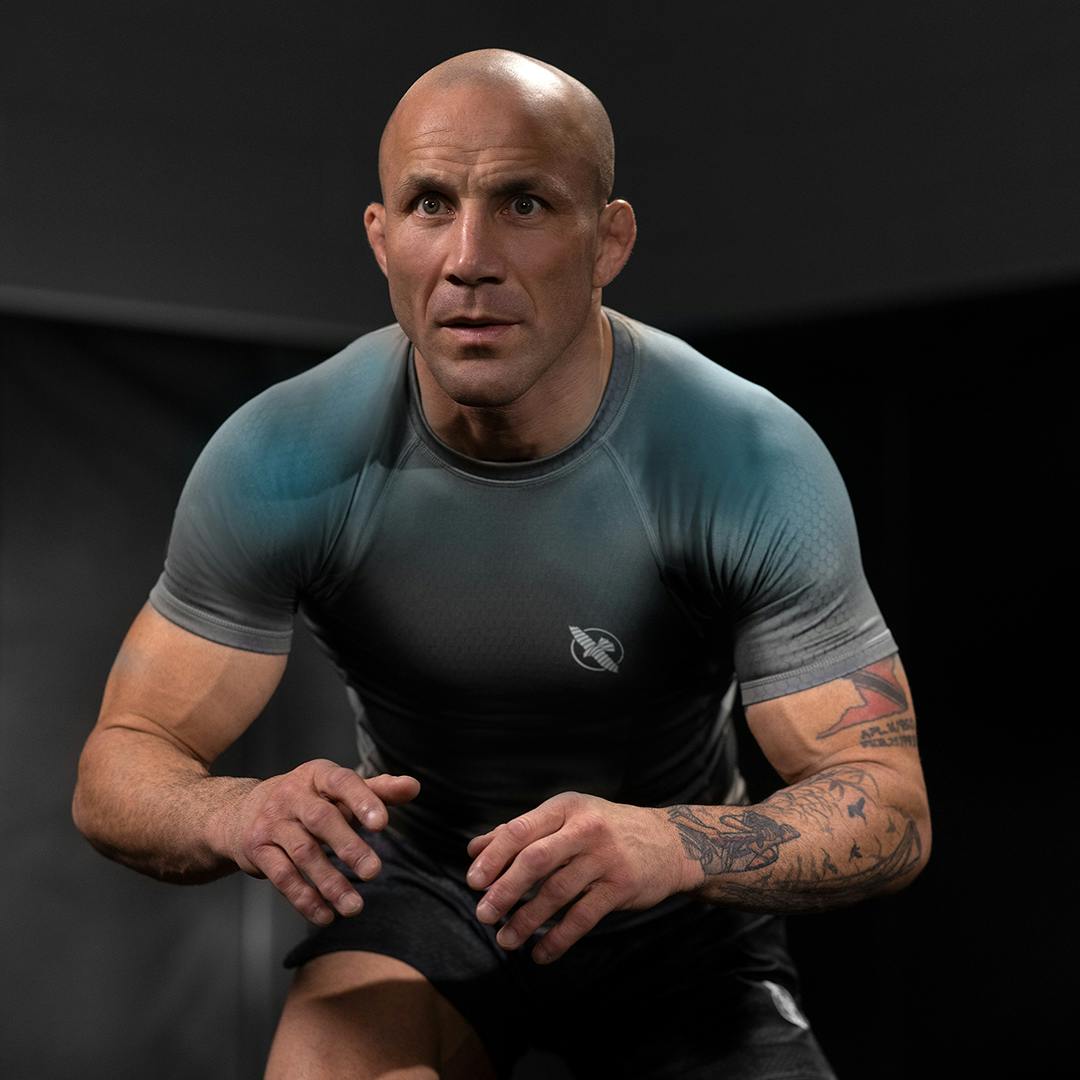
Compression fit rash guards fit very tight on the body. They hug your muscles closely to support them. This fit reduces muscle vibration and helps with blood flow. It is great for intense sports and long sessions. Expect less fabric movement and a second-skin feel.
Relaxed Fit
Relaxed fit rash guards are loose and roomy. They offer more airflow and freedom of movement. This fit works well for casual wear or beginners. It feels less tight and more comfortable for daily use. It may not provide as much muscle support as tighter fits.
Athletic Fit
Athletic fit rash guards balance tightness and looseness. They fit close but allow some stretch and movement. This fit suits most body types and sports activities. It gives good muscle support without feeling too tight. Ideal for those who want comfort and performance together.
Key Areas To Check For Fit
Choosing the right fit for your rash guard is important for comfort and performance. The rash guard should feel snug but not tight. Check these key areas to make sure your rash guard fits well and lets you move freely.
Shoulders And Sleeves
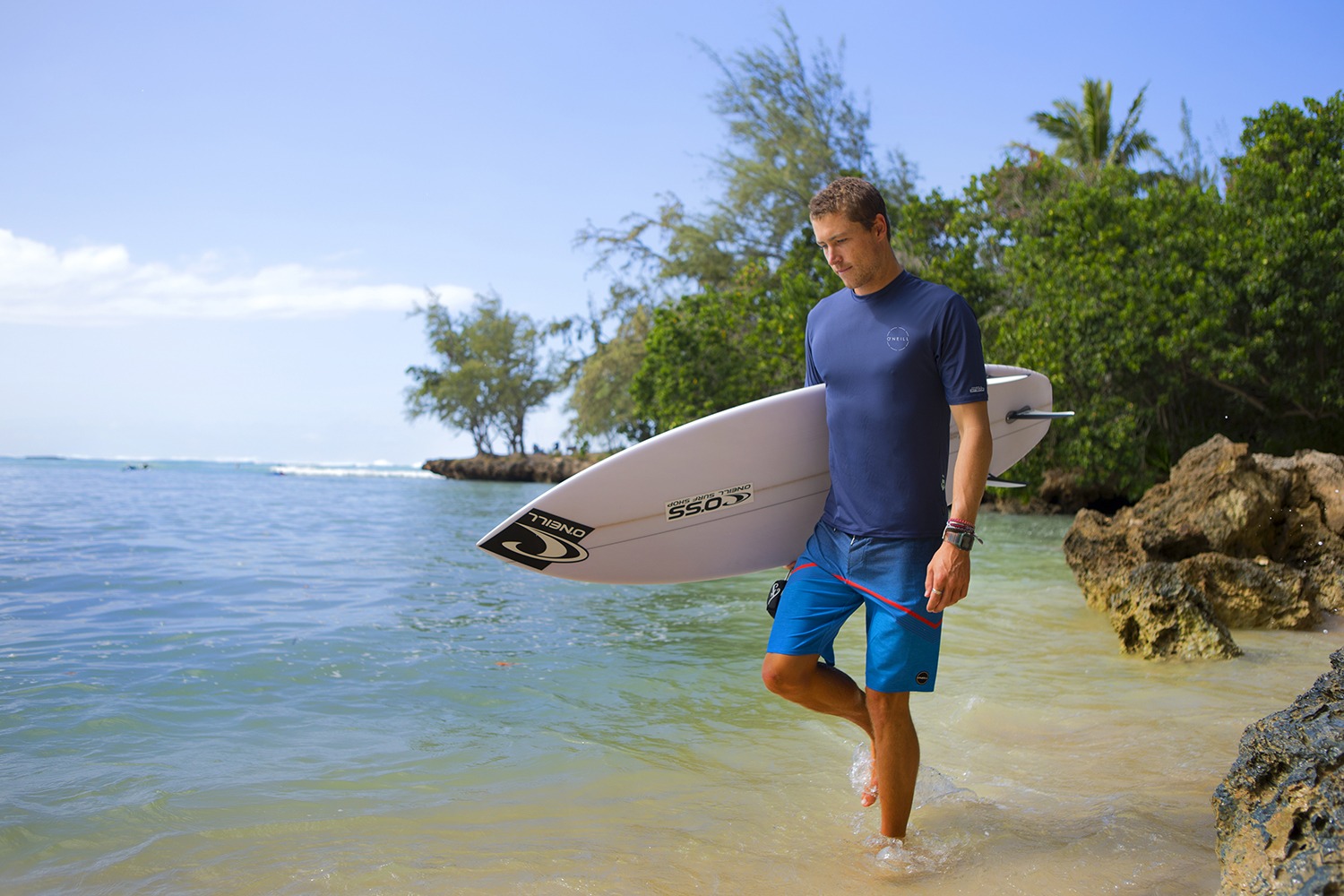
The shoulders should sit right on your natural shoulder line. Sleeves must reach your wrists without stretching too much. Tight sleeves can limit movement. Loose sleeves may cause chafing. The fabric should feel smooth and not bunch up.
Chest And Torso
The rash guard should hug your chest comfortably. It must stretch enough to allow deep breaths. The torso area should fit close to your body. Avoid rash guards that feel baggy or too tight here. A good fit stops water from getting in.
Length And Coverage
The rash guard must cover your waist and hips fully. It should not ride up when you move or stretch. The bottom edge should sit flat against your skin. Proper length protects you from sun and board rash. Check the fit by raising your arms.
Credit: blog.wetsuitwearhouse.com
Material And Stretch
The material and stretch of a rash guard play a big role in how it fits. These features affect comfort, movement, and protection. Picking the right fabric and stretch level helps you get the best fit for your activities. Understanding these details guides your choice.
Fabric Composition
Rash guards often use polyester or nylon blends. These fabrics dry fast and resist damage from sun and saltwater. Some include spandex for extra flexibility. Cotton is rare because it holds water and slows drying. The right fabric keeps you light and comfortable.
Stretchability And Recovery
Stretchability means how much the rash guard can stretch without tearing. Good stretch lets you move freely and stay comfortable. Recovery is the fabric’s ability to return to its original shape after stretching. High recovery prevents sagging and keeps the fit snug. Look for rash guards with balanced stretch and recovery for lasting wear.
Comfort And Mobility
Comfort and mobility are key factors in choosing the right rash guard fit. A rash guard must feel good on your skin and allow free movement. It should not be too tight or too loose. The right fit helps you perform better and stay comfortable during activities.
Range Of Motion
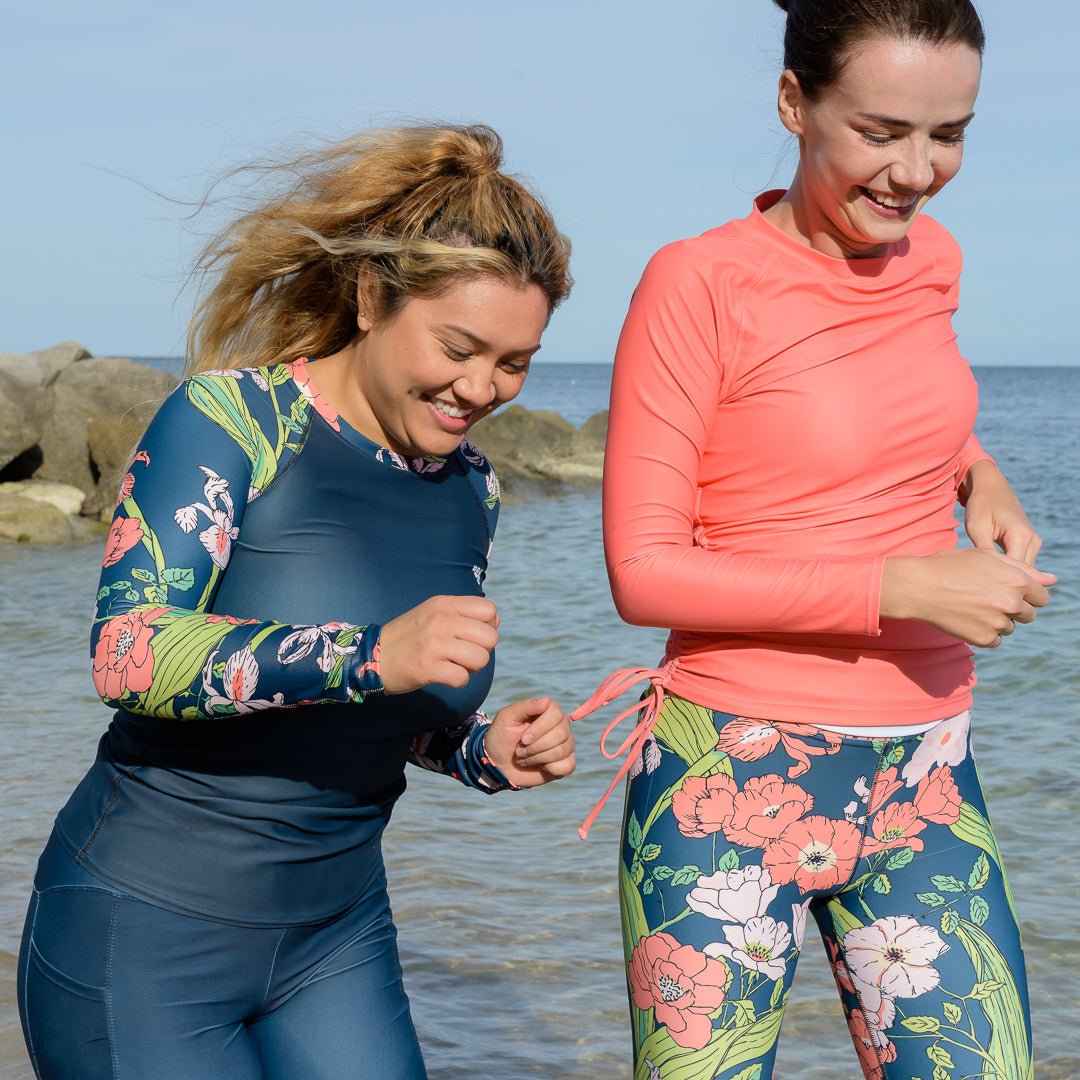
The rash guard must move with your body. Stretchy fabric lets you bend, twist, and reach easily. Tight areas can stop your motion and cause discomfort. A good rash guard fits snugly but does not restrict your movements.
Breathability
Breathability keeps you cool and dry. Rash guards made from breathable materials allow sweat to evaporate. This reduces heat and prevents skin irritation. Choose fabrics that feel light and let air pass through.
Seam Construction
Seams affect comfort and durability. Flatlock seams lie flat against your skin, avoiding chafing. Thick or raised seams can cause rubbing and irritation. Look for rash guards with smooth, strong seams for better comfort.
Credit: berryjaneusa.com
Special Considerations
Choosing the right fit for a rash guard involves special considerations. These depend on how and where you plan to use it. The fit can affect comfort, protection, and performance. Understanding these factors helps you pick the best rash guard for your needs.
Use For Water Sports
Rash guards for water sports should fit snugly but allow movement. A tight fit stops the fabric from catching waves or gear. It also helps prevent chafing from surfboards or paddleboards. Stretchy materials work best for active use. Avoid loose fits that can slow you down or irritate your skin.
Sun Protection Needs
For sun protection, a close fit is ideal. It keeps UV rays from reaching your skin. Rash guards with UPF ratings are best for long hours outdoors. Make sure sleeves cover your arms completely. A well-fitting rash guard reduces the chance of sunburn and skin damage.
Layering Under Gear
When wearing a rash guard under wetsuits or armor, fit matters a lot. The rash guard should be thin and tight to avoid bulk. Loose rash guards can cause discomfort and restrict movement. A smooth fit helps layers slide over each other easily. This improves comfort during long sessions in the water or on land.
Tips For Trying On Rash Guards
Trying on a rash guard is important to find the right fit. A rash guard should feel snug but not tight. It must allow easy movement and protect your skin. Follow these tips to check if your rash guard fits well before buying.
What To Wear During Fitting
Wear a swimsuit or tight shorts when trying on rash guards. This helps you see how the rash guard fits over your skin. Avoid bulky clothes that hide the fit. Thin clothing gives a clear view of fit and comfort.
Testing Movement And Flexibility
Move your arms up and down. Twist your torso from side to side. Stretch your body like you would during sports or swimming. The rash guard should stretch easily without feeling tight. It must not pull or restrict your movement.
Checking For Irritation Points
Feel the seams and edges inside the rash guard. Make sure none rub your skin uncomfortably. Check areas under your arms and around the neck. A good rash guard feels smooth and soft. Avoid any that cause itching or discomfort.
Credit: www.hayabusafight.com
Caring For Your Rash Guard
Caring for your rash guard helps it last longer and stay comfortable. Proper care keeps the fabric strong and colors bright. It also keeps the fit just right for your body.
Washing Instructions
Rinse your rash guard with cold water after each use. This removes salt, sweat, and chlorine. Wash it by hand using mild soap. Avoid strong detergents or bleach. Do not use fabric softeners. If you use a washing machine, put it in a mesh bag. Use a gentle cycle with cold water.
Drying And Storage
Do not wring your rash guard. Gently squeeze out extra water instead. Lay it flat to dry in shade. Avoid direct sunlight, which can fade colors. Never use a dryer. Store your rash guard in a cool, dry place. Keep it away from sharp objects to prevent tears.
Maintaining Fit Over Time
Wash your rash guard in cold water to keep elasticity. Avoid heat, which can stretch or shrink the fabric. Dry flat to keep its shape. Regular care prevents loosening or sagging. Replace your rash guard if it loses stretch or becomes too loose.
Frequently Asked Questions
How Tight Should A Rash Guard Fit?
A rash guard should fit snugly but not restrict movement. It must feel like a second skin without causing discomfort or cutting circulation. Proper fit prevents chafing and maximizes protection during water sports or workouts.
Can Rash Guards Be Too Loose?
Yes, a loose rash guard can cause irritation and reduce protection. Excess fabric may bunch up, causing discomfort and chafing. For optimal performance, choose a size that fits close to your body without being overly tight.
Should Rash Guards Stretch With Movement?
Absolutely, rash guards should stretch comfortably with your body. They are made from flexible materials like spandex or polyester blends. This stretchability ensures full range of motion and keeps the fabric from tearing during activity.
How To Measure For A Rash Guard Fit?
Measure your chest, waist, and torso length accurately. Compare these measurements with the brand’s sizing chart. Proper measurement helps you select a rash guard that fits well and performs effectively in water or gym activities.
Conclusion
Choosing the right rash guard fit matters a lot. It should feel snug but not tight. The sleeves and body must cover well without restricting movement. A good fit protects your skin and helps you stay comfortable. Remember, rash guards come in different sizes and styles.
Try different options to find what suits you best. Wearing the right size keeps you safe and lets you enjoy your activity more. Fit is key for both comfort and protection. Take your time to pick the perfect rash guard.
