

What Does Business Casual Mean? Dress Smart and Impress
What Does Business Casual Mean
In many workplaces, the term business casual can feel confusing. You might hear it during job interviews, see it in employee handbooks, or notice it on invitations to networking events. But what does business casual actually mean? The answer is not simple, because business casual has changed over time and varies between industries, companies, and even regions. If you want to look professional, feel confident, and avoid mistakes, understanding business casual is essential.
This article will guide you through everything you need to know about business casual attire. You’ll learn the difference between business casual and other dress codes, discover what’s expected for men and women, see real examples, and get practical tips.
Whether you’re starting a new job, attending a business meeting, or just want to dress appropriately, this article will help you navigate the world of business casual with ease.
Defining Business Casual
Business casual is a dress code that combines elements of professional attire and comfortable clothing. It’s less formal than traditional business wear but more polished than casual clothes. People often describe business casual as “smart but relaxed.”
The main goal is to look neat, professional, and approachable without wearing a full suit or formal dress. The exact rules can change based on the company, country, and industry. For example, a tech startup in California may accept jeans and sneakers as business casual, while a law office in New York might expect dress pants and button-down shirts.
Key Features Of Business Casual
- No suits or ties required (except sometimes for formal meetings)
- Clean, pressed clothing without wrinkles or stains
- Neutral or muted colors are common, but some workplaces allow brighter shades
- Closed-toe shoes preferred; sandals or flip-flops are rarely allowed
- Minimal accessories and simple jewelry
- Professional appearance, but not stiff or uncomfortable
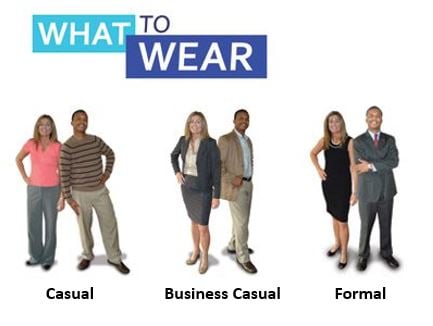
Business casual sits between traditional business attire (suits, ties, formal dresses) and casual wear (jeans, T-shirts, sneakers). It aims to balance comfort and professionalism.
Business Casual Vs. Other Dress Codes
Understanding how business casual compares to other dress codes helps avoid mistakes. Here’s a simple overview of the main workplace dress codes:
| Dress Code | Typical Clothing | Formality Level |
|---|---|---|
| Business Formal | Suits, ties, formal dresses, dress shoes | Very High |
| Business Casual | Dress pants, blouses, polos, skirts, loafers | Medium |
| Smart Casual | Nice jeans, blazers, smart sneakers, stylish tops | Low-Medium |
| Casual | T-shirts, shorts, sandals, jeans | Low |
Business casual is often confused with smart casual. Smart casual allows more trendy or fashionable items, such as stylish sneakers or dark jeans. Business casual is usually stricter and avoids items that look too informal.
Credit: www.charlotteparent.com
Business Casual For Men
For men, business casual offers a wide range of choices. The key is to look tidy and professional while feeling comfortable. Here’s what’s generally accepted:
Shirts
- Button-down shirts (long or short sleeve)
- Polo shirts in solid colors
- Sweaters or cardigans (worn over a shirt)
- Avoid T-shirts, graphic prints, or shirts with logos
Pants
- Dress pants or chinos
- Khakis in neutral shades
- Dark, clean jeans (sometimes allowed, check company policy)
- Avoid shorts, ripped jeans, or athletic pants
Shoes
- Loafers, oxfords, or dress shoes
- Clean sneakers (some workplaces accept these)
- Avoid sandals, flip-flops, or athletic shoes
Jackets
- Blazers (optional but add a professional touch)
- Avoid formal suit jackets unless the event requires them
Accessories
- Minimal jewelry
- Belts that match shoes
- Watches are fine, but avoid flashy styles
Typical Business Casual Outfits For Men
- Button-down shirt + chinos + loafers
- Polo shirt + dress pants + blazer
- Sweater over a collared shirt + khakis + oxfords
Most workplaces expect men to avoid shorts, T-shirts, and open-toe shoes. One common mistake is assuming jeans are always allowed—many companies still prefer dress pants.
Business Casual For Women
Business casual for women is broad and flexible, but there are important guidelines. The goal is to look polished, comfortable, and professional.
Tops
- Blouses or tailored shirts
- Sweaters, cardigans, or knit tops
- Polo shirts or simple tops
- Avoid spaghetti straps, low-cut tops, or T-shirts
Bottoms
- Dress pants, chinos, or khakis
- Skirts (knee-length or longer)
- Dark, clean jeans (if allowed)
- Avoid short skirts, ripped jeans, or shorts
Dresses
- Professional dresses (knee-length or longer)
- Avoid tight, revealing, or party-style dresses
Shoes
- Flats, loafers, low heels, or dress boots
- Closed-toe shoes preferred
- Avoid flip-flops, high heels over 3 inches, or athletic shoes
Accessories
- Simple jewelry (stud earrings, delicate necklaces)
- Scarves or belts (if tasteful)
- Avoid large, flashy accessories
Typical Business Casual Outfits For Women
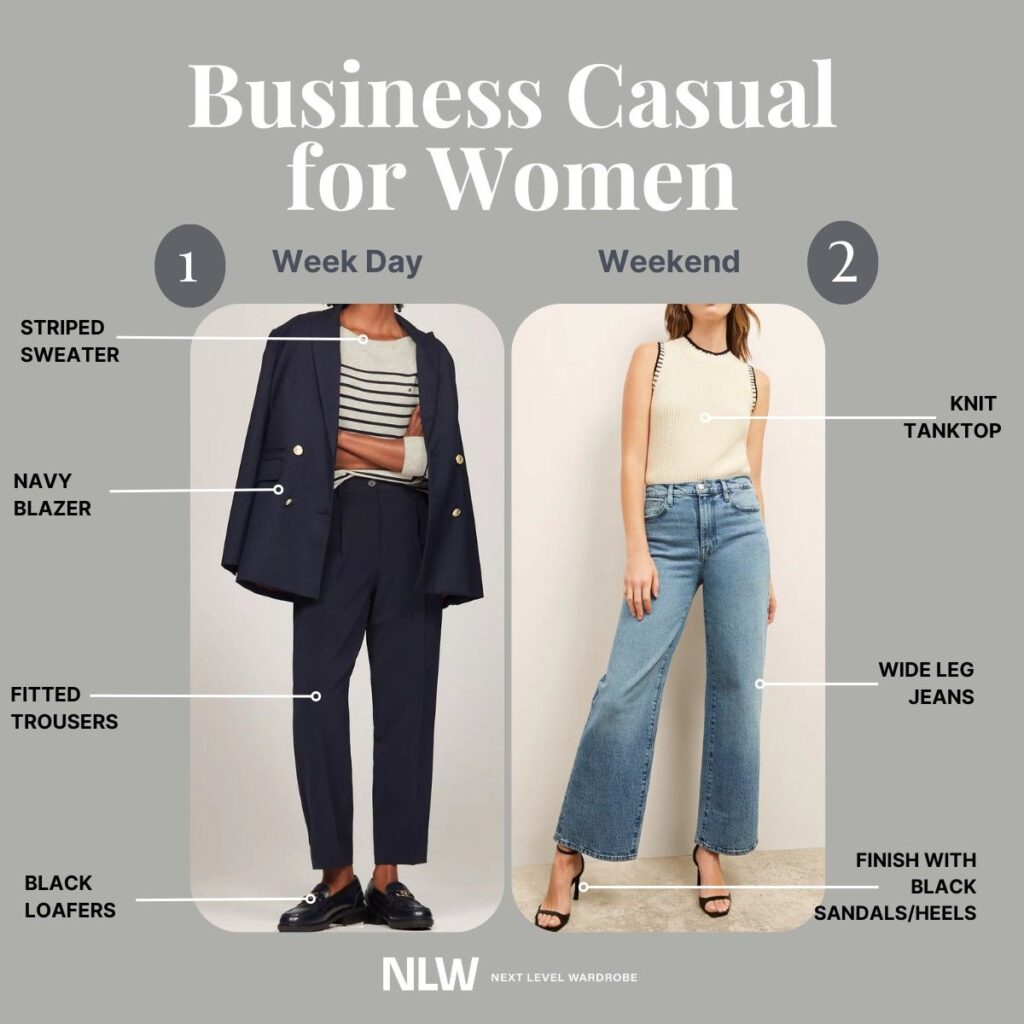
- Blouse + dress pants + flats
- Sweater + knee-length skirt + loafers
- Professional dress + cardigan + low heels
Some workplaces allow more color and pattern for women, but moderation is key. Avoid anything too bold or distracting. Many beginners overlook the importance of shoe choice—comfortable, professional shoes are essential.
What Is Not Business Casual?
It’s easy to make mistakes with business casual, especially if you are new to the workplace. Here are items that usually do not fit business casual:
- T-shirts with graphics or slogans
- Shorts or mini-skirts
- Flip-flops or sandals
- Ripped or distressed jeans
- Tank tops or spaghetti straps
- Athletic wear (hoodies, sweatpants)
- Party dresses or flashy evening wear
A good rule: If you would wear it to the beach, gym, or a nightclub, it’s not business casual.
Business Casual Across Industries
Different industries have different standards for business casual. Let’s compare some typical expectations:
| Industry | Common Business Casual Items | Special Notes |
|---|---|---|
| Tech | Jeans, polos, sneakers | More relaxed, but avoid graphic tees |
| Finance | Dress pants, blouses, loafers | Stricter, suits may be required for meetings |
| Education | Khakis, sweaters, flats | Comfort and practicality valued |
| Healthcare Admin | Dress shirts, skirts, dress shoes | Cleanliness and professionalism emphasized |
| Creative | Stylish tops, dark jeans, blazers | More color and pattern allowed |
Even in the same company, business casual can change based on your role or department. Always ask if you’re unsure or check the employee handbook.
Regional Differences In Business Casual
Business casual is not the same everywhere. In the United States, it’s often more relaxed, especially in coastal cities. In Europe, business casual usually means dress pants and button-down shirts, even for creative industries. Some Asian countries prefer conservative styles, with less color and minimal jewelry.
For example, in London, business casual often includes blazers and leather shoes, while in San Francisco, jeans and clean sneakers may be acceptable. If you travel for work, adapt your clothing to local customs.
Business Casual For Remote Work
With remote work becoming common, business casual has changed. Many people work from home, but video calls and online meetings still require professional attire.
Tips For Remote Business Casual
- Choose tops that look neat on camera (collared shirts, blouses)
- Keep bottoms comfortable but professional (avoid pajamas)
- Use simple backgrounds and good lighting
- Avoid distracting patterns or loud accessories
Some companies relax their dress codes for remote work, but dressing professionally still shows respect and helps you feel confident.
How To Build A Business Casual Wardrobe
Building a business casual wardrobe does not mean spending a lot of money. You can start with a few key items and add more over time.
Essential Items
- Button-down shirts or blouses (3–5)
- Dress pants or chinos (2–3)
- Knee-length skirt or professional dress (for women)
- Loafers or dress shoes (1–2 pairs)
- Sweaters or cardigans (2–3)
- Blazer (optional, but useful)
Choose neutral colors like navy, black, gray, or beige. These match easily and look professional. You can add color with accessories or one statement piece.
Practical Shopping Tips
- Try clothes before buying—fit matters more than brand
- Look for wrinkle-free fabrics for easy care
- Buy shoes that are comfortable for walking or standing
- Check the company’s dress code before shopping
Many beginners buy too many trendy items. Focus on basics first, then add personal style later.
Business Casual For Special Events
Sometimes, events like conferences, company parties, or networking lunches have a business casual dress code. Here’s how to handle these situations:
For Men
- Wear a button-down shirt, dress pants, and blazer
- Choose polished shoes
- Avoid jeans unless clearly allowed
For Women
- Wear a blouse and skirt or professional dress
- Add a blazer or cardigan
- Simple jewelry is best
Always check the invitation or ask the organizer if you’re unsure. For evening events, slightly dressier clothes are fine, but avoid anything too formal or too casual.
Business Casual For Interviews
Job interviews often use business casual, especially for entry-level or creative roles. Dressing correctly can help you make a good impression.
Interview Tips
- Choose clean, pressed clothing in neutral colors
- Avoid flashy accessories or strong perfumes
- Make sure shoes are clean and professional
- Prepare for video interviews by checking your background and lighting
Research the company’s style before the interview. If unsure, dress a little more formal—being slightly overdressed is better than underdressed.
Common Mistakes With Business Casual
Many people make mistakes with business casual. Here are some to avoid:
- Wearing wrinkled or stained clothes
- Choosing too casual items (like shorts or sandals)
- Using strong perfumes or colognes
- Forgetting shoes—dirty or worn shoes ruin the look
- Wearing too many accessories or flashy jewelry
One non-obvious mistake is ignoring the company culture. Some workplaces like fashion-forward styles, others prefer classic looks. Observe what others wear and adjust.
How Business Casual Has Changed
Business casual has evolved over time. It used to mean “no ties, no jeans,” but now it’s more flexible. With remote work, startup culture, and global influences, the rules are softer.
Some companies now allow dark jeans, clean sneakers, or even stylish T-shirts. Others still expect dress pants and button-down shirts. The key is to look professional and respectful.
A recent survey found that about 56% of US workplaces use business casual, but the details differ. Younger employees prefer comfort, while older workers value tradition. Companies often update their dress codes to attract talent and stay modern.
Business Casual For Different Body Types
Choosing business casual clothes that fit your body is important. Well-fitted clothes look more professional and feel better.
Tips For Different Body Types
- Tall people: Choose longer shirts and pants, avoid short sleeves
- Petite individuals: Choose fitted tops, avoid oversized items
- Plus-size: Look for tailored clothes, avoid tight or baggy items
- Athletic build: Choose stretchy fabrics, avoid too tight shirts
One insight many beginners miss: altering clothes can make a big difference. Simple adjustments (hemming pants, taking in shirts) help clothes fit perfectly.
Practical Tips For Business Casual Success
To feel confident in business casual, follow these practical tips:
- Plan outfits ahead, especially for important days
- Keep extra items at work (blazer, shoes, spare shirt)
- Use lint rollers and iron clothes regularly
- Check company rules and adjust as needed
- Watch how leaders and managers dress
If you’re new, ask HR or a trusted coworker for advice. Taking small steps improves your style and confidence.
Real-life Examples Of Business Casual
Seeing real examples helps understand business casual. Here are a few scenarios:
Example 1: Tech Office
- Man: Polo shirt, dark jeans, clean sneakers
- Woman: Knit top, dress pants, flats
Example 2: Finance Meeting
- Man: Button-down shirt, chinos, loafers
- Woman: Blouse, knee-length skirt, loafers
Example 3: Remote Interview
- Man: Collared shirt, sweater, dress pants (visible on camera)
- Woman: Blouse, cardigan, professional dress (visible on camera)
Example 4: Networking Event
- Man: Blazer, dress pants, oxfords
- Woman: Professional dress, blazer, low heels
Notice how the style adapts to the workplace and event.
Business Casual And Sustainability
Many people now care about sustainable fashion. You can build a business casual wardrobe that is eco-friendly:
- Buy fewer, better-quality items
- Choose clothes made from natural fibers (cotton, wool)
- Support brands with ethical practices
- Repair or donate old clothes
Some companies encourage sustainable choices and even reward employees for eco-friendly attire. This is a growing trend.
Business Casual For Different Ages
Business casual is not just for young professionals. People of all ages use this dress code.
- Young professionals often choose modern, comfortable styles
- Older workers prefer classic, timeless pieces
- Both can look professional by focusing on fit, color, and quality
A non-obvious tip: Age doesn’t limit your choices. Mix classic and modern items for a unique look.
Credit: nextlevelwardrobe.com
Business Casual For Special Needs
If you have special needs (disabilities, allergies), adapt business casual to suit you.
- Choose clothes with easy closures (zippers, Velcro)
- Use hypoallergenic fabrics
- Wear comfortable shoes
Many companies support inclusive dress codes. If you need adjustments, speak with HR.
Business Casual And Company Culture
Company culture affects business casual. Some places want individual expression, others prefer uniformity.
- Creative industries allow color and pattern
- Traditional industries want neutral, classic styles
Observe what others wear, ask questions, and adjust. Building your own style within company rules is possible.
Business Casual: The Global Perspective
Business casual is now a global dress code. It’s used in offices, schools, and even government settings worldwide. But local customs and traditions matter.
- In Asia, conservative styles are common
- In Europe, quality and fit matter more than color
- In Africa and South America, vibrant colors may be allowed
Traveling or working with international teams? Ask about local dress codes.
Business Casual And Gender Expression
Business casual allows for different gender expressions. Many workplaces accept gender-neutral clothing.
- Unisex shirts, pants, and jackets
- Comfortable shoes for all genders
- Simple accessories
If you want to express your identity, choose items that fit you and follow company guidelines. Respect for diversity is increasing.

Credit: www.sumissura.com
Business Casual In The Digital Age
Social media, video calls, and digital communication have changed business casual. People share outfit ideas online, learn from influencers, and adapt styles quickly.
- Use social media for inspiration
- Follow company accounts for guidance
- Share your style if allowed
For more information about business casual, visit Wikipedia.
Frequently Asked Questions
What Is The Difference Between Business Casual And Smart Casual?
Business casual is more formal, usually requires dress pants and collared shirts. Smart casual allows trendy items like dark jeans and smart sneakers. Business casual avoids items that look too informal.
Can I Wear Jeans In Business Casual?
Some companies allow dark, clean jeans as part of business casual, but many prefer dress pants or chinos. Always check the company’s dress code before wearing jeans.
Are Sneakers Allowed In Business Casual?
In some workplaces, clean, simple sneakers are allowed. In more traditional offices, stick to loafers, oxfords, or dress shoes. Avoid athletic or colorful sneakers.
What Colors Are Best For Business Casual?
Neutral colors like navy, black, gray, beige, and white are safest. You can add color with accessories or one statement piece, but avoid overly bright or distracting shades.
Is Business Casual Different For Remote Work?
Yes. For remote work, focus on tops that look professional on camera. You may be able to wear more comfortable items off-camera, but always dress neatly for video meetings.
Business casual is a flexible, practical dress code that helps you look professional and feel comfortable. By understanding the rules and adapting to your workplace, you can make business casual work for you.
