

How to Do Business Casual: Expert Tips for Effortless Style
How To Do Business Casual
Business casual is a dress code many people find confusing. It sits between formal suits and relaxed jeans-and-t-shirts. Getting it right can make a strong impression at work, help you feel comfortable, and show respect for your company culture. But because “business casual” means different things in different offices, knowing what to wear is not always easy.
This guide breaks down business casual step-by-step. You’ll learn what it really means, what items to choose, how to mix and match, and how to avoid common mistakes. Whether you’re starting a new job or want to refresh your wardrobe, you’ll find practical advice and examples to help you dress confidently and appropriately.
What Does Business Casual Mean?
Business casual is a blend of professional attire and comfortable clothing. It is not as formal as a suit-and-tie, but it’s more polished than everyday casual wear. Most offices expect you to look neat, clean, and ready for work, without being too dressed up.
Key Features Of Business Casual
- Polished look: Clothes should be clean, pressed, and well-fitted. Wrinkles, stains, or visible wear can make you look unprofessional. Even a basic outfit looks better when it’s tidy.
- Professional but relaxed: No need for ties or formal suits, but avoid clothes you’d wear to the gym or beach. For example, don’t wear shorts, tank tops, or flip-flops.
- Neutral colors: Navy, black, gray, beige, and pastels are common. These colors mix easily, making it simpler to build outfits. If you choose bold colors, use them as accents, not main pieces.
- Simple patterns: Subtle stripes or checks are fine, but avoid loud prints. Busy patterns can distract and make your outfit look less professional.
Some people think business casual means you can wear anything except a suit. Actually, you should always look ready for a meeting, even on relaxed days. Wearing clothes that are “in between” can help you blend in and feel comfortable.
Business Casual Vs. Other Dress Codes
To help clarify, here’s a quick comparison:
| Dress Code | Typical Clothing | Formality Level |
|---|---|---|
| Formal Business | Suits, ties, dress shoes | High |
| Business Casual | Dress shirts, slacks, skirts, blouses | Medium |
| Casual | Jeans, t-shirts, sneakers | Low |
This table shows that business casual is a step below formal, but still more professional than casual wear. If you’re unsure, it’s safer to aim slightly more formal. You can always remove a blazer or swap shoes if needed.
Essential Business Casual Pieces
Building a business casual wardrobe starts with the basics. Each piece should be versatile and comfortable. The items you choose will depend on your job, climate, and personal style.
For Men
- Dress shirts: Long-sleeve, button-down shirts in neutral colors. Avoid shirts with bold patterns or logos. If you choose short sleeves, make sure they look professional and not like a vacation shirt.
- Slacks or chinos: Tailored pants in black, navy, or khaki. Jeans are usually not allowed unless your office says it’s fine. Chinos are a good option—they’re comfortable and look sharp.
- Sweaters: Crewneck or v-neck sweaters over a shirt. Stick to solid colors or simple patterns. Sweaters add warmth and style, and you can easily remove them if you get hot.
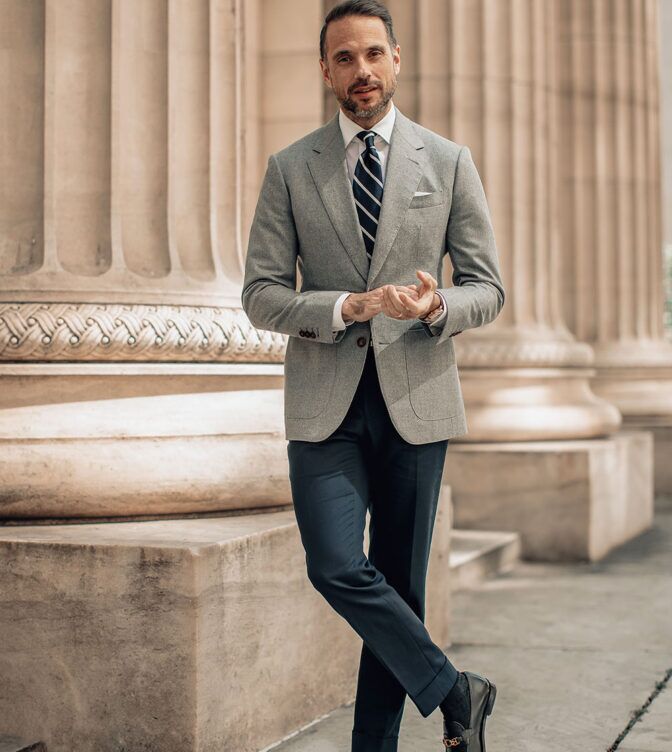
- Blazers: A casual blazer can add structure without being too formal. Choose a material like cotton or wool, not shiny fabrics.
- Shoes: Leather loafers or oxfords. Avoid sneakers and sandals. If you walk a lot at work, try shoes with cushioned soles.
- Belts: Match your belt color to your shoes for a polished look. A black belt with black shoes, or brown belt with brown shoes, is always safe.
Some men like to add a tie on special days, but it’s not required for business casual. If you do, keep it simple.
For Women
- Blouses or tops: Simple blouses, button-down shirts, or knit tops in soft colors. Avoid tops that are too tight or revealing. If you wear sleeveless tops, check your company policy.
- Slacks or skirts: Tailored pants, pencil skirts, or A-line skirts. Hem should be at or below the knee. Avoid mini skirts or leggings unless your office allows them.
- Dresses: Sheath dresses or wrap dresses in conservative styles. Dresses should not be too short or have deep necklines. Patterns are okay if they’re subtle.
- Cardigans or blazers: Add a layer for a professional touch. Cardigans work well for air-conditioned offices, and blazers are great for meetings.
- Shoes: Flats, low heels, or loafers. Avoid flip-flops and athletic shoes. Closed-toe shoes are usually safer.
- Accessories: Keep jewelry simple; avoid anything too flashy. Stud earrings or a small necklace are better than large hoops or chunky bracelets.
Women can also add tights or hosiery if their office is more formal. Choose colors that match your outfit.
Common Non-obvious Tips
- Fit matters more than price. Well-fitted clothes look expensive, even if they’re not. Tailoring is often worth the extra money.
- Choose fabrics that breathe. Cotton, wool, or blends are comfortable for long days. Avoid polyester if you sweat easily—it can trap heat.
- Subtle patterns are safer. If you’re unsure, stick with solids. Small checks or pinstripes are fine, but avoid anything that looks too busy.
Some people forget that shoes and accessories count as part of their outfit. Don’t overlook these finishing touches.
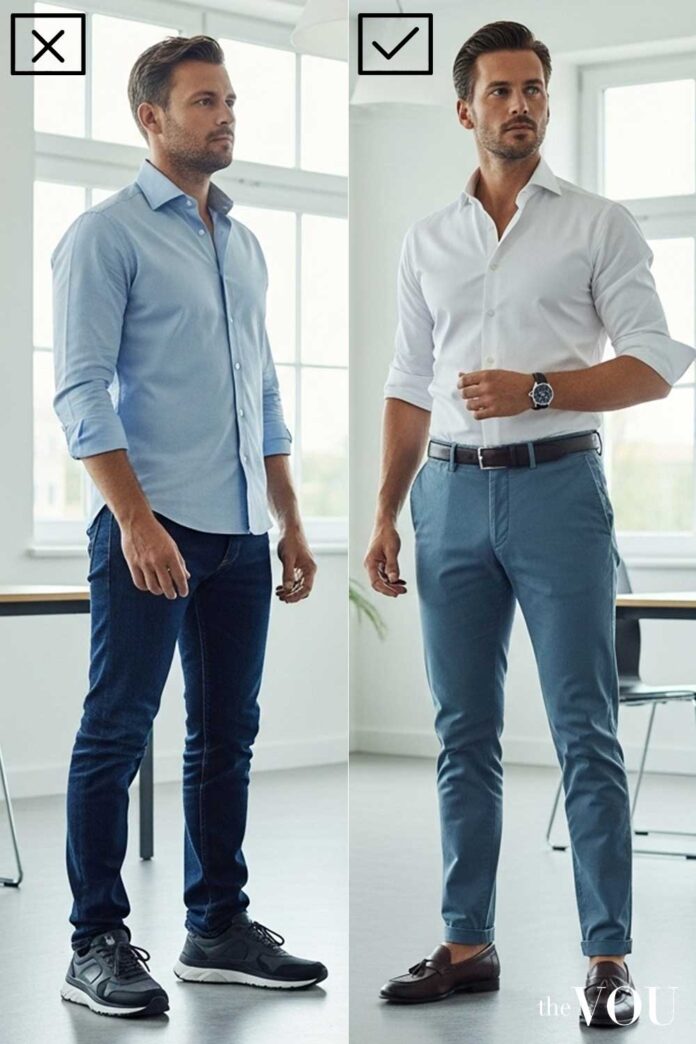
Credit: thevou.com
How To Mix And Match For Different Situations
Business casual is flexible. You can adjust your outfit for meetings, presentations, or casual Fridays. Here’s how to use your wardrobe pieces in different settings.
Everyday Office Wear
- Men: A light blue dress shirt with gray slacks and brown loafers. Add a watch for detail.
- Women: A white blouse, navy skirt, and black flats. A simple necklace or scarf can add personality.
If you’re new, observe what coworkers wear. This helps you see what’s normal and what stands out.
Important Meetings
- Add a blazer to look more professional. If you need to look sharp, choose darker colors like navy or charcoal.
- Use darker colors for a more formal tone. Black, navy, or deep green look serious and trustworthy.
For presentations, stand out with a neat, crisp outfit. Avoid anything distracting.
Casual Fridays
- Some offices allow dark jeans on Fridays. Pair jeans with a dress shirt and a casual sweater. Avoid faded or ripped jeans.
- Women can try a cardigan with dark jeans and loafers. Add a small pendant or patterned scarf for a relaxed touch.
Check if your office has rules for Fridays—some allow sneakers, others don’t.
Seasonal Adjustments
- Summer: Lightweight fabrics, short-sleeve shirts, and skirts. Linen and cotton keep you cool. Avoid shorts unless allowed.
- Winter: Layers, sweaters, and wool slacks. Scarves and boots can add warmth. Choose thicker fabrics for cold days.
Layering is key—keep a cardigan or blazer handy for changing temperatures.
Quick Mix-and-match Table
| Setting | Men | Women |
|---|---|---|
| Regular Day | Button-down shirt, chinos, loafers | Knit top, tailored pants, flats |
| Meeting | Dress shirt, blazer, slacks | Blouse, blazer, skirt |
| Casual Friday | Polo shirt, dark jeans, loafers | Cardigan, dark jeans, loafers |
Mixing and matching lets you create many outfits from a few pieces. Try new combinations to see what feels best.
Common Business Casual Mistakes
Many people make small errors that can spoil the business casual look. Knowing these mistakes helps you avoid them and look your best.
Too Casual
- Wearing t-shirts, ripped jeans, or sneakers. These items make you look unprepared.
- Choosing clothes with large logos or graphics. It’s better to wear plain shirts.
Some offices allow casual items, but always check first.
Too Formal
- Wearing a full suit and tie. This can make you stand out too much and feel uncomfortable.
- Over-accessorizing with pocket squares or cufflinks. Save these for special events.
If you’re unsure, ask your manager or HR.
Poor Fit
- Pants that are too long or too short. They look sloppy and feel uncomfortable.
- Shirts that are too tight or baggy. Always try clothes on before buying.
Tailoring is a smart investment.
Wrong Shoes
- Athletic shoes or sandals. These are never business casual unless your office says so.
- Shoes that don’t match your outfit. Black shoes with navy pants can clash.
Keep shoes clean and polished.
Neglecting Grooming
- Wrinkled clothes. Iron shirts and pants before wearing.
- Unkempt hair or facial hair. Trim and style regularly.
Small grooming details make a big impact.
Overlooking Company Culture
- Not checking if your office has special rules (for example, some tech companies allow jeans, others don’t). Always read the dress code or ask HR.
Non-obvious Insight: Watch For “hybrid” Dress Codes
Some companies combine business casual with other styles. For example, you may need to dress up for clients but dress down for internal meetings. Always check with HR or your manager if you’re unsure. If you notice coworkers changing outfits during the day, this is a sign your office has flexible standards.
Business Casual For Different Industries
Business casual is not the same everywhere. Your industry, company, and location affect what’s acceptable. Here’s how business casual changes by sector.
Finance And Law
- More formal business casual. Dark slacks, crisp shirts, and blazers. Shoes are always polished, and skirts are conservative.
- Dress shirts, slacks, and blazers are standard.
- Skirts and dresses should be conservative.
Clients expect a professional look, so avoid bold colors or patterns.
Tech And Creative
- Relaxed business casual. Polo shirts, dark jeans, and sneakers may be allowed. T-shirts with simple graphics are sometimes acceptable.
- Bright colors and patterns are more common.
Tech offices value comfort and creativity. Still, avoid looking sloppy.
Healthcare And Education
- Practical business casual. Comfortable shoes for walking. Clothes should be easy to wash and move in.
- Easy-care fabrics.
Teachers and nurses need practical outfits—choose pieces that last through busy days.
Sales And Marketing
- Polished and approachable. Trendy but professional outfits. Accessories are used to add personality.
- Smart blazers, patterned scarves, or stylish shoes.
These jobs often meet clients, so looking friendly and stylish matters.
Comparing Business Casual By Industry
| Industry | Typical Business Casual | Allowed Exceptions |
|---|---|---|
| Finance | Button-downs, slacks, blazers | Rarely jeans, limited colors |
| Tech | Polo shirts, jeans, sneakers | More relaxed, creative |
| Education | Knit tops, slacks, comfortable shoes | Easy-care fabrics |
Industry standards shift over time. If you change jobs, ask about the dress code before your first day.
How To Shop For Business Casual
Buying business casual clothing does not have to be expensive. You can build a quality wardrobe with smart choices.
Set A Budget
- Decide how much you can spend each month. Make a list of what you need most.
- Invest in essentials first: Shirts, pants, shoes. These are the foundation of your wardrobe.
Choose Quality Over Quantity
- Buy fewer items, but make sure they last. One good shirt is better than three cheap ones.
- Check stitching, fabric, and fit. Avoid clothes that lose shape after washing.
Well-made clothes last longer and feel better.
Shop At Different Stores
- Mix brands to create variety. Try department stores, outlets, and online shops.
- Look for sales and discounts. End-of-season sales are good times to buy.
Don’t be afraid to try new stores.
Try Clothes On
- Always check fit before buying. Move your arms and legs to test comfort.
- Move around to see if you feel comfortable. Sit, stand, and walk.
Online shopping is convenient, but returns are important if the fit is wrong.
Read Reviews
- Check online opinions about durability and comfort. Reviews can reveal if clothes shrink, fade, or lose buttons.
Non-obvious Insight: Look For “business Casual” Collections
Some brands have special lines for business casual. These collections are tailored to office needs, so you get style and comfort. Ask sales staff about these lines—they often have the best fit for workplace needs.
Building A Capsule Wardrobe
A capsule wardrobe is a small collection of clothes that mix and match easily. This is smart for business casual because it saves money and space.
Key Capsule Pieces
- 3–5 shirts/blouses
- 2–3 pairs of slacks/skirts
- 1–2 blazers/cardigans
- 2 pairs of shoes
- Accessories (belt, watch, simple jewelry)
Choose neutral colors, so everything matches. For example, navy, gray, and white.
How To Mix
- Each shirt should match all pants and skirts. Try pairing different tops and bottoms each week.
- Blazers go over shirts or dresses. Cardigans work for both men and women.
- Shoes should work with all outfits. Choose black or brown for easy matching.
Even small wardrobes can create many looks.
Benefits
- Less time choosing clothes each morning. You know every piece fits and matches.
- Fewer items, but more outfit combinations. You can dress up or down as needed.
- Easy to pack for business trips. Capsule wardrobes make travel less stressful.
Business Casual And Gender Identity
Today, many companies support diverse gender expressions. Business casual should feel comfortable for everyone, no matter your identity.
Tips For Inclusive Business Casual
- Choose pieces that fit your style and comfort. Wear what feels right for you.
- Don’t feel forced to wear gendered items (for example, skirts if you prefer pants). Many brands offer unisex clothing.
- Look for unisex options: Blazers, shirts, slacks. These pieces fit any style.
If you’re unsure, ask HR for guidance. Some offices have dress codes that support all employees.
Communicate With Hr
If you have questions or need support, ask your HR department about dress code flexibility. HR can help you find options that suit your identity and the company’s culture.
Adapting Business Casual To Your Body Type
Everyone’s body is different. Business casual should help you feel confident, not self-conscious.
Tips For Different Body Types
- Tall: Look for longer shirt sleeves and pant legs. Some brands offer “tall” sizes.
- Petite: Choose slim-fit styles and avoid oversized items. Shorter jackets and pants can help.
- Plus-size: Find brands with extended sizes and stretchy fabrics. Look for clothes that shape comfortably.
- Athletic: Use layers to balance proportions. Blazers and cardigans add shape.
Choose clothes that highlight your best features.
Tailoring
- Alter clothes for better fit. Small changes make a big difference.
- Even small changes, like hemming pants, make a big difference. Don’t skip this step.
Tailors can adjust waistlines, sleeves, and hems. You’ll look and feel better.
Business Casual Accessories
Accessories complete your look, but less is more in business casual.
Good Choices
- Leather belts: Match belt and shoe color. This detail makes your outfit look polished.
- Simple jewelry: Stud earrings, thin necklaces, watches. Choose items that don’t distract.
- Scarves: Add color or pattern. Lightweight scarves work for all seasons.
- Professional bags: Simple briefcases or tote bags. Avoid backpacks unless they look sleek.
Accessories should be functional and stylish.
What To Avoid
- Large, flashy jewelry. It can distract from your professional image.
- Backpacks with cartoon prints. Choose plain or leather options.
- Hats or caps (unless allowed by office). Most offices don’t allow hats indoors.
The Role Of Grooming And Hygiene
Your appearance is not only about clothes. Good grooming is part of business casual.
Basics
- Clean hair: Style it simply. Avoid messy or wild styles.
- Trimmed nails: No chipped polish. Keep nails short and tidy.
- Minimal makeup: Natural look is best. Choose light colors.
- Fresh breath: Carry mints if needed. Avoid strong perfumes.
Personal hygiene shows respect for coworkers.
Clothing Care
- Wash and iron clothes regularly. Check for stains before wearing.
- Fix stains and tears quickly. Replace worn items.
Proper care extends the life of your clothes and keeps you looking sharp.
Business Casual For Remote Work
Many people work from home or attend virtual meetings. Business casual still matters in remote jobs.
Tips For Video Calls
- Wear a neat shirt or blouse. Even if you’re at home, appearance matters.
- Avoid bright patterns that distract on camera. Choose solid or muted colors.
- Make sure your background is tidy. Clean up your workspace.
Lighting is important—natural light helps you look your best.
Comfort Vs. Professionalism
- Choose comfortable fabrics, but stay polished. Knit tops or stretch pants are good.
- Dress fully, not just from the waist up. You never know when you’ll need to stand or move.
Looking professional helps you feel professional.
Non-obvious Insight: Remote Dress Impacts Productivity
Studies show that people who dress professionally at home feel more focused and confident. Your outfit can affect your mindset. Even a simple change, like wearing shoes, can boost productivity.
Credit: hespokestyle.com
Adapting To Business Casual Trends
Fashion changes, and so does business casual. Stay updated, but don’t follow every trend.
Safe Trends
- New colors: Soft pastels and earth tones. These are easy to mix and look modern.
- Modern cuts: Slim-fit pants, cropped blazers. Try new styles, but keep them professional.
- Sustainable fabrics: Bamboo, recycled polyester. Eco-friendly options are popular.
Trends come and go—focus on what works for your office.
Trends To Avoid
- Extreme styles: Ripped jeans, oversized hoodies. These are not business casual.
- Very bright prints: Distract from your message. Use bright colors for accents only.
How To Stay Current
- Follow office leaders or managers. See what they wear.
- Check fashion blogs and magazines. Look for workplace style tips.
- Ask coworkers for feedback. They can help you choose smart trends.
Business Casual For Different Climates
Your location affects what’s comfortable and appropriate.
Hot Weather
- Lightweight shirts and skirts. Linen and cotton are best.
- Avoid heavy fabrics. Thick materials trap heat.
- Use layers for air-conditioned offices. Bring a cardigan or blazer.
Cold Weather
- Wool sweaters, thick pants. Layer up for warmth.
- Add scarves and gloves for warmth. Choose stylish options.
- Choose boots if allowed. Make sure they look professional.
Rainy Or Humid Weather
- Quick-dry fabrics. Synthetic blends dry faster.
- Keep an umbrella handy. Store it in your bag or office.
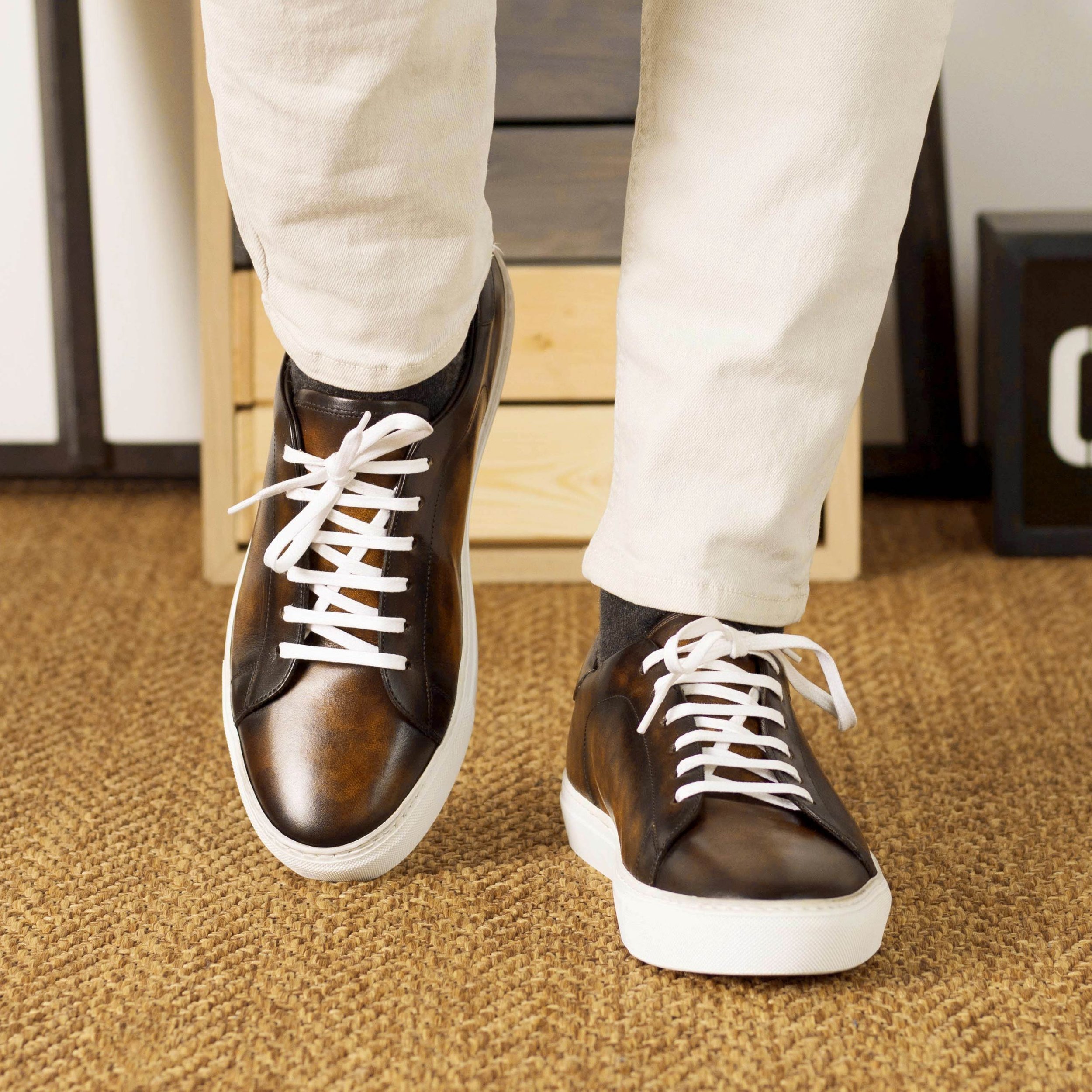
- Avoid suede shoes. They get damaged easily.
Plan your outfit for the weather and your commute.
Credit: www.robertorevillalondon.com
Business Casual For Business Travel
Travel brings extra challenges. You need clothes that pack well and look good after hours in a suitcase.
Packing Tips
- Roll clothes to avoid wrinkles. Packing cubes can help.
- Choose wrinkle-resistant fabrics. Look for “travel” collections.
- Pack versatile pieces to mix and match. One blazer, two shirts, and pants work for many days.
On The Road
- Keep a spare shirt for emergencies. Spills happen—be ready.
- Use travel-sized grooming products. Small bottles save space.
- Find nearby dry-cleaning options. Ask your hotel for help.
Travel smart—always bring one extra outfit.
How To Handle Dress Code Changes
Sometimes your office changes its dress code. Be flexible and adjust quickly.
Signs Of Change
- Company announcements. Read emails and bulletins.
- New managers with different expectations. Watch for new rules.
- Shifts to hybrid or remote work. Dress codes may loosen.
What To Do
- Ask for clear guidelines. Request written instructions.
- Observe what others wear. Follow the crowd if you’re unsure.
- Adjust your wardrobe gradually. Don’t buy everything new at once.
Change can be confusing—take your time and ask questions.
Business Casual Statistics And Data
Business casual is popular in many workplaces. Here are a few key facts:
- Over 60% of offices use business casual as their main dress code.
- Employees feel more comfortable and productive in business casual. Surveyed workers say they focus better when not worried about strict dress.
- Sales of business casual clothing have grown by 15% in the past decade. Brands now offer more options for office wear.
- Offices with flexible dress codes report higher job satisfaction. Workers stay longer and feel valued.
These facts show that business casual is not just a trend—it’s a proven way to balance comfort and professionalism.
Frequently Asked Questions
What Is The Difference Between Business Casual And Smart Casual?
Business casual is more focused on professional attire, such as dress shirts and slacks. Smart casual allows for more creativity, including trendy pieces and accessories. Smart casual might include jeans or stylish sneakers, but business casual keeps things more traditional.
Can I Wear Jeans In A Business Casual Office?
It depends on your workplace. Many offices allow dark, well-fitted jeans on casual Fridays or in creative industries. But in traditional sectors like finance or law, jeans are usually not part of business casual.
Are Sneakers Ever Acceptable In Business Casual?
Usually, sneakers are not allowed in business casual. However, some tech or creative companies permit clean, simple sneakers. Always check your company’s dress code before wearing them.
How Can I Personalize My Business Casual Look?
You can add personality with colorful accessories, patterned scarves, or unique jewelry. Just keep it subtle and professional. Choose one statement piece, like a watch or necklace, rather than many.
Where Can I Find More Information On Business Casual Dress Codes?
A good place to learn more is Business News Daily. They offer tips and examples for different industries.
Business casual is not always simple, but it is possible to master with practice and attention to detail. You do not need expensive clothes—just smart choices, good fit, and confidence. Dressing well is a way to show respect for yourself and your job.
Use this guide to build a wardrobe that works for your career and makes you feel comfortable every day.
