

What Clothes are Business Casual: Essential Guide for Professionals
What Clothes Are Business Casual
Business casual is everywhere, but what does it really mean? Many people struggle to dress correctly for this code. The line between professional and relaxed is not always clear. If you work in an office or attend work events, you may wonder: what clothes are business casual? This guide will help you understand business casual, with clear examples, comparisons, and practical tips.
Business casual is a balance. It allows you to look professional without wearing a full suit. At the same time, it avoids clothes that are too informal, like jeans and T-shirts. But the details can change depending on the company, industry, and even country.
Let’s explore what business casual really means, which clothes fit the code, and how to avoid mistakes.
Understanding Business Casual
Business casual is not a strict set of rules. It’s a style that sits between formal business attire and casual wear. You do not need a suit and tie, but you cannot wear shorts or flip-flops either. The goal is to look polished and comfortable.
Origins And Purpose
Business casual started as a way to relax office dress codes. Companies wanted employees to feel comfortable and look modern. The trend grew quickly, especially in tech and creative industries. Today, business casual is the standard in many offices, but every company can interpret it differently.
Why Does Business Casual Matter?
Your clothes affect how others see you. Dressing business casual shows respect for your workplace and coworkers. It also helps you feel confident. People often judge professionalism by appearance, so wearing the right clothes can make a strong impression.
Key Elements Of Business Casual For Men
Let’s break down the main items men wear for business casual. Not every piece fits, so it’s important to know what works and what doesn’t.
Shirts
Business casual shirts should look neat and pressed. Common choices:
- Button-down shirts (solid, stripes, small checks)
- Polo shirts (in good condition, not athletic)
- Sweaters (crew neck or v-neck, worn over a shirt)
- Dress shirts (without tie)
Avoid shirts with loud patterns, slogans, or bright colors.
Pants
Men should wear tailored pants. Best options:
- Chinos (cotton twill pants, usually beige, navy, or gray)
- Dress slacks (wool or polyester blends)
- Khakis
Jeans are risky. Dark, clean jeans can work in some offices, but light-wash or ripped jeans are not business casual.
Jackets
A jacket is not required, but it adds polish. Consider:
- Blazers (navy, gray, or black)
- Sport coats (soft tailoring)
Skip formal suit jackets unless the office expects them.
Shoes
Footwear must be clean and professional. Top choices:
- Loafers
- Oxfords
- Derby shoes
- Dress boots
Sneakers, sandals, or athletic shoes do not fit business casual.
Accessories
Keep accessories simple:
- Leather belt (matches shoe color)
- Watch (classic style)
- Tie (optional, but not required)
Avoid flashy jewelry or large logos.
Credit: gardner-webb.edu
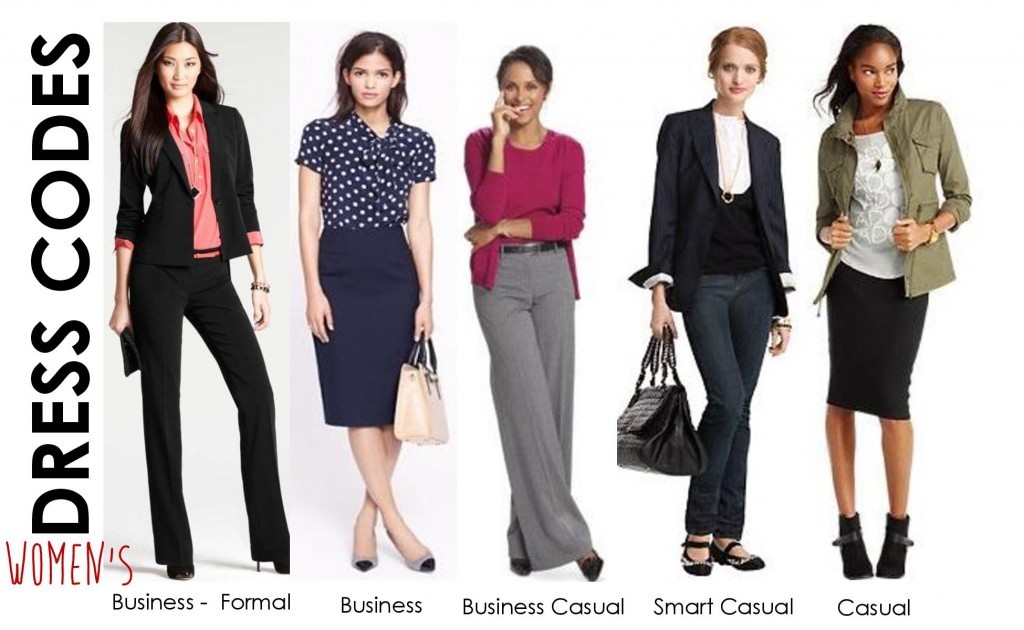
Key Elements Of Business Casual For Women
Women have more options, but clarity is still important. Here are the main business casual pieces for women.
Tops
Suitable tops include:
- Blouses (solid, subtle patterns)
- Button-down shirts
- Sweaters (cardigans, pullovers)
- Knit tops
Avoid low-cut, sleeveless, or see-through tops.
Pants And Skirts
Bottoms should be tailored:
- Dress slacks
- Chinos
- Knee-length skirts (pencil, A-line)
- Midi skirts
Short skirts or shorts are not business casual.
Dresses
Dresses are common in business casual. Best styles:
- Sheath dress
- Wrap dress
- Shift dress
Dresses should cover shoulders and reach knees or below.
Jackets
A jacket adds structure:
- Blazers (neutral colors)
- Cardigans
Avoid casual denim jackets.
Shoes
Footwear should be closed-toe and comfortable:
- Flats
- Loafers
- Heeled pumps (medium height)
- Dress boots
Sandals, flip-flops, and athletic shoes are too casual.
Accessories
Keep accessories subtle:
- Simple jewelry
- Leather handbag
- Belt
Limit flashy items or oversized bags.
Business Casual Vs. Other Dress Codes
Many people confuse business casual with other styles. To help, here’s a comparison between business casual, business formal, and casual dress codes.
| Dress Code | Main Features | Examples |
|---|---|---|
| Business Formal | Very structured, full suit, tie required | Suit, tie, dress shoes, white shirt |
| Business Casual | Neat, professional, relaxed, no tie needed | Blazer, chinos, blouse, dress slacks, loafers |
| Casual | Comfortable, informal, no restrictions | Jeans, T-shirt, sneakers, hoodie |
As you can see, business casual sits in the middle. It allows more comfort than business formal but keeps a professional look.
What Clothes Are Not Business Casual
Understanding what to avoid is just as important. Here are items that are never business casual:
- Shorts
- T-shirts
- Flip-flops
- Athletic shoes
- Hoodies
- Ripped jeans
- Tank tops
- Mini skirts
- Large logos
- Sweatpants
These items are too informal for any business casual setting.
Business Casual For Different Industries
Business casual changes depending on your workplace. For example, a tech company may allow jeans, while a bank expects slacks. Here’s how business casual looks in various fields:
Corporate Offices
Traditional companies (finance, law) require:
- Dress slacks
- Button-down shirts
- Blazers
- Polished shoes
Jeans are usually not allowed.
Tech And Creative Firms
Startups and creative workplaces are more relaxed:
- Dark jeans (sometimes allowed)
- Polo shirts
- Casual blazers
- Sneakers (clean, simple)
Still, avoid gym clothes or shorts.
Education
Teachers and staff often wear:
- Chinos
- Knit tops
- Cardigans
- Comfortable flats
Clothes must be neat and practical.
Healthcare (office Staff)
Receptionists and admin workers wear:
- Blouses
- Dress pants
- Closed-toe shoes
- Simple jewelry
Scrubs are only for medical staff.
Business Casual For Different Climates
The weather affects your business casual choices. Here are tips for different climates:
Warm Weather
- Choose light fabrics (cotton, linen)
- Wear short-sleeved shirts (if allowed)
- Use skirts or dresses (knee-length)
- Avoid sweat stains—wear undershirts
Cold Weather
- Layer with sweaters
- Wear dress boots
- Use wool pants
- Add scarves (neutral colors)
Rainy Weather
- Choose water-resistant shoes
- Carry a simple umbrella
- Wear trench coats (over business casual)
Practical Tips To Build A Business Casual Wardrobe
Building a business casual wardrobe can be easy if you follow these steps:
- Start with basics: Buy two pairs of slacks, two shirts, and one blazer.
- Choose neutral colors: Navy, gray, beige, black.
- Mix and match: Combine tops and bottoms for different looks.
- Add layers: Sweaters and jackets help adapt to weather.
- Invest in good shoes: Well-made shoes last longer and look better.
- Check fit: Clothes should not be too tight or too loose.
- Keep clothes clean: Iron shirts and polish shoes regularly.
Many beginners miss the importance of fit and fabric quality. Cheap fabrics wrinkle fast, and poor fit looks sloppy—even if the clothes are business casual.
Common Business Casual Mistakes
It’s easy to make mistakes with business casual. Here are some errors to avoid:
- Wearing wrinkled clothes: Always iron or steam your shirts and pants.
- Choosing bright colors or patterns: Stick to subtle prints and colors.
- Ignoring footwear: Shoes should be clean and professional.
- Mixing casual with formal: For example, wearing a formal suit jacket with jeans.
- Forgetting about accessories: A belt and watch can complete the look.
Another mistake is overdressing or underdressing. If you’re not sure, ask coworkers or HR about the dress code.
Business Casual Examples
Let’s see some real-life examples of business casual outfits.
Men’s Outfit Examples
- Navy chinos, white button-down shirt, brown loafers
- Gray dress slacks, light blue sweater, black dress shoes
- Beige khakis, navy blazer, striped shirt, leather belt
Women’s Outfit Examples
- Black pencil skirt, white blouse, gray cardigan, black flats
- Navy dress pants, patterned blouse, tan loafers
- Knee-length sheath dress, blazer, simple necklace, heeled pumps
These outfits work in most offices and give a polished, relaxed look.
How To Transition From Business Formal To Business Casual
If your workplace moves from business formal to business casual, here’s how to adapt:
- Remove the tie: Wear dress shirts without ties.
- Swap suit pants for chinos: Choose tailored cotton pants.
- Replace formal shoes with loafers: Loafers are comfortable and professional.
- Add sweaters or casual jackets: Layer for a relaxed look.
- Use subtle colors: Avoid black suit-only colors; try navy or gray.
It’s smart to keep one formal outfit ready for meetings or special events.
Business Casual For Remote Work
With remote work, dress codes are changing. Even on video calls, business casual still matters:
- Wear a collared shirt or blouse
- Avoid T-shirts or pajamas
- Pick neutral colors for camera
- Keep background tidy
Studies show that dressing well for remote work increases productivity and confidence.

Credit: www.wikihow.com
How To Choose Business Casual Clothes For Your Body Type
Body type affects clothing choices. Here are tips for different shapes:
Men
- Tall and slim: Try layered looks and patterns to add bulk.
- Shorter build: Choose single-color outfits to elongate the body.
- Muscular: Avoid tight shirts; choose relaxed fits.
Women
- Curvy: Wear wrap dresses and structured blazers.
- Petite: Choose knee-length skirts and fitted tops.
- Tall: Try wide-leg pants and long jackets.
Always try clothes before buying. Tailoring makes a big difference.
Quick Business Casual Checklist
Before leaving home, check:
- Clothes are pressed and clean
- Shoes are professional and polished
- Accessories are simple
- No visible logos or slogans
- Outfit fits well and feels comfortable
Business Casual For Special Occasions
Some work events require special attention. Here’s what to wear:
Office Party
- Men: Polished chinos, dress shirt, casual blazer
- Women: Knee-length dress, cardigan, simple jewelry
Client Meeting
- Men: Dress slacks, button-down shirt, blazer
- Women: Dress pants, blouse, structured blazer
Casual Friday
- Men: Dark jeans, polo shirt, loafers
- Women: Midi skirt, knit top, flats
Even on relaxed days, avoid clothes that are too informal.
Business Casual By Country
Business casual changes around the world. For example:
- US: Neutral colors, chinos, polos
- UK: More formal, often includes blazers
- Japan: Modest styles, no bright colors
- Australia: Relaxed, allows smart jeans
Always check local customs before dressing.
Business Casual For Plus Sizes
Finding business casual clothes for plus sizes can be tricky. Look for:
- Tailored fits: Avoid baggy clothes; choose structured items
- Dark colors: Slimming effect
- Stretch fabrics: Comfort and flexibility
- V-neck tops: Elongate the neckline
Many brands now offer business casual lines in extended sizes.
Sustainable Business Casual Choices
Eco-friendly options are growing. You can build a sustainable business casual wardrobe by:
- Choosing organic cotton or recycled polyester
- Buying from brands with ethical practices
- Shopping secondhand for blazers or slacks
Sustainable choices last longer and are better for the planet. For more information, see Good On You.

Credit: plattar.com
Cost Comparison: Business Casual Vs. Business Formal
Buying business casual clothes is usually less expensive than buying formal suits. Here’s a simple price comparison:
| Item | Business Formal (USD) | Business Casual (USD) |
|---|---|---|
| Suits | 200-800 | Not needed |
| Dress shirts | 40-100 | 30-80 |
| Slacks/Chinos | 60-150 | 40-120 |
| Blazers | 100-300 | 80-220 |
| Shoes | 90-250 | 70-180 |
You can build a basic business casual wardrobe for less than a formal one.
How To Shop For Business Casual
When shopping, keep these tips in mind:
- Try clothes on: Fit matters more than brand
- Check fabric care: Choose easy-care materials
- Buy versatile items: Mix and match pieces
- Look for deals: Outlet stores, online sales, secondhand shops
Many people forget to check return policies and end up with clothes they don’t wear.
Maintaining Business Casual Clothes
Good care keeps your clothes looking new:
- Wash gently: Use cold water for shirts and pants
- Hang jackets: Avoid folding blazers
- Polish shoes: Clean leather often
- Store neatly: Use hangers and shelves
Ironing and steaming help avoid wrinkles. Don’t wait until clothes look worn out.
Business Casual For Young Professionals
Young professionals often worry about cost and style. Here’s how to start:
- Buy one blazer, two pairs of pants, three shirts
- Avoid trendy items—choose classic styles
- Use accessories to add personality
It’s better to invest in quality basics than cheap, fast fashion.
Business Casual For Older Workers
Older workers may prefer classic styles:
- Choose neutral colors
- Wear structured jackets
- Use simple jewelry
Comfort is important, but avoid clothes that look too relaxed.
Data: Business Casual Trends
Recent surveys show business casual is growing. A poll by SHRM found that about 70% of companies use business casual as their main dress code. Younger workers prefer more relaxed options, while older workers stick to traditional styles.
Another insight: remote work has made business casual more flexible. Many offices now accept jeans and sneakers if they look neat.
Frequently Asked Questions
What Is The Biggest Difference Between Business Casual And Business Formal?
Business formal requires a full suit and tie, while business casual allows more relaxed items like chinos, blouses, and loafers. The main difference is the level of structure and formality.
Can I Wear Jeans For Business Casual?
Dark, clean jeans may be allowed in some offices, but light-wash or ripped jeans are never business casual. Always check your company’s policy before wearing jeans.
Are Sneakers Ever Business Casual?
Most offices do not accept sneakers for business casual. Some creative companies allow simple, clean sneakers. Avoid athletic or flashy styles.
Is Business Casual The Same For Men And Women?
The basic idea is the same: neat, professional, comfortable. But women have more options, like dresses and skirts. Both should avoid overly casual clothes.
How Can I Know If My Outfit Fits Business Casual?
Check for clean, pressed clothes, neutral colors, simple accessories, and professional shoes. Avoid anything too tight, loose, or informal. If in doubt, ask HR or look at coworkers’ outfits.
Business casual can feel confusing, but once you understand the basics, it’s easy to get right. With the right pieces and a little attention to detail, you can look professional and comfortable every day. Remember: the key is balance. Choose clothes that show respect for your workplace but let you relax and express your style.
