

What are Good Workout Clothes? Top Picks for Comfort & Performance
What Are Good Workout Clothes
Choosing the right workout clothes can change the way you exercise. It’s not just about fashion or looking good at the gym. The clothes you wear affect comfort, performance, and even motivation. Many people spend hours picking the right workout plan or diet but forget how important clothing is.
If you’ve ever felt itchy, too hot, too cold, or just uncomfortable during a workout, you know clothing matters. This guide will help you understand what makes good workout clothes, how to choose them, and why they are essential for anyone who wants to get the most from their fitness routine.
Why Good Workout Clothes Matter
You might ask, “Can’t I just wear any T-shirt and shorts?” The truth is, specially designed workout clothes offer benefits that regular clothes do not. They help you move freely, manage sweat, prevent chafing, and can even keep you safe from injuries or weather.
Comfort And Movement
Good workout clothing uses stretchy materials like spandex or elastane. These allow your body to move in all directions, whether you’re stretching, running, or lifting weights. Tight, non-stretchy clothes can restrict your range of motion and make exercise uncomfortable.
Moisture Management
Sweat can be a big problem when exercising. Regular cotton shirts absorb sweat and stay wet, making you feel cold or heavy. Good workout clothes use moisture-wicking fabrics to draw sweat away from your body, keeping you dry and comfortable. This is especially important for high-intensity workouts.
Reducing Chafing And Irritation
Chafing happens when skin rubs against fabric or other skin, causing soreness or even blisters. Workout clothes with flat seams or seamless designs reduce this friction. Materials that feel smooth against the skin are also important for avoiding irritation.
Safety And Protection
For outdoor workouts, clothes can protect you from the sun, wind, or cold. Some clothes have UV protection, while others are windproof or insulated. Good shoes support your feet and prevent injuries. Reflective details on clothes help you stay visible if you run or cycle in low light.
Motivation And Confidence
Wearing clothes that fit well and look good can boost your confidence. When you feel good in your gear, you’re more likely to enjoy your workout and stick with your routine. This psychological boost is often overlooked but very real.
Key Features Of Good Workout Clothes
Now, let’s look at the specific features you should look for when shopping for workout clothes. Not all athletic wear is the same, and knowing what to check for can save you time and money.
Moisture-wicking Fabric
The most important feature is moisture management. Look for words like “moisture-wicking,” “quick-dry,” or “breathable” on tags. These fabrics pull sweat away from your body and let it evaporate quickly. Materials like polyester, nylon, and blends with spandex are popular for this reason.
Breathability
Breathable clothes allow air to circulate, helping your body stay cool. Mesh panels, tiny holes, or lightweight fabrics improve airflow. This is important for both tops and bottoms, especially in hot weather or during intense exercise.
Fit And Flexibility
Workout clothes should feel snug but not tight. They should move with you, not against you. Four-way stretch fabrics are ideal. Try bending, squatting, or reaching when trying on clothes to check their flexibility.
Durability
Athletic clothes take a lot of stress from movement, washing, and sweat. Look for double-stitched seams, quality zippers, and strong fabrics. Avoid clothes that feel flimsy or look like they might rip easily.
Odor Control
Some workout fabrics have antimicrobial treatments that help prevent bad smells. This is helpful for people who sweat a lot or don’t wash their workout gear after every use. Silver ions and other treatments stop bacteria from growing in the fabric.
Uv Protection
If you exercise outside, UV protection matters. Some clothes are labeled with UPF (Ultraviolet Protection Factor) ratings. A higher number means better protection from the sun’s rays.
Reflective Elements
For runners, cyclists, or anyone who exercises outdoors in the early morning or evening, reflective strips or logos are a must. They make you more visible to drivers and other people.
Pockets And Storage
Practical features like pockets can make a big difference. Zippered pockets keep keys, cards, or a phone safe while you exercise. Some leggings have hidden waistband pockets, and many running shorts offer small zip pouches.
Easy Care
Workout clothes need frequent washing. Choose fabrics that hold their shape and color after washing. Check labels for instructions, and avoid clothes that require dry cleaning or special treatment.
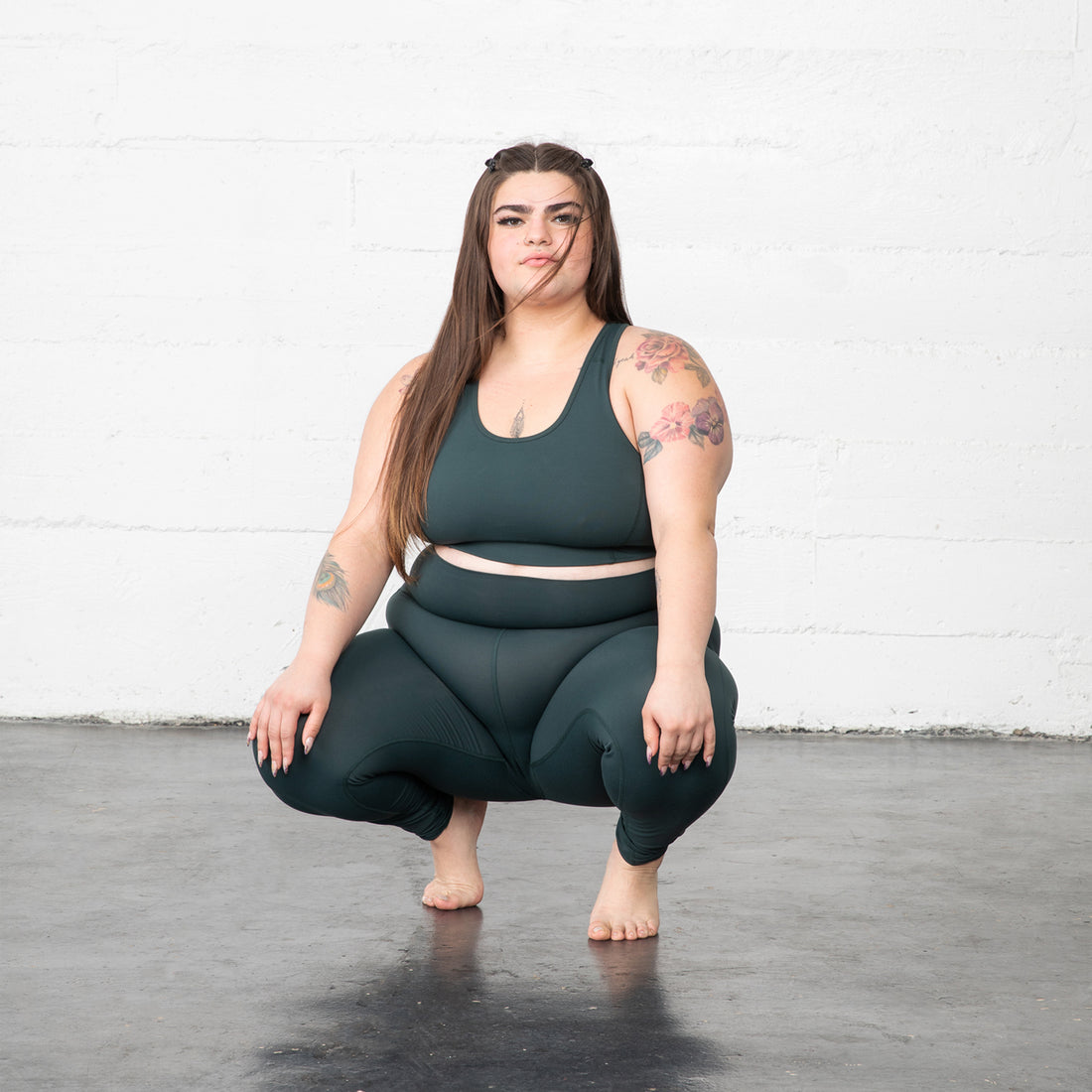
Credit: superfithero.com
Types Of Workout Clothes And Their Purposes
Workout clothing is not one-size-fits-all. What you wear depends on your activity, the environment, and your body type. Here’s a breakdown of the main types of workout clothes and when to use them.
Tops
- T-shirts: Look for moisture-wicking, lightweight options. Mesh panels under the arms or on the back add breathability.
- Tank tops: Ideal for hot weather or high-intensity workouts. Make sure the armholes don’t rub or chafe.
- Long sleeves: Useful for layering in cold weather or for sun protection. Some have thumbholes to keep sleeves in place.
- Sports bras: Essential for women. They should offer enough support for your activity. High-impact sports bras are best for running or jumping; low-impact bras are okay for yoga or walking.
Bottoms
- Shorts: Choose length and fit based on your preference. Running shorts are often loose with built-in liners, while compression shorts are tighter and reduce muscle vibration.
- Leggings/tights: Great for flexibility and coverage. Look for high-stretch, opaque fabrics.
- Capris: Shorter than full-length leggings, good for moderate weather.
- Joggers/sweatpants: Best for warming up, cooling down, or low-intensity activities. Modern joggers use lighter, flexible materials.
Outerwear
- Jackets: Windbreakers, rain jackets, or insulated jackets protect against weather. Some have removable layers for versatility.
- Vests: Keep your core warm without overheating your arms. Good for outdoor runs in cool weather.
- Pullovers/hoodies: Best for warming up or post-workout. Choose lightweight options for easier layering.
Footwear
- Running shoes: Designed for forward motion and shock absorption.
- Cross-trainers: Good for varied gym workouts, offering side support.
- Weightlifting shoes: Have a flat, sturdy base for better stability.
- Minimalist shoes: Offer a barefoot feel for certain workouts, but require adjustment.
- Sport-specific shoes: Basketball, tennis, or soccer shoes have features for their sports.
Socks
- Athletic socks: Look for moisture-wicking, padded, and seamless options. Avoid cotton if you sweat a lot.
- Compression socks: Improve circulation and recovery for runners or those on their feet long.
Accessories
- Headbands/hats: Keep sweat and hair out of your face.
- Gloves: Useful for weightlifting or cycling to protect hands and improve grip.
- Arm sleeves and calf sleeves: Offer support and warmth for specific muscles.
- Hydration belts or packs: Carry water during long runs or hikes.
Comparison: Workout Clothes Vs. Regular Clothes
To see why dedicated workout clothes are better than everyday clothes for exercise, look at the differences side by side.
| Feature | Workout Clothes | Regular Clothes |
|---|---|---|
| Moisture Management | Wicks sweat, dries fast | Absorbs sweat, stays wet |
| Stretch & Fit | Flexible, allows movement | Limited stretch, restricts movement |
| Durability | Withstands repeated wear | Wears out quickly |
| Odor Control | Antimicrobial options | No odor protection |
| Protection | UV, weather, and injury protection | Minimal or no protection |
How To Choose Good Workout Clothes
Picking the right workout clothes doesn’t have to be confusing. Follow these steps to find gear that works for you.
1. Know Your Activity
Think about your main workout type. Running, yoga, lifting weights, cycling, and hiking all require different features. For example, runners need lightweight, breathable clothes, while weightlifters need more fitted gear for support.
2. Consider The Environment
Is it hot, cold, rainy, or windy where you train? Layering is key for changing weather. For hot climates, go for light colors and thin, breathable fabrics. In cold weather, layer with moisture-wicking base layers, insulating mid-layers, and windproof outer layers.
3. Prioritize Fit And Comfort
Try on clothes and move around. Squat, stretch, or jog in place to test fit. Clothes should not pinch, sag, or ride up. Seams shouldn’t rub against your skin. If you feel uncomfortable in the store, it will be worse during exercise.
4. Check Fabric Labels
Look for polyester, nylon, or spandex blends. Avoid 100% cotton for intense workouts. Check for odor control, UV protection, or water resistance if you need them.
5. Think About Practical Features
Do you need pockets for keys or a phone? Will you be running at night? Look for reflective details. If you sweat a lot, choose light colors that don’t show sweat stains.
6. Invest In Good Shoes
Don’t buy shoes just for style. Get fitted at a specialty store if possible. Your shoes should match your activity, foot shape, and support needs.
7. Set A Budget
Quality workout clothes can be expensive, but you don’t need to buy all at once. Start with essentials and add pieces over time. Sometimes, mid-range brands offer great value.
8. Test Before You Commit
If possible, buy one item to try before getting more. Wear it for a full workout and see how it performs. This avoids wasting money on clothes that look good but don’t work for you.
Common Mistakes When Buying Workout Clothes
Even experienced athletes make mistakes when choosing their workout gear. Here are some pitfalls to avoid.
- Buying too tight or too loose: Clothes should fit snugly but not restrict movement or breathing. Super-tight clothes can cut off circulation, while loose clothes can get in the way or catch on equipment.
- Ignoring the weather: Wearing summer gear in winter, or vice versa, leads to discomfort and possible health risks.
- Focusing only on looks: Trendy styles may not offer function or comfort. Always test for performance, not just appearance.
- Neglecting shoe support: Wearing the wrong shoes can cause injuries, especially for running or high-impact sports.
- Not considering maintenance: Some clothes need special washing or care. Check labels to avoid surprises.
- Overlooking seam placement: Seams in the wrong places can cause chafing, especially in shorts or sports bras.
- Skipping features like pockets: If you bring keys, cards, or a phone, make sure your clothes have safe storage.
Credit: www.businessinsider.com
How Workout Clothes Impact Performance
Scientific studies and athlete experiences show that the right workout clothes can boost performance in several ways.
Temperature Regulation
Moisture-wicking and breathable materials help your body stay at an optimal temperature. This can help you exercise longer and recover faster.
Reduced Fatigue
Compression clothes can improve blood flow and reduce muscle vibration. Some studies show that this leads to less fatigue and faster recovery, especially for endurance athletes.
Injury Prevention
Proper shoes and supportive gear reduce the risk of blisters, sprains, and other injuries. Padded socks, gloves, or braces can protect vulnerable areas.
Psychological Edge
Feeling good in your workout clothes can make you more confident and motivated. This mental boost often leads to better performance and consistency.
Caring For Your Workout Clothes
Quality workout gear is an investment. Taking care of it ensures it lasts longer and performs better.
Washing Tips
- Wash sweaty clothes as soon as possible to avoid odor buildup.
- Use cold water and gentle cycles to protect fabric treatments.
- Avoid fabric softeners, which can block moisture-wicking properties.
- Hang dry clothes when possible, as heat from dryers can damage elastic fibers.
Storage Tips
- Store clothes in a cool, dry place.
- Avoid keeping sweaty clothes in a gym bag for long periods.
- Fold or hang clothes to keep their shape.
When To Replace
- Replace shoes every 500-800 kilometers of running or when they lose support.
- Change clothes when they lose stretch, get holes, or no longer wick sweat.
Data: Top Workout Clothes Materials And Their Properties
To help you pick the right gear, here’s a comparison of popular workout fabrics and their main qualities.
| Material | Moisture-Wicking | Breathability | Stretch | Odor Control | Durability |
|---|---|---|---|---|---|
| Polyester | Excellent | Good | Good | Fair | High |
| Nylon | Very Good | Good | Very Good | Good | High |
| Spandex/Elastane | Good | Good | Excellent | Fair | Medium |
| Cotton | Poor | Good | Fair | Poor | Low |
| Merino Wool | Good | Very Good | Good | Excellent | Medium |
Popular Brands And What Sets Them Apart
While brand is not everything, some companies lead the way in innovation, quality, and design. Here’s a brief overview of what makes top brands stand out.
- Nike: Known for a wide range of fits and tech fabrics, including Dri-FIT for moisture-wicking.
- Adidas: Features Climalite and Primeknit for breathability and comfort.
- Under Armour: Specializes in compression gear and anti-odor technology.
- Lululemon: Focuses on yoga and running with high-quality, buttery-soft fabrics.
- Reebok: Offers CrossFit-specific clothes with reinforced stitching.
- Patagonia: Known for sustainable practices and high-quality outdoor gear.
When trying new brands, check reviews and return policies. Not every brand fits every body type or activity the same.
Two Non-obvious Insights Most People Miss
- Layering is more than just warmth. Many think layers are only for cold weather, but smart layering helps with sweat management year-round. A moisture-wicking base, insulating mid-layer, and protective outer layer can be adjusted for any climate.
- Color matters for visibility and temperature. Light colors reflect sunlight and keep you cooler, while bright colors or neons make you more visible to cars, especially in low light. Don’t just pick colors for style—think safety and comfort.
How To Build A Minimal, Effective Workout Wardrobe
You don’t need a closet full of expensive gear. Here’s how to cover all your basic needs with just a few pieces.
- 2-3 workout tops: Mix short sleeves and tanks for different weather.
- 2 bottoms: One pair of shorts and one pair of leggings or joggers.
- 1 sports bra (for women): Start with at least one high-quality, supportive bra.
- 1-2 pairs of socks: Moisture-wicking and padded.
- 1 pair of shoes: Matched to your main activity.
- 1 outer layer: Lightweight jacket or hoodie for warm-up or outdoor sessions.
- 1 accessory: Headband, cap, or gloves if needed.
This set covers most activities. Add more only if you do multiple sports or train often.
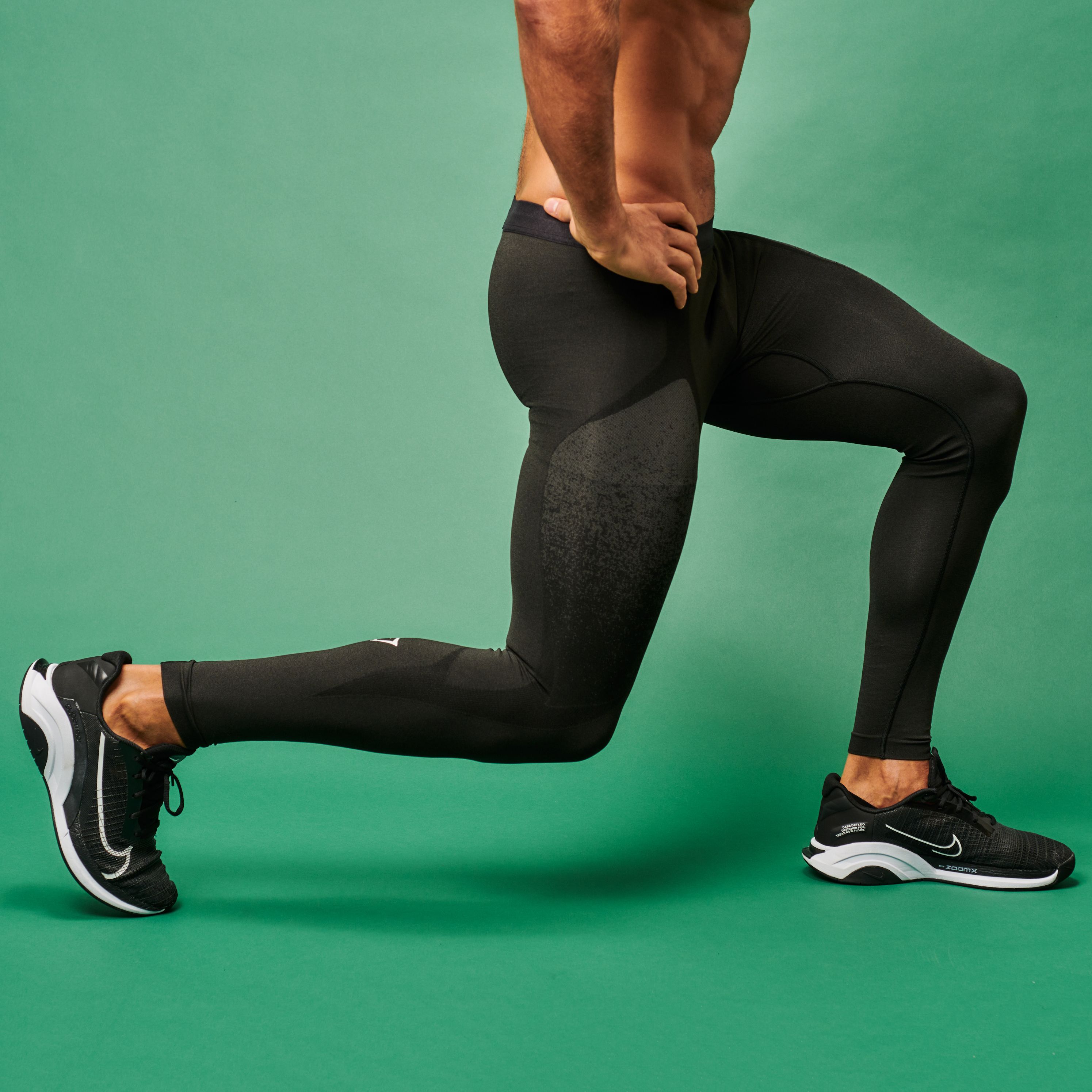
Credit: britogallo.es
When To Upgrade Your Workout Clothes
Even if your clothes aren’t worn out, sometimes it makes sense to upgrade:
- Your workouts change (e.g., start running outside, join a new class)
- Body shape or size changes
- You feel discomfort or irritation during exercise
- Fabrics lose their stretch or no longer wick sweat
- You need more motivation or confidence
A small wardrobe update can reignite your excitement for fitness.
Real-world Example: Training In Different Climates
Imagine you’re training for a marathon. In hot, humid weather, you’ll want a sleeveless top, lightweight shorts, and mesh panels for maximum airflow. In cold, windy weather, you’ll need a thermal base layer, insulated leggings, gloves, and a windproof jacket.
The right clothes keep you focused on your training, not the discomfort.
Where To Learn More
If you want to dive deeper into the science behind athletic wear, check out this detailed overview from Verywell Fit. It covers gym clothing choices, special needs, and tips for every body type.
Frequently Asked Questions
What Are Moisture-wicking Clothes, And Why Are They Important?
Moisture-wicking clothes pull sweat away from your skin and let it evaporate quickly. This keeps you dry, comfortable, and helps prevent chafing and rashes during exercise.
How Often Should I Replace My Workout Clothes?
Replace workout clothes when they lose their stretch, develop holes, or no longer wick sweat. Shoes should be replaced after 500-800 kilometers of running, or when support is lost.
Can I Wear Cotton For Exercise?
Cotton is okay for light activities but not for intense workouts. It absorbs sweat, stays wet, and can cause chafing. Synthetic fabrics are better for most workouts.
What Should I Look For In A Sports Bra?
Choose a sports bra with enough support for your activity (high-impact or low-impact), moisture-wicking fabric, and comfortable straps. It should fit snugly without digging into your skin.
Are Expensive Workout Clothes Worth It?
Expensive clothes often offer better materials and fit, but you don’t need to buy only high-end gear. Focus on features like moisture management, comfort, and durability. Test one piece before buying more.
---
Good workout clothes are more than just a trend—they are a tool to help you move better, stay comfortable, and reach your fitness goals. The right gear supports your body, prevents injuries, and can even make you feel more confident and motivated.
Whether you’re just starting out or training for a marathon, invest in clothing that matches your needs. Focus on comfort, fit, and function, and you’ll notice the difference in every workout.
