

Can Sweaty Gym Clothes Cause Yeast Infection? What You Need to Know
Can Sweaty Gym Clothes Cause Yeast Infection
Working out is a healthy habit, but it comes with questions many don’t expect. If you’ve ever wondered, “Can sweaty gym clothes cause yeast infection? ” you’re not alone. Sweat, tight clothing, and heat can change how your skin and body feel after exercise.
For some, this can lead to itching, discomfort, and even infection. Understanding the connection between your workout gear and your health can help you make smarter choices and avoid annoying problems.
This guide explains why yeast infections sometimes happen after exercise, the science behind sweat and fabrics, signs to watch for, and how to protect yourself. You’ll find answers that go beyond the basics—so you can focus on fitness, not frustration.
What Is A Yeast Infection?
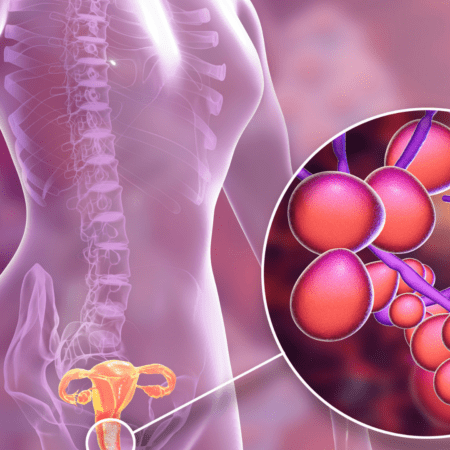
A yeast infection is a common problem caused by an overgrowth of Candida, a type of fungus. Normally, Candida lives harmlessly on the skin, in the mouth, and in the genital area. But certain conditions, like extra warmth or moisture, can make it grow too much.
The most common type is vaginal yeast infection, but yeast can also affect skin folds, underarms, and other areas where sweat collects. Symptoms often include:
- Itching or burning
- Redness or rash
- White, thick discharge (like cottage cheese)
- Soreness or swelling
While these symptoms are uncomfortable, yeast infections are usually not dangerous. However, they can keep coming back if you don’t address the cause.
How Sweaty Gym Clothes Contribute To Yeast Infections
Sweaty workout clothes can be a perfect place for yeast to grow. Here’s why:
Moisture And Heat
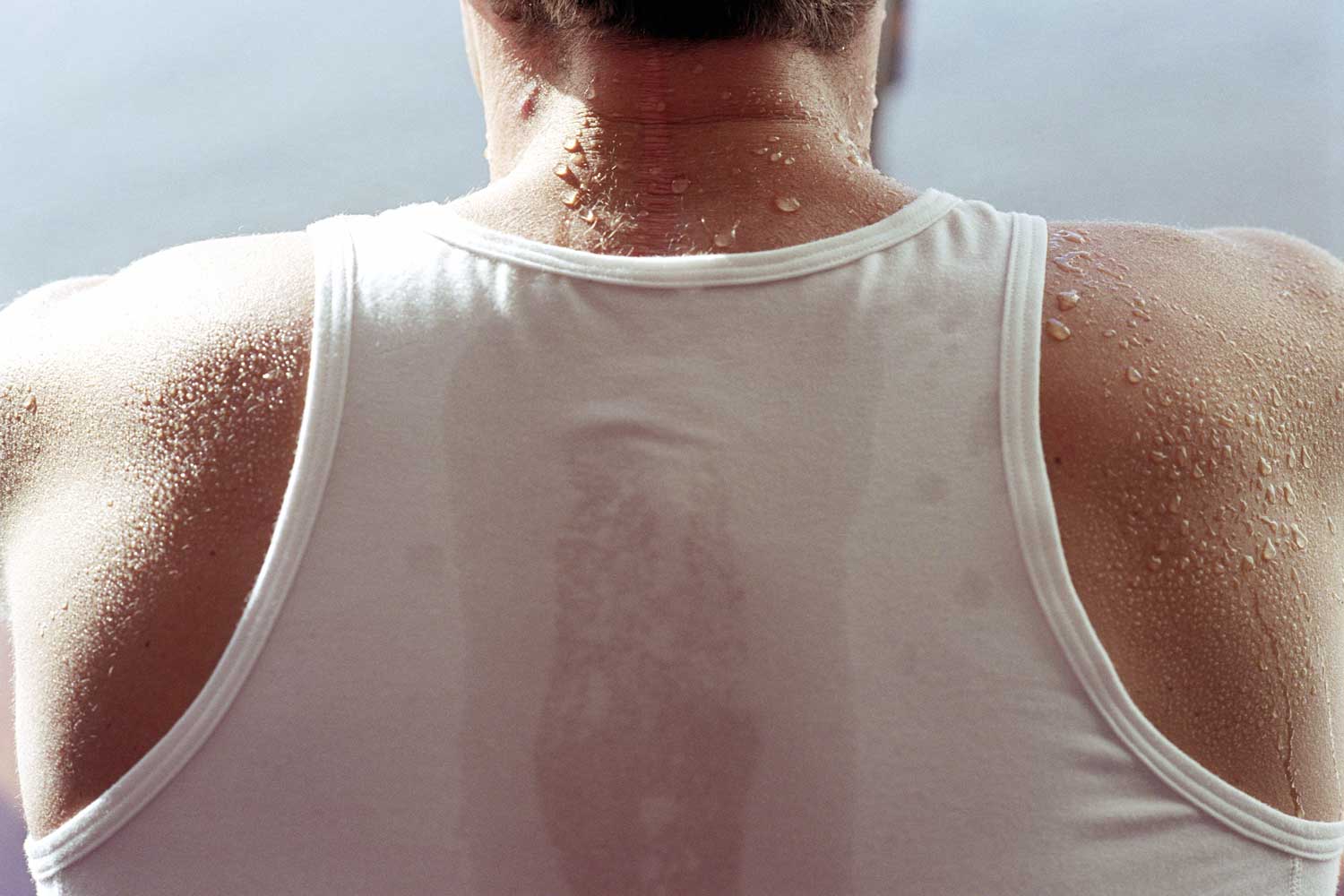
Yeast likes warm, damp places. After exercise, sweat gets trapped in tight or synthetic fabrics, raising the temperature and moisture level against your skin. This creates an ideal environment for Candida to multiply.
Friction
Tight gym clothes, especially leggings or compression shorts, can rub against the skin. Friction makes tiny breaks in the skin barrier, making it easier for yeast to enter and cause problems.
Lack Of Air Flow
Many athletic clothes use synthetic materials that don’t breathe well. Without good air flow, the area stays hot and moist. Natural fabrics like cotton allow more air, but even these can hold sweat if they get soaked.
Delaying Clothes Change
Waiting a long time to change out of sweaty clothes increases your risk. The longer your skin stays wet and warm, the more time yeast has to grow.
Example Scenarios
Imagine finishing a spin class, then driving home in the same leggings for an hour. Or, wearing the same sports bra for a second workout without washing it. In both cases, you’re giving yeast a perfect chance to thrive.

Credit: azoproducts.com
The Science: Sweat, Skin, And Yeast
To understand the risk, it helps to know what sweat does to your skin and clothing.
What’s In Sweat?
Sweat is mostly water, but also contains salt, urea, and other minerals. After heavy exercise, sweat can change the pH (acidity) of the skin. Yeast grows best when the skin is less acidic.
How Fabrics Affect Risk
Different fabrics handle moisture in different ways.
| Fabric | Moisture Absorption | Breathability | Yeast Infection Risk |
|---|---|---|---|
| Cotton | High (holds sweat) | Good | Medium |
| Polyester | Low (wicks, but can trap heat) | Poor | High |
| Bamboo | Moderate | Good | Lower |
| Wool | Moderate | Good | Lower |
Insight: Many people think “moisture-wicking” means safer. However, some synthetic fabrics wick sweat away from the skin but trap it inside the fabric, keeping the area damp.
The Role Of Ph
Healthy skin is slightly acidic, which helps stop yeast from growing. Sweat and some detergents can make the skin less acidic, giving yeast an advantage.
Who Is Most At Risk?
Some people are more likely to get yeast infections after wearing sweaty gym clothes. Risk factors include:
- Women – especially those who are pregnant, on birth control pills, or using hormone therapy
- People with diabetes – high blood sugar feeds yeast
- Anyone with a weak immune system – from illness or medication
- Those taking antibiotics – which kill good bacteria that control yeast
- People who sweat a lot – naturally or due to intense workouts
- Individuals with skin folds – such as under the breasts, groin, or belly
Non-obvious insight: Even men can get yeast infections, especially in the groin area (sometimes called “jock itch”). It’s not just a women’s issue.
Common Signs And Symptoms Linked To Gym Clothes
Yeast infections caused by sweaty gym clothes can show up differently depending on the area. Watch for:
- Genital area: Itching, burning, redness, swelling, unusual discharge (for women), discomfort during sex or urination
- Skin folds (under breasts, stomach, groin): Red rash, sometimes with blisters or cracking
- Feet (athlete’s foot): Itching, peeling skin, burning between toes
Important: Not every itch or rash is a yeast infection. Allergies to detergent, chafing, and other infections can look similar.
Steps To Prevent Yeast Infections From Gym Clothes
You don’t need to stop exercising to stay healthy. Simple habits can greatly reduce your risk:
1. Change Quickly
Always change out of sweaty clothes as soon as possible. Even a short delay increases the risk.
2. Choose The Right Fabrics
Pick breathable, moisture-wicking materials for workout gear. Natural fibers like bamboo and wool work well. Avoid tight, non-breathable fabrics for underwear and sports bras.
3. Wash Gym Clothes Properly
Wash workout gear after every use. Use hot water when possible, and avoid fabric softeners, which can coat fibers and trap moisture.
4. Dry Clothes Completely
Never wear damp clothes from the hamper. Let everything dry fully before wearing again.
5. Practice Good Hygiene
Shower soon after exercise, using mild soap. Dry skin thoroughly, especially in folds.
6. Use Powder Or Barrier Creams
Some people use antifungal powders or barrier creams (like zinc oxide) in problem areas to reduce moisture and friction.
7. Go Commando (when Appropriate)
At home, consider removing underwear or wearing loose shorts to let skin breathe.
8. Manage Sweat
If you sweat heavily, use absorbent pads or liners in high-sweat areas. Bring extra clothes for a mid-workout change if needed.
9. Watch For Early Signs
Treat any itching or redness early. Over-the-counter antifungals can help if started soon.
10. Maintain Healthy Blood Sugar
If you have diabetes, keeping blood sugar stable reduces yeast growth.
Pro tip: If you use locker rooms, sit on a towel instead of bare benches to reduce exposure to fungi.
Credit: www.arnoldgymgear.com
When To See A Doctor
Most yeast infections are mild and respond to home treatment. But you should seek medical help if:
- Symptoms last more than a few days
- You have severe pain, fever, or swelling
- Infections keep coming back
- You’re unsure about the cause (for example, if it could be a different infection)
A doctor can confirm the diagnosis and may prescribe stronger treatments.
Special Concerns: Yeast Infections In Athletes
Athletes, especially those in close-contact sports or who wear tight uniforms, face unique challenges. Swimmers, runners, cyclists, and dancers are all at risk.
Case Example: Cyclists
Cyclists often wear padded shorts for long rides. These can trap sweat and heat, especially on multi-hour rides. Cleaning gear and changing quickly after cycling are crucial. Some cyclists use chamois cream to reduce friction, but it’s important to wash it off after riding.
Case Example: Swimmers
Swimmers may think they are safe, but wet swimsuits can also trap moisture. Changing out of swimwear right after swimming is just as important as with gym clothes.
Team Sports
Shared locker rooms and equipment can spread not only yeast but also other fungi like athlete’s foot and ringworm. Good hygiene protects both you and your teammates.
The Role Of Underwear And Sports Bras
What you wear under your gym clothes matters as much as the outer layer.
Underwear Choices
Cotton underwear breathes but can get soggy. Synthetic blends wick moisture but may trap heat. Seamless, moisture-wicking options are best for most people. Avoid thongs or tight styles that increase friction.
Sports Bras
Sports bras get sweaty and rarely dry out during use. Wash after each wear and avoid wearing for long periods post-exercise.
| Undergarment | Best for Breathability | Best for Moisture Control | Risk if Worn Wet |
|---|---|---|---|
| Cotton Underwear | High | Low | Medium |
| Synthetic Underwear | Medium | High | High |
| Sports Bra | Medium | Medium | High |
Non-obvious tip: Even “antibacterial” or “odor-resistant” fabrics can keep skin damp. They may reduce smell, but not always infection risk.
Detergents And Laundry Habits
The way you wash your gym clothes makes a difference.
- Use hot water if the fabric allows. Cold water doesn’t kill yeast as well.
- Avoid fabric softeners, which can coat fibers and trap moisture.
- Dry clothes in sunlight when possible. Sunlight helps kill fungus.
- Don’t leave wet clothes in a gym bag or hamper for long periods.
Hidden risk: Yeast can sometimes survive in damp laundry. Wash gear as soon as you can, not just when you run out of clean clothes.
Yeast Infection Vs. Other Skin Problems
Not every rash or itch after exercise is a yeast infection. Here’s how yeast infections compare to other common issues:
| Condition | Key Symptoms | Common After Exercise? | Treatment |
|---|---|---|---|
| Yeast Infection | Itchy, red, sometimes thick white discharge | Yes | Antifungal cream or pill |
| Chafing | Redness, raw skin, pain | Yes | Barrier cream, reduce friction |
| Bacterial Infection | Red, swollen, may ooze pus | Less common | Antibiotics |
| Contact Dermatitis | Itchy, red, often from detergent or fabric | Yes | Avoid trigger, use mild soap |
If symptoms don’t improve with basic treatment, see a healthcare provider.
Myths And Misunderstandings
Many people believe things about yeast infections that aren’t true. Let’s clear up some common myths.
Myth 1: Only Women Get Yeast Infections
Reality: Men and children can get them, especially in skin folds and the groin.
Myth 2: All Moisture-wicking Fabrics Are Safe
Reality: Some trap heat or stay damp. Choose breathable, quick-drying materials.
Myth 3: You Must Stop Exercising
Reality: You can still work out safely. Good hygiene and smart clothing choices make a big difference.
Myth 4: Yeast Infections Are Always Caused By Poor Hygiene
Reality: Even with perfect hygiene, you can get an infection if other risk factors are present.
Myth 5: Over-the-counter Products Always Work
Reality: Some infections need prescription treatment, especially if they keep coming back.
Bonus insight: Scented wipes and powders can irritate the skin and make infections worse. Stick to unscented, gentle products.
The Role Of Diet And Lifestyle
Your overall health can affect how often you get yeast infections.
Sugar And Yeast
Yeast feeds on sugar. Diets very high in sugar or refined carbs may make infections more likely, especially if you’re already at risk.
Probiotics
Some people find that probiotics (good bacteria found in yogurt or supplements) help restore balance. While research is still mixed, it may help some people.
Stress And Sleep
Stress weakens your immune system and can make it harder to fight off infections. Getting enough sleep and managing stress can help keep yeast in check.
Non-obvious tip: Athletic drinks and protein bars often have more sugar than you think. Read labels if you get frequent infections.
What To Do If You Suspect A Yeast Infection
If you notice symptoms after exercise, act quickly:
- Change into dry, loose clothes
- Wash the area with gentle soap and water
- Apply an over-the-counter antifungal cream (if appropriate)
- Avoid scratching, which can make things worse
- Monitor symptoms for improvement
If you’re unsure, or if symptoms are severe or keep coming back, see a healthcare provider for proper diagnosis.
When Is It Safe To Work Out Again?
Once your symptoms have cleared and the area is healed, you can return to exercise. Wear loose, clean clothing and avoid activities that rub or irritate the area until you’re fully comfortable.
Linking To More Information
If you want to read more about yeast infections, causes, and prevention, the Centers for Disease Control and Prevention offers reliable information.
Credit: menshealth.com.au
Frequently Asked Questions
Can Men Get Yeast Infections From Sweaty Gym Clothes?
Yes, men can get yeast infections, especially in the groin area. Sweat, tight clothes, and lack of air flow make it easier for yeast to grow. Good hygiene and dry clothing help lower the risk.
How Soon Should I Change After Exercising To Avoid Infection?
Change as soon as possible after finishing your workout. The longer you stay in sweaty clothes, the higher your risk. Ideally, shower and put on dry clothes within 30 minutes.
Are All Rashes After Exercise Yeast Infections?
No, rashes can be caused by chafing, allergies, bacteria, or other fungi. If you’re not sure, or if symptoms don’t improve in a few days, see a doctor.
Will Wearing Cotton Underwear Prevent Yeast Infections?
Cotton allows air flow but can hold moisture. It’s better than synthetic underwear that traps heat, but the best choice is a moisture-wicking, breathable fabric that dries quickly.
Do I Need To Stop Exercising If I Get A Yeast Infection?
You don’t have to stop exercising, but give your skin time to heal. Wear loose, dry clothing and avoid activities that irritate the area. If symptoms get worse with exercise, take a short break.
Staying active is important for health. With the right choices, you can enjoy your workouts and avoid unnecessary discomfort. Pay attention to your body, practice good hygiene, and don’t let myths stop you from reaching your goals. If problems keep coming back, talk to a healthcare provider for personalized advice.
