

Should I Wear Scrubs or Business Casual to Orientation? Expert Tips
Starting a new job or internship is always a mixture of excitement and nervousness. One of the very first questions many people have is what to wear to orientation, especially in healthcare and related fields. Should you show up in scrubs, ready to jump into clinical work?
Or is it better to dress in business casual to make a professional impression? This decision is more important than it might seem at first. The way you dress for orientation shapes how others see you, and sometimes, it can even affect how confident you feel on your first day.
You are not alone if you feel confused about the dress code for orientation. Hospitals, clinics, medical schools, and even dental or veterinary offices all have different cultures and expectations. Sometimes the invitation is clear about what to wear, but often, you are left to guess. Choosing between scrubs and business casual is not just about following rules; it’s also about understanding the professional environment you’re joining. This guide will walk you through the decision step by step, so you can arrive at orientation looking and feeling your best, no matter what kind of healthcare setting you’re entering.
Understanding Orientation: Purpose And Expectations
Orientation is your first official introduction to your new workplace or academic program. It’s the time when you learn about policies, procedures, and culture. You will probably meet supervisors, colleagues, and other new hires. Sometimes, orientation includes practical training or tours of the facility. Other times, it’s mostly paperwork and presentations.
The way you dress at orientation sends a message. It shows how seriously you take your new role and how well you understand workplace expectations. In the healthcare world, the line between clinical and non-clinical roles can be blurry, especially during orientation. Knowing the purpose of your orientation can help you decide whether scrubs or business casual attire is the best fit.
Common Types Of Orientation Activities
- Classroom-style sessions: Presentations, paperwork, group discussions.
- Facility tours: Walking through patient care areas, labs, or offices.
- Hands-on training: Demonstrations, practice sessions, or simulations.
- Photo IDs and HR paperwork: Administrative tasks.
- Meet-and-greet events: Socializing with staff and leadership.
Each activity may require a different level of formality. For example, if you are expected to practice clinical skills or tour patient rooms, wearing scrubs might be logical. If the orientation is mostly sitting in a conference room, business casual is usually more appropriate.
Scrubs Vs. Business Casual: What Each Option Says About You
Choosing between scrubs and business casual is about more than just clothes. It communicates your understanding of your role and your respect for the organization’s culture.
What Scrubs Say
Wearing scrubs signals that you are ready for clinical work. Scrubs are practical, hygienic, and standard in most healthcare environments. They show you know you’ll be in patient care areas or doing hands-on training. Scrubs are also comfortable for long days and easy to clean.
However, showing up in scrubs when everyone else is in business casual can make you feel out of place. It might look like you misunderstood the purpose of orientation or didn’t read the instructions carefully.
What Business Casual Says
Business casual is a safe bet when you’re unsure. It shows professionalism and respect for formal settings. Most orientations include some time with administrators or HR representatives, who expect a polished appearance. Business casual also works well for group photos and meet-and-greet sessions.
However, business casual clothes can be less comfortable, especially if the day is long or involves physical activity. They can also be impractical if you have to change into scrubs later for a tour or clinical demonstration.
When To Choose Scrubs For Orientation
There are times when wearing scrubs to orientation is the best choice. Here are the key situations to consider:
1. The Invitation Or Email Says "wear Scrubs"
If the invitation, welcome packet, or email clearly says to wear scrubs, follow that instruction. Some organizations expect all clinical staff to wear scrubs from day one, including orientation.
2. Orientation Includes Clinical Training
If you know the schedule includes hands-on activities, skills labs, or time in patient care areas, scrubs are practical and expected. You’ll be more comfortable and appropriately dressed for any demonstrations or simulations.
3. Your Role Is 100% Clinical
For some positions, such as nursing, surgery, or emergency medicine, the workplace culture is built around scrubs. If your role is entirely clinical, it’s unlikely you’ll be expected to wear business casual, even for orientation.
4. Infection Control Policies Require Scrubs
Some hospitals have strict infection control policies that require staff to wear scrubs in all clinical areas. If you will be moving through such areas during orientation, scrubs are the safest option.
5. You Have Been Told By A Supervisor
If your future supervisor, preceptor, or HR contact says “wear scrubs,” trust their advice. They know the culture and expectations better than anyone.
Example Email Wording
If your orientation email says: “Please wear your assigned scrubs for orientation, as you will be touring patient care areas,” this is a clear sign that scrubs are expected.
When To Choose Business Casual For Orientation
Many orientations call for business casual attire. Here are the most common reasons:
1. The Dress Code Is Not Specified
If you did not receive a clear dress code, business casual is the safest default. It is rarely considered “too formal” for orientation, and it makes a good first impression.
2. Orientation Is Non-clinical
When the schedule shows only classroom sessions, paperwork, or presentations, business casual is more appropriate. You may meet executives, HR, or other staff who expect a polished look.
3. You Will Take An Id Photo
Many organizations take ID photos during orientation. Business casual will ensure you look professional in your badge photo, which you’ll use every day.
4. You Want To Make A Strong First Impression
Business casual is a sign of respect and seriousness. If you’re new to the profession or want to stand out for your professionalism, it’s the right choice.
Example Outfits
- For women: Slacks or a knee-length skirt, blouse, and closed-toe shoes.
- For men: Slacks or khakis, collared shirt, and dress shoes.

Credit: www.centrahealth.com
Comparing Scrubs And Business Casual: Comfort, Practicality, And Impression
Let’s look at how each option stacks up in real-world terms. Here is a side-by-side comparison of scrubs and business casual attire for orientation:
| Factor | Scrubs | Business Casual |
|---|---|---|
| Comfort | Very comfortable, flexible, easy to move in | Can be less comfortable for long days or physical activity |
| Professional Impression | Clinical, practical, ready for hands-on work | Polished, formal, good for meeting leaders/HR |
| Practicality | Best for clinical skills or tours | Best for classroom sessions, paperwork, photos |
| Easy to Clean | Yes | No |
| Versatility | Limited outside of clinical areas | Works for many non-clinical settings |
| Expected in Patient Areas | Yes | No |
Key Factors To Consider Before Deciding
1. Organization Type And Culture
Hospitals, clinics, dental offices, and academic centers all have different cultures. Academic hospitals may expect business casual for orientation, while community hospitals might expect scrubs. If you’re starting at a private practice or specialty clinic, the dress code can be unique.
2. Role And Department
Your position matters. Nurses, medical assistants, and surgical techs are usually expected to wear scrubs. Administrators, researchers, or managers may be expected to wear business casual.
3. Orientation Agenda
Review the schedule if you have it. If there are tours or skills labs, lean towards scrubs. If it’s mostly meetings, go with business casual.
4. Season And Weather
Weather can affect comfort. Scrubs are cool and breathable in summer but may feel chilly in winter. Business casual can be layered for warmth.
5. Local Norms
Different regions and even cities have their own expectations. In some places, scrubs are worn everywhere; in others, business attire is the standard.
Asking For Clarification: How To Approach Hr Or Supervisors
If you’re unsure, it’s perfectly acceptable to ask. HR departments are used to these questions. Here’s how you can ask politely:
- “Could you please clarify the dress code for orientation?”
- “Will we be doing any clinical activities or tours that require scrubs?”
- “Is business casual appropriate for the orientation day?”
Reaching out shows you care about making a good impression and want to follow the rules. It’s better to ask than to guess and feel out of place.
What If You Get It Wrong? Recovering Gracefully
Even if you misjudge the dress code, you can recover. Most organizations understand that orientation is a learning experience. If you show up in scrubs and everyone else is in business casual, simply explain that you wanted to be ready for any clinical activities.
If you wear business casual and are asked to change into scrubs, do so quickly and without fuss.
Bringing both options is a smart, non-obvious tip. Pack scrubs in a bag or leave a change of business casual clothes in your car. This way, you’re prepared for any surprises.
Tips To Look Professional In Both Scrubs And Business Casual
Whether you choose scrubs or business casual, you can always add touches of professionalism:
- Clean and pressed: Wrinkled clothes look careless, no matter the style.
- Proper fit: Baggy or tight clothes look sloppy and are uncomfortable.
- Neutral colors: Avoid loud patterns or bright colors unless your organization encourages them.
- Simple accessories: Keep jewelry minimal and avoid strong fragrances.
- Good shoes: Clean, closed-toe shoes are a must for both styles.
Mistakes To Avoid When Choosing Orientation Attire
- Ignoring explicit instructions: Always follow the guidance given in emails or handbooks.
- Wearing scrubs to a non-clinical orientation: This can look like you didn’t pay attention.
- Arriving in casual clothes (jeans, T-shirts, sneakers): This is rarely appropriate unless stated.
- Overdressing (full suit or dress): Too formal can be as awkward as too casual.
- Forgetting a change of clothes: You might need to switch if the agenda changes.
Special Cases: Virtual And Hybrid Orientations
With more organizations offering remote or hybrid orientations, the dress code can feel even less clear. Here are some guidelines:
- For virtual orientation, business casual is usually best for video calls, especially if you’ll be on camera.
- For hybrid sessions, check the agenda. If you’re visiting the facility in person, prepare both scrubs and business casual options.
Real-world Experiences: What Others Have Done
Many healthcare workers have faced the same decision and learned from it. Here are some real examples:
- A new nurse at a large hospital arrived in business casual, only to find everyone else in scrubs. She quickly changed into scrubs she had brought in her bag.
- A pharmacy resident wore scrubs to orientation, but the entire day was classroom-based with HR. She felt out of place and wished she had asked ahead of time.
- A medical student wore business casual and was asked to change into scrubs for a tour. Having both options ready helped her adapt quickly.
One non-obvious insight: Some organizations use orientation as a test of your professionalism and attention to detail. How you respond to unclear instructions can matter as much as what you wear.
The Role Of First Impressions In Healthcare
First impressions are powerful. According to research, people make judgments about professionalism, competence, and trustworthiness within the first few seconds of meeting someone. In healthcare, where teamwork and communication are critical, your appearance can affect how quickly you are accepted by colleagues.
A survey by the American Medical Association found that 72% of patients and staff believe attire influences their perception of healthcare professionals. While scrubs signal readiness for clinical work, business casual shows respect for formal settings. The key is to match your attire to the specific situation and audience.
Adapting To Different Environments: Hospitals Vs. Clinics Vs. Schools
Every workplace is unique. Here’s a breakdown of common expectations by environment:
| Setting | Preferred Orientation Attire | Why |
|---|---|---|
| Hospital (Acute Care) | Scrubs or Business Casual (depends on agenda) | Mix of clinical and administrative activities |
| Outpatient Clinic | Scrubs | Mostly clinical, frequent patient contact |
| Dental/Veterinary Office | Scrubs | Direct patient care, infection control |
| Academic/University Setting | Business Casual | Presentations, paperwork, networking |
| Corporate Healthcare Office | Business Casual | Administrative, rarely clinical |
What To Do If You Are Still Unsure
If, after reviewing all the information, you are still unsure what to wear, here are practical steps:
- Check the invitation or welcome email again for any mention of attire.
- Contact HR or your supervisor for clarification.
- Ask a recent hire or current employee what they wore.
- Prepare both options and bring a change of clothes.
- Arrive early so you can adjust if needed.
How Dress Codes Are Changing In Healthcare
The healthcare industry is always evolving. In recent years, some organizations have moved towards more relaxed dress codes, while others have doubled down on strict attire policies, especially after global health concerns. You might notice more flexibility in some settings or even “theme days” where staff can wear specific colors or patterns.
Some hospitals now use color-coded scrubs to identify different roles, making it important to know your assigned color. Others allow business casual attire unless you’re in direct patient care. Always check if your organization has a dress code policy online or in your orientation materials. For more on how healthcare dress codes are evolving, see this research article.
Practical Packing List For Orientation
Be ready for anything by packing these essentials:
- Set of clean, pressed scrubs
- Business casual outfit (including shoes)
- Lab coat (if required)
- Photo ID, paperwork, and pens
- Snacks and water
- Personal hygiene items (deodorant, lint roller)
- Small bag or backpack
This approach ensures you have what you need, no matter what the day brings.
Non-obvious Tips For Standing Out
- Personal grooming matters: Clean hair, nails, and minimal cologne/perfume go a long way.
- Subtle personal touches: A tasteful watch or badge reel can show personality without breaking dress code.
- Ask about organization-branded gear: Some places give out branded shirts or jackets at orientation; asking ahead can help you fit in.
Frequently Asked Questions
What If I Don't Own Scrubs Or Business Casual Clothes?
If you are new to healthcare or just starting your career, you may not have scrubs or business casual clothes yet. For scrubs, some organizations will provide your first set, or you can buy affordable sets at uniform stores or online.
For business casual, basic slacks and a collared shirt or blouse are usually enough. Borrowing clothes from a friend or shopping at a thrift store can help if you are on a budget.
Can I Wear Scrubs Of Any Color To Orientation?
Not always. Some hospitals and clinics assign scrub colors based on your role (for example, blue for nurses, green for surgery). If you are not sure, ask HR or check your welcome materials. When in doubt, neutral colors like navy, gray, or black are usually safe for orientation.
What Footwear Is Best For Orientation?
Closed-toe shoes are required in all healthcare settings. For scrubs, comfortable sneakers or clogs are standard. For business casual, choose clean dress shoes or flats. Avoid sandals, flip-flops, or shoes with open toes, as these are not allowed in most facilities.

Credit: www.hofstra.edu
Should I Bring A Change Of Clothes Just In Case?
Yes, bringing both scrubs and business casual is a smart move if you are unsure. You can keep a change of clothes in your car or bag. This allows you to adapt to any last-minute changes in the orientation agenda.
How Do I Find Out The Dress Code If No One Tells Me?
Check the invitation, welcome packet, or HR website for any mention of dress code. If you still don’t know, email or call HR directly. You can also ask current employees or recent hires. It’s better to ask than to guess and risk feeling uncomfortable on your first day.
Starting a new job or clinical placement is a big step. Your choice of attire for orientation can help set the tone for your experience. By thinking ahead, asking questions, and preparing for both scrubs and business casual, you’ll make a confident and professional first impression.
Remember, it’s not just about following rules—it’s about showing you’re ready to be a part of your new team.
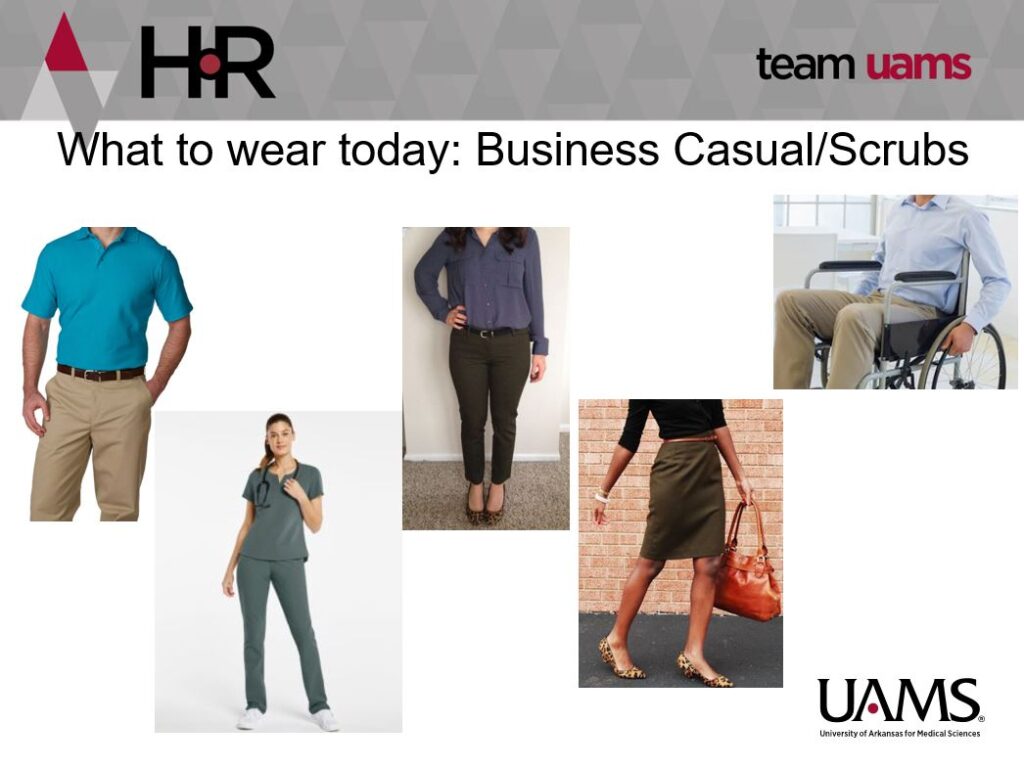
Credit: hr.uams.edu
