

Business Casual Guide for Women: Dress Smart and Stylish
Business Casual Guide For Women
Business casual dress is a common standard in many workplaces, but it can feel confusing. What does “business casual” really mean for women? How can you build a wardrobe that feels professional, comfortable, and stylish? This guide explains everything, from core clothing pieces to smart styling tips.
Whether you’re starting your first office job or updating your look, you’ll find practical advice for every step. Let’s make business casual easy to understand and even easier to wear.
What Is Business Casual For Women?
Business casual is a mix of professional and relaxed clothing. It sits between formal business attire (like suits) and casual outfits (like jeans and t-shirts). For women, business casual usually means neat, clean, and well-fitted clothes that are comfortable but still look polished.
Key elements:
- Tailored pants
- Blouses or shirts
- Knee-length skirts or dresses
- Closed-toe shoes
Some workplaces allow dark jeans or stylish sneakers, while others expect dressier options. The goal is to look ready for business without feeling stiff or overdressed.
Essential Clothing Pieces For A Business Casual Wardrobe
Building a business casual wardrobe doesn’t mean buying dozens of new items. Focus on versatile basics and add a few pieces with personality. Here are the essentials:
Pants
Choose pants that fit well and feel comfortable for long days. Popular options include:
- Straight-leg trousers
- Slim-fit pants
- Ankle-length pants
Avoid leggings, sweatpants, and overly tight styles. Neutral colors like black, navy, gray, and beige work best.
Skirts
A skirt can feel both feminine and professional. For business casual, pick:
- Knee-length pencil skirts
- A-line skirts
- Midi skirts
Stay away from mini skirts or anything too tight. Patterns like checks or subtle stripes are fine, but avoid anything too bold.
Dresses
Dresses are easy to style and suitable for many offices. Look for:
- Sheath dresses
- Wrap dresses
- Fit-and-flare dresses
Choose dresses with sleeves or wear a cardigan/blazer. Avoid spaghetti straps and low necklines.
Blouses And Tops
The right top can tie your outfit together. Good choices include:
- Button-down shirts
- Silk or cotton blouses
- Fine-knit sweaters
Stay away from t-shirts, tank tops, and anything with large logos. Patterns and colors are fine, as long as they aren’t too flashy.
Blazers And Cardigans
Layering adds polish and warmth. Pick:
- Structured blazers
- Soft cardigans
- Tailored jackets
A blazer can instantly upgrade an outfit. Cardigans are softer and more relaxed but still professional.
Shoes
Footwear matters for both style and comfort. For business casual:
- Loafers
- Ballet flats
- Low-heel pumps
- Dressy ankle boots
Sandals, flip-flops, and sneakers are usually too casual unless your office allows them.
Accessories
Accessories add personality, but keep them simple. Consider:
- Small earrings
- Minimal necklaces
- Classic watches
- Slim belts
Avoid large, noisy jewelry or anything too bright.
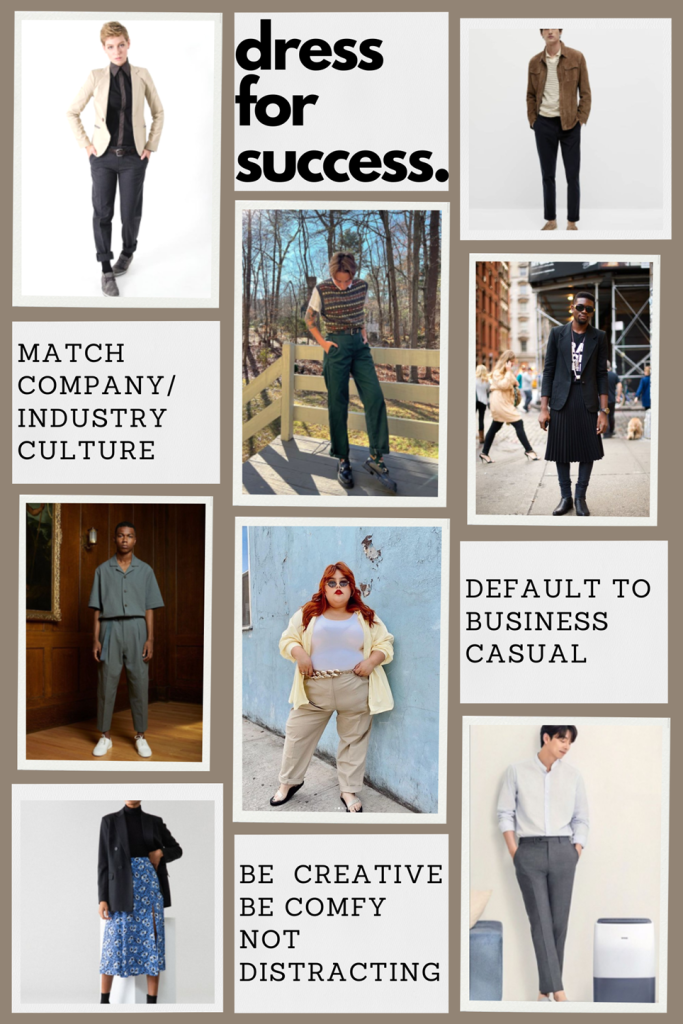
Credit: careerservices.fas.harvard.edu
How To Mix And Match For Different Occasions
Creating outfits for business casual is about mixing basics in new ways. You don’t need a huge wardrobe—just a few smart combinations.
Everyday Office Look
Combine tailored pants with a blouse and flats. Add a blazer for meetings.
Casual Friday
Some offices allow jeans on Fridays. Wear dark, clean jeans with a structured top and loafers.
Client Meetings
Dress up a bit more. Choose a sheath dress, blazer, and low heels. Keep accessories subtle.
After-work Events
Swap your work shoes for stylish ankle boots and add a statement necklace. A colorful cardigan can make your look more fun.
Business Casual Vs. Other Dress Codes
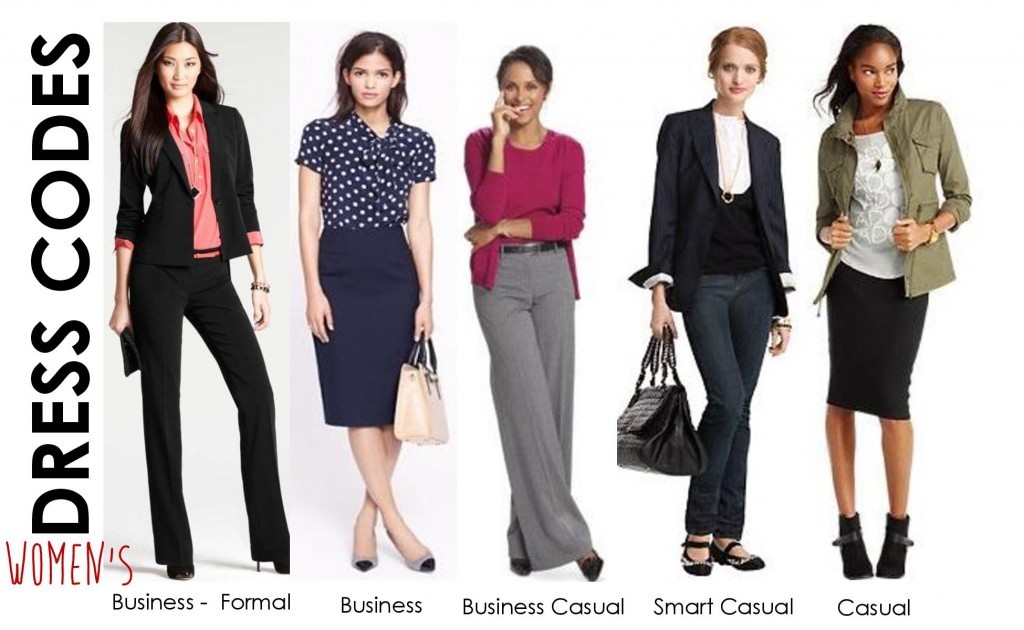
Understanding the differences between dress codes helps you choose the right outfit. Here’s a quick comparison:
| Dress Code | Main Features | Allowed Items | Not Allowed |
|---|---|---|---|
| Business Casual | Professional, relaxed | Tailored pants, skirts, blouses, flats | Jeans, sneakers (sometimes), t-shirts |
| Formal Business | Very professional, strict | Suits, dress shirts, pumps | Casual shoes, bright colors |
| Smart Casual | Chic, creative | Stylish jeans, trendy blouses, boots | Shorts, flip-flops |
| Casual | Relaxed, informal | Jeans, t-shirts, sneakers | Business suits, formal shoes |
Choosing Colors And Fabrics
Colors and fabrics affect both comfort and style. Business casual doesn’t have to be boring, but some choices work better than others.
Best Colors
- Neutrals: Black, navy, gray, beige, white
- Soft pastels: Light blue, blush pink, mint green
- Accent colors: Burgundy, olive, teal
Avoid neon shades and loud prints. If you want to add color, do it with accessories or one piece at a time.
Best Fabrics
- Cotton: Breathable, comfortable
- Wool blends: Warm and durable
- Polyester: Easy to care for
- Silk: Luxurious, smooth
Avoid fabrics that wrinkle easily, like pure linen, unless you’re ready to iron often.
Business Casual For Different Body Types
Every body is unique. The right fit makes you look and feel confident. Here’s how to choose business casual clothes for different body shapes:
Pear Shape
If your hips are wider than your shoulders:
- Choose A-line skirts and fit-and-flare dresses
- Wear structured tops and blazers to balance your shape
- Avoid pants with side pockets
Apple Shape
If your waist is less defined:
- Pick empire-waist dresses and flowy blouses
- Wear straight-leg pants that skim the body
- Avoid tight belts and clingy fabrics
Hourglass Shape
If your waist is well-defined:
- Go for wrap dresses and pencil skirts
- Wear tailored blazers that nip in at the waist
- Avoid boxy tops
Athletic Shape
If your shoulders and hips are similar:
- Choose peplum tops and layered blouses
- Try bootcut pants or wide-leg trousers
- Avoid shapeless clothing
Choosing the right cut can highlight your best features. Don’t be afraid to try different styles.
How To Select Business Casual Clothes For Your Workplace
Every company has its own version of business casual. Before shopping, learn what your office expects.
Read The Dress Code
Many companies share guidelines. Some are strict—others are more flexible. If you’re unsure, ask HR or observe what colleagues wear.
Consider Your Industry
- Finance, law, consulting: Usually more formal
- Tech, creative agencies: Often relaxed, allow jeans and sneakers
- Healthcare, education: May have special requirements
Adapt To Your Role
If you meet clients or lead teams, dress a bit more formally. If you work behind the scenes, you may have more freedom.
Watch For Special Days
Some offices have “Casual Fridays” or themed days. Adjust your outfit as needed.
Shopping Tips For Building A Business Casual Wardrobe
Smart shopping saves money and builds a wardrobe you’ll actually wear. Here’s how to shop like a pro:
- Start with basics: Buy pants, skirts, blouses, and one blazer.
- Check fit: Try clothes on and move around. Comfort is key.
- Choose quality over quantity: Well-made items last longer.
- Buy neutral colors first: Easier to mix and match.
- Add one fun piece: A patterned blouse or colored cardigan.
- Shop sales: Look for deals but avoid impulse buys.
- Test shoes: Walk in them before buying.
- Use online reviews: See what other buyers say.
- Check return policies: Sometimes clothes look different at home.
A common mistake is buying trendy items that don’t match the rest of your wardrobe. Stick to basics and build slowly.
Common Business Casual Mistakes (and How To Avoid Them)
Even experienced professionals make style errors. Here are frequent mistakes—and simple fixes.
Wearing Clothes That Don’t Fit
Baggy or tight clothes look unprofessional. Always pick pieces that fit your body.
Choosing Too-casual Items
Jeans, sneakers, and t-shirts may be fine in some offices but are often too casual. If in doubt, dress up.
Over-accessorizing
Too much jewelry or loud colors distract from your professional image. Use accessories sparingly.
Ignoring Grooming
Wrinkled clothes, scuffed shoes, or messy hair can ruin a good outfit. Keep everything neat.
Forgetting Comfort
Uncomfortable shoes or itchy fabrics make work hard. Choose comfort as well as style.
Business Casual Outfit Ideas For Different Seasons
Weather changes, but your style can adapt. Here are outfit examples for each season:
Spring
- Lightweight trousers, pastel blouse, loafers
- Knee-length skirt, cardigan, ballet flats
Summer
- Sleeveless sheath dress (with a blazer), low heels
- Cropped pants, lightweight blouse, sandals (if allowed)
Fall
- Wool-blend pants, turtleneck, ankle boots
- Midi skirt, knit sweater, closed-toe flats
Winter
- Thick trousers, cashmere sweater, boots
- Layered dress, blazer, tights
Don’t forget a stylish coat or jacket for colder months.

Credit: www.hockerty.com
How To Care For Business Casual Clothes
Proper care keeps your wardrobe looking fresh. Follow these tips:
Washing
- Read labels: Some items need dry cleaning.
- Wash in cold water: Protects colors and fabrics.
- Use gentle detergent: Especially for silk and wool.
Ironing And Steaming
- Iron shirts and pants for a crisp look.
- Use a steamer on delicate fabrics.
Storage
- Hang blazers and dresses to avoid wrinkles.
- Fold sweaters and knitwear.
- Store shoes with shoe trees if possible.
Repairs
- Fix loose buttons or hems quickly.
- Keep a sewing kit at home.
These habits help your clothes last longer and look better.
How Business Casual Impacts Your Career
Your outfit isn’t just about style—it affects how others see you. Studies show that dressing professionally can boost confidence and help you feel more prepared at work. A survey by LinkedIn found that 86% of professionals believe their clothing influences how colleagues and clients view them.
Dressing well can help you make a strong first impression and build trust.
It’s not about expensive brands. It’s about neat, well-chosen clothes that show you care about your role. Even small changes—like ironing your shirt or wearing a smart blazer—can make a big difference.
Sustainability In Business Casual Fashion
Many women want to build a wardrobe that’s good for the planet. You can make business casual more sustainable with smart choices.
Buy Less, Choose Better
- Invest in quality pieces that last.
- Avoid fast fashion and disposable items.
Shop Secondhand
- Thrift stores and online resale sites offer great options.
- You can find brands at lower prices.
Pick Eco-friendly Fabrics
- Organic cotton, recycled polyester, and Tencel are more sustainable.
- Look for brands that support ethical manufacturing.
Care For Your Clothes
- Repair, reuse, and donate items.
- Wash less often to save water and energy.
Small changes can have a big impact over time.
Business Casual For Remote Work
Remote jobs are more common, but video calls still require professional outfits. Here’s how to dress for online meetings:
- Wear a neat blouse or sweater.
- Avoid pajamas or overly casual tops.
- Keep hair and makeup simple and tidy.
- Choose colors that look good on camera (avoid bright white or busy patterns).
You don’t need full business attire at home, but a smart top and accessories help you feel prepared.
Quick Business Casual Outfit Combinations
Here are some simple combinations you can try:
- Black trousers, white blouse, gray blazer, loafers
- Navy pencil skirt, blush pink sweater, nude flats
- Beige ankle pants, patterned blouse, navy cardigan, ballet flats
- Midi dress, structured blazer, low heels
- Wool pants, turtleneck, ankle boots, slim belt
Mix and match these pieces for different looks.
Business Casual Price Comparison
Clothing prices vary by brand and store. Here’s a comparison of typical costs for business casual items:
| Item | Budget Price | Mid-range Price | Premium Price |
|---|---|---|---|
| Trousers | $25 | $60 | $120 |
| Blouse | $20 | $50 | $100 |
| Blazer | $40 | $100 | $250 |
| Skirt | $25 | $60 | $130 |
| Shoes | $30 | $80 | $180 |
You can build a basic wardrobe on a budget, or invest in higher-quality pieces.
Credit: gardner-webb.edu
How To Personalize Business Casual Style
Business casual doesn’t mean boring. Add personality without breaking the rules:
- Use scarves or belts for color.
- Try subtle prints like polka dots or stripes.
- Add a bright bag or simple jewelry.
- Choose shoes with interesting details.
Balance is important. Keep one piece bold and the rest neutral.
Two Insights Most Beginners Miss
- Fit is more important than price. Many women focus on brand or style, but well-fitted clothes always look better—even if they’re not expensive. Tailoring pants or skirts can make a huge difference.
- Layering changes everything. A plain blouse looks much more professional with a cardigan or blazer. Layers also help you adapt to changing temperatures in the office.
Business Casual Outfit Planning For Busy Mornings
If you’re rushed in the morning, planning helps. Here’s how:
- Choose outfits the night before.
- Keep basics together in your closet.
- Use a “capsule wardrobe”—a few pieces that mix and match easily.
- Keep a spare blazer or pair of flats at work.
This saves time and reduces stress.
Business Casual In Different Cultures
Business casual means different things around the world. In the US and Canada, it’s often relaxed. In Japan, it’s more formal. In Europe, many offices expect stylish but conservative clothing.
If you work in an international company, check local customs. Dressing appropriately helps you fit in and avoid mistakes.
For more details on global dress codes, visit Business News Daily.
Frequently Asked Questions
What Is The Safest Business Casual Outfit For Women?
A pair of tailored pants, a simple blouse, a structured blazer, and closed-toe flats is always safe. This look works in most offices and is easy to adjust for meetings or events.
Can Women Wear Jeans For Business Casual?
Dark, well-fitted jeans may be allowed in some offices, especially on casual Fridays. Avoid ripped, faded, or overly tight jeans. Pair them with a dressy blouse and smart shoes.
Are Open-toe Shoes Allowed In Business Casual?
Most business casual dress codes prefer closed-toe shoes, but some offices allow dressy sandals or peep-toe heels. Check your company’s policy before wearing open-toe shoes.
How Many Business Casual Outfits Should I Own?
Start with 5–7 outfits that mix and match easily. This covers a week of work and lets you rotate pieces. Add more as needed for special occasions or seasons.
How Can I Look Stylish And Professional In Business Casual?
Focus on fit, layering, and accessories. Choose classic pieces and add personality with color or jewelry. Keep everything neat and avoid anything too trendy or flashy.
A business casual wardrobe helps you feel confident, comfortable, and ready for any workday. With these tips, you can create outfits that show your professionalism and personal style—no matter your industry or office culture.
