

Shin Guard Rash Treatment: Effective Remedies for Quick Relief
If you wear shin guards regularly, you might have noticed an annoying rash forming on your skin. That irritation can make your workouts or games uncomfortable and even painful.
But you don’t have to just live with it. Understanding how to treat shin guard rash quickly and effectively can bring you relief and get you back to your best. You’ll discover simple, proven ways to soothe your skin and prevent the rash from coming back.
Keep reading to find out exactly what you can do to protect your skin and stay comfortable every time you gear up.
Causes Of Shin Guard Rash
Shin guard rash happens when the skin under the shin guards gets irritated. It can cause redness, itching, and discomfort. Understanding the causes helps prevent and treat this rash effectively.
Friction And Chafing
Shin guards rub against the skin during movement. This rubbing causes friction and chafing. Constant friction breaks the skin’s surface. The broken skin becomes red and sore. Tight or poorly fitting shin guards increase friction. Rough skin or hair also worsens chafing.
Allergic Reactions
Some people have allergies to materials in shin guards. Common allergens include latex and certain plastics. Allergic reactions cause redness and itching. The skin may swell or develop small bumps. Wearing guards made from hypoallergenic materials helps reduce reactions.
Sweat And Moisture
Sweat builds up inside the shin guard during exercise. Moisture softens the skin and makes it sensitive. Wet skin is more prone to irritation and rash. Warm, damp environments encourage bacteria growth. This can worsen the rash and cause infections.

Credit: www.shinnerz.com
Symptoms To Watch For
Shin guard rash can cause discomfort and disrupt your activities. Early signs help you act quickly. Spotting symptoms early reduces pain and speeds healing. Watch your skin closely after wearing shin guards.
Redness And Irritation
Redness is often the first sign of rash. The skin looks pink or red where the shin guard touches. Irritation may cause the skin to feel sore or tender. This happens because of friction and sweat trapped under the guard.
Itching And Burning
Itching is a common symptom of shin guard rash. It can start mild but get stronger over time. Burning sensations may follow, causing discomfort. These feelings show that your skin is inflamed and needs care.
Blisters And Swelling
Blisters may form if the rash gets worse. They appear as small fluid-filled bumps on the skin. Swelling can also occur around the rash area. These signs mean the skin is damaged and needs gentle treatment.
Immediate Relief Steps
Shin guard rash can cause pain and discomfort quickly. Acting fast helps reduce irritation and stops the rash from getting worse. Follow these simple steps to find relief right away and protect your skin.
Cleaning The Affected Area
Gently wash the rash with mild soap and cool water. Avoid scrubbing the skin. Pat dry with a soft towel. Keeping the area clean prevents infection and soothes irritation.
Applying Cold Compress
Use a cold compress or a clean cloth with ice wrapped inside. Hold it on the rash for 10 to 15 minutes. This reduces swelling and calms itching. Do not apply ice directly to the skin.
Using Over-the-counter Creams
Apply a thin layer of hydrocortisone cream or an anti-itch lotion. These creams lower redness and help heal the skin. Follow package instructions and avoid using too much cream.
Home Remedies That Help
Shin guard rash can cause redness, itching, and discomfort. Simple home remedies can help soothe and heal the irritated skin. These treatments are easy to use and use natural ingredients. They reduce inflammation and calm the rash without harsh chemicals.
Try these gentle home remedies to ease your shin guard rash quickly. Consistent care speeds up healing and prevents further irritation.
Aloe Vera Gel
Aloe vera gel is a natural healer for skin rashes. It cools the skin and reduces redness. Apply pure aloe vera gel directly to the rash. Let it dry on your skin without washing off. Repeat two to three times a day for best results. Aloe vera also helps repair damaged skin cells.
Coconut Oil Application
Coconut oil moisturizes dry and itchy skin. It has antibacterial properties that prevent infection. Gently massage a small amount of coconut oil onto the rash. Use it twice daily to keep the skin soft and calm. Coconut oil forms a protective barrier on the skin. This barrier stops further irritation from shin guards.
Oatmeal Baths
Oatmeal baths ease itching and soothe inflamed skin. Use finely ground oatmeal for best effects. Add a cup of oatmeal to warm bath water. Soak your legs in the bath for 15 to 20 minutes. Pat your skin dry gently afterward. Oatmeal creates a calming layer that relieves rash discomfort. Use this remedy once daily until the rash improves.
Preventing Future Rash
Preventing future rash on your shins is key for comfort and safe play. Small changes in gear and care help keep skin healthy. Follow these tips to reduce irritation and avoid pain from shin guards.
Proper Shin Guard Fit
Shin guards must fit well to prevent rubbing and chafing. Choose a size that covers your shin without slipping down. Avoid guards that are too tight or too loose. Adjust straps to hold the guard firmly but comfortably. A good fit reduces skin friction and rash risk.
Moisture-wicking Clothing
Wear socks and sleeves made from moisture-wicking fabric. These materials pull sweat away from the skin. Dry skin feels less irritation and stays cooler. Change damp clothes quickly after play to prevent bacteria growth. Keeping skin dry cuts down rash chances.
Skin Protection Techniques
Apply a thin layer of protective cream or balm before wearing shin guards. Products with zinc oxide or petroleum jelly reduce friction. Use soft padding or sleeves under guards for extra cushion. Clean and dry skin before use to avoid trapped sweat or dirt. These steps shield skin from damage and rash.

Credit: storelli.com
When To See A Doctor
Shin guard rash can cause discomfort and irritation. Most rashes heal with home care. Some signs mean it’s time to see a doctor. Early treatment helps avoid bigger problems. Knowing when to seek medical help keeps your skin safe and healthy.
Signs Of Infection
Watch for redness that spreads beyond the rash. Swelling or warmth around the rash may occur. Pus or yellow fluid can appear on the skin. Pain that worsens or does not improve is a warning. Fever with rash signals a possible infection.
Persistent Symptoms
Rash lasting more than two weeks needs a doctor’s check. Itching or burning that does not stop is a concern. Skin that becomes thick or scaly may need treatment. If rash keeps returning after treatment, see a doctor. Persistent symptoms may require stronger medicine.
Allergic Reactions Requiring Medical Attention
Severe swelling of face, lips, or throat needs urgent care. Difficulty breathing or swallowing is an emergency. Rash with hives or sudden widespread redness should be checked. Allergic reactions can get worse quickly. Immediate medical help prevents serious problems.
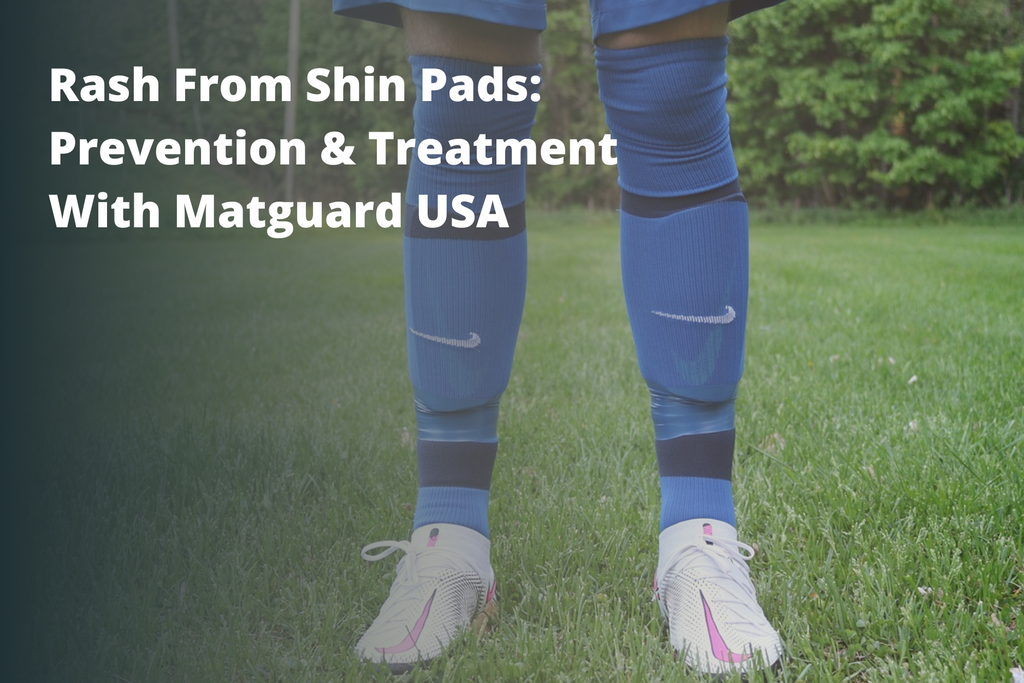
Credit: matguardusa.com
Frequently Asked Questions
What Causes Shin Guard Rash?
Shin guard rash is caused by friction and sweat buildup between the skin and the guard. Poorly fitting or non-breathable guards increase irritation, leading to redness and itching.
How To Treat Shin Guard Rash Effectively?
Clean the affected area with mild soap and water. Apply an anti-inflammatory cream or antibiotic ointment. Keep the skin dry and avoid wearing guards until healed.
Can Shin Guard Rash Lead To Infection?
Yes, if left untreated, the rash can become infected. Scratching or broken skin allows bacteria to enter, causing redness, swelling, or pus.
How To Prevent Shin Guard Rash During Sports?
Wear well-fitting, breathable shin guards with moisture-wicking socks. Clean guards regularly and ensure skin is dry before use. Applying a protective barrier cream helps reduce friction.
Conclusion
Treating shin guard rash starts with gentle care and clean skin. Use mild soap and cool water to wash the rash daily. Apply soothing creams to reduce itching and redness. Wear soft, breathable socks and properly fitted shin guards to prevent irritation.
Give your skin time to heal by avoiding harsh rubbing. Stay patient—rash healing takes a few days. Keep your gear clean to stop rashes from coming back. Taking simple steps helps your skin feel better fast. Your comfort matters, so care for your skin well.
