

What is the Purpose of a Rash Vest: Ultimate Protection & Comfort
Have you ever wondered why so many surfers, swimmers, and water sports lovers wear rash vests? You might think it’s just a fashion choice, but there’s a lot more to it than that.
A rash vest is designed to protect your skin, keep you comfortable, and even boost your performance in the water. If you want to know how this simple piece of clothing can make a big difference during your water activities, keep reading.
By the end of this article, you’ll understand the true purpose of a rash vest and why it might be the best gear you didn’t know you needed.
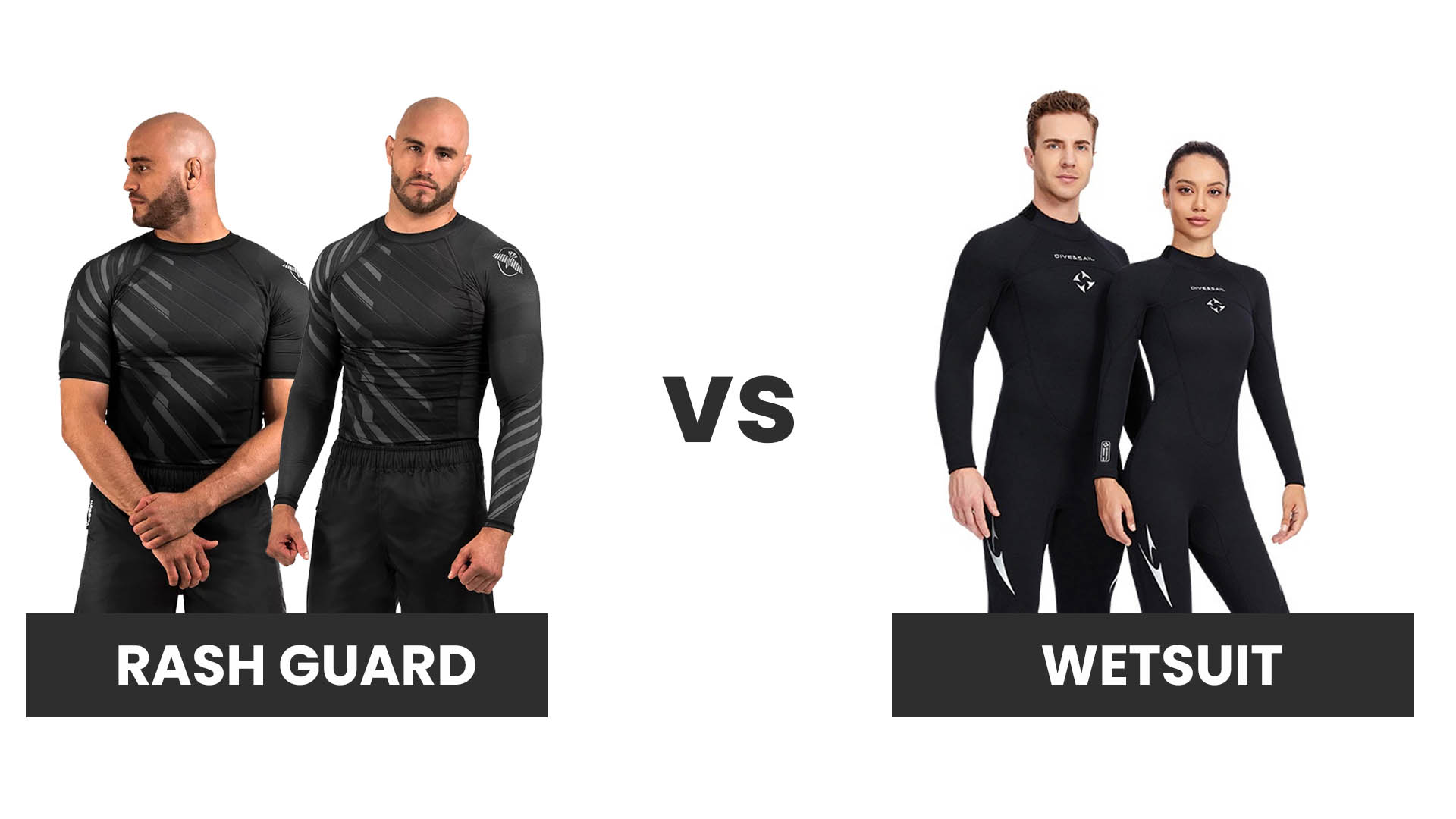
Credit: solidsurfhouse.com
Benefits Of Wearing A Rash Vest
Wearing a rash vest offers many practical benefits. It protects your skin and improves comfort during water activities. Many people enjoy wearing rash vests for their safety and convenience. These benefits make rash vests popular for surfers, swimmers, and beach lovers alike.
Skin Protection From Uv Rays
A rash vest shields your skin from harmful UV rays. It acts like a sunscreen but covers more skin. This reduces the risk of sunburn during long hours outside. Wearing a rash vest helps keep your skin safe and healthy.
Prevention Of Rashes And Irritations
Rash vests prevent chafing and skin irritation. They create a barrier between your skin and rough surfaces. This stops rashes caused by sand, saltwater, or surfboards. Many people find rash vests comfortable for long water sessions.
Temperature Regulation In Water
A rash vest helps keep your body temperature steady. It provides warmth in cooler water and breathability in warm water. This makes swimming or surfing more comfortable. You stay warmer or cooler as needed during water sports.

Credit: www.goodhousekeeping.com
Materials And Design Features
The materials and design features of a rash vest play a key role in its performance. These elements ensure comfort, protection, and durability during water activities. Understanding these aspects helps you appreciate why rash vests are popular among surfers, swimmers, and divers.
Breathable And Quick-drying Fabrics
Rash vests use fabrics that let air pass through easily. This breathability keeps the skin cool and dry. Quick-drying materials help the vest dry fast after water exposure. Common fabrics include polyester, nylon, and spandex blends. These fabrics resist water absorption and dry rapidly, preventing chafing and discomfort.
Stretch And Fit For Comfort
Stretchy fabrics allow rash vests to fit snugly without restricting movement. A good fit reduces water entry and keeps the vest in place. Materials like spandex provide elasticity and flexibility. The vest should feel like a second skin but not be too tight. This balance supports comfort during active water sports.
Seam Construction And Durability
Seams on rash vests must be strong and smooth to avoid skin irritation. Flatlock stitching is common for comfort and durability. This type of seam lies flat against the skin, reducing rubbing. Durable seams extend the vest’s life, even with frequent use. Quality stitching prevents tearing and keeps the vest reliable.
Rash Vests For Different Water Activities
Rash vests serve many roles across different water activities. They protect skin, keep you warm, and improve comfort. Each activity demands specific features in a rash vest. Choosing the right one helps you enjoy your time in the water safely and comfortably.
Surfing And Bodyboarding
Surfing and bodyboarding need rash vests that fit snugly. They protect against board rash and sunburn. The material must stretch well for easy movement. Quick-drying fabric keeps you comfortable on and off the board. Many have reinforced seams to handle rough water and impact.
Snorkeling And Diving
Snorkelers and divers use rash vests as extra warmth under wetsuits. They protect against jellyfish stings and coral scrapes. Lightweight and thin rash vests work best here. They should not restrict movement or add bulk. UV protection is crucial for long hours near the surface.
Swimming And Water Sports
Swimmers and water sport lovers choose rash vests for sun protection and chafing prevention. Rash vests help reduce drag and improve glide in the water. They come in various thicknesses depending on water temperature. Breathable fabrics keep the skin dry and cool during land breaks.
Choosing The Right Rash Vest
Choosing the right rash vest matters for comfort and protection. A good rash vest fits well, feels soft, and lasts long. This guide helps you pick one that suits your needs and style.
Size And Fit Considerations
Pick a rash vest that fits snugly but not too tight. It should move with your body without feeling loose. A proper fit stops sand and water from getting inside. Check size charts carefully before buying. Remember, a good fit keeps you comfortable and safe.
Material Types And Thickness
Rash vests come in different materials like polyester and nylon. Some have spandex for stretch. Thicker materials offer more warmth and protection. Thin ones dry faster and feel lighter. Choose material based on water temperature and activity type.
Style And Color Options
Rash vests come in many styles and colors. Long sleeves protect more skin from sun and rash. Short sleeves offer better breathability. Bright colors help you stay visible in water. Pick a style and color that you like and feel confident wearing.
Care And Maintenance Tips
Taking care of your rash vest helps keep it in good shape. Proper care makes it last longer and stay comfortable. Follow simple steps to wash, dry, and store your rash vest well.
Washing And Drying Guidelines
Rinse your rash vest with cold water after each use. Hand wash with mild soap to avoid damage. Avoid using bleach or strong detergents. Do not use fabric softeners as they harm the fabric.
Dry your rash vest in the shade. Avoid direct sunlight to stop colors from fading. Do not use a tumble dryer. Let it air dry on a flat surface or hang it loosely.
Storage Recommendations
Store your rash vest in a cool, dry place. Avoid folding it tightly to prevent creases. Use a hanger or lay it flat in a drawer. Keep it away from sharp objects that can cause tears.
Make sure your rash vest is completely dry before storing. Moisture can cause mold and bad smells. Proper storage keeps the fabric fresh and stretchy.
Extending The Lifespan Of Your Rash Vest
Limit exposure to rough surfaces that cause pilling. Avoid contact with harsh chemicals like sunscreen and chlorine. Rinse your vest immediately after swimming in pools or the ocean.
Replace your rash vest if it shows signs of wear, like thinning or holes. Regular care and gentle handling help keep it strong and functional for longer.
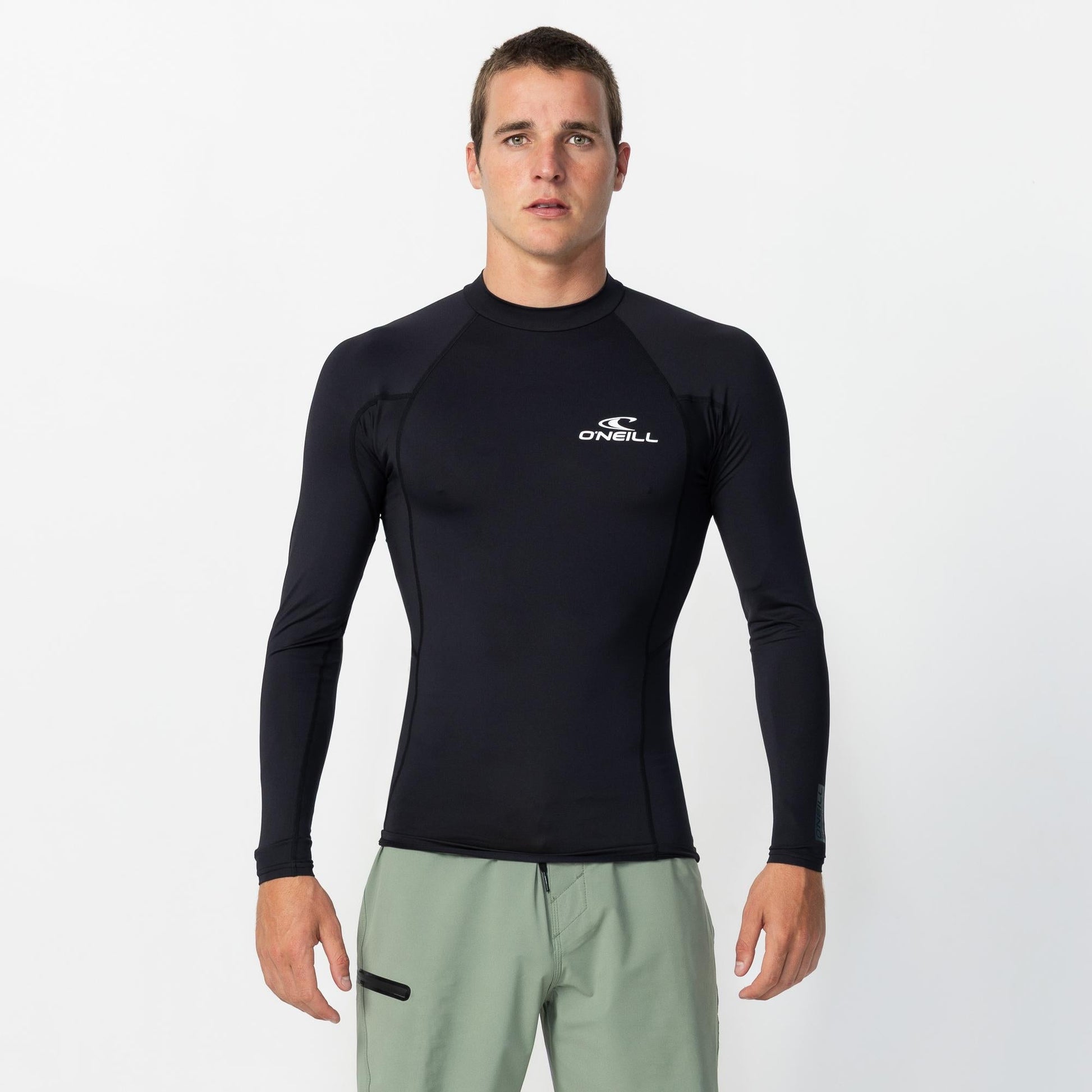
Credit: au.oneill.com
Frequently Asked Questions
What Is The Main Function Of A Rash Vest?
A rash vest protects the skin from rashes caused by abrasion. It also shields against sunburn and harmful UV rays during water activities.
How Does A Rash Vest Protect Against Sunburn?
Rash vests are made from UV-protective fabric. They block up to 98% of harmful UV rays, reducing the risk of sunburn.
Can Rash Vests Improve Water Sports Performance?
Yes, rash vests reduce skin irritation and provide slight compression. This helps athletes move comfortably and perform better in water sports.
Are Rash Vests Suitable For All Water Activities?
Rash vests are versatile and ideal for surfing, swimming, snorkeling, and paddleboarding. They offer protection and comfort in various aquatic environments.
Conclusion
A rash vest protects your skin from sun and rashes. It keeps you comfortable during water sports and outdoor activities. Wearing one helps avoid cuts and scrapes from rough surfaces. It also keeps you warm in cooler water. Choosing the right rash vest improves your experience and safety.
Simple gear, big benefits. Stay safe, stay comfortable.
