

Rash Guard Vs Swimsuit: Ultimate Guide to Choose Right Gear
Choosing between a rash guard and a swimsuit might seem simple, but it can actually make a big difference in your comfort and protection in the water. Are you tired of feeling itchy from sunburn or struggling with rough sand after a swim?
Your choice of swimwear could be the key to a better experience. You’ll discover which option suits your needs best, whether you’re surfing, swimming, or just relaxing by the beach. Keep reading to find out how to stay comfortable, safe, and stylish every time you dive in.
Credit: www.titlenine.com
Rash Guard Basics
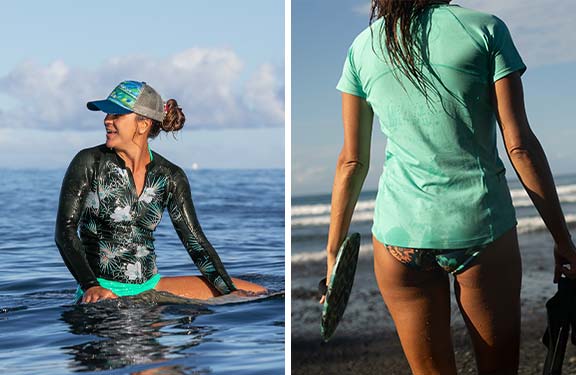
Rash guards are special tops designed for water activities. They protect your skin and keep you comfortable in the water. Knowing the basics helps you choose the right gear for swimming or surfing.
Rash guards look different from swimsuits but serve a unique purpose. They are lightweight and fit close to the body. Let’s explore their material, design, protection, and common uses.
Material And Design
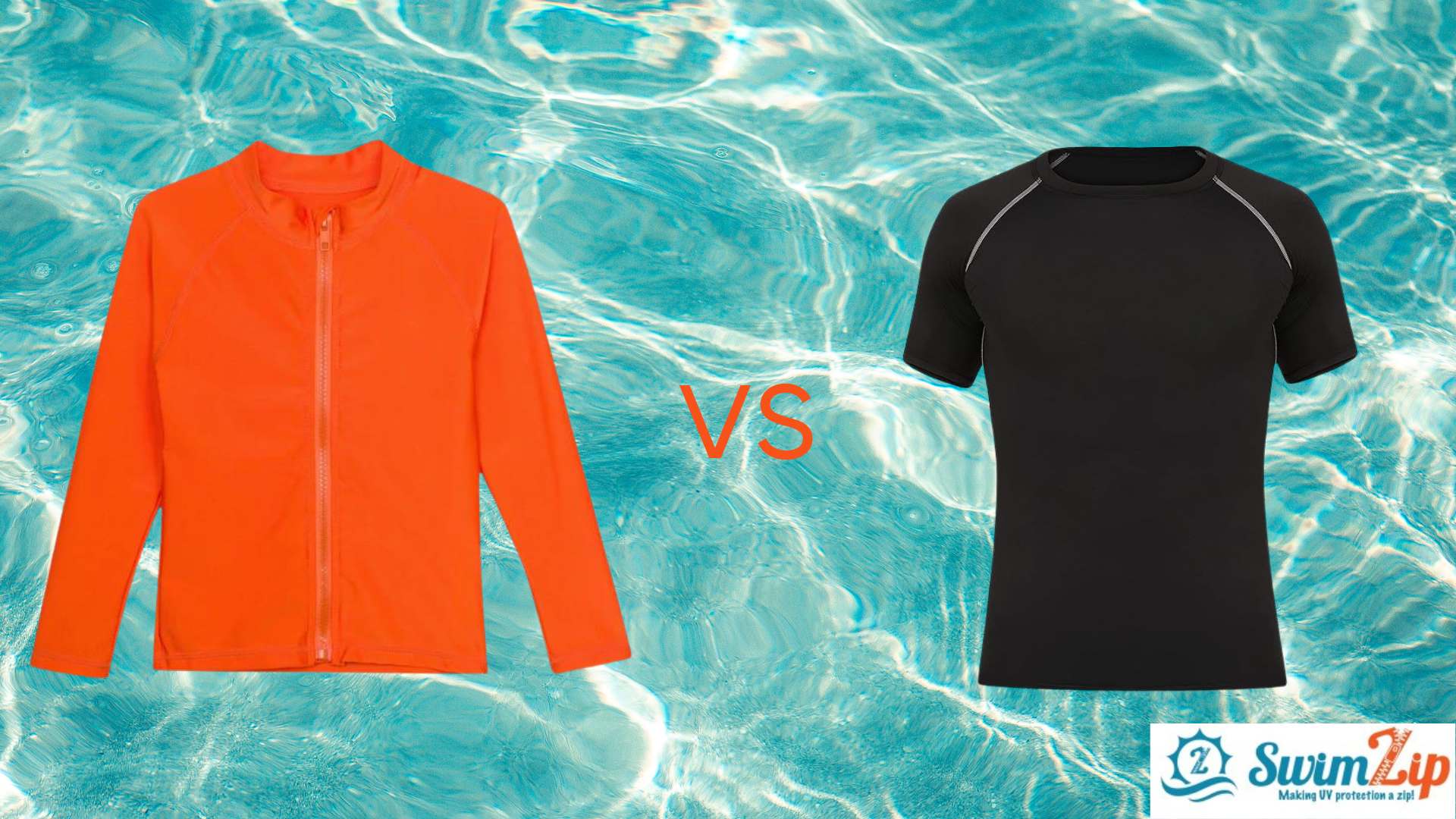
Rash guards are usually made from polyester, nylon, or spandex. These materials dry quickly and stretch easily. The design is tight and smooth to stop rashes and chafing. Long sleeves and high necks add more coverage.
Protection Features
Rash guards protect against sunburn with built-in UV blockers. They also guard your skin from scrapes caused by surfboards or rough sand. The snug fit reduces friction and prevents irritation.
Common Uses
People wear rash guards for surfing, snorkeling, and swimming. They are great for beach sports and paddleboarding too. Kids often wear them for extra sun protection during playtime.
Swimsuit Essentials
Choosing the right swimsuit is important for comfort and style. Swimsuits come in many types and fabrics. Each one suits different activities and preferences.
Understanding the basics helps you pick the best suit for your needs.
Types And Styles
Swimsuits include one-piece, bikinis, tankinis, and swim shorts. One-piece suits offer full coverage and support. Bikinis have two separate pieces and vary in coverage. Tankinis combine a tank top with swim bottoms. Swim shorts provide a casual look and more coverage for men and women.
Styles vary from sporty to fashionable. Each style fits different body types and occasions.
Fabric And Comfort
Most swimsuits use nylon, polyester, or spandex. These fabrics dry quickly and stretch well. Comfort depends on fabric softness and fit. Look for suits with lining to avoid transparency. Seams should be flat to prevent skin irritation.
Good fabric keeps you comfortable in water and sun.
Typical Activities
Swimsuits suit swimming, sunbathing, and pool parties. One-piece suits work well for active swimming. Bikinis fit better for relaxing or tanning. Swim shorts are good for beach sports or casual wear. Choose a suit that matches your main activity.
Comfort and movement matter most during water activities.
Performance Comparison
Choosing between a rash guard and a swimsuit depends on how each performs in water activities. Performance means how well the garment protects, lasts, and moves with you. This section compares both to help you decide.
Sun Protection
Rash guards cover more skin and block harmful UV rays. They usually have a UPF rating, which means less sunburn risk. Swimsuits often expose more skin, increasing sun damage chances. Wearing a rash guard reduces the need for extra sunscreen.
Durability In Water
Rash guards use strong, quick-drying fabrics that resist stretching and fading. They hold up well against saltwater and chlorine. Swimsuits can wear out faster, especially with frequent pool or ocean use. Rash guards keep their shape and color longer.
Flexibility And Movement
Rash guards fit snugly but allow full movement for swimming and surfing. They stretch easily without feeling tight or loose. Swimsuits vary; some offer good stretch, while others may feel restrictive. Rash guards provide consistent comfort during active water sports.
Choosing For Water Sports
Choosing the right gear for water sports affects your comfort and safety. Rash guards and swimsuits serve different purposes. Both protect your skin and help you move in the water. Understanding their benefits helps you pick what suits your activity best.
Surfing And Paddleboarding
Rash guards are perfect for surfing and paddleboarding. They protect from sunburn and prevent rash from the board. Their tight fit stops water from slowing you down. Swimsuits may not cover enough skin or stay in place during waves. Rash guards offer better protection and comfort for long hours.
Swimming And Diving
Swimsuits work well for swimming and diving. They are lightweight and reduce water drag. Swimmers need freedom to move arms and legs easily. Diving requires less fabric to avoid catching on equipment. Rash guards can feel too warm and bulky underwater. Swimsuits keep you fast and flexible.
Triathlon And Training
Triathletes often choose rash guards for training. They provide sun protection during cycling and running. Rash guards dry quickly and reduce chafing on long rides. Swimsuits are best for the swimming part of the race. Combining both works well for triathlon training and events.
Style And Fashion Factors
Style and fashion play a big role in choosing between a rash guard and a swimsuit. Both offer different looks and suit different tastes. Understanding these style factors helps pick the best option for you.
Fashion is not just about appearance. It also affects comfort and confidence at the beach or pool.
Color And Patterns
Rash guards often come in bold, sporty colors. Bright blues, reds, and blacks are common. Patterns like stripes or geometric shapes add energy.
Swimsuits have a wider color range. Soft pastels, floral prints, or classic solids are popular. They offer more variety for personal style.
Fit And Coverage
Rash guards fit snugly and cover the upper body fully. This helps protect skin from sun and scrapes. They often have long sleeves and high necklines.
Swimsuits come in many fits. Some are revealing, like bikinis or cut-outs. Others offer more coverage, such as one-pieces or tankinis. Choose based on comfort and occasion.
Trends And Personal Preference
Rash guards follow sportswear trends. Neon colors and mesh panels are popular styles. They appeal to those who like active, modern looks.
Swimsuit trends change fast. High-waisted bottoms and vintage styles are in now. Personal taste guides the best choice more than trends.

Credit: swimzip.com
Care And Maintenance Tips
Proper care keeps your rash guard or swimsuit in good shape. It helps maintain color, fit, and fabric quality. Understanding simple care steps extends their life. This section shares easy tips for washing, storing, and maintaining your swimwear.
Washing Instructions
Rinse your rash guard or swimsuit with cold water after use. This removes salt, chlorine, and sweat. Use mild detergent for hand washing. Avoid bleach or fabric softeners. Do not wash in hot water. Machine wash only on a gentle cycle if needed. Turn swimwear inside out before washing. Avoid wringing to prevent damage.
Storage Advice
Dry swimwear in shade to protect colors. Avoid direct sunlight for long periods. Store in a cool, dry place. Never keep damp swimwear in a bag. Fold gently without stretching fabric. Use breathable bags for travel. Keep away from rough surfaces to avoid snags.
Longevity Tips
Limit sun exposure to reduce fading. Avoid sitting on rough surfaces like concrete. Remove your swimwear soon after swimming. Rotate between multiple swimwear pieces. Check for small tears or loose threads regularly. Repair minor damage quickly. Follow care instructions every time for best results.
Price And Availability
Price and availability play a big role in choosing between a rash guard and a swimsuit. Both have many options that fit different budgets and styles. Knowing where to buy these items also helps find the best deals and the right fit. This section explores budget options, premium choices, and the best places to shop.
Budget Options
Rash guards often cost more than basic swimsuits. Simple rash guards start around $15 to $30. Basic swimsuits can be found for as low as $10. Budget rash guards usually offer good sun protection and fit well. Cheap swimsuits come in many colors and designs. Both are widely available at low prices for casual use.
Premium Choices
High-end rash guards range from $40 to over $100. These use advanced materials for comfort and durability. Premium swimsuits also cost between $50 and $120. They often feature designer brands or special fabrics. Premium options focus on performance, style, and longer wear. Choose these for frequent swimmers or serious water sports enthusiasts.
Where To Buy
Major sports stores carry a wide range of rash guards and swimsuits. Online shops offer more variety and often better prices. Brand websites provide the newest collections and full size options. Discount stores and outlets sell budget-friendly items regularly. Buying from trusted retailers ensures quality and easy returns.
Credit: swimzip.com
Frequently Asked Questions
What Are The Main Differences Between Rash Guards And Swimsuits?
Rash guards provide UV protection, prevent chafing, and are tight-fitting. Swimsuits focus on comfort and style, often without extra protection or coverage. Rash guards suit active water sports, while swimsuits are ideal for casual swimming and sunbathing.
Which Is Better For Sun Protection: Rash Guard Or Swimsuit?
Rash guards offer superior sun protection with UPF-rated fabrics. Swimsuits typically expose more skin and provide less UV defense. For extended sun exposure, rash guards are the better choice to reduce sunburn risk.
Can Rash Guards Replace Swimsuits For Swimming?
Yes, rash guards can be worn for swimming. They fit snugly and dry quickly. However, they may feel less breathable than swimsuits during leisure swimming.
Are Rash Guards Suitable For All Water Sports?
Rash guards are ideal for surfing, snorkeling, and paddleboarding. They protect against abrasion and UV rays. For diving or competitive swimming, specialized suits might be better.
Conclusion
Choosing between a rash guard and a swimsuit depends on your needs. Rash guards protect your skin from sun and scrapes. Swimsuits offer more freedom and style in the water. Think about comfort, activity, and weather before deciding. Both can make your time in water fun and safe.
Try each to see what fits you best. Simple choices lead to better experiences. Your perfect swim gear is waiting.
