

How Do Rash Guards Work: Ultimate Protection Explained
Have you ever wondered why rash guards have become a must-have for surfers, swimmers, and outdoor lovers? If you spend time in the water or under the sun, understanding how rash guards work can make a big difference in your comfort and protection.
These simple-looking shirts do more than just cover your skin—they shield you from irritation, sunburn, and even injuries. Keep reading, and you’ll discover exactly why a rash guard could be the best gear you never knew you needed.
Rash Guard Basics
A rash guard is a special shirt designed for water sports and outdoor activities. It helps protect your skin from rashes caused by friction and sunburn. Many people wear rash guards for surfing, swimming, and other sports. They fit tightly to the body and dry quickly.
Understanding what makes rash guards effective starts with knowing their basic features. These include the materials used and the design elements that add comfort and protection.
Material Types
Rash guards are usually made from synthetic fabrics. Common materials include nylon, polyester, and spandex. These fabrics stretch well and fit snugly on the skin. They also dry fast, which helps prevent chafing. Some rash guards have a mix of these materials to balance comfort and durability. The fabric also blocks harmful UV rays, protecting skin from sun damage.
Design Features
Rash guards have special design features to improve performance. Flatlock seams reduce irritation and chafing. The tight fit keeps the rash guard close to the skin. Long sleeves offer extra protection from the sun and abrasions. Some have mesh panels for better ventilation. Many rash guards use bright colors or patterns to increase visibility in water.

Credit: www.gymshark.com
Protection Against Rashes
Rash guards protect your skin from irritation and rashes during sports or water activities. They create a shield between your skin and rough surfaces. This barrier helps reduce discomfort and skin damage. Wearing a rash guard lowers the chance of painful rashes and chafing.
Friction Reduction
Rash guards fit tightly to your skin, cutting down on rubbing and friction. The smooth fabric glides over your skin easily. This stops the skin from getting raw or sore. Less friction means fewer chances of rashes forming.
Skin Barrier
The material acts like a second skin, protecting you from irritants. It blocks sand, saltwater, and sun from touching your skin directly. This barrier keeps your skin safe from harmful elements. It also helps reduce allergic reactions and redness.
Uv Protection Benefits
Rash guards are more than just swimwear. They protect your skin from harmful sun rays. Wearing one helps reduce the risk of sunburns and long-term skin damage. This protection is important during outdoor activities like surfing, swimming, or hiking. Rash guards offer reliable UV defense, making them a smart choice under the sun.
Upf Ratings
UPF stands for Ultraviolet Protection Factor. It measures how well fabric blocks UV rays. A higher UPF rating means better protection. Most rash guards have UPF ratings of 50 or more. This rating blocks about 98% of UV rays. Fabrics with this rating greatly reduce sun damage risks.
Sun Exposure Prevention
Rash guards cover large skin areas often exposed to the sun. This coverage lowers the chances of sunburn. The fabric also prevents UV rays from reaching the skin. Rash guards stay in place, so protection lasts during movement. They help keep your skin safe during long outdoor sessions.
Moisture Management
Moisture management is a key feature of rash guards. It helps keep the body dry and comfortable during activities. Rash guards use special fabrics and designs to handle sweat and water efficiently. This section explains how these features work to manage moisture effectively.
Quick-drying Fabrics
Rash guards are made from quick-drying materials like polyester and nylon. These fabrics pull moisture away from the skin. This helps sweat evaporate faster. Quick drying reduces the chance of chafing and skin irritation. It also helps keep the body cool during exercise.
Breathability
Breathability allows air to flow through the fabric. Rash guards use mesh panels or lightweight materials to improve airflow. This helps heat escape from the body. It also lets sweat evaporate more easily. Better breathability means less moisture buildup and more comfort.
Usage In Water Sports
Rash guards are popular in many water sports. They protect skin from sunburn and irritation. They also reduce chafing from surfboards or wetsuits. Rash guards fit tightly and dry quickly. This makes them ideal for active water use.
Surfing And Bodyboarding
Surfers and bodyboarders wear rash guards to avoid rashes. The boards' wax and saltwater can irritate the skin. Rash guards create a smooth layer between skin and board. They also shield from UV rays during long hours in the sun. This helps prevent painful sunburns and skin damage.
Swimming And Diving
Swimmers and divers use rash guards to stay warm. The fabric traps a thin layer of water near the skin. This water warms up and keeps the body temperature steady. Rash guards also protect against jellyfish stings and sharp objects underwater. They provide comfort and safety during water activities.
Additional Advantages
Rash guards offer more than just protection from rashes and sunburn. They have extra benefits that improve your comfort and performance. These advantages help make rash guards a smart choice for many water activities and sports.
Temperature Regulation
Rash guards help keep your body temperature steady. They provide a thin layer that blocks cold water from touching your skin directly. This keeps you warmer in cool conditions. At the same time, they allow sweat to evaporate, which cools you down. This balance helps you feel comfortable during long sessions in the water or sun.
Durability And Comfort
Rash guards are made from strong, stretchy fabrics. These materials resist tearing and wear from rough surfaces like surfboards or sand. The stretchy fabric fits your body well without feeling tight or stiff. This gives you freedom to move easily. Soft seams reduce chafing and irritation, making rash guards comfortable to wear for hours.
Choosing The Right Rash Guard
Choosing the right rash guard is key for comfort and protection. A good rash guard fits well and suits your activity. It keeps your skin safe from rashes, sunburn, and irritation. Picking one involves checking the fit and material carefully. These factors help you enjoy your time in the water without trouble.
Fit And Size
A rash guard should fit snug but not too tight. It moves with your body and does not restrict your motion. Too loose means it may bunch up and cause chafing. Too tight can feel uncomfortable and limit breathing. Choose a size that matches your body measurements. Try on different brands to find the best fit.
Material Preferences
Most rash guards use polyester or nylon mixed with spandex. These fabrics dry quickly and stretch well. Look for materials that feel soft on your skin. Some have extra UV protection for sun safety. Breathable fabric helps keep you cool. Avoid rough or thick materials that can cause itching.

Credit: row.gymshark.com
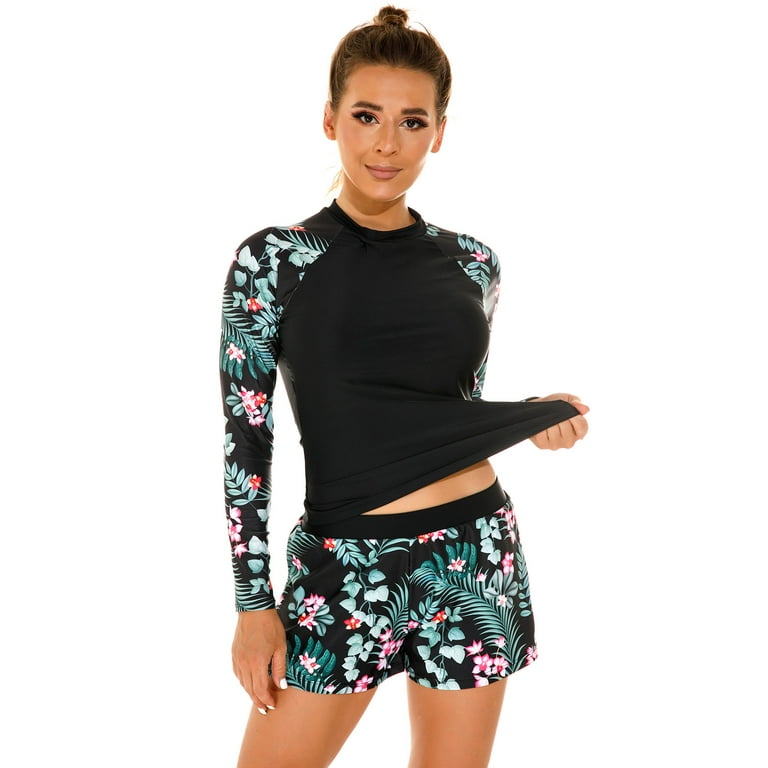
Credit: www.walmart.com
Frequently Asked Questions
What Materials Are Rash Guards Made From?
Rash guards are typically made from polyester, nylon, or spandex blends. These materials provide stretch, durability, and quick-drying properties. They also offer excellent protection against UV rays and abrasion during water sports or outdoor activities.
How Do Rash Guards Protect Your Skin?
Rash guards protect skin by reducing friction and preventing rashes caused by surfboards or sand. They also block harmful UV rays, minimizing sunburn risk. This makes them essential for swimmers, surfers, and outdoor athletes.
Can Rash Guards Prevent Sunburn Effectively?
Yes, rash guards provide effective sun protection. Most have built-in UPF 50+ ratings, blocking 98% of harmful UV rays. Wearing a rash guard helps reduce sun damage during prolonged outdoor exposure.
Are Rash Guards Suitable For All Water Sports?
Rash guards are ideal for various water sports like surfing, snorkeling, and swimming. Their lightweight, quick-drying fabric offers comfort and protection. They also help regulate body temperature in cooler water.
Conclusion
Rash guards protect your skin from sun and rashes. They fit tight and dry quickly. This helps keep you comfortable during water sports. The fabric also stops scrapes and irritation. Wearing one can reduce the risk of skin damage. They work by blocking harmful UV rays and friction.
Choosing the right rash guard means better protection and comfort. Now you know how rash guards help you stay safe and feel good. Simple gear with clear benefits. A smart choice for active days in the water.
